
If you keep a brackish tank, you know how important clean water is for your fish and plants. But choosing the right aquarium filter can be confusing.
You want something that handles the unique mix of salt and fresh water without harming your tank’s delicate balance. You’ll discover exactly what makes a filter perfect for brackish tanks. By the end, you’ll feel confident picking the best filter to keep your aquarium healthy and vibrant.
Ready to transform your tank’s water quality? Let’s dive in.
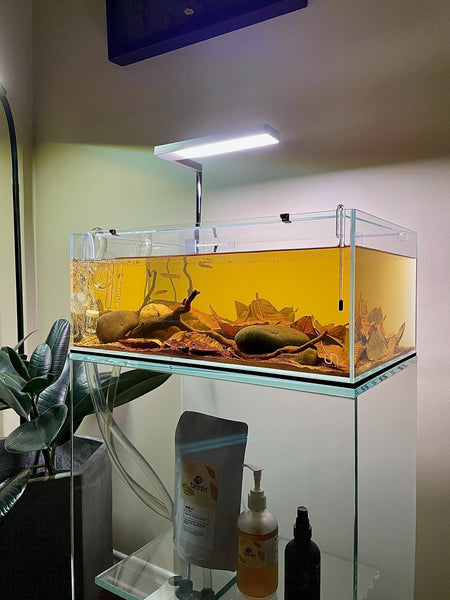
Credit: tanninaquatics.com
Choosing Filters For Brackish Tanks
Brackish tanks have unique water conditions that need special care. Choosing the right filter keeps water clean and healthy.
Filters remove waste and maintain the right water quality for brackish fish and plants.
Types Of Aquarium Filters
There are several filter types. Each works differently to clean your tank water.
- Hang-on-back (HOB) filters hang outside the tank and use cartridges.
- Canister filters sit below the tank and offer strong cleaning power.
- Sponge filters use air to push water through a sponge, helping bacteria grow.
- Internal filters sit inside the tank and are good for small tanks.
- Undergravel filters pull water through the gravel, using beneficial bacteria.
Filter Features For Brackish Water
Brackish water can corrode some filter parts. Choose filters with corrosion-resistant materials.
Look for filters with good mechanical, biological, and chemical filtration to keep water stable.
- Corrosion-resistant plastic or coated metal parts
- Strong biological filtration for beneficial bacteria
- Easy to clean and maintain
- Adjustable flow rate to match tank needs
- Media options for chemical filtration like activated carbon
Filter Size And Capacity
Choose a filter sized for your tank volume. A stronger filter cleans water faster.
Brackish tanks often need filters rated for at least twice the tank size.
- Check the filter’s flow rate (gallons per hour)
- Choose a filter with enough media space for bacteria growth
- Consider tank inhabitants and their waste levels
- Replace or clean filter media regularly
Mechanical Filtration Essentials
Mechanical filtration removes solid waste from aquarium water. It traps debris and particles to keep water clear. This process helps maintain a healthy environment for brackish tank fish.
Using the right mechanical media is key for effective filtration. It captures dirt before it breaks down and harms water quality.
Removing Debris And Particles
Mechanical filters catch floating debris like uneaten food, plant material, and fish waste. This prevents cloudiness and reduces harmful toxins. Regular cleaning of the filter media keeps the system working well.
- Traps solid waste physically from water
- Prevents debris from decaying in the tank
- Helps maintain clear water for fish and plants
- Needs frequent cleaning to avoid clogging
Popular Mechanical Media Options
Several types of media work well for mechanical filtration. Each has strengths in capturing particles and ease of cleaning.
| Media Type | Description | Cleaning Frequency |
|---|---|---|
| Foam Pads | Porous sponges that trap debris effectively | Weekly rinsing in tank water |
| Filter Floss | Soft, fibrous material for fine particles | Replace every 2-4 weeks |
| Polyester Pads | Dense pads that catch large particles | Clean every 1-2 weeks |
| Bio Balls (Mechanical Use) | Plastic balls with surface texture for debris | Rinse monthly |
Biological Filtration In Brackish Setups
Biological filtration is key to keeping brackish aquariums healthy. It removes harmful waste using natural bacteria.
These bacteria break down fish waste and uneaten food. This process keeps water clean and safe for your fish.
Beneficial Bacteria Role
Beneficial bacteria convert harmful ammonia into less harmful substances. This process is called the nitrogen cycle.
They first change ammonia into nitrites, which are still toxic. Then other bacteria change nitrites into nitrates.
- Ammonia comes from fish waste and food
- Nitrites are harmful but temporary
- Nitrates are less harmful and removed by water changes
Best Biological Media Choices
Biological media provide space for bacteria to grow. Good media have a large surface area and are porous.
Common choices include ceramic rings, bio balls, and sponges. These help keep bacteria colonies healthy.
- Ceramic rings: porous and durable
- Bio balls: large surface area, good water flow
- Sponges: cheap, easy to clean
- Plastic media: lightweight and effective
Chemical Filtration Techniques
Chemical filtration helps keep brackish tanks clean. It removes toxins and odors from the water.
This filtration type works alongside mechanical and biological filters. It improves water clarity and quality.
Activated Carbon Benefits
Activated carbon is a common chemical filter in brackish tanks. It removes impurities and harmful chemicals.
This material traps toxins, colors, and smells. It helps keep the water clear and healthy for fish.
- Removes chlorine and chloramine
- Eliminates odors and discoloration
- Adsorbs organic pollutants
- Improves water clarity
Other Chemical Media Options
Besides activated carbon, other media help with chemical filtration. Each type targets different pollutants.
These options include zeolite, phosphate removers, and resin beads. They support specific water needs in brackish tanks.
- Zeolite absorbs ammonia and heavy metals
- Phosphate removers control algae growth
- Resin beads remove nitrate and nitrite
- Specialty media target toxins and impurities
Filter Maintenance Tips
Keeping your aquarium filter clean helps your brackish tank stay healthy. Regular care keeps water clear and fish safe.
This guide shares simple tips for cleaning, changing media, and avoiding mistakes in filter upkeep.
Cleaning Frequency
Clean your filter every 2 to 4 weeks. If your tank has many fish, clean more often. Avoid cleaning too much or too little.
- Check filter parts for dirt and debris weekly
- Rinse filter media gently in tank water during cleaning
- Do not use soap or chemicals on filter parts
- Observe water flow to know when cleaning is needed
Replacing Filter Media
Change filter media based on type and tank needs. Some media last longer than others.
| Media Type | Replacement Time |
| Foam Pads | Monthly |
| Activated Carbon | Every 3-4 weeks |
| Ceramic Rings | Every 6 months or as needed |
| Bio Balls | Rarely replace, clean gently |
Avoiding Common Mistakes
Many mistakes harm the filter or tank health. Watch out for these common errors.
- Cleaning all media at once, removing good bacteria
- Using tap water with chlorine to rinse media
- Over-tightening filter parts causing damage
- Ignoring filter noise or reduced water flow
- Replacing all media at the same time
Setting Up Filters In Brackish Aquariums
Brackish aquariums need special care due to their unique water conditions. Choosing the right filter is crucial for a healthy tank.
Filters help maintain water quality by removing debris and toxins. Setting them up correctly is important for the fish and plants.
Placement Strategies
Filters must be placed where they can efficiently circulate water. Correct placement ensures all areas of the tank are clean.
Avoid placing filters too close to tank corners. This can limit their effectiveness and leave some areas with poor filtration.
- Place filters near the center of the tank.
- Ensure the intake and outflow are unobstructed.
- Consider using multiple filters for large tanks.
Flow Rate Considerations
Flow rate is the speed at which water moves through the filter. It affects how well the filter cleans the water.
Too high a flow rate can disturb fish and plants. Too low a flow rate might not clean the water effectively.
| Tank Size | Recommended Flow Rate |
| Small (up to 20 gallons) | 40-80 gallons per hour |
| Medium (20-50 gallons) | 100-200 gallons per hour |
| Large (over 50 gallons) | 250+ gallons per hour |
Troubleshooting Filter Issues
Aquarium filters for brackish tanks are vital for clean water. Sometimes, filters have problems. Knowing how to fix them is important.
This guide helps with common filter issues. Learn about clogging, noise, and efficiency problems. Keep your tank healthy and clear.
Clogging Problems
Filters can clog with dirt and debris. This slows water flow. Check the filter regularly to avoid clogs.
Clean or replace filter media as needed. Rinse the filter parts with tank water. Do not use tap water, as it can harm helpful bacteria.
- Check filter every two weeks
- Rinse parts in tank water
- Replace media if necessary
Noise And Vibration
Filters can become noisy or vibrate. This often happens if the filter is not on a stable surface. Uneven surfaces cause noise.
Place the filter on a flat, sturdy surface. Make sure all parts are tightly connected. Lubricate the motor if needed.
- Ensure filter is level
- Tighten all connections
- Lubricate motor parts
Filter Efficiency Decline
A filter may lose efficiency over time. This reduces its ability to clean the tank. Check for blockages or worn-out parts.
Replace old parts and clean the impeller. Regular maintenance keeps the filter working well. This ensures good water quality.
- Inspect for blockages
- Clean or replace the impeller
- Perform regular maintenance

Credit: www.amazon.com
Enhancing Water Quality Beyond Filtration
Aquarium filters help clean water in brackish tanks. They remove waste and keep water clear.
Good water quality needs more than just filtration. Other actions help keep fish healthy and water safe.
Regular Water Changes
Changing water regularly removes toxins that filters miss. It keeps the tank environment fresh and balanced.
Water changes stop harmful chemicals from building up. This helps fish stay healthy and active.
- Change 10-20% of water weekly
- Use water with correct salinity for brackish tanks
- Clean gravel and decorations during water changes
Monitoring Water Parameters
Check water parameters often to keep them in safe ranges. This helps catch problems early.
Important parameters include salinity, pH, ammonia, nitrite, and nitrate levels. Each affects fish health.
- Test salinity weekly with a hydrometer
- Measure pH to keep it stable between 7.5 and 8.5
- Check ammonia and nitrite levels to ensure they are zero
- Keep nitrate levels below 20 ppm
Using Live Plants And Organisms
Live plants and beneficial organisms help improve water quality naturally. They absorb waste and add oxygen.
Plants like mangroves and floating plants work well in brackish tanks. Snails and shrimp also clean leftover food.
- Use hardy plants suited for brackish water
- Add snails to eat algae and debris
- Include shrimp for extra cleaning power
- Plants reduce nitrate and provide shelter for fish

Credit: www.amazon.com
Frequently Asked Questions
What Type Of Filter Suits Brackish Aquariums Best?
Canister filters are ideal for brackish tanks. They provide strong mechanical, biological, and chemical filtration. They handle varied salinity well and maintain water clarity effectively.
How Often Should I Clean A Brackish Tank Filter?
Clean your filter every 3 to 4 weeks. Avoid over-cleaning to preserve beneficial bacteria. Rinse filter media in tank water to maintain biological balance.
Can Freshwater Filters Work In Brackish Tanks?
Some freshwater filters can work but may degrade faster. Choose corrosion-resistant filters designed for brackish water to ensure durability and efficiency.
Why Is Biological Filtration Important For Brackish Tanks?
Biological filtration breaks down harmful ammonia and nitrites. It supports beneficial bacteria vital for water quality. This helps maintain a healthy environment for brackish fish.
Conclusion
Choosing the right aquarium filter keeps your brackish tank clean and healthy. Good filtration helps maintain water quality and balances salt levels. It protects fish and plants from harmful waste. Remember, regular filter care extends its life and works better.
A well-chosen filter makes tank maintenance easier and fish happier. Simple steps lead to a thriving brackish aquarium. Enjoy watching your aquatic life flourish with clear, fresh water.