
If you keep brackish fish, you know how important it is to maintain the right water conditions. One key factor is having the perfect aquarium filter for brackish fish.
Without the right filter, your fish can suffer from poor water quality, stress, and even illness. You want a filter that keeps your tank clean, balances the salt levels, and creates a healthy environment for your fish to thrive. You’ll discover exactly what to look for in a filter designed for brackish water tanks and how to choose the best one for your setup.
Keep reading to make sure your fish get the care they deserve.
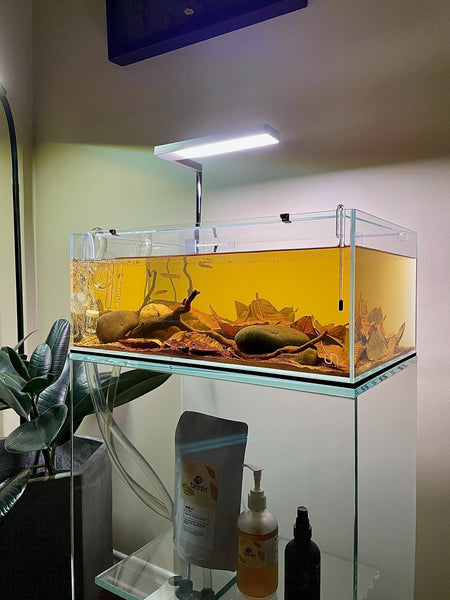
Credit: tanninaquatics.com
Choosing The Right Filter
Choosing the right aquarium filter is key for healthy brackish fish. Filters clean water and keep fish safe.
Filters come in many types and sizes. You must pick one that fits your tank and water type.
Types Of Aquarium Filters
There are several filter types to choose from. Each has its own way to clean water.
- Hang-on-back filters: easy to install and maintain
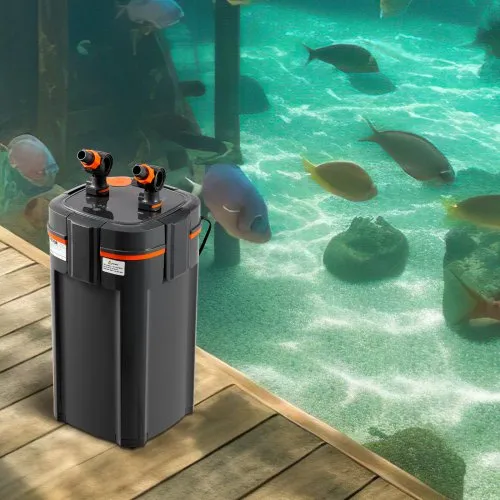
- Canister filters: powerful and good for large tanks
- Sponge filters: gentle and good for small tanks or fry
- Internal filters: compact and fit inside the tank
Filter Capacity And Tank Size
Filter capacity must match your tank size. A filter too small will not clean well.
| Tank Size (Gallons) | Recommended Filter Flow Rate (GPH) |
| 10 | 50-100 |
| 20 | 100-200 |
| 30 | 150-300 |
| 50 | 250-500 |
| 75+ | 400+ |
Compatibility With Brackish Water
Brackish water has salt and minerals that can harm some filter parts. Choose filters with corrosion-resistant materials.
Look for filters with:
- Plastic or stainless steel components
- Sealed motors to avoid salt damage
- Easy access for cleaning and maintenance

Credit: www.shopabunda.com
Key Features To Look For
Choosing the right filter for a brackish fish aquarium is important. It keeps water clean and fish healthy.
Filters work in three main ways: mechanical, biological, and chemical filtration. Each part helps in a special way.
Mechanical Filtration
Mechanical filtration removes solid waste from the water. It traps dirt, leftover food, and fish waste.
This type of filtration uses sponges, pads, or filters that catch particles. It helps keep the water clear.
- Look for easy-to-clean filter pads
- Choose filters that fit your tank size
- Good flow rate helps trap more debris
Biological Filtration
Biological filtration uses good bacteria to break down harmful waste. It changes ammonia to less harmful substances.
Filters with bio-media like ceramic rings or bio-balls give bacteria a place to grow. This keeps water safe for fish.
- Choose filters with enough bio-media
- Bio-media should be easy to clean without killing bacteria
- Good water flow helps bacteria stay healthy
Chemical Filtration
Chemical filtration removes toxins and odors from the water. It uses activated carbon or other materials.
This filtration helps keep water clear and removes chemicals that harm fish. It works well for brackish water tanks.
- Look for filters with replaceable carbon packs
- Chemical media should be easy to change
- Use chemical filtration as needed, not all the time
Setting Up Your Filter
Setting up a filter for your brackish fish tank helps keep the water clean. A good filter provides a healthy environment for your fish.
Follow simple steps to install and start your aquarium filter the right way.
Installation Tips
Choose a filter that matches your tank size. Make sure it can handle brackish water conditions.
Read the instructions that come with the filter. Gather all parts before starting the setup.
- Use the right filter media for brackish water
- Check seals and connections for leaks
- Keep electrical parts dry and safe
Positioning For Optimal Flow
Place the filter where water flows easily through it. This helps remove waste effectively.
Avoid blocking the intake or outflow with decorations or plants. Clear water movement is key.
- Put the intake near the bottom to catch debris
- Position outflow to create gentle water movement
- Keep filter easy to access for cleaning
Priming And Starting The Filter
Priming fills the filter with water so it runs smoothly. Some filters need manual priming before use.
Check the filter pump for proper operation. Listen for unusual noises after starting.
- Fill the filter chamber with tank water
- Use the priming button or fill tube if available
- Turn on the filter and watch the water flow
- Stop the filter if it makes loud noises and check setup
Maintenance And Cleaning
Keeping your aquarium filter clean is important for brackish fish health. A clean filter helps remove waste and keeps water clear.
Regular maintenance improves filter performance and extends its life. It also creates a safe environment for your fish.
Regular Filter Cleaning
Clean the filter every 2 to 4 weeks. This prevents clogging and keeps water flowing well.
Use old aquarium water to rinse filter parts. Avoid tap water because it can kill helpful bacteria.
- Turn off the filter before cleaning
- Remove filter media gently
- Rinse media with aquarium water
- Clean filter housing and tubes
- Reassemble and restart the filter
Replacing Filter Media
Filter media helps remove debris and chemicals from water. Replace it as needed for best results.
Some media lasts longer than others. Check the type and follow the recommended replacement time.
- Mechanical media (foam, sponges) – replace every 4-6 weeks
- Chemical media (activated carbon) – replace every 3-4 weeks
- Biological media (ceramic rings) – replace rarely, only if damaged
Signs Your Filter Needs Attention
Watch for these signs to know when your filter needs cleaning or repair.
- Water flow slows down or stops
- Water becomes cloudy or smells bad
- Filter makes unusual noises
- Fish show signs of stress or illness
- Filter parts look dirty or worn
Managing Brackish Water Conditions
Brackish water aquariums need special care to keep fish healthy. Managing water conditions is key for success.
Using the right filter and monitoring water quality helps maintain a stable environment for brackish fish.
Salinity Levels And Filtration
Salinity must stay steady for brackish fish to thrive. Filters help keep water clean and balanced.
- Use a filter designed for brackish or marine tanks.
- Check salinity daily with a refractometer or hydrometer.
- Perform partial water changes to adjust salt levels.
- Replace filter media regularly to remove waste and toxins.
- Avoid overfeeding to reduce filter load and water pollution.
Preventing Algae Growth
Algae can grow fast in brackish water. Control it with light and nutrients management.
| Algae Type | Cause | Control Method |
| Green Algae | Too much light | Limit lighting to 8-10 hours |
| Brown Algae | High nutrients | Regular water changes |
| Blue-Green Algae | Poor water flow | Improve filtration and water movement |
Balancing Ph And Water Parameters
Stable pH and water parameters keep fish healthy in brackish tanks.
Check these parameters regularly:
- pH: 7.5 to 8.5
- Temperature: 75°F to 82°F (24°C to 28°C)
- Ammonia and Nitrite: 0 ppm
- Nitrate: Below 20 ppm
Common Filter Problems
Aquarium filters are essential for keeping water clean. They can face several issues, especially with brackish fish.
Understanding common problems helps in maintaining a healthy aquarium environment.
Dealing With Clogs And Blockages
Clogs can reduce water flow. This can lead to poor filtration and dirty water.
- Check the filter media regularly for debris.
- Clean intake and outflow pipes weekly.
- Replace clogged filter parts if necessary.
Noise And Vibration Issues
Noise can disturb both fish and people. It often comes from vibrations or loose parts.
Ensure all screws and fittings are tight. Place a rubber mat under the filter to reduce noise.
Filter Performance Drops
Performance drops might indicate a problem with the filter. This affects water quality.
| Issue | Solution |
| Reduced Flow | Check for clogs and clean parts |
| Power Loss | Ensure power supply is stable |
| Old Filter Media | Replace media monthly |
Enhancing Filtration Efficiency
Maintaining a healthy environment for brackish fish requires efficient filtration. A good filter system keeps the water clean and reduces harmful substances.
Enhancing filtration ensures the well-being of your aquatic pets. Let’s explore ways to improve your aquarium filter’s performance.
Using Supplemental Filters
Supplemental filters provide additional support to your main filter. They help remove extra debris and waste from the aquarium.
Consider using sponge filters or undergravel filters. These options enhance water quality and improve oxygen levels.
- Sponge filters are easy to clean and maintain
- Undergravel filters utilize the aquarium substrate
- Both options are cost-effective and efficient
Adding Live Plants
Live plants play a vital role in filtration. They absorb nitrates and other harmful substances from the water.
Plants like Java fern and Anubias are great choices for brackish tanks. They enhance water quality and create a natural habitat.
Upgrading Filter Media
Upgrading filter media can boost filtration efficiency. Different media types target specific impurities in the water.
Consider using activated carbon or ceramic rings. These media types enhance biological filtration and improve water clarity.
- Activated carbon removes toxins and odors
- Ceramic rings offer surface area for beneficial bacteria
- Regularly replace media for optimal performance
Credit: www.vevor.ca
Frequently Asked Questions
What Type Of Filter Is Best For Brackish Fish Tanks?
A canister filter is ideal for brackish tanks. It provides strong mechanical, chemical, and biological filtration. This keeps water clean and stable for brackish fish.
How Often Should I Clean My Brackish Aquarium Filter?
Clean the filter every 3 to 4 weeks. Avoid over-cleaning to protect beneficial bacteria. Regular maintenance ensures optimal filtration and fish health.
Can Standard Freshwater Filters Be Used For Brackish Aquariums?
Some freshwater filters work for brackish tanks if they handle the specific salinity. Check filter compatibility before use to ensure proper function and durability.
Why Is Biological Filtration Important In Brackish Aquariums?
Biological filtration breaks down toxic ammonia and nitrites into less harmful nitrates. This process supports a healthy, stable environment for brackish fish.
Conclusion
Choosing the right aquarium filter keeps brackish fish healthy and happy. Clean water helps fish breathe and grow well. Regular filter care stops dirt and harmful chemicals. Simple filters work best for brackish tanks. Remember to check water salt levels along with filtration.
A good filter creates a safe, fresh home. Start with a filter designed for brackish water. Your fish will thrive in a clear, balanced tank. Small steps make big differences in fish care.