
If you want your aquarium to stay clean and healthy, understanding the right filter flow rate is key. But how do you know if your filter is powerful enough for your tank?
That’s where an Aquarium Filter Flow Rate Calculator comes in. It helps you find the perfect flow rate to keep your water clear and your fish happy. Keep reading, and you’ll learn how to easily calculate the ideal flow rate for your aquarium—no guesswork needed.
Your fish will thank you!
Why Flow Rate Matters
Flow rate is the speed at which water moves through your aquarium filter. It affects the cleaning and oxygen levels in the tank.
Choosing the right flow rate helps keep fish healthy and plants thriving.
Impact On Water Quality
A good flow rate removes waste and toxins from the water. It also spreads oxygen evenly throughout the tank.
- Removes fish waste and uneaten food
- Prevents harmful bacteria buildup
- Maintains clear water
- Distributes oxygen to all areas
Effects On Fish And Plants
Fish need the right flow speed to swim comfortably. Strong currents can stress some fish and damage delicate plants.
| Flow Rate | Effect on Fish | Effect on Plants |
|---|---|---|
| Low | May cause poor oxygen circulation | Good for sensitive plants |
| Moderate | Comfortable for most fish | Supports healthy plant growth |
| High | Stressful for slow swimmers | Can uproot fragile plants |
Balancing Flow Rate With Tank Size
Choose a flow rate that suits your tank’s volume. Too much or too little flow can harm your aquarium’s health.
- Measure your tank’s volume in gallons or liters
- Pick a filter with a flow rate of 4 to 6 times the tank volume per hour
- Adjust flow speed for specific fish or plants
- Check filter performance regularly
Types Of Aquarium Filters
Aquarium filters keep water clean and safe for fish. They remove dirt and harmful substances. Different filters work in different ways.
Understanding filter types helps you pick the right one. This guide explains mechanical, biological, and chemical filters.
Mechanical Filters
Mechanical filters trap particles and debris in the water. They use sponges, pads, or floss to catch dirt. This helps keep the water clear.
- Remove solid waste like uneaten food and fish waste
- Prevent particles from clogging other filter parts
- Need regular cleaning to stay effective
Biological Filters
Biological filters use good bacteria to break down harmful chemicals. These bacteria change ammonia into less harmful substances. They live on filter media like ceramic rings or bio balls.
| Process | Description |
| Ammonia conversion | Bacteria turn ammonia into nitrites |
| Nitrite conversion | Other bacteria turn nitrites into nitrates |
| Nitrate management | Plants or water changes remove nitrates |
Chemical Filters
Chemical filters remove dissolved substances from the water. They use materials like activated carbon or resins. These filters clear odors, discoloration, and toxins.
- Activated carbon removes odors and chemicals
- Zeolite absorbs ammonia and heavy metals
- Phosphate remover lowers algae growth
Calculating Flow Rate
Knowing the flow rate of your aquarium filter is important. It helps keep the water clean and healthy for your fish.
The flow rate tells you how much water moves through the filter in one hour. Let’s learn how to calculate it.
Gallons Per Hour Explained
Gallons per hour (GPH) means how many gallons of water a filter moves in one hour. A higher GPH means faster water flow.
Filters with the right GPH help remove waste and keep the water clear. Too low or too high flow can harm fish.
Determining Your Tank’s Volume
First, find out how much water your tank holds. This is called the tank’s volume. It is usually measured in gallons.
To find the volume, multiply the tank’s length, width, and height in inches. Then divide by 231 to get gallons.
| Formula | Example |
|---|---|
| Length × Width × Height ÷ 231 | 24″ × 12″ × 16″ ÷ 231 = 19.9 gallons |
Recommended Flow Rate Guidelines
Experts say the filter should move all the tank water 4 to 6 times every hour. This is the ideal flow rate range.
- If your tank is 20 gallons, the flow rate should be 80 to 120 GPH.
- For 50 gallons, aim for 200 to 300 GPH.
- Small tanks need slower flow; big tanks need faster flow.

Credit: appadvice.com
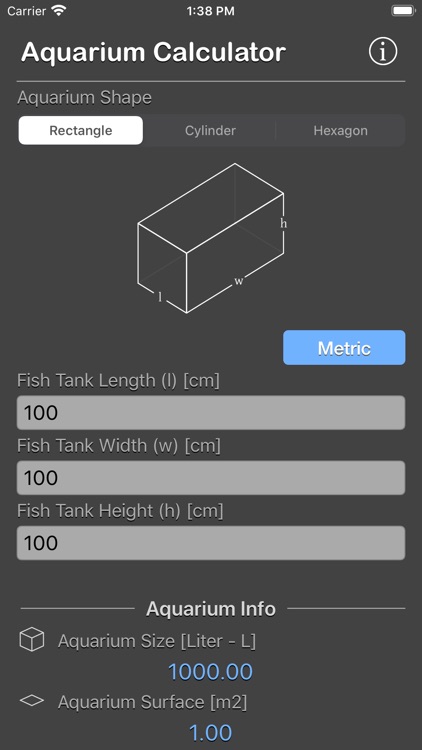
Using A Flow Rate Calculator
A flow rate calculator helps you find the right water flow for your aquarium filter. It ensures clean water and a healthy environment for your fish.
By entering some basic information, you can get a flow rate that fits your tank size and fish needs.
Input Parameters Needed
You must know some key details to use the calculator correctly. These details affect how much water the filter should move.
- Tank Volume:The total water amount in gallons or liters.
- Filter Type:The kind of filter you use, like canister or sponge.
- Desired Turnover Rate:How many times the filter should clean the full tank water per hour.
- Fish Species:Different fish need different water flow speeds.
- Additional Equipment:Other devices that affect water flow, such as UV sterilizers.
Interpreting The Results
The calculator shows the ideal flow rate in gallons or liters per hour. This number tells you how fast the filter should move water.
| Result | Meaning |
| Low Flow Rate | May not clean water well enough for your tank size. |
| Correct Flow Rate | Filters water effectively without stressing fish. |
| High Flow Rate | Could create strong currents that bother some fish. |
Adjusting Flow Rate For Different Species
Some fish like strong water currents, while others prefer calm water. You can adjust the flow rate to match their needs.
- Fast swimmers like tetras need higher flow rates.
- Bottom dwellers like catfish prefer slower flow.
- Plants and shrimp also need gentle water movement.
- Check fish care guides to find the best flow rate.
Optimizing Filter Performance
An aquarium filter keeps water clean and safe for fish. The right flow rate helps the filter work well.
Using a filter flow rate calculator helps you find the best flow rate. This keeps water fresh and healthy.
Regular Maintenance Tips
Clean the filter parts often to stop clogging. This keeps the flow rate steady and water clean.
Check the filter media and replace it if needed. Dirty media lowers filter performance and flow rate.
- Rinse filter sponges weekly in tank water
- Replace carbon or chemical media monthly
- Clear debris from intake and outflow tubes
- Inspect impeller for damage or dirt
Upgrading Filter Components
Use better filter media to improve cleaning. Higher quality parts boost filter flow and clarity.
Consider a stronger pump or motor if flow is too low. Upgrading parts helps meet your aquarium size needs.
- Choose filter media with more surface area
- Use bio-media to support beneficial bacteria
- Pick a pump with flow rate matching tank volume
- Replace worn parts to avoid flow loss
Avoiding Common Flow Rate Mistakes
Don’t set the flow rate too high. Fast flow can stress fish and plants.
Avoid too low flow rates. Slow flow reduces oxygen and filter cleaning.
- Match flow rate to aquarium size and fish type
- Use a flow rate calculator for accurate settings
- Check flow regularly to catch changes early
- Adjust flow gently to avoid sudden water changes
Credit: appadvice.com
Special Considerations
Understanding aquarium filter flow rates is essential for maintaining a healthy aquatic environment. Different types of tanks have unique requirements that affect flow rate needs.
Consider the specific needs of your aquatic setup to ensure that your filter flow rate is optimized for the health of your tank inhabitants.
Planted Tanks
Planted tanks have specific flow rate considerations due to the presence of live plants. Excessive flow can uproot plants or hinder their growth.
- Opt for a gentle flow to protect plant roots.
- Ensure water circulation to prevent dead spots.
- Consider using diffusers to spread the flow evenly.
Saltwater Aquariums
Saltwater aquariums often require higher flow rates to mimic ocean currents. Proper flow is crucial for coral health and debris removal.
| Type | Recommended Flow Rate |
| Fish-Only | 10x Tank Volume |
| Reef Tank | 20x Tank Volume |
| Mixed Reef | 15x Tank Volume |
Breeding And Fry Care
In tanks dedicated to breeding and fry care, controlling the flow rate is crucial. Fry are sensitive to strong currents.

Credit: apps.apple.com
Frequently Asked Questions
What Is An Aquarium Filter Flow Rate Calculator?
An aquarium filter flow rate calculator helps determine the ideal water flow for your tank. It ensures proper filtration and water circulation. Using it improves fish health and tank cleanliness by matching filter capacity to aquarium size.
How Do I Calculate Aquarium Filter Flow Rate?
Multiply your tank’s volume by the recommended turnover rate. Turnover rates vary by fish species and tank type. The calculator simplifies this by providing exact flow rates needed for optimal filtration.
Why Is Flow Rate Important In Aquariums?
Proper flow rate ensures effective filtration and oxygen distribution. Too low flow rate leads to poor water quality. Too high flow rate stresses fish and disrupts tank balance.
Can I Use A Filter With Higher Flow Rate?
Yes, but it may cause strong currents that stress fish. Consider adjusting flow settings or using flow diffusers. Always match flow rate to your tank’s inhabitants and size.
Conclusion
Choosing the right filter flow rate keeps your aquarium healthy and clear. This calculator helps find the best flow for your tank size. Proper flow improves water quality and fish comfort. Regular checks ensure your filter works well over time.
Use this tool often to maintain a clean, safe environment. Small changes can make a big difference for your fish. Keep your aquarium water fresh and balanced every day. Simple steps lead to a happy, thriving tank.