
If you have an aquarium, you know how important it is to keep your fish healthy and happy. But did you know that tap water can contain chlorine, which is harmful to your aquatic friends?
That’s where an aquarium dechlorinator comes in. This simple product can make a huge difference in protecting your fish from toxic chemicals. You’ll discover why using a dechlorinator is a must, how it works, and the best options to keep your tank safe and clean.
Keep reading to learn how to create the perfect environment for your underwater pets.

Credit: www.reddit.com
Why Dechlorination Matters
Tap water often contains chemicals to keep it safe for humans. These chemicals can harm fish and aquatic life. Removing these chemicals is important for aquarium health.
Dechlorination makes tap water safe for fish. It protects your aquarium’s environment and keeps fish healthy.
Chlorine And Chloramine In Tap Water
Chlorine and chloramine are common chemicals used to disinfect tap water. They kill harmful germs but can be toxic to fish. Chlorine is a gas that evaporates quickly. Chloramine is a mix of chlorine and ammonia that lasts longer in water.
- Chlorine breaks down fast in water.
- Chloramine stays longer and is harder to remove.
- Both chemicals can damage fish gills and skin.
- They affect the beneficial bacteria in filters.
Impact On Fish And Aquatic Life
| Effect | Chlorine | Chloramine |
| Fish Gills | Damage and irritation | Severe damage and stress |
| Skin | Redness and lesions | Burns and infections |
| Beneficial Bacteria | Killed, affects filtration | Killed, harder to recover |
| Water Quality | Temporary drop | Long-lasting harm |
Using a dechlorinator removes these chemicals. This keeps fish safe and helps bacteria grow. Dechlorination supports a stable and healthy aquarium.
Types Of Aquarium Dechlorinators
Aquarium dechlorinators remove harmful chlorine and chloramine from tap water. These chemicals can hurt fish and plants in your tank. Using a dechlorinator makes water safe for aquatic life.
There are different kinds of dechlorinators. Each works in a unique way to clean your water. Understanding these types helps you choose the right one.
Chemical Neutralizers
Chemical neutralizers use special ingredients to remove chlorine and chloramine quickly. They change these chemicals into harmless substances. Most products use sodium thiosulfate or similar compounds.
These neutralizers work fast and protect fish immediately. They also help keep beneficial bacteria safe in your filter. Many aquarium owners use these for easy water treatment.
- Remove chlorine and chloramine instantly
- Contain sodium thiosulfate or similar chemicals
- Safe for fish and plants
- Protect filter bacteria
- Easy to use and measure
Natural Alternatives
Natural alternatives use plant extracts or other natural materials to reduce chlorine. Some aquarium keepers prefer these to avoid synthetic chemicals. They may take longer to work than chemical neutralizers.
Examples include using activated carbon or certain types of peat moss. These materials absorb chlorine and other toxins slowly. They also improve water quality by adding minerals and balancing pH.
- Use plant extracts or natural materials
- May take longer to remove chlorine
- Absorb toxins and improve water quality
- Can balance pH and add minerals
- Preferred by some for natural aquariums
Choosing The Right Dechlorinator
Dechlorinators remove harmful chlorine and chloramine from tap water. This protects fish and plants in your aquarium. Choosing the right one keeps your tank safe and healthy.
Not all dechlorinators work the same. Some suit certain fish better. Some handle different water sources differently. It is important to select the best fit for your setup.
Compatibility With Tank Inhabitants
Different fish and aquatic plants react differently to chemicals. Some dechlorinators include additives that help remove heavy metals. Others focus only on chlorine and chloramine.
Choose a dechlorinator that is safe for your specific fish and plants. Sensitive species need gentle formulas. Some products also help reduce stress in your tank inhabitants.
- Check if the product states it is safe for your fish types
- Look for added heavy metal removers if you have sensitive plants
- Use stress-reducing formulas for fragile or young fish
- Avoid additives that may harm invertebrates like shrimp or snails
Water Source Considerations
Your tap water quality influences which dechlorinator you need. Some water supplies use chloramine instead of chlorine. Chloramine is harder to remove and needs special treatments.
Test your water or check local reports. Choose a dechlorinator that handles the specific chemicals in your water. Some formulas also neutralize heavy metals often found in tap water.
- Identify if your water has chlorine, chloramine, or both
- Pick a dechlorinator designed for chloramine if needed
- Consider products that remove heavy metals if your water has them
- Use proper dosage based on your water volume and chemical levels
How To Use Dechlorinator Effectively
Dechlorinator removes harmful chlorine and chloramine from tap water. This makes water safe for fish and plants. Using it correctly keeps your aquarium healthy.
Follow simple steps to add dechlorinator. Proper use protects fish from stress and damage.
Dosage Guidelines
Use the right amount of dechlorinator for your tank size. Too little will not remove all chlorine. Too much may harm fish.
- Check the label for the recommended dose per gallon or liter
- Measure your aquarium water volume accurately
- Use a syringe or measuring cap for precise dosing
- Adjust dose if your water has high chlorine levels
Timing And Application Tips
Add dechlorinator before putting water into the tank. This stops chlorine from harming fish or plants.
Use dechlorinator during water changes and when filling new tanks. Avoid adding it directly onto fish or plants.
- Pour dechlorinated water slowly into the tank
- Mix water well after adding dechlorinator
- Use dechlorinator every time you add tap water
- Wait a few minutes after adding before putting fish back
Common Mistakes To Avoid
Using aquarium dechlorinator helps keep fish safe from harmful chemicals. Mistakes with it can hurt your fish and tank health.
Learn about common errors to protect your aquatic pets and maintain clean water.
Overdosing Risks
Adding too much dechlorinator can harm fish and plants. It may cause stress or toxic effects in the aquarium.
- Read the label carefully before dosing.
- Measure the water volume precisely.
- Use a dropper or measuring cup for accuracy.
- Avoid adding more than the recommended amount.
- If unsure, add less and test water quality first.
Ignoring Water Changes
Dechlorinator works best with regular water changes. Skipping changes lets toxins build up and harms fish.
| Water Change Frequency | Recommended Amount |
| Weekly | 20-30% |
| Biweekly | 15-20% |
| Monthly | 10-15% |
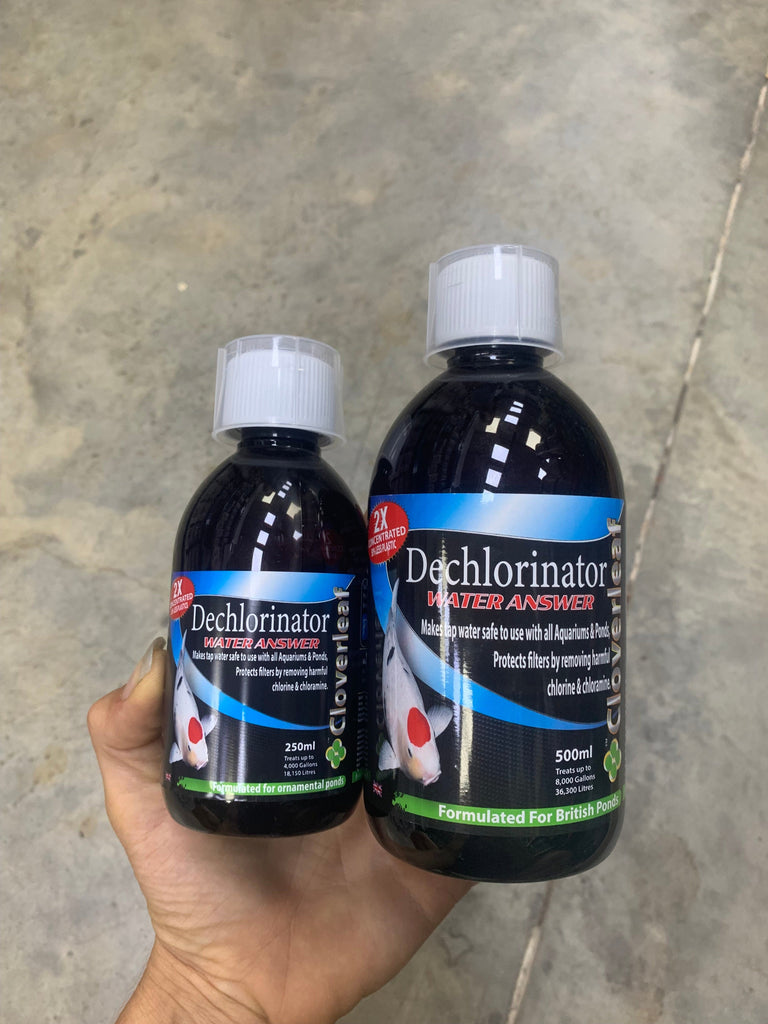
Credit: pondsuppliesessex.com
Maintaining A Healthy Aquarium Environment
Keeping your aquarium healthy is important for your fish. Aquarium dechlorinator helps make tap water safe for them.
It removes harmful chemicals that can stress or harm fish. A balanced environment supports happy and active fish.
Regular Water Testing
Testing water regularly ensures the right balance. It helps you know if the water is safe for fish.
Use a test kit to check pH, ammonia, and nitrate levels. This keeps water conditions stable and healthy.
- pH should be between 6.5 and 8.5
- Ammonia levels must be zero
- Nitrate levels should be under 40 ppm
Additional Water Treatments
Besides dechlorinator, other treatments help maintain water quality. They can reduce stress and improve fish health.
Use water conditioners to detoxify heavy metals. Biological enhancers boost helpful bacteria growth.
| Conditioner Type | Purpose |
| Water Conditioner | Neutralizes heavy metals |
| Biological Enhancer | Promotes beneficial bacteria |

Credit: www.amazon.com
Frequently Asked Questions
What Is An Aquarium Dechlorinator?
An aquarium dechlorinator is a device or product that removes chlorine and chloramines from tap water, making it safe for aquarium fish and plants.
How Does An Aquarium Dechlorinator Work?
An aquarium dechlorinator works by using activated carbon, ion exchange resins, or other technologies to remove chlorine and chloramines from tap water, resulting in dechlorinated water for aquariums.
Why Is Dechlorination Necessary For Aquariums?
Dechlorination is necessary for aquariums because chlorine and chloramines can harm fish and other aquatic organisms, causing stress, illness, and even death if not removed from the water.
Can I Use Tap Water Directly For My Aquarium?
No, it’s not recommended to use tap water directly for your aquarium due to its high chlorine and chloramine levels, which can harm your fish and other aquatic organisms.
Conclusion
Using an aquarium dechlorinator keeps your fish safe and healthy. It removes harmful chlorine and chloramine from tap water. This simple step helps create a clean environment for your aquatic pets. Always add the right amount before introducing water to the tank.
Regular use prevents stress and illness in fish. Clean water means happy fish and a beautiful aquarium. Don’t skip this important part of tank care. Your fish will thank you with vibrant colors and lively behavior. Safe water is the key to a thriving aquarium.