
If you keep territorial fish in your aquarium, you know how important it is to create the right environment for them. Aquarium caves can be a game-changer for your fish’s well-being.
These hiding spots help reduce stress, prevent fights, and give your fish a place to claim as their own. You’ll discover why aquarium caves are essential for territorial fish and how to choose the best ones for your tank. Keep reading to transform your aquarium into a peaceful and vibrant home for your finned friends.
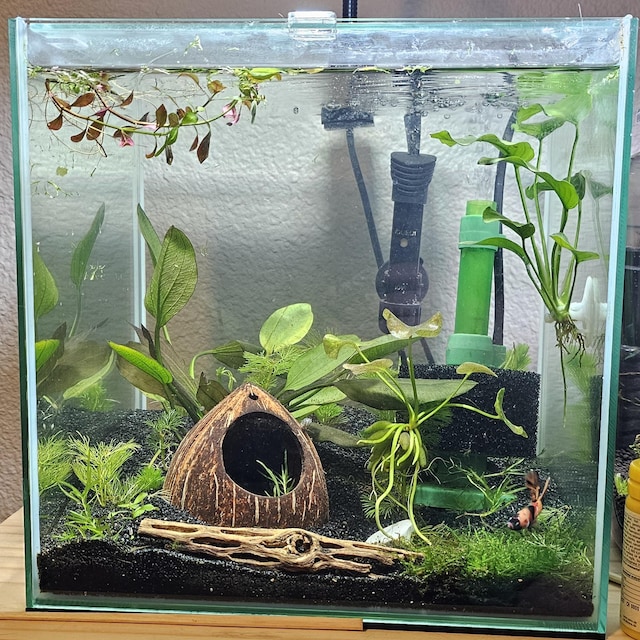
Credit: www.etsy.com
Benefits Of Aquarium Caves
Aquarium caves provide safe spaces for territorial fish. They help fish feel secure in their environment.
These caves improve the health and behavior of fish by meeting their natural needs. They also add beauty to your tank.
Reducing Fish Stress
Aquarium caves offer hiding spots that lower fish stress. Fish feel less threatened with a place to retreat.
Less stress means healthier fish and fewer diseases. Caves create a calm and safe environment for your fish.
Encouraging Natural Behavior
Territorial fish use caves to mark and defend their space. This helps them show natural instincts in the tank.
Fish explore and hide in caves, which keeps them active and busy. It also supports breeding and nesting behaviors.
- Territory marking
- Hiding and resting
- Breeding and nesting
Enhancing Tank Aesthetics
Aquarium caves add natural shapes and textures to your tank. They create a more interesting and realistic look.
Caves help break open spaces and add depth. They make your aquarium look lively and well-designed.

Credit: www.amazon.com
Choosing The Right Cave Material
Aquarium caves give territorial fish a safe place to hide. Picking the right material helps keep fish healthy.
The material affects water quality and fish comfort. Some materials are better for certain fish types.
Safe Rocks And Stones
Natural rocks and stones can make great caves. Choose ones that do not change water chemistry.
Avoid rocks that dissolve or release harmful minerals. Smooth stones prevent fish injuries.
- Use slate, granite, or quartz stones
- Check for sharp edges and remove them
- Rinse rocks well before placing in aquarium
- Test rocks in water to see if they alter pH
Ceramic And Resin Options
Ceramic and resin caves offer many shapes and sizes. They are usually safe and easy to clean.
Choose products made for aquariums to avoid toxins. These materials do not affect water quality.
- Ceramic caves resist algae growth
- Resin caves are lightweight and durable
- Both materials provide stable hiding spots
- Look for smooth surfaces to protect fish
Driftwood And Natural Elements
Driftwood can create natural caves for fish. It also adds tannins that color the water softly.
Use driftwood that is aquarium safe and fully cured. Natural elements must not rot or pollute water.
- Choose hardwood driftwood like Malaysian or Mopani
- Boil or soak wood to remove tannins
- Check for sharp points and sand them down
- Combine wood with rocks for stable caves
Popular Cave Designs For Territorial Fish
Territorial fish need safe spaces to feel secure and reduce stress. Aquarium caves offer hiding spots and help fish claim their territory.
Different cave designs meet the needs of various species. Choosing the right cave improves fish health and aquarium harmony.
Single Chamber Caves
Single chamber caves have one main opening and a simple interior. They provide a cozy, private spot for a fish to rest and watch its surroundings.
These caves work well for shy fish or species that prefer solitude. The one entrance helps fish control access to their space.
Multi-entrance Structures
Multi-entrance caves have two or more openings. They allow fish to enter or escape from different sides quickly.
This design suits active or aggressive fish. It helps reduce fights by giving fish multiple ways to move around their territory.
- Improves escape routes
- Allows better water flow
- Supports complex territorial behavior
Stacked Rock Formations
Stacked rock caves use multiple rocks piled to create tunnels and chambers. They mimic natural environments with many hiding spots.
These formations offer various spaces for different fish to claim parts of the structure. They encourage natural behaviors and exploration.
- Creates multiple territories
- Provides varied hiding spots
- Adds natural look to the tank
Placement Strategies In Your Aquarium
Creating a good environment for territorial fish means careful placement of caves. Fish need spaces to claim as their own. This helps reduce fights and stress.
Using caves in your aquarium can help fish feel safe and secure. Proper placement of these caves can control fish behavior and make your tank look natural.
Creating Territory Boundaries
Place caves so each fish has a clear space to call its territory. Avoid putting caves too close together. This prevents overlap and fights. Use rocks or plants to mark boundaries.
- Space caves evenly around the tank
- Use decorations to separate territories
- Keep high-traffic areas free of caves
- Place caves near hiding spots for extra security
Balancing Open And Hidden Spaces
Fish need a mix of open water and caves. Open spaces let fish swim freely. Hidden areas offer protection and rest. Find a balance to keep fish happy and calm.
| Space Type | Purpose | Placement Tips |
|---|---|---|
| Open Spaces | Swimming and display | Keep near center or top of tank |
| Hidden Spaces | Safety and rest | Place caves near plants or rocks |
Adjusting For Fish Size And Species
Match cave size to your fish. Bigger fish need larger caves. Smaller fish prefer tight spaces. Also, different species have different needs for privacy and territory size.
- Use larger caves for big, aggressive fish
- Provide small caves for shy or small fish
- Separate species that do not get along
- Change cave layout as fish grow
Maintaining Aquarium Caves
Aquarium caves provide shelter for territorial fish. Keeping these caves clean helps fish stay healthy and stress-free.
Regular maintenance prevents algae buildup and damage. It also ensures your fish have a safe, comfortable home.
Cleaning And Preventing Algae
Algae can cover aquarium caves and make them slippery. Clean caves regularly to keep fish safe and improve water quality.
Use a soft brush or sponge to scrub caves gently. Avoid harsh chemicals that can harm fish or plants.
- Clean caves once every two weeks
- Use warm water and a soft brush
- Remove algae manually when noticed
- Reduce light exposure to prevent algae growth
- Keep water clean with regular water changes
Inspecting For Damage
Check aquarium caves often for cracks or sharp edges. Damaged caves can hurt your fish or trap them inside.
Look for broken parts or loose decorations. Replace or fix damaged caves quickly to keep fish safe.
- Inspect caves once a month
- Look for cracks, chips, or sharp edges
- Remove broken pieces immediately
- Replace caves if damage is severe
Replacing And Upgrading Caves
Over time, caves may wear out or no longer fit your fish’s needs. Replace old caves to improve their environment.
Choose caves that match the size and behavior of your fish. Upgrading caves can reduce fights and stress.
- Select caves with smooth surfaces
- Pick caves large enough for fish to hide
- Use natural materials like rocks or resin
- Arrange caves to create territories
- Replace caves every year or as needed
Species That Benefit Most From Caves
Some fish need caves to feel safe and secure. Caves help them mark their territory.
These spaces give shelter and help reduce stress. Many fish rely on caves for breeding.
Cichlids And Their Preferences
Cichlids are territorial and often need caves. These fish are from Africa and South America.
- Convict Cichlids prefer narrow caves.
- Angelfish use caves for breeding.
- Oscars need larger caves for comfort.
Catfish And Bottom Dwellers
Catfish and bottom dwellers enjoy hiding spots. They seek caves to avoid predators.
| Species | Cave Preference |
| Plecostomus | Large, roomy caves |
| Corydoras | Small, snug spaces |
| Synodontis | Moderate-sized caves |
Other Territorial Fish
Other territorial fish also need caves. These fish use caves for protection and rest.
Diy Aquarium Cave Ideas
Aquarium caves provide hiding spots for territorial fish. They help fish feel safe and secure. Making your own aquarium caves is fun and easy.
There are many ways to create unique caves. You can use natural materials, household items, or customize for specific fish needs.
Using Natural Materials
Rocks and driftwood make great caves. These materials are safe for fish. They look natural and blend with the aquarium environment.
Make sure to clean the materials before use. Boiling rocks and driftwood helps remove harmful bacteria.
- Choose smooth rocks to prevent fish injury
- Arrange materials to create small hiding spots
- Secure with aquarium-safe glue
Crafting With Safe Household Items
Household items can be transformed into caves. Ensure they are safe and non-toxic. Plastic containers and ceramic pots are good options.
Cut openings for fish to enter. Smooth edges with sandpaper to avoid harm. Decorate with aquarium-safe paint.
- Use small plastic cups for tiny fish
- Repurpose broken ceramic mugs as caves
- Line the bottom with aquarium gravel
Customizing For Specific Fish Needs
Different fish have different needs. Some prefer narrow spaces, while others like larger openings. Customize caves to suit your fish.
Research your fish species before creating caves. Ensure the size and shape meet their preferences. This keeps fish happy and healthy.
| Fish Type | Cave Size |
| Betta | Small, cozy spaces |
| Cichlid | Larger, robust caves |
| Pleco | Long, tunnel-like structures |
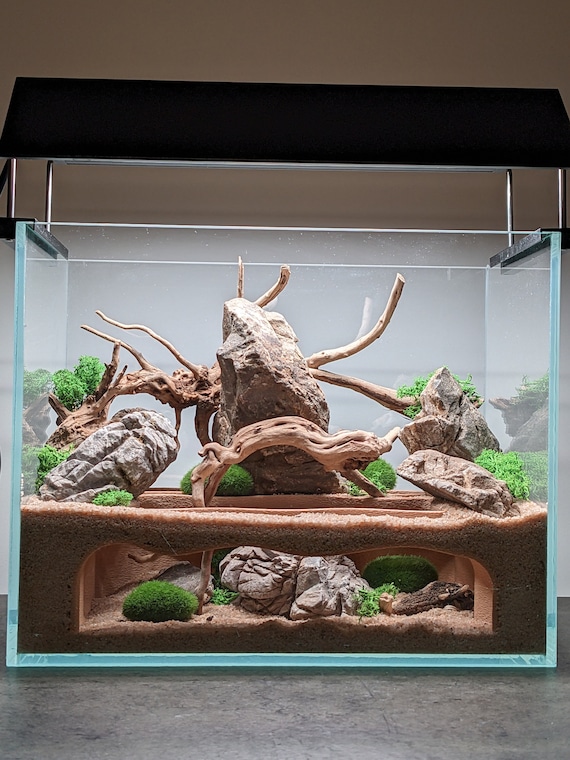
Credit: www.etsy.com
Frequently Asked Questions
What Are Aquarium Caves For Territorial Fish?
Aquarium caves provide hiding spots for territorial fish. They reduce aggression by giving fish personal space. Caves mimic natural habitats, promoting comfort and well-being. They help fish establish and defend territories safely within the tank.
How Do Caves Help Reduce Fish Aggression?
Caves create physical barriers that limit fish encounters. This lowers stress and fighting among territorial species. Fish use caves to claim their own space. Such separation prevents constant territorial disputes in confined aquarium environments.
What Materials Are Safe For Aquarium Caves?
Safe materials include resin, ceramic, natural rocks, and driftwood. Avoid toxic substances or sharp edges that can harm fish. Ensure caves are aquarium-safe, non-toxic, and easy to clean. Proper materials maintain water quality and fish health.
How Many Caves Should I Add To My Aquarium?
Provide multiple caves based on fish number and species. A general rule is one cave per territorial fish. This prevents overcrowding and reduces territorial disputes. More caves mean happier, less stressed fish in your tank.
Conclusion
Aquarium caves help territorial fish feel safe and reduce stress. Fish use caves to hide and claim their space. This lowers fights and keeps your tank peaceful. Caves also add a natural look to your aquarium. Choose caves that fit your fish’s size and behavior.
Clean caves regularly to keep water healthy. Simple steps like these create a happy home for your fish. Small changes make a big difference in your aquarium’s life. Try adding caves and watch your fish thrive.