
If you’re passionate about keeping rare freshwater fish, you know it’s not just about filling a tank with water. Your unique species need special care to thrive and stay healthy.
Getting their environment just right can be tricky, but the rewards are incredible. Imagine watching your rare fish swim happily, showing off their vibrant colors and natural behaviors. In this guide, you’ll discover simple, effective tips to make your aquarium a perfect home for these special creatures.
Ready to transform your aquarium care and become the best caretaker your rare freshwater species deserve? Keep reading—you won’t want to miss what’s coming next.
Choosing Rare Freshwater Species
Rare freshwater fish add beauty and interest to your aquarium. Choosing the right species is important for success. Learn about easy-to-care-for rare species and their needs.
Knowing how to find healthy fish and meet their special needs helps keep them alive and happy. This guide covers top species for beginners, care tips, and sourcing advice.
Top Rare Species For Beginners
Some rare fish are easier to care for than others. These species suit new hobbyists who want something different but manageable.
- German Blue Ram: Small, colorful, and peaceful.
- Clown Killifish: Hardy and small with bright stripes.
- Celestial Pearl Danio: Tiny fish with sparkling spots.
- Brichardi Cichlid: Beautiful and fairly easy to care for.
- Endler’s Livebearer: Active fish with vivid colors.
Special Needs Of Exotic Fish
Exotic fish need specific care to thrive. Their water, food, and tank conditions must match their natural habitat.
| Care Aspect | Details |
| Water Temperature | Keep stable between 75°F and 82°F |
| pH Level | Maintain neutral to slightly acidic pH (6.5–7.5) |
| Diet | Feed varied foods: flakes, pellets, and live/frozen |
| Tank Size | Provide enough space; avoid overcrowding |
| Lighting | Use moderate lighting to reduce stress |
Sourcing Healthy Specimens
Healthy fish start with a good source. Check the fish for signs of illness and choose reputable sellers.
- Look for clear eyes and intact fins
- Avoid fish with white spots or torn scales
- Buy from stores with clean tanks and good reviews
- Ask about the fish’s origin and care history
- Quarantine new fish before adding to your tank
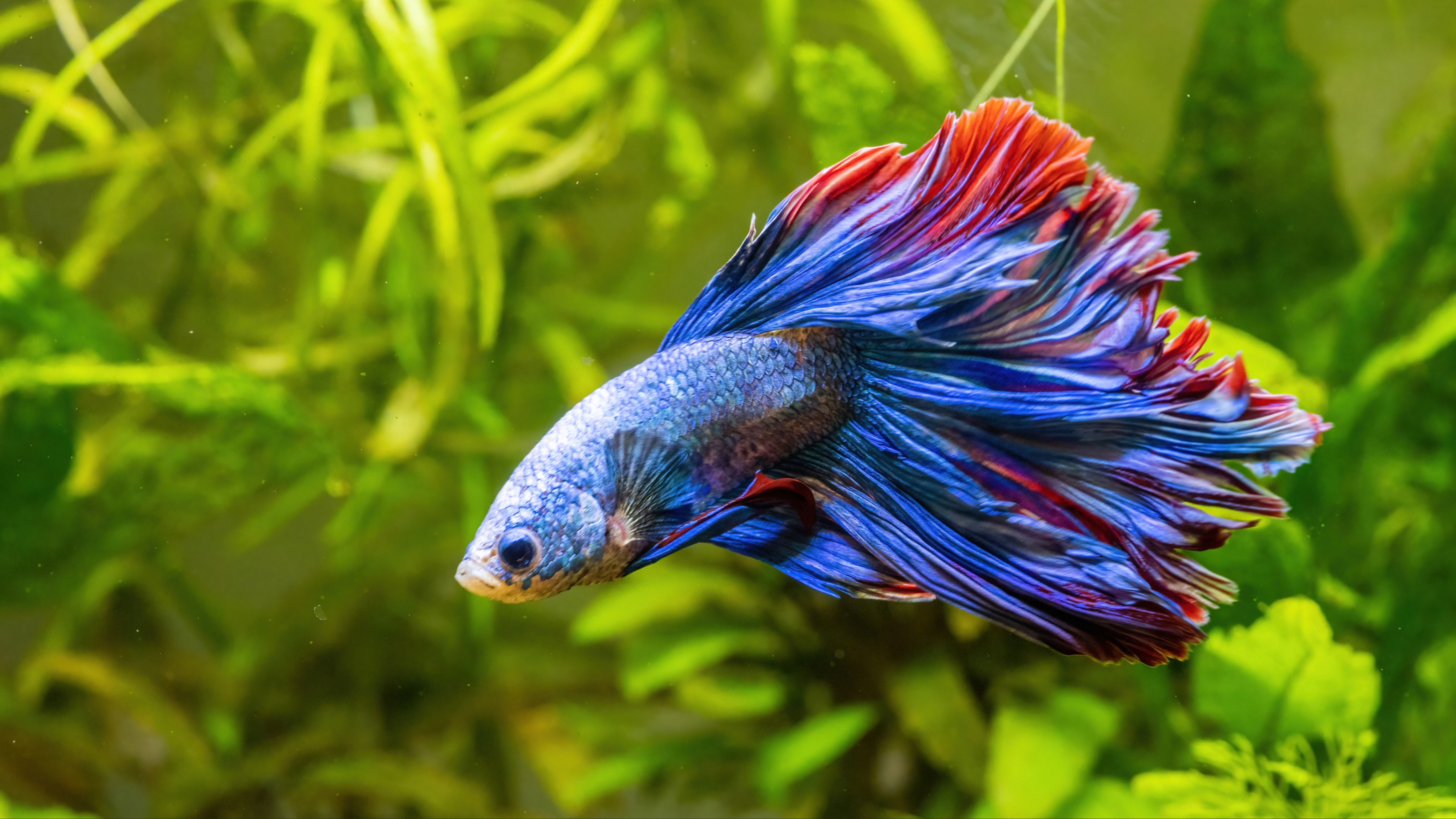
Credit: www.petsradar.com
Setting Up The Perfect Tank
Creating the ideal environment for rare freshwater species is important. A well-set tank ensures their health and happiness.
Each fish species has specific needs. Understanding these helps in setting up the perfect aquarium.
Tank Size And Shape Considerations
The size and shape of the tank are crucial. Different species need different spaces.
Research the fish species first. Choose a tank that fits their growth and swimming needs.
- Small tanks for small fish
- Large tanks for bigger species
- Rectangular tanks for better swimming space
Substrate And Decoration Choices
Substrate is the material on the tank bottom. It can affect the water quality and fish comfort.
Decorations provide hiding spots and reduce stress. Choose natural-looking items for a balanced environment.
- Sand for bottom-dwelling fish
- Gravel for general use
- Rocks and plants for decoration
Filtration And Water Flow
Proper filtration keeps the water clean and safe. Water flow affects fish movement and oxygen levels.
Choose a filter that matches the tank size. Adjust water flow to suit the fish species.
- Canister filters for large tanks
- Internal filters for small tanks
- Moderate flow for calm species
Water Parameters And Quality
Keeping the water clean and balanced is key for rare freshwater fish. Proper water conditions help fish stay healthy and active.
Each species needs specific water settings. You must check and adjust water to fit their needs.
Ideal Ph And Hardness Levels
Different freshwater species require different pH and hardness levels. pH measures how acidic or basic the water is. Hardness shows how many minerals are in the water.
| Species | Ideal pH | Ideal Hardness (dGH) |
| Discus | 6.0 – 7.0 | 1 – 4 |
| Killifish | 6.5 – 7.5 | 3 – 10 |
| Rummy Nose Tetra | 6.0 – 7.0 | 2 – 8 |
| Apistogramma | 6.0 – 7.0 | 2 – 6 |
Temperature Control Techniques
Keep water temperature steady to avoid stress on fish. Use a reliable heater with a thermostat. Check temperature daily with a thermometer.
- Place the heater near water flow for even heat.
- Use a backup heater or chiller for safety.
- Adjust temperature slowly, no more than 1°C per day.
- Keep room temperature stable to help control tank heat.
Maintaining Clean Water
Clean water is important for fish health. Remove waste and toxins regularly. Use filters and do water changes often.
- Test water weekly for ammonia, nitrites, and nitrates.
- Change 20-30% of water every week.
- Use a good filter with mechanical and biological media.
- Remove uneaten food to avoid decay.
- Clean the tank glass and decorations monthly.
Credit: www.hygger-online.com
Feeding Rare Freshwater Fish
Feeding rare freshwater fish requires care and attention. These species have unique diets that must be met for good health.
Understanding what to feed and when helps maintain their vibrant colors and active behavior.
Dietary Requirements Of Exotic Species
Exotic freshwater fish need specific nutrients that vary by species. Some require more protein, while others need plant matter.
- Many carnivorous species eat live or frozen foods like brine shrimp or bloodworms.
- Herbivores need algae, vegetables, and specially made pellets.
- Omnivores enjoy a mix of both animal and plant-based foods.
- Some rare fish require vitamin supplements to prevent deficiencies.
Feeding Schedules And Techniques
Regular feeding times keep fish healthy and reduce waste in the tank. Feeding frequency depends on the species and their metabolism.
| Fish Type | Feeding Frequency | Recommended Food |
| Carnivorous | Twice daily | Live or frozen protein |
| Herbivorous | Once daily | Algae, vegetables |
| Omnivorous | Once or twice daily | Mixed diet pellets |
Avoiding Common Feeding Mistakes
Overfeeding can cause water problems and harm fish health. Underfeeding leads to poor growth and dull colors.
- Do not feed too much at once; give small portions.
- Avoid feeding the wrong type of food for the species.
- Remove uneaten food to keep water clean.
- Stick to a consistent feeding schedule.
Health And Disease Management
Caring for rare freshwater fish requires careful attention to their health. Keeping these fish healthy helps them live longer and stay active.
Understanding how to spot illness and treat diseases early is very important. This guide helps you manage fish health well.
Recognizing Early Signs Of Illness
Watch your fish closely every day. Early signs of illness include changes in behavior and appearance.
Look for signs such as slow swimming, loss of appetite, or unusual spots on the body.
- Fish hiding more than usual
- Clamped fins or frayed edges
- Cloudy eyes or pale colors
- Gasping at the water surface
- Abnormal swimming or floating
Common Diseases In Rare Fish
Rare freshwater fish can get diseases like common fish. Knowing these diseases helps in quick care.
Parasites, bacterial infections, and fungal diseases are often seen in aquariums.
| Disease | Symptoms | Cause |
|---|---|---|
| Ich (White Spot) | White spots on skin, scratching | Parasite infection |
| Fin Rot | Frayed fins, discoloration | Bacterial infection |
| Fungal Infection | White cottony growth on skin | Fungus |
| Swim Bladder Disorder | Fish floats or sinks oddly | Physical injury or infection |
Effective Treatment Options
Treat fish illness quickly for best results. Use proper medicine and clean water to help fish recover.
Quarantine sick fish to stop disease spread. Change water often and keep the tank clean.
- Use medication recommended for the disease
- Maintain good water quality and temperature
- Feed healthy, balanced diets
- Isolate sick fish in a separate tank
- Remove uneaten food and waste daily

Credit: www.completekoi.com
Breeding Rare Freshwater Fish
Breeding rare freshwater fish requires care and patience. These species need special attention to thrive in home aquariums.
Understanding their natural habits and environment helps create the right conditions for breeding success.
Breeding Habits And Conditions
Each rare fish species has unique breeding habits. Some prefer soft, acidic water, while others need specific temperature ranges. Light cycles and hiding places also affect breeding behavior.
- Maintain stable water temperature between 75-82°F (24-28°C).
- Use soft water with low mineral content.
- Provide plenty of plants and caves for shelter.
- Adjust light to mimic natural day and night cycles.
- Feed high-quality live or frozen foods to trigger spawning.
Raising Fry Successfully
Raising fry from rare species needs careful feeding and clean water. Fry are small and fragile in their first weeks.
| Age of Fry | Food Type | Water Condition |
| 1-7 days | Infusoria or liquid fry food | Clean, gentle water flow |
| 8-14 days | Baby brine shrimp or microworms | Stable temperature and pH |
| 15+ days | Finely crushed flakes or pellets | Regular water changes |
Remove adults if they eat the fry. Keep water fresh to avoid disease.
Tips For Genetic Diversity
Maintaining genetic diversity keeps rare fish healthy. Avoid breeding close relatives to prevent health problems.
- Use fish from different sources for breeding pairs.
- Rotate breeding stock regularly.
- Record breeding pairs to track lineage.
- Introduce new genes by exchanging fish with other breeders.
- Avoid inbreeding to reduce deformities and disease.
Tank Mates And Compatibility
Choosing the right tank mates is key for rare freshwater species. Not all fish get along well in the same space.
Understanding compatibility helps keep your aquarium peaceful and healthy for all fish.
Choosing Peaceful Companions
Pick fish that share similar temperaments and sizes. Peaceful species avoid stress and injuries.
Look for species that have calm behavior and similar water needs to your rare fish.
- Small tetras and rasboras are usually peaceful
- Corydoras catfish get along with most fish
- Avoid fast swimmers that may stress slow fish
- Consider shy fish that hide and stay calm
Avoiding Aggressive Interactions
Aggression can harm rare freshwater species. Watch for territorial or chasing behaviors.
Separate aggressive fish or avoid adding them to your tank to keep peace.
- Do not mix large cichlids with small peaceful fish
- Avoid fin-nippers like some barbs and tiger barbs
- Watch males of certain species that guard territory
- Provide hiding spots to reduce fights
Community Tank Setup Ideas
Design your tank to support harmony. Use plants and decorations to create zones.
Group fish with similar needs and temperaments in sections of the tank.
- Dense plants offer shelter for shy species
- Open swimming areas suit active fish
- Rock caves help territorial fish have their own space
- Keep water conditions stable for all species
Advanced Care Techniques
Caring for rare freshwater species requires special knowledge and tools. These fish have unique needs that differ from common aquarium fish.
Using advanced techniques helps keep these species healthy and thriving in home aquariums.
Using Technology For Monitoring
Technology allows precise monitoring of water conditions. Sensors can track temperature, pH, and oxygen levels constantly.
- Automated water quality sensors
- Remote alerts for abnormal changes
- Smart feeders programmed for feeding times
- LED lighting systems that mimic natural environments
Customizing Care For Unique Species
Each rare species needs a tailored care plan. This includes diet, habitat setup, and water parameters.
| Species | Preferred Temperature | Diet | Water Type |
| Asian Arowana | 26-30°C | Live insects, pellets | Soft, slightly acidic |
| Discus | 28-31°C | Flakes, frozen food | Soft, acidic |
| Electric Blue Ram | 26-29°C | Small crustaceans, flakes | Soft, acidic to neutral |
Troubleshooting Common Problems
Problems can arise even with careful care. Knowing common issues helps solve them fast.
- Cloudy water:Check filter and clean tank regularly.
- Fish stress:Reduce noise and avoid sudden changes.
- Algae growth:Control light exposure and feed less.
- Disease signs:Quarantine new fish and treat infections early.
Frequently Asked Questions
What Is The Best Tank Setup For Rare Freshwater Fish?
A planted tank with stable water parameters suits rare freshwater species best. Use natural substrates, proper filtration, and gentle water flow. Maintain consistent temperature and pH levels to mimic their natural habitat. Avoid overcrowding to reduce stress and promote healthy growth.
How Often Should I Perform Water Changes For Rare Species?
Perform 20-30% water changes weekly to maintain water quality. This helps remove toxins and replenish essential minerals. Frequent water changes prevent ammonia and nitrate buildup, ensuring a healthy environment. Always use dechlorinated water matching tank temperature.
What Diet Is Ideal For Rare Freshwater Fish?
Feed a varied diet including high-quality flakes, pellets, and live or frozen foods. Rare species often require specific nutrients found in specialized diets. Avoid overfeeding to prevent water pollution. Research individual species dietary needs for optimal health.
How Do I Prevent Diseases In Rare Freshwater Aquariums?
Maintain pristine water conditions and avoid sudden parameter changes. Quarantine new fish before adding them to the main tank. Use a balanced diet and avoid overcrowding to reduce stress. Regularly inspect fish for signs of illness and treat promptly.
Conclusion
Caring for rare freshwater fish needs patience and care. Keep water clean and check temperature daily. Feed your fish the right food in small amounts. Watch for signs of illness and act quickly. Create a natural environment with plants and hiding spots.
Regular tank maintenance helps fish stay healthy and happy. Enjoy the beauty and calm these rare fish bring. Small efforts make a big difference in their life. Your attention helps these special fish thrive in your home.