
Are you tired of cluttered spaces and scattered aquarium tools every time you clean your tank? Keeping your maintenance gear organized can make a huge difference in how smoothly your aquarium care goes.
Imagine having a dedicated cabinet right next to your aquarium, designed to store all your equipment neatly and within easy reach. You’ll discover how an aquarium cabinet with storage can transform your maintenance routine, save you time, and keep your space tidy.
Ready to make your aquarium care easier and more enjoyable? Keep reading to find out how to choose the perfect cabinet for your needs.
Benefits Of Cabinets For Aquariums
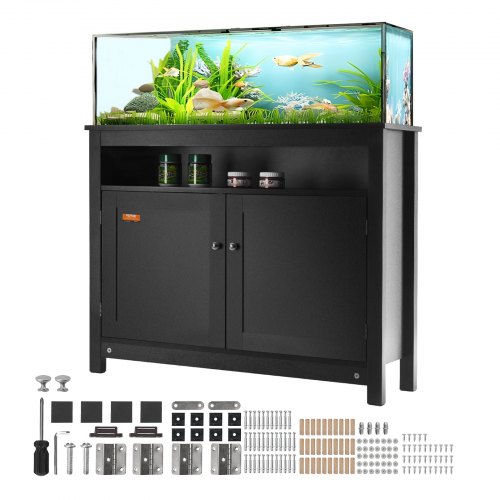
Aquarium cabinets help keep your fish tank area neat and organized. They store tools and supplies in one place.
Using a cabinet makes aquarium maintenance easier and protects your equipment from damage.
Maximizing Space Efficiency
A cabinet under the aquarium uses space that would be empty. It gives you extra storage without taking more room.
By storing tools and supplies inside, you keep the area around the tank clean and free of clutter.
- Fits neatly under the aquarium stand
- Provides shelves and compartments for organization
- Helps keep the room tidy
Protecting Maintenance Tools
Cabinets keep your maintenance tools safe from dust and moisture. This helps them last longer.
Tools stored properly are less likely to break or get lost, saving you money and time.
- Shields tools from water spills
- Prevents damage from dirt and dust
- Keeps sharp or fragile items safe
Improving Accessibility
Cabinets keep all your aquarium items close at hand. You do not need to search for tools when doing maintenance.
Quick access to supplies saves time and makes caring for your aquarium easier.
- Organizes tools by type or use
- Allows easy reach to filters, nets, and food
- Helps keep a regular maintenance routine

Credit: www.vevor.ca
Choosing The Right Cabinet Material
Choosing the right cabinet material is important for storing aquarium maintenance tools. The material affects the cabinet’s strength and resistance to water damage. You want a cabinet that lasts long and keeps your tools safe.
This guide explains the differences between wood and metal options. It also covers water resistance and durability to help you decide.
Wood Vs Metal Options
Wood cabinets look warm and fit many home styles. They are easy to customize with shelves and doors. Metal cabinets offer a modern look and are strong. They can hold heavy tools without bending.
- Wood is lighter and easier to move.
- Metal is stronger and resists dents.
- Wood can absorb moisture if not sealed well.
- Metal can rust if not coated properly.
Water Resistance Considerations
Aquarium tools often get wet. The cabinet material must handle moisture well. Wood needs a good seal to stop water from soaking in. Metal should have a rust-resistant finish to avoid corrosion.
| Material | Water Resistance | Care Needed |
| Wood | Moderate | Seal with waterproof paint or varnish |
| Metal | High | Use rust-proof coating or powder coat |
Durability And Longevity
Durability is key for a cabinet that holds heavy tools. Wood can last many years if kept dry and treated. Metal cabinets resist damage but may dent or scratch. Both materials can serve well with proper care.
- Wood can warp if exposed to water for long times.
- Metal may rust if coating breaks.
- Wood is easier to repair with sanding and refinishing.
- Metal needs repainting if scratched.
Essential Storage Features
An aquarium cabinet with storage helps keep your maintenance tools organized. It makes caring for your fish tank easier and faster.
Good storage features protect tools and keep everything in one place. This saves time and reduces clutter around the aquarium.
Shelves And Compartments
Shelves and compartments provide space to store different tools and supplies. They help you separate small items from bigger ones.
Adjustable shelves let you change the space to fit your needs. Compartments keep things neat and easy to find.
- Adjustable shelves for flexible storage
- Separate compartments for different tools
- Easy access to supplies during maintenance
Tool Holders And Hooks
Tool holders and hooks keep your tools visible and ready to use. They stop tools from getting lost or mixed up.
Hooks can hold nets, scissors, or brushes. Tool holders can organize tubes, bottles, and small equipment.
- Hooks for hanging nets and brushes
- Tool holders for small equipment
- Quick access without opening drawers
Ventilation And Drainage
Good ventilation prevents moisture buildup inside the cabinet. This stops mold and damage to your tools.
Drainage allows water to escape safely. It helps keep the cabinet dry after cleaning or water spills.
- Ventilation slots for air circulation
- Drain holes to remove excess water
- Protects tools from rust and mold
Organizing Maintenance Tools
An aquarium cabinet with storage helps keep all maintenance tools in one place. It makes cleaning and care easier and faster. Organized tools save time and reduce stress.
Good organization also protects tools from damage and loss. It keeps your aquarium area neat and safe for both you and your fish.
Categorizing By Function
Sort your tools based on what they do. Group items for water changes, cleaning, feeding, and repairs. This helps you find what you need quickly.
Keep similar tools together, like nets with nets and tubes with tubes. It reduces clutter and speeds up tasks.
- Water change tools: buckets, siphons, hoses
- Cleaning tools: scrapers, brushes, sponges
- Feeding tools: food containers, scoops
- Repair tools: pliers, scissors, tape
Labeling And Accessibility
Label each storage area so you can find tools fast. Use clear labels that anyone can read. Place tools where they are easy to reach.
Keep often-used items at the front or top. Store rarely used tools in less accessible spaces to save room.
- Use waterproof labels for durability
- Label drawers, shelves, and containers
- Arrange tools by how often you use them
- Keep sharp or dangerous tools out of children’s reach
Cleaning And Upkeep Tips
Clean your tools after each use to keep them in good shape. Dry tools fully before storing to prevent rust and mold.
Check your tools regularly for damage. Replace worn or broken items to avoid problems during maintenance.
- Rinse tools with fresh water after use
- Wipe dry with a clean cloth
- Store in a dry, cool place
- Inspect tools monthly for wear and tear
Customizing Cabinets For Specific Needs
Aquarium cabinets need to fit your space and tools perfectly. Customizing them helps keep everything organized and easy to reach.
Choosing the right features can make maintenance faster and less messy. Focus on storage, lighting, and design style.
Adding Drawers And Bins
Drawers and bins keep small tools and supplies tidy. You can sort items by size or type for quick access.
- Use shallow drawers for small items like tweezers and scissors
- Deep drawers hold larger tools and bottles
- Bins can store cables, nets, or cleaning sponges
- Label each drawer or bin for easy identification
Incorporating Lighting
Good lighting inside the cabinet helps you find tools quickly. It also makes maintenance tasks safer and more precise.
| Lighting Type | Benefits |
| LED Strips | Bright, energy-saving, easy to install |
| Spotlights | Focuses on specific areas |
| Motion Sensors | Turns on light automatically when opened |
Portable Vs Fixed Designs
Choose a portable cabinet if you move your aquarium or tools often. Fixed cabinets suit permanent setups and larger tanks.
| Feature | Portable | Fixed |
|---|---|---|
| Mobility | Easy to move | Stationary |
| Storage Capacity | Limited | More space |
| Installation | No installation needed | Requires setup |
| Weight | Lighter | Heavier |
Credit: www.vevor.ca
Diy Cabinet Ideas
Create a unique and functional space for your aquarium maintenance tools with a DIY cabinet. This project is perfect for homeowners who want to add a personal touch to their decor while saving money.
Budget-friendly Builds
Build a cabinet that fits your budget without sacrificing style or functionality. Use affordable materials like plywood, MDF, or reclaimed wood to create a one-of-a-kind piece.
- Choose a budget-friendly material like plywood or MDF for the cabinet’s frame and shelves.
- Use reclaimed wood for the cabinet’s exterior to add a touch of character.
- Opt for a simple design to reduce construction costs.
Give new life to old materials by incorporating recycled elements into your cabinet design. This eco-friendly approach not only saves you money but also reduces waste.
/wp:paragraph wp:table| Material | Use |
|---|---|
| Old pallets | Use as shelves or a cabinet base |
| Reclaimed wood | Use for the cabinet’s exterior or interior |
| Cardboard boxes | Use as a backing material for the shelves |
Step-by-step Assembly Tips
/wp:heading wp:paragraphFollow these simple steps to assemble your DIY cabinet:
/wp:paragraph wp:list {“ordered”:true}- Prepare the materials and tools needed for the project.
- Cut the wood according to your design specifications.
- Assemble the cabinet frame and shelves.
- Add the exterior and interior finishes.
- Install the cabinet in the desired location.
Remember to measure carefully and follow safety guidelines when working with power tools.
/wp:paragraphMaintaining Your Aquarium Cabinet
A well-maintained aquarium cabinet is essential for the health and longevity of your aquatic pets. Regular cleaning and storage organization can prevent damage and keep your cabinet in excellent condition.
Regular Cleaning Routines
Regular cleaning is vital for preventing the buildup of dust, dirt, and debris in your aquarium cabinet. Set aside time each week to wipe down surfaces and vacuum the floor.
- Dust all surfaces with a soft cloth
- Vacuum the floor and shelves
- Wipe down cabinets with a damp cloth
Preventing Moisture Damage
Moisture damage can be catastrophic for your aquarium cabinet and its contents. To prevent this, ensure proper ventilation and use a dehumidifier in humid environments.
| Tip | Description |
| Use a dehumidifier | Prevents moisture buildup |
| Ensure proper ventilation | Reduces moisture accumulation |
Updating Storage Layouts
As your aquarium storage needs change, it’s essential to update your storage layouts to maximize space and efficiency. Consider reconfiguring shelves and using storage containers to keep items organized.
- Shelf dividers
- Stackable storage bins
- Magnetic hooks

Credit: www.amazon.ca
Frequently Asked Questions
What Are The Benefits Of An Aquarium Cabinet With Storage?
An aquarium cabinet with storage keeps maintenance tools organized and accessible. It saves space and enhances aquarium aesthetics. It also protects tools from dust and damage, making maintenance easier and more efficient.
How To Choose The Right Aquarium Cabinet For Tools?
Select a cabinet that fits your aquarium size and tool quantity. Ensure it has durable materials and sufficient compartments. Good ventilation and water resistance are important for longevity and tool protection.
Can Aquarium Cabinets Store Water Treatment Supplies Safely?
Yes, aquarium cabinets with enclosed storage protect water treatment supplies from contamination. Properly sealed compartments prevent spills and maintain chemical integrity. This ensures safe and convenient access during maintenance.
Are Aquarium Cabinets With Storage Easy To Assemble?
Most aquarium cabinets come with user-friendly instructions and pre-cut parts. Assembly usually takes under an hour with basic tools. Clear guidelines help even beginners set up quickly and securely.
Conclusion
An aquarium cabinet with storage keeps your tools neat and close. It saves time during cleaning and maintenance tasks. You avoid clutter and find what you need fast. The cabinet also protects your equipment from dust and damage. Choose a sturdy, water-resistant design for best results.
This simple addition helps you care for your fish better. A tidy space makes aquarium upkeep less stressful. Enjoy a cleaner, more organized fish tank area every day.