
Are you struggling to find the perfect stand for your photography tanks? An aquarium cabinet isn’t just a piece of furniture—it’s the foundation for stunning underwater shots.
The right cabinet keeps your tank stable, hides clutter, and sets the stage for flawless photos every time. You’ll discover how to choose an aquarium cabinet that boosts your photography, protects your gear, and makes your setup look professional. Keep reading to transform your tank into a true photo masterpiece.
Choosing The Right Cabinet
Picking the right cabinet for your photography aquarium tank is important. The cabinet holds the tank and keeps it stable. It also affects the look of your setup.
You need to think about material, size, and style. These factors help you find a cabinet that fits your tank and room.
Material Options
Cabinets come in many materials. Wood is common and looks nice. It is strong but can get damaged by water.
Metal cabinets are very strong and last long. They resist water well but may rust if not treated. Plastic is light and easy to clean but may not hold heavy tanks.
- Wood: stylish, strong, but sensitive to water
- Metal: durable, water-resistant, may rust
- Plastic: light, easy to clean, less sturdy
Size And Weight Capacity
The cabinet must fit the tank size exactly. A small cabinet will not support the tank properly. A large cabinet may look odd and waste space.
Check the cabinet’s weight limit. Tanks with water and decorations can be very heavy. The cabinet must hold this weight without bending or breaking.
- Match cabinet width and depth to tank size
- Choose a cabinet with a strong weight capacity
- Consider extra space for equipment inside the cabinet
Style And Design Considerations
The cabinet style should match your room décor. Simple designs fit modern rooms. Classic designs go well in traditional spaces.
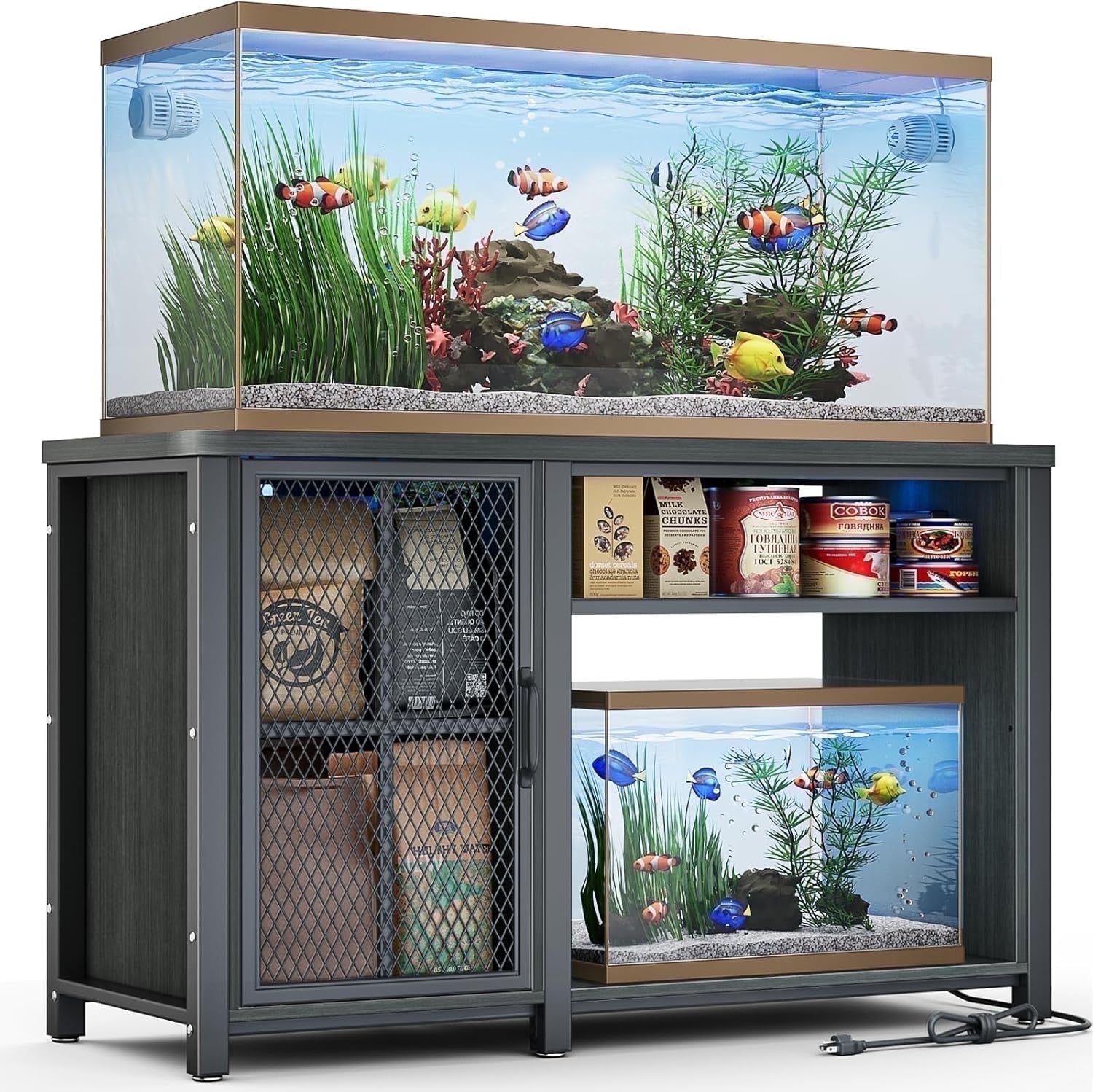
Think about storage options. Cabinets with doors or shelves help hide supplies. Some have open spaces for easy access.
- Match cabinet color and style to your room
- Choose storage options you need
- Pick designs that allow easy tank maintenance
Credit: www.walmart.com
Preparing The Cabinet
Preparing the cabinet is important for a photography aquarium tank. The cabinet holds the tank and gear. It must be safe and sturdy.
This guide covers key steps to prepare your aquarium cabinet. You will learn about waterproofing, airflow, and cable management.
Waterproofing Techniques
Water can damage the cabinet if not sealed well. Use waterproof materials to protect the wood or MDF. Paint or seal the inside and outside.
Waterproofing stops moisture from causing mold or warping. It also keeps your cabinet looking good for a long time.
- Apply waterproof paint or sealant
- Use plastic liners inside the cabinet
- Seal all seams and joints carefully
- Consider using waterproof panels or boards
Ventilation And Airflow
Proper airflow prevents heat buildup from lights and equipment. Good ventilation keeps the tank environment stable.
Install vents or fans in the cabinet. This allows fresh air to enter and hot air to leave. Avoid blocking airflow with cables or objects.
- Place vents near the bottom and top of the cabinet
- Use quiet fans to help air move inside
- Keep vents clear from dust and debris
- Check airflow regularly for any blockages
Cable Management
Organizing cables keeps the cabinet neat and safe. It reduces the risk of damage or electric shorts. It also makes maintenance easier.
Use clips, ties, or channels to bundle cables together. Label each cable to know what it connects to. Avoid tight bends and tangles.
- Use cable clips or hooks inside the cabinet
- Bundle cables with Velcro straps or ties
- Label cables for easy identification
- Keep cables away from water sources
Lighting Setup
Proper lighting is essential for photographing aquarium tanks. It helps capture clear and vibrant images of aquatic life.
Understanding different lighting types and how to position them improves photo quality. You can also control light intensity to avoid glare and reflections.
Types Of Lighting
Choosing the right light type affects the colors and details in your photos. LED, fluorescent, and natural light are common options for aquarium photography.
- LED Lights:Energy-efficient and adjustable color temperature.
- Fluorescent Lights:Provide soft, even lighting but can cause color shifts.
- Natural Light:Offers true colors but varies with time and weather.
Positioning Lights For Photography
Proper light placement reduces reflections and shadows on the glass. Position lights at angles to highlight fish and plants without glare.
| Light Position | Effect |
| Side Lighting | Enhances texture and depth |
| Top Lighting | Brightens entire tank evenly |
| Back Lighting | Creates silhouette effects |
| Front Lighting | May cause reflections on glass |
Controlling Light Intensity
Light intensity affects photo sharpness and color balance. Too much light causes glare; too little hides details.
- Use dimmers to adjust brightness.
- Place diffusers to soften harsh light.
- Experiment with distance between light and tank.
- Turn off room lights to avoid mixed light sources.

Credit: www.walmart.com
Tank Placement And Stability
Placing your photography aquarium tank correctly is very important. A stable tank keeps the water and fish safe.
Good placement stops accidents and helps your tank look its best in photos. Let’s look at how to keep it steady.
Ensuring Level Support
Make sure the cabinet or surface under the tank is flat and even. An uneven base can cause stress on the glass.
Use a level tool to check if the support is balanced. Adjust the cabinet feet or add shims if needed.
- Check the surface with a bubble level
- Adjust legs or add small wedges to even it out
- Confirm the tank sits flat without rocking
Securing The Tank
Keep the tank from moving by placing it against a wall or in a corner. This helps prevent accidental bumps.
Use non-slip pads or rubber mats under the tank. These materials keep the tank from sliding on the cabinet.
- Place the tank close to a solid wall
- Use anti-slip pads under the tank base
- Avoid placing the tank on shaky furniture
Reducing Vibrations
Vibrations can stress fish and cause blurry photos. Find ways to lower vibrations near your tank.
Keep the tank away from loud machines and heavy foot traffic. Use soft padding to absorb small shakes.
- Place the tank away from speakers and appliances
- Use foam or rubber mats to absorb vibrations
- Limit movement around the tank during shoots
Background And Props
An aquarium cabinet for photography tanks helps create clear and attractive photos. Backgrounds and props set the scene and highlight the tank’s contents.
Choosing the right background and using props well makes your photos look professional and interesting.
Choosing Background Colors
Background colors should not distract from the tank’s main subjects. Use colors that make fish and plants stand out.
Soft and neutral colors work well. Avoid very bright or very dark backgrounds that hide details.
- Light blue or pale green mimic water and nature
- White backgrounds create a clean look
- Black backgrounds highlight bright colors
- Gray backgrounds reduce glare and reflections
Using Decorative Elements
Props add interest and depth to aquarium photos. Use natural items like rocks, driftwood, or plants.
Keep props simple to avoid taking attention from fish or other subjects inside the tank.
- Small stones or pebbles create texture
- Artificial plants add color and shape
- Wood pieces bring a natural feel
- Avoid too many props to keep focus clear
Maintaining Cleanliness
Clean backgrounds and props make photos sharp and clear. Dirt or algae can blur details and reduce quality.
Regularly clean the tank glass and props before taking photos. Use soft cloths and gentle cleaners safe for fish.
- Wipe glass inside and outside carefully
- Rinse props to remove algae and dust
- Check water clarity for best visibility
- Keep background surfaces free of spots
Camera Setup Tips
Setting up your camera for aquarium photography can be a challenge, but with the right tips, you can capture stunning images of your aquatic friends. In this article, we’ll cover the essential camera setup tips to help you take your aquarium photography to the next level.
Optimal Angles And Distances
The angle and distance from the camera to the aquarium are crucial in capturing the best possible image. A low angle, typically around 30-40 degrees, can create a sense of depth and make the aquarium appear larger.
- Experiment with different angles to find the one that works best for your tank’s design
- Avoid direct sunlight, which can create harsh shadows and distort the image
- Consider using a fisheye lens or a wide-angle lens to capture the entire tank
Using Tripods And Mounts
A tripod is essential for maintaining a stable camera position and avoiding camera shake. You can also use a camera mount specifically designed for aquarium photography to ensure precise control over the camera’s movement.
When using a tripod, make sure to level it properly to avoid any tilt or wobble. You can also use a remote shutter release or the camera’s self-timer to minimize camera shake.
Lens And Settings Selection
The choice of lens and camera settings will greatly impact the quality of your images. A good starting point is to use a macro lens or a close-up lens to capture the intricate details of the fish and other aquarium inhabitants.
- Use a macro lens or a close-up lens to capture detailed images of fish and other aquarium inhabitants
- Adjust the camera’s white balance to match the lighting conditions in the aquarium
- Experiment with different aperture settings to achieve the desired depth of field
Maintenance And Safety
Maintaining an aquarium cabinet for photography tanks requires attention to both safety and cleanliness. Regular upkeep ensures the longevity of the equipment and the well-being of the aquatic life.
Regular Cleaning Routines
Cleaning the aquarium cabinet regularly helps prevent the buildup of algae and bacteria. This maintains water quality and keeps the equipment in good working condition.
- Daily: Remove any debris or food particles from the tank and surrounding area.
- Weekly: Perform a partial water change (about 10-15%) to maintain water quality.
- Monthly: Clean the filter and other equipment according to the manufacturer’s instructions.
Handling Electrical Components
When handling electrical components, ensure your safety by following these guidelines. Avoid touching electrical parts with wet hands or while standing on a wet surface.
Preventing Water Damage
Preventing water damage is crucial when working with aquariums. Take precautions to avoid spills and leaks, and have a plan in place for emergency situations.
Regularly inspect the aquarium cabinet and its connections for any signs of wear or damage. Address any issues promptly to prevent water damage.

Credit: www.walmart.com
Frequently Asked Questions
What Is An Aquarium Cabinet For Photography Tanks?
An aquarium cabinet is a sturdy stand designed to hold photography tanks securely. It provides stability, storage space, and enhances tank aesthetics. These cabinets help photographers capture clear, steady underwater images by reducing vibrations and keeping equipment organized.
How Does An Aquarium Cabinet Improve Tank Photography?
Aquarium cabinets offer a stable base, minimizing tank movement and vibrations. They often include storage for photography gear and lighting. This setup creates a controlled environment, making it easier to capture sharp, professional-quality photos of aquatic life.
What Materials Are Best For Aquarium Cabinets?
High-quality aquarium cabinets are made from water-resistant materials like sealed wood, metal, or PVC. These materials prevent damage from moisture and support the tank’s weight safely. Durable finishes also ensure long-lasting performance and easy maintenance for photography setups.
Can Aquarium Cabinets Fit Custom Photography Tanks?
Yes, many aquarium cabinets can be customized to fit unique tank sizes. Custom cabinets ensure proper support and accessibility for photography tanks. They can be tailored to include additional features like lighting mounts or storage compartments.
Conclusion
Choosing the right aquarium cabinet helps keep your photography tank stable. It holds the tank safely and hides equipment neatly. A good cabinet also improves the tank’s look in your photos. It makes cleaning and maintenance easier for you. Simple design and sturdy build matter most.
Think about space and storage needs before buying. A well-chosen cabinet supports your hobby and keeps your tank beautiful. Small details can make a big difference in photography. Invest time in picking the best cabinet for your tank. Your photos will thank you.