
Keeping your aquarium clean and healthy takes effort—and having the right tools at hand makes all the difference. But where do you store those nets, scrapers, and water testing kits so they’re easy to find when you need them?
An aquarium cabinet designed specifically for maintenance tools can save you time and frustration. You’ll discover how the right cabinet helps you stay organized, protects your equipment, and makes your aquarium care routine smoother than ever. Ready to transform your maintenance setup?
Let’s dive in.

Credit: woodartsupply.com
Choosing The Right Cabinet
Keeping your aquarium tools organized is important. A good cabinet helps store all items safely.
Choosing the right cabinet makes maintenance easier and keeps your space neat.
Material Options
Cabinets come in different materials. Choose one that lasts and resists water damage.
Wood is popular but may warp if wet. Plastic and metal resist moisture well.
- Wood: strong but needs sealing
- Plastic: waterproof and light
- Metal: durable but can rust
Size And Capacity
Pick a cabinet size that fits your tools and space. Too small means no room.
Consider the height, width, and depth. Check how many shelves or compartments you need.
- Small cabinets for fewer tools
- Larger ones hold many items
- Adjustable shelves add flexibility
Style And Design
Cabinet style should match your room decor. A good design looks neat and fits well.
Choose between open shelves or closed doors. Closed doors hide clutter and protect tools.
- Modern styles with clean lines
- Classic wood designs for warmth
- Doors or drawers for organized storage
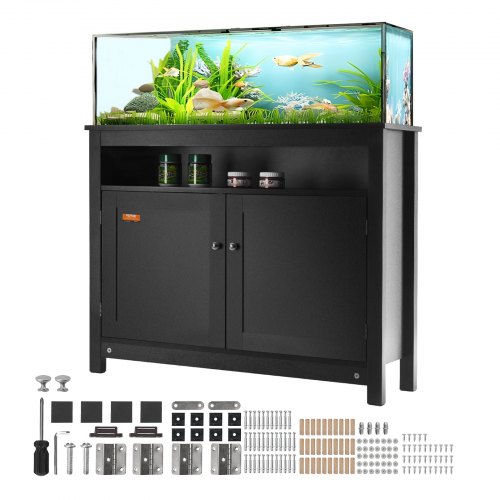
Credit: www.vevor.ca
Essential Features To Look For
An aquarium cabinet keeps your maintenance tools organized. It also protects your equipment from water and dust. Choosing the right cabinet helps you work efficiently and safely.
Look for key features that improve durability and usability. These features make a big difference in daily maintenance tasks.
Waterproof And Rustproof Materials
Materials that resist water and rust ensure your cabinet lasts longer. They protect your tools from damage caused by moisture and spills. Common materials include stainless steel, treated wood, and plastic.
- Stainless steel resists rust and is easy to clean.
- Treated wood prevents water absorption and warping.
- Plastic cabinets are lightweight and fully waterproof.
Adjustable Shelves And Compartments
Adjustable shelves let you customize storage space. You can fit large or small tools by moving shelves up or down. Compartments keep small items separate and easy to find.
| Feature | Benefit |
| Adjustable Shelves | Fits tools of different sizes |
| Compartments | Keeps small items organized |
| Removable Dividers | Allows flexible storage layout |
Locking Mechanisms
Locking mechanisms protect your tools from theft or accidental spills. They keep the cabinet securely closed during transport or when not in use.
- Key locks for secure access
- Combination locks for easy code entry
- Magnetic locks for quick opening
Organizing Maintenance Tools
Keeping your aquarium maintenance tools organized saves time and effort. A tidy cabinet helps you find tools quickly and keeps the workspace clean.
Good organization prevents damage to tools and keeps everything ready for use. Use simple ways to arrange your tools inside the cabinet.
Tool Holders And Hooks
Tool holders and hooks keep your equipment visible and easy to reach. They help you hang items like nets, scrapers, and scissors.
Use strong hooks or holders that fit the size of your tools. Place them at eye level for quick access during maintenance.
- Install hooks inside cabinet doors
- Use magnetic strips for metal tools
- Hang tools by handles to avoid damage
Drawer Dividers
Drawer dividers separate small tools and parts. This stops items from mixing or getting lost in clutter.
Choose adjustable dividers to fit different tool sizes. Label each section to keep things neat and easy to find.
- Sort small tools like tweezers and brushes
- Separate spare parts like tubing or seals
- Keep cleaning cloths and gloves in their own space
Labeling Systems
Labels help you know where each tool belongs. They save time by reducing guesswork when putting tools away.
Use clear labels or color codes on drawers, shelves, or containers. This system keeps your cabinet organized and tools easy to find.
- Label drawers with tool names or categories
- Use waterproof labels for durability
- Color code tools by use or size

Credit: www.vevor.ca
Maximizing Space Efficiency
Keeping aquarium maintenance tools organized saves time and effort. A well-arranged cabinet helps you find tools fast. It also keeps the area tidy and safe.
Use smart storage ideas to make the most of your cabinet space. This guide shares simple ways to fit more tools neatly.
Vertical Storage Ideas
Use the cabinet’s height by adding vertical racks or hooks. Hang tools like nets, scissors, and brushes on the walls. This frees up shelf space and keeps tools visible.
- Install pegboards for hooks and holders
- Use magnetic strips for metal tools
- Add tiered shelves to hold bottles and containers
- Hang small baskets for loose items
Stackable Containers
Stackable containers keep small items sorted and save space. Use clear containers to spot contents easily. Label each container for quick access.
| Container Type | Best Use | Material |
| Plastic Boxes | Small tools, spare parts | Durable, clear |
| Drawer Units | Organizing by category | Stackable, lightweight |
| Stacking Bins | Bulk items like food or chemicals | Opaque or clear |
Multi-purpose Compartments
Use compartments that serve more than one purpose. Compartments with adjustable dividers let you change space size. Some compartments can hold tools and small tanks.
- Compartments with adjustable shelves
- Built-in holders for tools and bottles
- Slots for hanging small nets or brushes
- Drawers that double as trays for work
Diy Cabinet Customization
Customizing your aquarium cabinet can improve maintenance and storage. You can add features that make your work easier and keep tools organized.
This guide covers adding lighting, installing power outlets, and applying custom paint and finishes. Each step helps make your cabinet more functional and attractive.
Adding Lighting
Good lighting inside the cabinet helps you find tools quickly. LED strip lights are a popular choice for DIY projects. They use little power and are easy to install.
- Measure the inside length of the cabinet
- Choose LED strips with adhesive backing
- Place lights along the top or sides
- Connect to a switch for easy control
- Hide wires with cable clips or channels
Installing Power Outlets
Power outlets inside the cabinet let you plug in maintenance tools. This setup reduces tangled cords and keeps devices close at hand.
| Tool | Power Needs | Outlet Location |
| Water Pump | Low | Bottom Shelf |
| Air Pump | Low | Side Wall |
| UV Sterilizer | Medium | Back Panel |
| Heater | High | Near Power Strip |
Custom Paint And Finishes
Painting your cabinet adds style and protects the wood. Choose paints that resist moisture and are easy to clean.
Here are some paint types and finishes to consider:
- Latex Paint:Water-based, easy to apply, good for indoor use.
- Oil-Based Paint:Durable and smooth finish, but takes longer to dry.
- Polyurethane Finish:Adds a clear protective coat over paint.
- Chalk Paint:Offers a matte, vintage look and can be distressed.
Maintenance And Care Tips
Keeping your aquarium cabinet organized is important. It helps you find tools quickly. Regular maintenance ensures your cabinet lasts longer.
Here are some tips for maintaining your aquarium cabinet. Follow these steps to keep it clean and in good condition.
Cleaning The Cabinet
A clean cabinet protects your tools from dirt. Wipe the cabinet with a damp cloth. Use mild soap if needed.
Do not use harsh chemicals. They can damage the cabinet surface. Dry the cabinet with a soft towel.
- Remove all tools before cleaning
- Check for spills or leaks regularly
- Organize tools after cleaning
Preventing Mold And Mildew
Mold and mildew can harm your cabinet. Keep the cabinet dry to prevent them. Use a dehumidifier if needed.
Ensure good ventilation around the cabinet. Check for moisture or damp spots often.
- Keep doors open occasionally for air flow
- Avoid storing wet items inside
- Check for leaks in the aquarium
Regular Inspection
Inspect your cabinet regularly. Look for signs of wear or damage. Tighten any loose screws.
Check the cabinet’s structure for stability. Ensure it can support the weight of your tools.
- Inspect hinges and handles
- Look for scratches or dents
- Ensure shelves are secure
Top Brands And Models
Aquarium cabinets for maintenance tools are essential for organization. They help keep your aquarium space tidy.
Let’s explore top brands and models. Discover budget-friendly options and premium cabinets.
Budget-friendly Options
These cabinets offer great value. They are affordable and functional.
- Brand A – Basic Model
- Brand B – Eco-Friendly Design
- Brand C – Compact and Affordable
Premium Cabinets
Premium cabinets offer superior quality. They are made from top materials.
| Brand | Model | Features |
| Brand X | Luxury Model | Spacious, Durable |
| Brand Y | Elite Series | Stylish, Sturdy |
| Brand Z | Pro Edition | Customizable, High-End |
User Reviews And Ratings
Users share experiences with these cabinets. Ratings help you choose the best fit.
“The Brand A model is perfect for small spaces. Highly recommend!”
“Brand X cabinets are worth every penny. Excellent quality!”
Frequently Asked Questions
What Is An Aquarium Cabinet For Maintenance Tools?
An aquarium cabinet stores and organizes aquarium maintenance tools. It keeps tools safe, accessible, and reduces clutter around the tank. It helps maintain a neat and efficient workspace for aquarium care.
Why Choose A Dedicated Cabinet For Aquarium Tools?
A dedicated cabinet protects tools from moisture and damage. It simplifies tool access during cleaning or repairs. This improves maintenance efficiency and prolongs tool lifespan.
What Features To Look For In An Aquarium Cabinet?
Look for waterproof, durable materials and adjustable shelves. Ventilation and lockable doors add security and safety. Proper size ensures enough space for all maintenance tools.
How Does An Aquarium Cabinet Improve Maintenance Routines?
It centralizes all tools in one place, saving time. Organized storage reduces tool loss and damage. This leads to smoother, faster aquarium cleaning and upkeep.
Conclusion
An aquarium cabinet keeps your maintenance tools organized and easy to find. It saves space and protects your equipment from dust and damage. Having a dedicated cabinet helps you stay ready for any tank cleaning or repair. This small addition makes aquarium care simpler and less stressful.
Choose a cabinet that fits your space and holds all your tools well. A neat setup means happier fish and a cleaner tank. Simple, smart storage helps you enjoy your aquarium more every day.