
Are you struggling to create the perfect environment for your young fish to thrive? An aquarium cabinet designed specifically for juvenile fish growth can make all the difference.
Imagine giving your little swimmers the space, safety, and conditions they need to grow strong and healthy. You’ll discover how the right aquarium cabinet can boost your fish’s development and keep your tank looking neat and organized. Keep reading to unlock tips that will transform your fish-keeping experience and help your aquatic pets flourish like never before.
Choosing The Right Cabinet
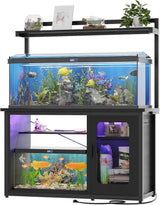
Selecting a proper aquarium cabinet helps juvenile fish grow well. The cabinet supports the tank and stores supplies safely.
Consider materials, size, and design features to create the best environment for young fish.
Material Options
Choose cabinet materials that resist moisture and are strong enough to hold the aquarium. Wood, metal, and plastic are common choices.
- Wood:Offers good strength and looks natural but needs waterproof coating.
- Metal:Very durable but may rust if not treated properly.
- Plastic:Lightweight and moisture-resistant but less sturdy for large tanks.
Size And Space Considerations
Pick a cabinet size that fits your aquarium and the room space well. It should hold the tank safely and allow easy access for maintenance.
| Aspect | Recommended Size | Reason |
| Width | Equal to aquarium length | Supports tank evenly |
| Depth | Matches tank width | Prevents tipping |
| Height | Comfortable for viewing and maintenance | Easy fish care |
Design Features For Juvenile Fish
The cabinet should have features that help keep juvenile fish safe and healthy. Ventilation, storage, and sturdy construction matter.
- Good ventilation to prevent moisture build-up
- Storage space for food and cleaning tools
- Strong shelves to hold heavy tanks
- Water-resistant finishes to protect the cabinet

Credit: www.amazon.com
Setting Up The Aquarium Cabinet
Setting up an aquarium cabinet for juvenile fish growth needs careful planning. The cabinet supports the tank and keeps the environment safe.
This guide covers key points to help your young fish grow healthy and strong.
Placement And Stability
Place the aquarium cabinet on a flat, sturdy surface. Avoid areas near windows or vents to keep the temperature steady.
Make sure the cabinet can hold the tank’s full weight when filled with water. Stability prevents accidents and stress for the fish.
- Use a level to check the surface
- Keep the cabinet away from direct sunlight
- Avoid placing near doors or high traffic areas
- Check the cabinet’s weight limit before setup
Water Filtration Systems
Good water filtration keeps the tank clean and healthy for juvenile fish. Choose a filter that fits your tank size and fish needs.
Filters remove waste and harmful chemicals. Change filter parts regularly to keep water quality high.
- Use mechanical filters to trap debris
- Biological filters support beneficial bacteria
- Chemical filters remove toxins
- Clean or replace filter media as recommended
Lighting And Temperature Control
Proper lighting helps young fish grow and stay active. Use soft lights that mimic natural daylight.
Keep the water temperature stable using a heater or cooler. Juvenile fish need steady warmth to develop well.
- Use LED lights with a timer for consistency
- Set temperature according to fish species needs
- Check temperature daily with a reliable thermometer
- Avoid sudden temperature changes to reduce stress
Creating A Healthy Environment
Juvenile fish need a clean and safe space to grow. A healthy aquarium cabinet helps fish stay strong and active. Proper care of water, substrate, and plants improves their life.
Setting up the right conditions in the cabinet protects the young fish from stress and disease. Each part of the environment plays a role in their growth.
Water Quality Management
Good water quality is key for juvenile fish health. Test water regularly to check pH, ammonia, nitrite, and nitrate levels. Keep these in safe ranges to avoid harm.
- Change 20% of the water weekly
- Use a reliable water filter
- Remove leftover food and waste daily
- Keep water temperature steady
- Use dechlorinator when adding tap water
Substrate And Decoration
Choose a soft substrate to protect fish from injury. Sand or smooth gravel works well. Avoid sharp stones or rough decorations that can hurt them.
| Substrate Type | Benefit |
| Fine Sand | Safe for delicate fish and easy to clean |
| Smooth Gravel | Good for anchoring plants and hiding waste |
| Aquarium-safe Decorations | Provide hiding spots and reduce stress |
Plant Selection For Juvenile Fish
Live plants help keep water clean and offer shelter. Choose hardy plants that grow well in low light and do not harm young fish.
Recommended plants include:
- Anubias – slow-growing and tough leaves
- Java Fern – attaches to rocks and wood
- Hornwort – floats and absorbs excess nutrients
Feeding And Nutrition
Young fish need proper food to grow strong and healthy. Feeding them the right way helps them develop well in an aquarium cabinet. Nutrition supports their immune system and activity.
Careful feeding and good nutrition keep juvenile fish active. It also reduces stress and diseases in young fish tanks. Let’s explore what to feed and how often.
Best Foods For Young Fish
Juvenile fish need foods rich in protein and easy to digest. These foods help build muscle and support fast growth. Small-sized food fits their tiny mouths well.
- Crushed flakes designed for young fish
- Baby brine shrimp, live or frozen
- Microworms and daphnia
- High-quality pellet food made for juveniles
- Vegetable matter like blanched spinach or peas
Feeding Schedules
Regular feeding times help young fish grow steadily. Overfeeding can pollute water and harm fish health. Feed small amounts several times a day.
| Time | Feeding Amount | Notes |
| Morning | Small pinch | Feed quickly to avoid leftovers |
| Afternoon | Small pinch | Watch fish eat all food |
| Evening | Small pinch | Remove uneaten food after 5 minutes |
Supplements And Vitamins
Supplements help fill gaps in fish diets. Vitamins boost immunity and color. Use supplements designed for aquarium fish only.
Common supplements include:
- Vitamin C to prevent stress and disease
- Fatty acids for healthy skin and scales
- Minerals like calcium for bone strength
Monitoring Fish Growth
Watching juvenile fish grow helps keep them healthy. Careful monitoring lets you see changes in size and behavior.
Using an aquarium cabinet designed for growth makes tracking easier. It creates a safe, controlled space for young fish.
Tracking Development Stages
Fish grow through clear stages from fry to adult. Each stage shows changes in size, color, and activity.
- Measure fish length weekly to note growth rates.
- Record color changes as fish mature.
- Observe behavior shifts like feeding and swimming patterns.
- Keep a growth log to compare data over time.
Identifying Health Issues Early
Early signs of illness are easier to spot with close observation. Look for changes in appetite and movement.
| Symptom | Possible Cause | Action |
| Cloudy eyes | Poor water quality | Change water, check filter |
| White spots | Ich parasite | Use medication, isolate fish |
| Slow swimming | Stress or disease | Test water, reduce disturbances |
| Loss of appetite | Infection or poor diet | Adjust feeding, consult vet |
Adjusting Care As Fish Mature
Fish needs change during growth. Adjust food type and tank conditions to fit their size and activity.
Key care adjustments include:
- Switching from baby food to pellets or flakes.
- Increasing tank space as fish grow larger.
- Changing water temperature for adult comfort.
- Adding hiding spots to reduce stress.
Maintenance Tips
Keeping an aquarium cabinet in top shape is key for juvenile fish growth. Regular maintenance ensures a healthy environment for your fish.
Let’s explore some essential tips to maintain your aquarium cabinet effectively.
Regular Cleaning Routines
Regular cleaning prevents algae buildup and keeps the environment fresh for fish. A clean tank promotes fish health and growth.
- Wipe glass surfaces with a clean sponge weekly
- Remove uneaten food daily to prevent decay
- Scrub decorations to remove algae every month
Water Changes And Testing
Changing water regularly maintains water quality. Testing helps in keeping the right pH and ammonia levels.
| Activity | Frequency |
| Water Change | Every 2 weeks |
| pH Testing | Weekly |
| Ammonia Testing | Weekly |
Cabinet Upkeep And Repairs
The cabinet supports your aquarium’s weight. Regular checks can prevent accidents and prolong its lifespan.
Inspect hinges and latches to ensure they are secure. Tighten any loose screws and replace worn-out parts promptly.
Common Challenges
Aquarium cabinets for juvenile fish need special care. Young fish face many challenges as they grow.
Understanding these challenges helps keep your fish healthy and happy. Here are some common issues to watch for.
Dealing With Disease
Juvenile fish are more likely to get sick. Their immune systems are not fully developed.
Clean water is key to preventing disease. Regularly check the water for harmful bacteria.
- Monitor water quality daily
- Change water regularly
- Quarantine new fish before adding them
Managing Aggression
Some juvenile fish can be aggressive. This behavior can harm other fish in the tank.
Provide enough space and hiding spots. This helps reduce fighting and stress.
- Add plants and rocks for hiding
- Ensure enough space for each fish
- Observe fish behavior regularly
Preventing Stress In Juvenile Fish
Stress can weaken fish health. It often leads to diseases and poor growth.
Keep the environment stable. Avoid sudden changes in temperature and light.
- Maintain consistent water temperature
- Use a timer for aquarium lights
- Limit loud noises near the tank
Credit: www.unikito.com

Credit: www.ebay.com
Frequently Asked Questions
What Is The Best Aquarium Cabinet For Juvenile Fish?
The best aquarium cabinet for juvenile fish is sturdy and water-resistant. It offers ample storage for food and equipment. It also maintains stable water conditions crucial for young fish growth.
How Does An Aquarium Cabinet Aid Juvenile Fish Growth?
An aquarium cabinet keeps the tank secure and reduces stress. It helps maintain consistent temperature and water quality. This stable environment promotes healthy growth in juvenile fish.
What Materials Are Ideal For Juvenile Fish Aquarium Cabinets?
Water-resistant woods like teak or treated plywood are ideal. Metal cabinets with rust-proof coating also work well. These materials resist moisture, ensuring durability and safety for juvenile fish.
How Much Space Should An Aquarium Cabinet Provide?
The cabinet should offer enough space for tank size and accessories. It must allow easy access for maintenance. Proper space ensures a clean and stable environment for juvenile fish.
Conclusion
Choosing the right aquarium cabinet helps young fish grow strong. It keeps the tank stable and safe. Good cabinets also hide wires and filters neatly. This creates a calm space for fish to swim. Proper support prevents accidents and water spills.
A well-organized setup makes care easier and faster. Healthy fish need a secure, clean environment. A good cabinet is part of that care. Small steps like this lead to happy, growing fish. Simple choices matter for your juvenile fish’s health.