
If you have an aquarium, you know how quickly equipment can take over your space. Tubes, filters, food containers, and cleaning tools often clutter the area around your tank, making it hard to keep things neat and accessible.
Imagine having one smart spot where all your gear fits perfectly—easy to reach but out of sight. An aquarium cabinet for equipment storage can do just that for you. It not only keeps your space tidy but also helps protect your gear and makes maintenance easier.
Ready to discover how the right cabinet can transform your aquarium setup? Keep reading to find out what to look for and how to choose the best option for your needs.
Choosing The Right Cabinet
Choosing the right aquarium cabinet is important for storing your equipment safely. The cabinet should fit your space and support the tank’s weight.
Think about the materials, size, and design before buying. These factors affect durability, appearance, and function.
Material Options
Cabinets come in different materials. Each type has its strengths and weaknesses for aquarium use.
- Wood:Strong and looks good but can be damaged by moisture.
- Metal:Very sturdy but may rust if not treated properly.
- Plastic:Lightweight and water-resistant but less durable.
- MDF:Affordable and smooth but weak with water exposure.
Size And Dimensions
Size matters to hold your equipment and fit the space. Measure your tank and the room carefully.
| Cabinet Size | Recommended Use | Notes |
| Small (Under 24″) | For nano tanks and small setups | Limited storage space |
| Medium (24″ to 48″) | Standard tanks and moderate equipment | Good balance of space |
| Large (Over 48″) | Big tanks and multiple devices | More storage and stability |
Design Styles
Cabinet design affects how it fits your room and stores gear. Pick a style that matches your decor and needs.
Common design styles include:
- Modern: Clean lines, simple shapes, and neutral colors.
- Traditional: Classic wood finishes and detailed trims.
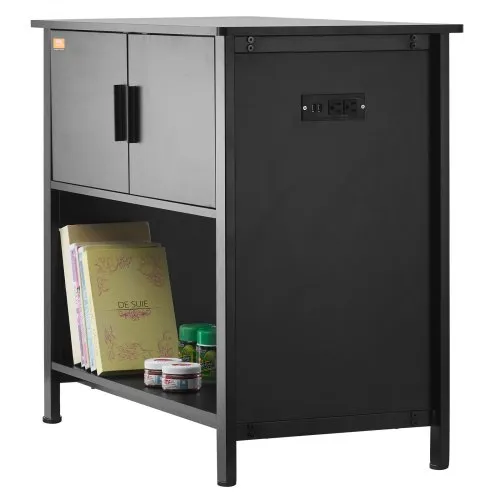
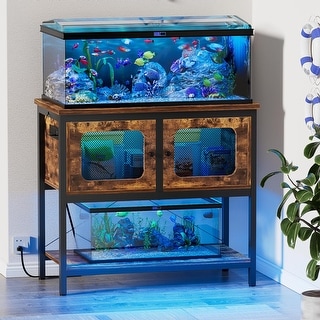
- Industrial: Metal frames and raw wood surfaces.
- Custom: Tailored designs to fit unique spaces.
Credit: www.vevor.com
Maximizing Storage Space
An aquarium cabinet helps keep all your fish equipment neat and accessible. Using smart storage ideas lets you make the most of your space.
Good organization reduces clutter and protects your equipment. This guide shows ways to improve your cabinet’s storage.
Adjustable Shelves
Adjustable shelves allow you to change the height between levels. This flexibility fits different sized items easily.
- Store tall bottles and short containers efficiently
- Rearrange shelves as your equipment collection grows
- Keep tools and supplies within easy reach
Hidden Compartments
Hidden compartments offer extra storage without cluttering visible space. Use them to store small or valuable items.
- Drawers behind removable panels
- Secret boxes under shelves
- Sliding doors that hide storage bins
Vertical Storage Ideas
Use vertical space to store items like tubing, nets, and cleaning tools. This keeps surfaces free and organized.
| Vertical Storage Method | Best For |
| Wall-mounted hooks | Hanging nets, brushes, and small tools |
| Tall slim shelves | Storing bottles and containers upright |
| Stackable bins | Sorting small parts and accessories |
Organizing Aquarium Equipment
Keeping your aquarium cabinet tidy helps your fish tank run smoothly. Proper organization saves time and reduces stress during maintenance.
Use smart storage ideas to keep equipment safe and easy to access. This guide covers filter and pump placement, tubing and wiring, and tool storage.
Filter And Pump Placement
Place filters and pumps where they are easy to reach but do not block each other. Good placement helps with cleaning and prevents damage.
Keep pumps on a stable surface inside the cabinet. Filters should have enough space around them for air flow and water flow.
Tubing And Wiring Management
Organize tubing and wiring to avoid tangles and damage. Use clips or ties to keep hoses and cables neat and out of the way.
- Label each tube and wire for easy identification
- Bundle similar cables together with zip ties
- Route tubes to avoid sharp bends and kinks
- Keep electrical cords away from water sources
- Use cable clips or adhesive mounts inside the cabinet
Storing Maintenance Tools
Store tools like nets, brushes, and water testers in one place. Use containers or hooks inside the cabinet for quick access.
| Tool | Storage Method |
| Fish Net | Wall Hook |
| Water Test Kit | Plastic Box |
| Scrapers and Brushes | Small Basket |
| Spare Parts | Drawer or Bin |
| Cleaning Cloths | Folded on Shelf |
Improving Accessibility
Having easy access to your aquarium equipment makes maintenance faster. Good design helps you reach tools and supplies quickly.
This guide covers ways to improve accessibility using sliding doors, removable panels, and labeling systems.
Sliding Doors And Drawers
Sliding doors and drawers save space and allow smooth access to equipment. They let you open the cabinet without moving other items.
- Slide doors open sideways, avoiding extra room needed for swinging doors.
- Drawers pull out fully to reach all contents.
- Soft-close features reduce noise and wear.
- Handles or grooves make sliding easy even with wet hands.
Removable Panels
Removable panels give direct access to hidden parts inside the cabinet. They help you clean and repair equipment without moving everything.
| Panel Type | Purpose | Benefits |
| Magnetic | Quick removal | No tools needed, easy to replace |
| Screw-on | Secure fit | Strong hold, good for heavy panels |
| Sliding | Partial access | Stay attached but move aside |
Labeling Systems
Labels help you find equipment fast and keep things organized. Clear labels reduce mistakes and save time.
- Use waterproof labels to prevent damage from moisture.
- Place labels on drawers, doors, and shelves.
- Color-code labels for different types of equipment.
- Update labels regularly as you add or move items.
Ventilation And Moisture Control
Keeping your aquarium cabinet dry and well-ventilated is important. Good airflow stops moisture build-up. Moisture can damage equipment and wood.
Proper ventilation also helps keep equipment working well. It prevents overheating and mold growth inside the cabinet.
Vent Placement
Place vents near the top and bottom of the cabinet. This setup lets air flow naturally. Cool air comes in low, warm air escapes high.
- Install intake vents at the cabinet base
- Place exhaust vents near the top
- Keep vents clear of obstacles
- Use vent covers to keep out dust and pests
Moisture-resistant Materials
Use materials that handle humidity well. Avoid wood types that warp or rot easily. Choose boards with water-resistant coatings.
| Material | Benefit |
| Marine plywood | Resists water damage |
| MDF with laminate | Easy to clean and moisture-proof |
| Plastic panels | Non-absorbent and durable |
| Metal frames | Strong and rust-resistant if coated |
Dehumidifier Integration
Add a small dehumidifier inside the cabinet for extra moisture control. It keeps the air dry and reduces mold risk.
- Choose a compact model to fit inside the cabinet
- Place it near vents for better air circulation
- Empty the water reservoir regularly
- Use models with automatic shutoff for safety
Custom Cabinet Solutions
Aquarium cabinets are great for storing equipment. Custom cabinets fit your space and style. They keep your aquarium area neat and organized.
Custom solutions allow you to choose materials and design. You can match the cabinet with your room decor. It also provides optimal storage for all your aquarium needs.
Diy Builds
Building your own cabinet can be fun. It lets you personalize every detail. You can use wood or metal, depending on your preference.
DIY projects save money and give satisfaction. Measure your space carefully before starting. This ensures the cabinet fits perfectly.
- Choose materials that match your home
- Plan the layout for optimal storage
- Consider adding shelves for small items
Professional Customization
Professionals can create high-quality cabinets. They offer expert advice on design and materials. This ensures a durable and stylish product.
Custom services provide precise workmanship. You can request specific features like drawers and cabinets. This helps in organizing equipment efficiently.
- Consult with experts on design options
- Consider future needs when planning storage
- Request features like lighting for easy access
Budget-friendly Ideas
Creating a budget-friendly cabinet is possible. Use affordable materials like plywood. Recycle old furniture to save costs.
Paint or stain can enhance appearance. Simple designs are often cheaper. Focus on functionality to keep costs low.
- Use recycled materials for sustainability
- Choose simple designs to reduce costs
- Paint or stain for a polished look
Maintenance And Durability
Keeping your aquarium cabinet in top shape is essential. It ensures your equipment stays organized and lasts longer.
Proper care of your cabinet involves regular cleaning and preventing damage. Let’s explore how you can maintain its durability.
Cleaning Tips
Cleaning your aquarium cabinet helps prevent mold and mildew. It also keeps the cabinet looking new and fresh.
- Use a damp cloth for regular dusting
- Apply non-toxic cleaner for deep cleaning
- Wipe spills immediately to avoid stains
Wear And Tear Prevention
Avoiding wear and tear extends the life of your cabinet. It’s important to be gentle with doors and shelves.
| Action | Benefit |
| Lubricate hinges | Prevents squeaking and damage |
| Avoid overloading shelves | Reduces risk of breakage |
| Use coasters under equipment | Prevents scratches |
Long-term Care
Long-term care ensures your cabinet remains functional and attractive. Regular checks and adjustments are key.

Credit: www.ebay.com
Space-saving Tips Beyond Cabinets
Aquarium cabinets are great for storing equipment. Still, there are other ways to save space. These tips help keep your area neat.
Using different storage solutions makes your aquarium setup cleaner. You can fit more gear without cluttering the room.
Wall-mounted Storage
Wall-mounted storage keeps equipment off the floor. It uses vertical space that is often empty.
You can install shelves or racks to hold tools, filters, and supplies. This method frees up cabinet space.
- Install sturdy shelves near the aquarium
- Use hooks to hang cleaning tools
- Add small baskets for cords and tubes
Multi-functional Furniture
Furniture that serves more than one purpose saves room. You can find stands that also store equipment inside.
Look for benches or tables with hidden compartments. These pieces reduce the need for extra storage units.
- Choose a bench with storage under the seat
- Use side tables with drawers for small items
- Select furniture that matches your room style
Compact Equipment Choices
Smaller equipment saves space and looks tidy. Many brands offer compact versions of filters and heaters.
Using compact gear lets you fit more items in less space. It also makes cleaning easier.
- Pick slim filters for narrow spaces
- Use submersible heaters to save room
- Choose small air pumps with good power
Credit: www.bedbathandbeyond.com
Frequently Asked Questions
What Is An Aquarium Cabinet Used For?
An aquarium cabinet stores equipment like filters, pumps, and food. It keeps your tank area organized and clutter-free. Cabinets also protect equipment from dust and damage while improving aesthetic appeal in your aquarium setup.
How To Choose The Right Aquarium Cabinet?
Choose a cabinet that fits your aquarium size and equipment needs. Look for sturdy materials, moisture resistance, and adequate ventilation. Ensure it has enough storage space and matches your room decor for both function and style.
Can Aquarium Cabinets Support Heavy Tanks?
Yes, quality aquarium cabinets are designed to support heavy tanks. They use strong materials like solid wood or metal. Always check weight limits and manufacturer guidelines to ensure safety and stability for your aquarium setup.
How To Maintain An Aquarium Cabinet?
Clean the cabinet regularly with a damp cloth to remove dust. Avoid using harsh chemicals that can damage finishes or harm equipment. Check for moisture buildup and ensure good ventilation to prevent mold and wood warping.
Conclusion
An aquarium cabinet keeps your equipment neat and safe. It saves space and hides wires and tools. Easy access helps with quick cleaning and maintenance. Choose a cabinet that fits your tank size and style. Organizing your gear makes fish care simpler and more enjoyable.
A good cabinet protects your investment and keeps your room tidy. Simple storage solutions bring peace of mind every day.