
Are you tired of tangled cords and messy cables ruining the look of your aquarium setup? You’re not alone.
Managing all those wires can be frustrating and take away from the beauty of your tank. Imagine a simple solution that keeps everything neat, hidden, and easy to access whenever you need it. An aquarium cabinet designed specifically for cords and cables can transform your space, making your aquarium the stunning centerpiece you want it to be.
Keep reading to discover how you can organize your aquarium cords effortlessly and enjoy a cleaner, safer, and more attractive setup.
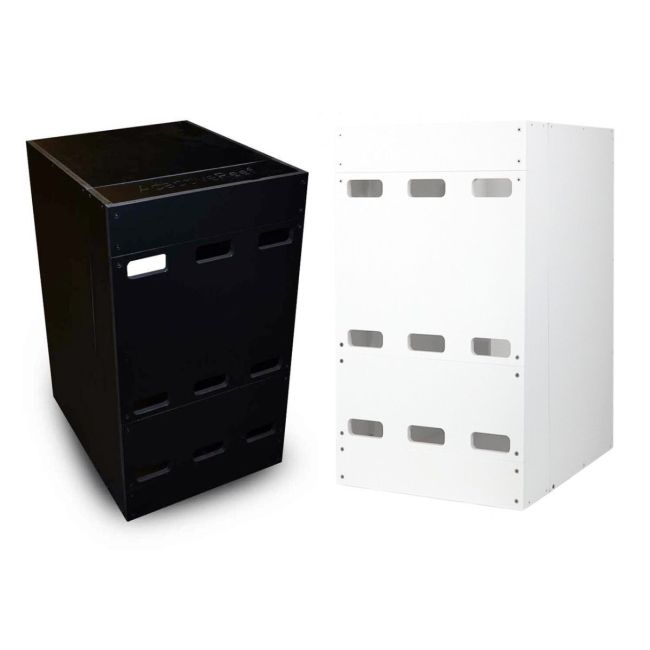
Credit: www.aquariumspecialty.com
Choosing The Right Cabinet
Organizing cords and cables for your aquarium keeps the area neat. Picking the right cabinet helps protect wires and devices safely. It also improves the look of your aquarium setup.
Consider material, size, and ventilation before buying a cabinet. These factors affect durability and function. Here is what to check for each aspect.
Material Options
Cabinets come in many materials. Wood, metal, and plastic are common choices. Wood looks nice but may absorb moisture. Metal is strong but can rust. Plastic is lightweight but may not hold heavy items well.
- Wood:Stylish, but watch for water damage.
- Metal:Durable, best if coated to prevent rust.
- Plastic:Easy to clean, lighter but less sturdy.
Size And Space Considerations
Measure your space carefully before choosing a cabinet. Make sure the cabinet fits well and leaves room for cords and devices. Consider the number of cables you have.
| Cabinet Size | Recommended Use | Notes |
| Small (under 24 inches) | Few cords, small aquariums | Limited storage space |
| Medium (24-36 inches) | Average setups with multiple devices | Good balance of size and storage |
| Large (over 36 inches) | Large aquariums, many cables | More room but takes space |
Ventilation Needs
Good airflow prevents heat buildup inside the cabinet. Heat can damage cords and devices. Look for cabinets with vents or space for fans.
Tips for ventilation:
- Choose cabinets with built-in vents.
- Leave some space between cables and cabinet walls.
- Use small fans if the cabinet gets warm.
- Avoid sealing the cabinet completely.
Organizing Cords And Cables
Keeping cords and cables neat in your aquarium cabinet helps prevent damage. It also makes maintenance easier and safer.
Proper organization reduces clutter and keeps everything accessible. This guide covers tools, labeling, and routing methods.
Cable Management Tools
Using the right tools keeps cords secure and untangled inside the cabinet. Choose tools that fit your space and needs.
- Cable ties to bundle cords together
- Cable clips to fix cables to surfaces
- Velcro straps for easy adjustment
- Wire sleeves to protect and group cables
- Adhesive cable organizers for corners and edges
Labeling Techniques
Labeling cords helps identify each cable quickly. This saves time during repairs or changes.
| Label Type | Usage |
| Printed labels | Clear text for each device |
| Color-coded tags | Match cable to device color |
| Write-on tape | Custom notes on cables |
| Reusable tags | Easy to update and move |
Routing Strategies
Plan cable paths to avoid tangles and interference. Keep power and data cables separate to reduce noise.
Here is a simple routing approach:
- Run cables along cabinet edges to keep them out of the way.
- Use cable clips to hold cables in place.
- Keep cables away from water and heat sources.
- Group similar cables for easy access.
Safety Measures
Keeping your aquarium cabinet safe is important. Cords and cables need special care to stop accidents.
Follow simple safety steps to protect your fish and home from electrical problems and water damage.
Waterproofing Tips
Water and electricity do not mix well. Keep cords dry by using waterproof covers on cables.
Seal any holes or gaps in the cabinet to stop water from leaking inside.
- Use silicone sealant around cable openings
- Place cables above water level
- Check for leaks regularly
- Use waterproof cable protectors
Avoiding Electrical Hazards
Keep cords away from water and damp areas to avoid shocks and fires.
Do not use damaged or frayed cables. Replace them immediately to stay safe.
- Inspect cables often for wear and tear
- Do not overload electrical outlets
- Use ground-fault circuit interrupter (GFCI) outlets
- Keep cords untangled and organized
Proper Power Strip Placement
Place power strips where they stay dry and easy to reach. Avoid placing them inside the cabinet.
Mount power strips on the wall near the aquarium to keep cords off the floor and away from water.
- Use power strips with surge protectors
- Keep power strips elevated and away from water
- Do not connect multiple power strips together
- Turn off power strips when not in use
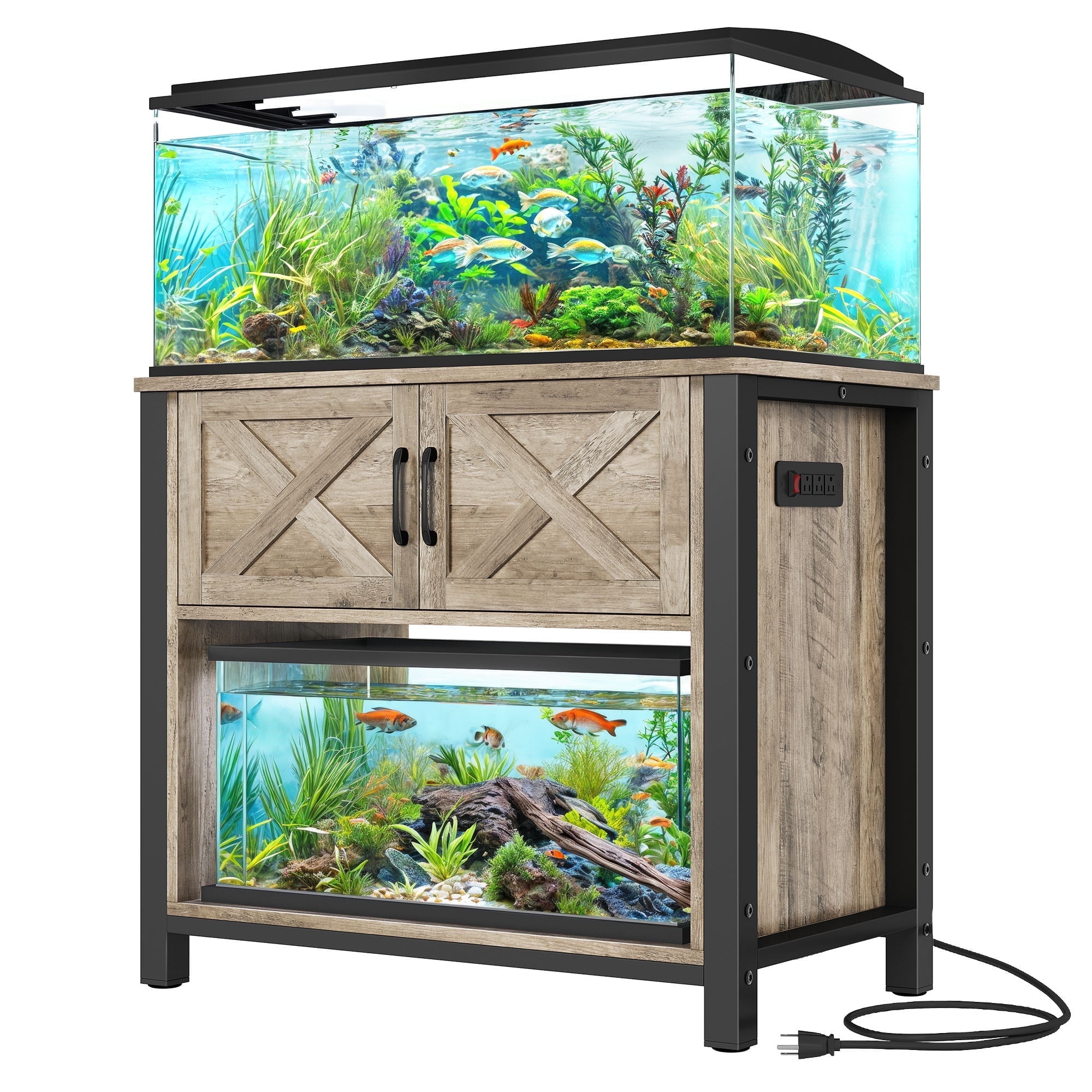
Credit: business.walmart.com
Maintenance Tips
Keeping your aquarium cabinet tidy helps prevent problems. Proper care of cords and cables keeps everything safe.
Follow simple steps to maintain your aquarium cabinet. These tips make cleaning and organizing easier.
Regular Cleaning
Dust and dirt build up around cables over time. Clean your aquarium cabinet regularly to avoid damage and keep cords visible.
- Unplug all devices before cleaning
- Use a dry cloth to wipe cables and cabinet surfaces
- Remove any debris or buildup from cable ties and holders
- Check for moisture and dry immediately
Inspecting For Wear And Tear
Look closely at each cord and cable for signs of damage. Early detection helps prevent electrical issues and failures.
| Issue | What to Look For | Action |
| Frayed Wires | Exposed or broken insulation | Replace the cable immediately |
| Loose Connections | Wiggly plugs or sockets | Secure or replace the connector |
| Discoloration | Burn marks or melted areas | Stop use and replace cable |
| Stiffness | Cables that do not bend easily | Check for internal damage or replace |
Updating Cable Layout
Organize cables to reduce clutter and improve airflow. A neat layout also makes maintenance faster and safer.
Try these tips for better cable management:
- Use cable ties to bundle related cords
- Label each cable with tags or markers
- Keep power cords separate from water-related equipment
- Route cables along the cabinet edges to avoid tangles
- Check and adjust layout every few months
Diy Cabinet Enhancements
Enhancing your aquarium cabinet for cords and cables can be a fun project. With some simple DIY techniques, you can keep your space tidy and functional.
Let’s explore some useful enhancements like adding cable holes, installing lighting, and creating custom shelving.
Adding Cable Holes
Cable holes help organize and hide wires. Drill holes in the back panel of your cabinet. This keeps cords out of sight and prevents tangling.
Use a hole saw attachment on a drill for clean cuts. Ensure holes are big enough for all cables.
- Mark the spots for holes on the back panel
- Drill slowly to avoid splinters
- Sand edges for a smooth finish
Installing Lighting
Lighting adds beauty to your aquarium display. Install LED strips inside the cabinet. This makes it easy to see and manage cords.
Choose waterproof lights for safety. Stick the lights using adhesive strips or clips.
- Measure the area for light placement
- Cut LED strips to the needed length
- Connect to a power source securely
Custom Shelving Ideas
Custom shelves can maximize space in your cabinet. Use adjustable shelves to fit various equipment sizes. This keeps everything organized and within reach.
Consider using materials like plywood or metal for durability. Shelves can be painted to match your cabinet’s color.
- Measure the space for precise shelf fitting
- Cut materials to desired dimensions
- Install brackets for shelf support
Popular Products And Accessories
Aquarium cabinets help keep cords and cables neat and safe. Organizing cables prevents damage and makes maintenance easier. Many products fit different aquarium sizes and needs.
Choosing the right accessories improves the aquarium setup. Look for cable organizers, power strips, and waterproof cabinets. These items protect equipment and reduce clutter.
Top Cable Organizers
Cable organizers keep wires tidy and prevent tangles. They come in clips, sleeves, and boxes. Some attach to the cabinet for easy access.
- Cable clips hold cords along cabinet edges
- Velcro straps bundle cables neatly
- Sleeves group multiple wires together
- Cable boxes hide power strips and excess cords
Recommended Power Strips
Power strips provide safe power for aquarium devices. Choose strips with surge protection and multiple outlets. Some have USB ports for extra convenience.
- Surge protectors guard against power spikes
- Smart power strips allow timed device control
- Compact strips fit inside or behind cabinets
- Water-resistant models add extra safety
Best Waterproof Cabinets
Waterproof cabinets protect cords from moisture and spills. They are made from plastic or sealed wood. These cabinets extend the life of cables and devices.
- Plastic cabinets are lightweight and easy to clean
- Sealed wood cabinets offer sturdy protection
- Lockable models keep cables secure
- Ventilated designs prevent overheating
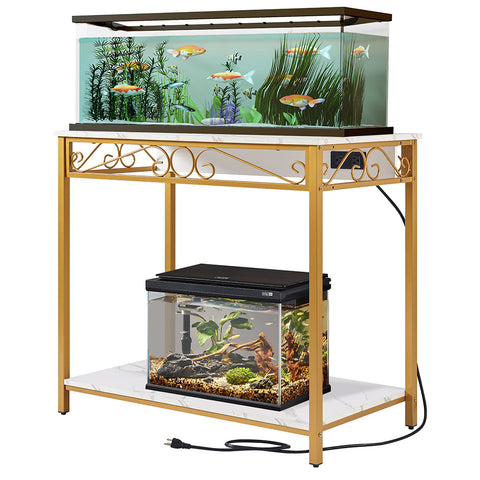
Credit: www.unipawspro.com
Frequently Asked Questions
What Is The Best Aquarium Cabinet For Hiding Cords?
The best aquarium cabinet offers built-in compartments for cords and cables. It keeps wires organized and hidden, reducing clutter and improving safety. Look for cabinets with cable management features and ventilation to prevent overheating of electrical components.
How To Organize Aquarium Cords And Cables Efficiently?
Use cable clips, ties, and sleeves inside the cabinet to bundle cords neatly. Label each wire for easy identification. Route cables through designated holes or channels to avoid tangling and ensure quick access during maintenance.
Can Aquarium Cabinets Prevent Electrical Hazards From Cords?
Yes, well-designed aquarium cabinets reduce electrical risks by keeping cords off wet surfaces. They provide secure storage and proper ventilation, minimizing chances of short circuits and water damage. Always ensure cables are intact and use waterproof connectors if possible.
Are Custom Aquarium Cabinets Better For Cord Management?
Custom cabinets can offer tailored solutions for cord and cable organization. They fit specific tank sizes and equipment needs, providing dedicated spaces for cords. However, well-designed standard cabinets often include effective cable management features too.
Conclusion
A tidy aquarium cabinet keeps cords and cables out of sight. It helps prevent tangles and makes cleaning easier. A neat setup also protects your equipment from damage. Choosing the right cabinet adds style and function to your space. Small changes create a big difference in aquarium care.
Enjoy a safer, cleaner, and more organized tank area every day. Simple solutions bring peace of mind and beauty together.