
Are you struggling to find the perfect place to keep your CO2 system safe and organized? An aquarium cabinet designed specifically for CO2 setups can make a huge difference in your fish tank’s health and your own peace of mind.
Imagine having everything neatly stored, easy to access, and out of sight—no more tangled tubes or cluttered spaces. You’ll discover why the right cabinet is essential for your CO2 system and how it can improve both your aquarium’s performance and your daily maintenance routine.
Keep reading to find the best options and tips that will transform your aquarium experience.
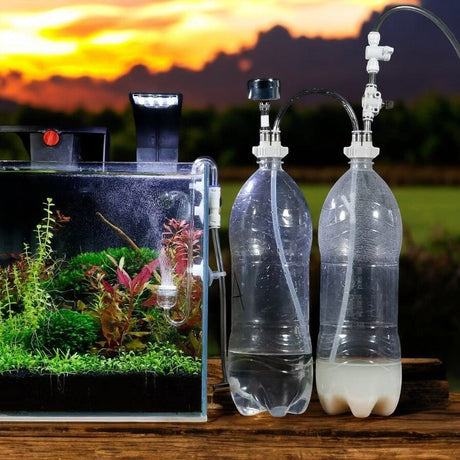
Credit: aquascapeshop.com
Benefits Of Aquarium Cabinets
Aquarium cabinets are useful for keeping your tank setup neat. They help organize equipment and improve the look of your aquarium area.
Using a cabinet designed for CO2 systems can make managing your aquarium easier and safer.
Enhanced Storage Solutions
Aquarium cabinets offer extra space to store supplies like fertilizers, tools, and spare parts. This keeps everything close and easy to find.
Storing items inside the cabinet protects them from dust and water damage. It also reduces clutter around your aquarium.
- Space for CO2 tanks and regulators
- Room for maintenance tools
- Hidden storage for chemicals and fertilizers
Improved Co2 System Efficiency
Cabinets help keep CO2 equipment stable and secure. This reduces the risk of accidents or leaks.
By organizing CO2 parts neatly, cabinets make it easier to check and adjust the system. This helps maintain healthy plant growth.
- Stable placement prevents equipment damage
- Easy access for quick adjustments
- Better control of CO2 flow and pressure
Aesthetic And Space Management
Aquarium cabinets hide bulky equipment and wires. They create a clean and stylish look for your aquarium setup.
Cabinets save room by combining storage and tank support. This is helpful in small living spaces or offices.
- Conceals CO2 tanks and cables
- Offers a neat, organized appearance
- Maximizes floor space efficiently
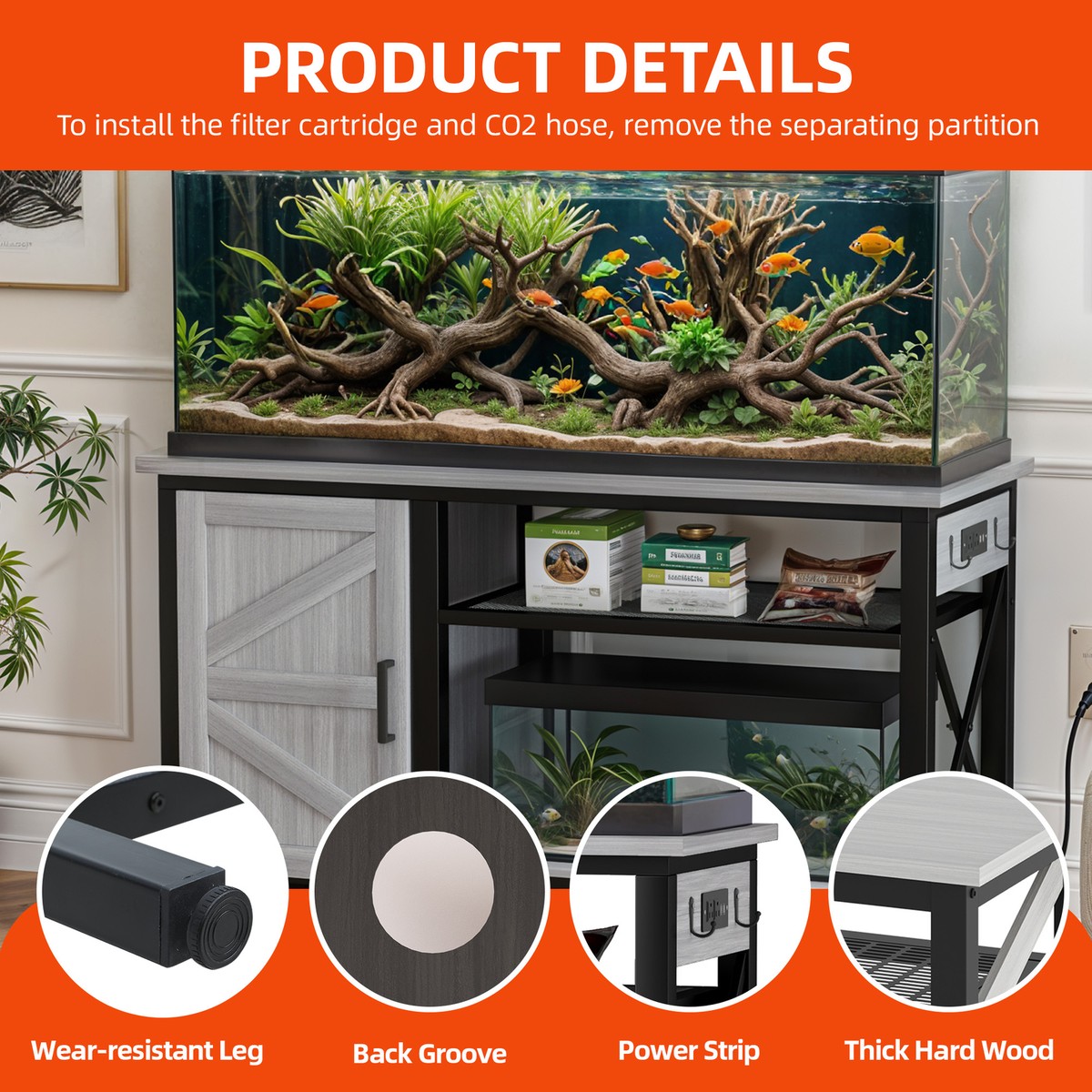
Credit: www.ebay.com
Choosing The Right Cabinet
Picking the right aquarium cabinet is key for a safe and neat CO2 system setup. A good cabinet holds your equipment and hides tubes and tanks well.
This guide covers material choices, size fit, and ventilation for your cabinet. These points help keep your system working well and safe.
Material Options And Durability
Cabinets come in wood, metal, and plastic. Each has strong points and limits.
- Wood:Looks nice and strong but may get damaged by water over time.
- Metal:Very durable and holds weight well. It resists water but can rust if not treated.
- Plastic:Water-resistant and light. It can crack under heavy loads.
Size And Compatibility Considerations
| Cabinet Size | CO2 System Fit | Extra Storage |
|---|---|---|
| Small (under 24 inches) | Small tanks and simple setups | Limited space for tools |
| Medium (24 to 36 inches) | Most standard CO2 tanks and regulators | Room for spare parts |
| Large (over 36 inches) | Large tanks and multiple devices | Extra storage for supplies |
Measure your CO2 system before buying. Check if the cabinet can hold your tank and equipment safely.
Ventilation And Safety Features
Good airflow helps avoid gas buildup. Look for vents or spaces that let air move freely.
- Choose cabinets with built-in vents or mesh panels.
- Keep CO2 tanks upright and secure to avoid accidents.
- Check if the cabinet door can lock for safety.
- Place the cabinet away from heat sources and direct sunlight.
Organizing Co2 Equipment
Keeping your CO2 equipment tidy helps your aquarium run smoothly. Proper organization prevents damage and makes maintenance easier. An aquarium cabinet is perfect to store your CO2 tanks and tools.
This guide focuses on how to place tanks and regulators, manage cables and hoses, and keep everything easy to reach for maintenance.
Placement Of Co2 Tanks And Regulators
Place CO2 tanks in a stable spot inside the cabinet to avoid tipping. Regulators should be near the tanks but easy to access. Keep tanks upright to ensure safety and proper function.
- Use tank holders or brackets to secure tanks
- Keep regulators visible and reachable
- Allow space around tanks for ventilation
- Place tanks away from heat sources
Cable And Hose Management
Organize cables and hoses to prevent tangling and leaks. Proper routing helps avoid damage and keeps the cabinet neat. Label hoses for quick identification.
| Item | Tip |
| CO2 Hose | Use clips to hold hoses in place |
| Power Cables | Bundle cables with ties |
| Regulator Tubing | Keep tubing straight and untwisted |
Accessibility For Maintenance
Make sure you can reach all parts of the CO2 system easily. Open cabinet doors fully and keep space clear. Regular checks keep the system working well.
- Arrange items so nothing blocks access
- Use sliding shelves for better reach
- Keep tools nearby for quick fixes
- Check connections regularly for leaks
Credit: www.walmart.ca
Installation Tips For Maximum Efficiency
Setting up an aquarium cabinet for CO2 systems needs care. Proper installation helps the system work well and last longer.
This guide shares simple tips to install your CO2 setup safely and efficiently.
Securing Co2 Components
Keep all CO2 parts steady inside the cabinet. Loose parts can cause damage or leaks.
Use brackets or straps to hold the CO2 cylinder, regulator, and tubing firmly in place.
- Attach the CO2 cylinder to a strong bracket
- Use clips to guide tubing along cabinet walls
- Check fittings regularly for tightness
Optimizing Airflow And Temperature Control
Good airflow prevents heat buildup inside the cabinet. This keeps CO2 equipment safe and working well.
Keep vents clear and consider using small fans if the cabinet gets warm.
- Place vents at the top and bottom of the cabinet
- Avoid blocking airflow with extra items
- Monitor temperature to stay within safe limits
Preventing Leaks And Damage
Leaks can harm plants and fish. Check all connections for tightness and wear.
Use leak-proof fittings and replace damaged parts quickly to avoid problems.
- Use Teflon tape on threaded connections
- Inspect tubing for cracks or soft spots
- Test system with soapy water for bubbles
Customizing Cabinets For Advanced Systems
Aquarium cabinets are essential for advanced Co2 systems. They provide storage and organization for your equipment.
Customizing these cabinets can enhance functionality. They make it easier to manage and maintain your aquarium.
Adding Monitoring And Automation Devices
Automation devices help maintain optimal conditions. They can monitor and adjust Co2 levels automatically.
- Install temperature sensors to track changes
- Use pH controllers for stable water conditions
- Add timers for automated lighting schedules
Incorporating Lighting And Filtration Storage
Proper storage for lighting and filtration keeps your setup tidy. It also ensures easy access when needed.
| Item | Storage Tip |
| LED Lights | Use adjustable racks |
| Filters | Place in pull-out drawers |
| Wiring | Organize with cable ties |
Upgrading For Larger Setups
Larger setups require more robust cabinets. They need to support bigger tanks and heavier equipment.
Ensure the cabinet has adjustable shelves. This allows you to accommodate different sizes of equipment.
Maintenance And Troubleshooting
Keeping your aquarium cabinet for CO2 systems in good shape helps your plants grow healthy. Regular care prevents issues and keeps your system working well.
This guide covers cleaning routines, common problems, and simple fixes to keep your CO2 system running smoothly.
Regular Cleaning Routines
Clean your CO2 system parts every week to avoid buildup. Wipe surfaces to remove dust and moisture. Check tubing for blockages or cracks.
- Rinse diffuser with warm water
- Clean solenoid valve gently
- Inspect and replace worn tubing
- Wipe cabinet shelves and surfaces
- Check CO2 cylinder for leaks
Identifying Common Issues
Watch for signs like bubbles not forming or plants wilting. These may show CO2 delivery problems or equipment faults.
| Issue | Possible Cause | Check |
| No CO2 bubbles | Empty cylinder or clogged diffuser | CO2 level, diffuser clean |
| Bubble rate too high | Regulator setting wrong | Adjust regulator |
| Leaks | Loose connections or cracked tubing | Inspect fittings and tubing |
| Solenoid not clicking | Power or wiring issue | Check plug and wires |
Quick Fixes And Upgrades
Fix simple problems fast to keep your aquarium healthy. Upgrade parts for better performance when needed.
- Tighten or replace leaking tubing
- Clean or swap diffuser for better bubbles
- Reset or replace solenoid if no power
- Upgrade regulator for finer control
- Use a bubble counter to monitor CO2 flow
Frequently Asked Questions
What Is An Aquarium Cabinet For Co2 Systems?
An aquarium cabinet for CO2 systems stores and organizes CO2 equipment neatly. It protects devices from moisture and damage. This cabinet also hides unsightly tubes and tanks, improving aquarium aesthetics and safety.
Why Choose A Cabinet For Co2 Aquarium Setups?
Choosing a cabinet keeps CO2 tanks stable and secure. It reduces clutter around the aquarium. Cabinets offer easy access for maintenance and hide equipment for a clean, professional look.
How To Select The Right Cabinet For Co2 Systems?
Select a cabinet that fits your aquarium size and CO2 tank. Ensure it has proper ventilation to prevent overheating. Choose durable materials resistant to moisture and corrosion for long-lasting use.
Can Aquarium Cabinets Improve Co2 System Efficiency?
Yes, cabinets protect CO2 equipment from dust and damage, ensuring smooth operation. Proper organization inside the cabinet helps maintain consistent CO2 flow and easier system monitoring.
Conclusion
Choosing the right aquarium cabinet for your CO2 system helps keep things neat. It protects equipment and hides tubes and bottles out of sight. A good cabinet also saves space and makes maintenance easier. Think about size, material, and ventilation when buying one.
This simple step can improve your aquarium’s look and function. A tidy setup means happier plants and fish. Take time to find the best cabinet for your needs. Your aquarium will thank you.