
If you have an aquarium, you know how important it is to keep your fish healthy and happy. One key to this is proper aeration, which helps maintain clean, oxygen-rich water.
But where do you put all those aeration devices without making your space look cluttered? That’s where an aquarium cabinet for aeration devices comes in. It’s not just about hiding equipment—it’s about creating a neat, organized setup that makes maintenance easier and keeps your aquarium looking stunning.
Keep reading to discover how the right cabinet can transform your aquarium experience and make your life so much simpler.

Credit: www.ebay.ca
Benefits Of Aquarium Cabinets
Aquarium cabinets provide a neat place to store aeration devices. They keep your aquarium area tidy and safe.
Using a cabinet helps protect equipment and improves the overall look of your aquarium setup.
Enhancing Aesthetic Appeal
A cabinet hides cords, pumps, and other aeration devices from view. This makes the aquarium area look cleaner.
With a stylish cabinet, you can match your room’s decor and create a more pleasant space.
Protecting Aeration Equipment
A cabinet shields aeration devices from dust, water spills, and accidental damage. This helps them last longer.
It also keeps pets and children from tampering with the equipment, which adds safety.
Improving Organization
Aquarium cabinets offer space to store extra tubes, filters, and tools. This keeps everything in one place.
- Easy access to all aeration parts
- Less clutter around the aquarium
- Helps maintain a clean working area
Types Of Aquarium Cabinets
Aquarium cabinets hold aeration devices and keep your tank steady. They come in various materials and styles. Choosing the right cabinet helps with space and equipment safety.
This guide covers three common types of aquarium cabinets. Each type has unique features to suit different needs and preferences.
Wooden Cabinets
Wooden cabinets offer a natural look and sturdy support. They blend well with home decor and provide good storage space. Many are treated to resist moisture and last longer near water.
- Made from solid wood or plywood
- Often finished with waterproof paint or varnish
- Provide ample storage for aeration devices and supplies
- Can be heavier and need careful placement
Metal Cabinets
Metal cabinets are strong and durable. They resist damage from water better than some woods. These cabinets often have a modern look and are easy to clean.
| Material | Advantages | Disadvantages |
|---|---|---|
| Stainless Steel | Rust-resistant, strong | Can be heavy, expensive |
| Aluminum | Lightweight, corrosion-resistant | Less strong, dents easily |
| Powder-Coated Steel | Durable finish, affordable | Coating can chip over time |
Custom-built Options
Custom-built cabinets fit your exact needs. You choose size, style, and materials. These cabinets often maximize space and match your room design.
Common features of custom-built cabinets include:
- Perfect fit for unique aquarium sizes
- Options for built-in aeration device compartments
- Choice of finishes like wood, metal, or mixed materials
- Ability to add extra storage or display areas
Key Features To Consider
Choosing the right aquarium cabinet for aeration devices helps keep your equipment safe. It also supports proper function and convenience.
This guide covers important features to look for. These include ventilation, water resistance, and storage capacity.
Ventilation And Airflow
Good ventilation prevents heat buildup inside the cabinet. It allows air to flow freely around the aeration devices.
- Look for cabinets with vents or mesh panels.
- Ensure space around devices for airflow.
- Avoid sealed cabinets that trap heat.
- Consider designs that promote natural air circulation.
Water Resistance
Water resistance protects the cabinet from spills and splashes. It helps avoid damage to stored devices and materials.
| Material | Water Resistance Level | Notes |
|---|---|---|
| Marine-grade plywood | High | Good for humid areas |
| Plastic laminate | Medium | Resists minor splashes |
| Standard wood | Low | Needs extra sealing |
Storage Capacity
Storage capacity affects how much equipment you can keep in one place. It also impacts organization and access.
Consider these points for storage capacity:
- Measure the size of your aeration devices before buying.
- Look for shelves or compartments inside the cabinet.
- Choose adjustable shelves for flexible storage.
- Allow space for cords and extra accessories.
Installation Tips
Installing an aquarium cabinet for aeration devices needs careful planning. Proper setup helps the devices work well and keeps your aquarium neat.
Follow simple steps to position, secure, and manage cables and tubing. This ensures a safe and efficient aeration system.
Positioning For Optimal Aeration
Place the cabinet close to the aquarium to reduce tubing length. Short tubes improve air flow and reduce power use.
Keep the aeration devices at a stable spot inside the cabinet. Avoid areas with direct sunlight or heat to protect equipment.
- Locate the cabinet near the tank
- Use a flat, sturdy surface
- Avoid heat and sunlight exposure
- Keep air intake areas clear
Securing The Cabinet
Make sure the cabinet is stable and will not tip over. Secure it to the wall if needed for extra safety.
Use screws or brackets to fix the cabinet firmly. This helps protect the aeration devices and prevents accidents.
- Check the cabinet’s weight capacity
- Attach to a wall using brackets
- Use non-slip pads under the cabinet
- Tighten all screws and fittings
Managing Cables And Tubing
Organize cables and tubing to avoid tangles and damage. Use clips or ties to keep them neat and safe.
Label the cables and tubes to identify each device quickly. This helps during maintenance and troubleshooting.
- Bundle cables with zip ties or clips
- Keep tubing away from sharp edges
- Label each cable and tube
- Leave some slack to avoid stress
Maintenance And Care
Keeping your aquarium cabinet clean and well-maintained helps your aeration devices work better. Proper care prevents damage and extends the life of the equipment.
Regular checks and cleaning make sure everything stays safe and efficient. Follow these tips to maintain your aquarium cabinet.
Cleaning The Cabinet
Clean the cabinet regularly to avoid dust and dirt buildup. Use a soft cloth to wipe surfaces and keep vents clear.
Avoid harsh chemicals. Mild soap and water work well for most materials. Dry the cabinet fully before placing equipment back inside.
- Remove all equipment before cleaning
- Wipe inside and outside surfaces gently
- Keep ventilation openings free from dust
- Dry the cabinet to prevent moisture damage
Inspecting For Damage
Check the cabinet often for cracks, warping, or loose parts. Look carefully around corners and joints.
Early damage can cause bigger problems. Fix small issues before they affect your aeration devices.
- Look for water stains or mold
- Test doors and hinges for smooth movement
- Check seals to keep humidity out
- Repair or replace damaged parts quickly
Ensuring Equipment Longevity
Keep your aeration devices safe by storing them properly inside the cabinet. Avoid overcrowding to allow air flow.
Turn off and unplug devices before cleaning or moving them. Follow the device manuals for care tips.
- Place devices on stable surfaces
- Keep cords organized and untangled
- Check filters and tubes regularly
- Replace worn parts as needed
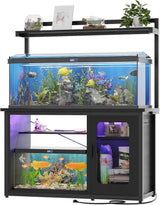
Credit: www.unikito.com
Popular Brands And Models
Aquarium cabinets for aeration devices come in various styles. Different materials offer unique advantages, like wood for aesthetics or metal for strength.
Each type has popular brands and models. Here, we explore top-rated choices for your aquarium needs.
Top-rated Wooden Cabinets
Wooden cabinets add elegance to any room. They are often preferred for their classic appearance.
- Oceanic Woodworks – Known for handcrafted designs
- AquaWood Creations – Offers custom finishes
- EcoMarine – Uses sustainable materials
Durable Metal Cabinets
Metal cabinets offer strength and durability. They are ideal for larger or more active aquariums.
Consider the following metal cabinet brands:
- SteelWave – Known for rust-resistant coatings
- IronAquatic – Offers reinforced frames
- MetalMarine – Features sleek, modern designs
Affordable Custom Options
Custom cabinets fit unique spaces and styles. They are a budget-friendly way to get exactly what you need.
| Brand | Customization Features |
| CustomCabinets Co. | Color and size options |
| AquaCustom Designs | Material choices |
| MyAquarium Fit | Specialized compartments |
Diy Aquarium Cabinet Ideas
Creating an aquarium cabinet for aeration devices can be fun and rewarding. You can design a cabinet that suits your style and needs.
With some basic materials and tools, you can build a functional and attractive cabinet. Let’s explore how to make your own DIY aquarium cabinet.
Materials Needed
You will need several materials to build your aquarium cabinet. Here is a list of common materials used.
- Wood panels
- Screws and nails
- Wood glue
- Paint or wood stain
- Sandpaper
- Hinges and handles
Step-by-step Guide
Building your cabinet is simple if you follow these steps. Start by measuring your aquarium for a perfect fit.
Cut the wood panels to size, then assemble the base and sides. Attach the top and back pieces securely.
- Measure and cut wood to fit your aquarium
- Assemble the base and sides with screws
- Attach the top and back panels
- Sand all surfaces for a smooth finish
- Paint or stain the cabinet
- Install hinges and handles on the doors
Customization Tips
Customize your cabinet to match your room or personal taste. Use these tips to add personal touches.
Consider adding shelves for extra storage. You can also use decorative knobs or paint designs.
- Add shelves for storing aquarium supplies
- Use decorative knobs for a unique look
- Paint designs or patterns on the cabinet
- Choose colors that match your room decor

Credit: www.amazon.ca
Frequently Asked Questions
What Is An Aquarium Cabinet For Aeration Devices?
An aquarium cabinet houses aeration devices neatly and safely. It protects equipment, hides wires, and improves aquarium aesthetics. It also offers easy access for maintenance and optimizes space usage.
Why Use A Cabinet For Aquarium Aeration Devices?
Using a cabinet organizes aeration tools and prevents damage. It reduces noise, improves airflow, and keeps the setup tidy. Cabinets enhance the aquarium’s visual appeal and prolong equipment life.
How To Choose The Best Aquarium Cabinet?
Select a cabinet based on size, material, and ventilation. Ensure it fits your aeration devices and aquarium dimensions. Look for durable, water-resistant materials and easy access panels for maintenance.
Can Aquarium Cabinets Improve Device Aeration Efficiency?
Yes, cabinets with proper ventilation boost aeration efficiency. Good airflow prevents device overheating and ensures consistent oxygen supply. Proper design enhances device performance and fish health.
Conclusion
Choosing the right aquarium cabinet helps keep aeration devices stable. It protects equipment from water and dust damage. Cabinets also hide wires and tubes neatly. This makes your aquarium look tidy and organized. A good cabinet adds extra storage for fish care tools.
It supports the weight of tanks safely. Investing time in selecting a cabinet pays off. Your fish will enjoy better water quality and oxygen. Clean and well-ventilated cabinets improve device performance. Simple design and sturdy build matter most. A suitable cabinet makes aquarium maintenance easier and faster.