
Setting up your aquarium is exciting, but assembling the cabinet can feel tricky. You want a sturdy, reliable base that keeps your tank safe and looks great in your space.
If you’re worried about making mistakes or wasting time, this guide is for you. You’ll discover simple, clear tips that make assembly easier and help you avoid common pitfalls. Keep reading, and you’ll have your aquarium cabinet ready in no time—strong, stable, and perfect for your underwater world.
Credit: www.vevor.ca
Choosing The Right Cabinet
Choosing the right cabinet is important for your aquarium setup. It supports the tank and keeps everything stable.
This guide covers material options, size, and weight capacity to help you decide.
Material Options
Cabinets come in wood, metal, and plastic. Each has pros and cons for durability and water resistance.
- Wood:Strong and looks good but may swell if wet.
- Metal:Very sturdy but can rust without protection.
- Plastic:Water-resistant but might not hold very heavy tanks well.
Size Considerations
Pick a cabinet size that fits your aquarium base perfectly. Too small or too large can cause problems.
| Cabinet Width | Should match aquarium width |
| Cabinet Depth | Must support aquarium depth fully |
| Cabinet Height | Choose height that suits room and viewing angle |
Weight Capacity
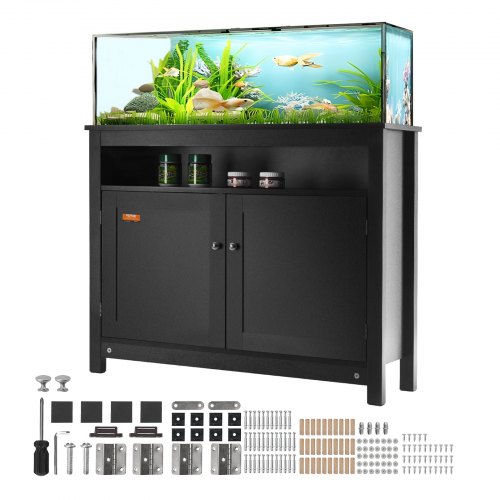
Ensure the cabinet can hold the tank weight when filled with water, gravel, and decorations.
- Check aquarium volume and calculate full weight.
- Look for cabinet weight limit in product details.
- Choose a cabinet with a higher capacity than needed for safety.
Credit: www.vevor.ca
Preparing Your Workspace
Setting up your workspace properly helps the aquarium cabinet assembly go smoothly. A clean and organized area reduces mistakes and saves time.
Focus on clearing the area, gathering tools, and following safety precautions before you start assembling.
Clearing The Area
Remove all items near the assembly space. This gives you enough room to work freely and avoid accidents.
- Move furniture away from the workspace
- Clear floors to prevent tripping
- Keep pets and children out of the area
- Ensure good lighting for better visibility
Gathering Tools
Collect all the tools needed before starting. This stops interruptions and helps keep the workflow steady.
| Tool | Purpose |
| Screwdriver | Tighten screws and bolts |
| Hammer | Fit wooden parts together |
| Measuring Tape | Check dimensions |
| Level | Ensure cabinet is even |
| Wrench | Secure nuts |
Safety Precautions
Wear protective gear and follow safety rules to avoid injury during assembly.
- Use gloves to protect your hands
- Wear safety glasses to guard your eyes
- Work in a well-ventilated area
- Keep tools away from children
- Read instructions carefully before use
Step-by-step Assembly Guide
Building your aquarium cabinet can be simple with the right approach. Follow clear steps to ensure a sturdy and attractive result.
This guide covers sorting parts, reading instructions, and aligning panels correctly for a smooth assembly process.
Sorting Components
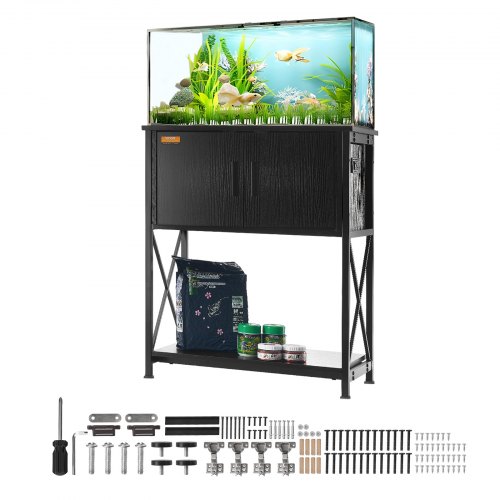
Begin by laying out all parts on a clean surface. Group similar pieces like screws, panels, and hinges together. This saves time and avoids confusion later.
- Check the parts list from the manual
- Separate screws by size and type
- Arrange wooden panels by shape and size
- Keep small pieces in containers to prevent loss
Following Instructions
Carefully read the assembly guide before starting. Each step builds on the last, so do not skip ahead. Take your time to understand each instruction.
| Tip | Reason |
| Read all steps first | Prepares you for the whole process |
| Use the right tools | Makes assembly easier and safer |
| Follow the order given | Prevents mistakes and damage |
| Ask for help if needed | Some parts may be heavy or tricky |
Aligning Panels
Proper panel alignment is key to a strong cabinet. Use clamps or have a friend hold pieces steady. Check that edges match before fixing screws.
Use this checklist when aligning panels:
- Edges flush with no gaps
- Panels square at corners
- Holes line up for screws
- Surface smooth and even
Securing The Structure
Building a strong aquarium cabinet keeps your tank safe. It supports the tank’s heavy weight well.
Focus on the cabinet’s frame and joints. Good assembly helps prevent accidents and damage.
Using Proper Fasteners
Use screws and bolts made for wood or metal. They hold the parts tightly together.
Avoid nails or weak fasteners. They can loosen over time and weaken the cabinet.
- Choose rust-resistant screws for wet areas
- Use washers to spread pressure evenly
- Tighten fasteners firmly but do not over-tighten
Ensuring Stability
Place the cabinet on a flat, level floor. This helps keep the tank steady and balanced.
Add braces or corner supports inside the cabinet. They stop wobbling and increase strength.
- Check all legs for even contact with the floor
- Use a level tool to confirm flatness
- Secure backing panels to prevent sideways movement
Avoiding Common Mistakes
Do not skip reading the assembly instructions. Each cabinet may have special steps.
Avoid using the wrong fasteners or weak materials. They reduce the cabinet’s strength.
- Do not rush the assembly process
- Check for loose screws after finishing
- Keep the cabinet dry during assembly to avoid swelling
Finishing Touches
Finishing touches improve the look and function of your aquarium cabinet. They also protect your work and keep everything organized.
Focus on small details like doors, cables, and coatings. These steps make your cabinet last longer and look great.
Installing Doors And Handles
Install doors carefully to ensure smooth opening and closing. Handles should be secure and comfortable to use.
- Align door hinges before screwing them in.
- Check that doors open without rubbing the cabinet edges.
- Choose handles that match the cabinet style.
- Tighten handle screws firmly but do not over-tighten.
- Test doors and handles after installation for stability.
Cable Management
Good cable management keeps wires neat and safe from water. It also makes cleaning easier.
| Tip | Description |
| Use Cable Clips | Attach clips inside the cabinet to hold cables in place. |
| Label Cables | Mark cables to identify their use quickly. |
| Hide Excess Length | Coil extra cable behind the cabinet or in a box. |
| Keep Away from Water | Arrange cables away from any water spills or leaks. |
Protective Coatings
Protect your cabinet with coatings to resist water and stains. Choose the right finish for the cabinet material.
Types of coatings to consider:
- Water-resistant varnish for wood surfaces
- Clear sealant for painted areas
- Non-toxic finishes safe for aquarium use
Maintenance Tips
Keeping your aquarium cabinet in good condition helps ensure a safe and clean environment for your aquatic pets. Here are some simple tips for maintaining your aquarium cabinet.
Regular maintenance can extend the life of your cabinet and make your aquarium setup more enjoyable. Follow these tips to keep your cabinet in top shape.
Regular Inspections
Inspect your aquarium cabinet regularly to prevent issues before they arise. Look for signs of wear and tear.
- Check for water damage on wood surfaces
- Ensure hinges and screws are tight
- Look for signs of mold or mildew
Cleaning Techniques
Cleaning your cabinet keeps it looking new and prevents damage. Use the right products for best results.
| Surface Type | Cleaning Product |
| Wood | Soft cloth and wood polish |
| Glass | Vinegar and water solution |
| Metal | Non-abrasive cleaner |
Handling Repairs
Minor repairs can be done easily with basic tools. Keep some supplies handy for quick fixes.

Credit: www.amazon.ca
Frequently Asked Questions
What Tools Are Needed For Aquarium Cabinet Assembly?
Basic tools include a screwdriver, drill, measuring tape, and level. These help ensure precise and secure assembly of the cabinet.
How Long Does Aquarium Cabinet Assembly Usually Take?
Assembly typically takes 1 to 3 hours depending on complexity. Following instructions carefully speeds up the process and prevents errors.
How To Ensure Cabinet Stability And Safety?
Use a level to check surfaces and secure all screws tightly. Place the cabinet on a flat, sturdy floor to prevent tipping.
Can I Customize The Aquarium Cabinet Design?
Yes, many cabinets allow customization like paint, shelving, or added compartments. Customizing improves functionality and matches your room decor.
Conclusion
Assembling an aquarium cabinet takes patience and care. Follow the steps slowly and check each part. Use the right tools for a strong build. Keep your workspace clean and organized. Ask for help if the pieces feel heavy or tricky.
A well-made cabinet supports your aquarium safely. Enjoy creating a beautiful home for your fish. Take pride in your work—it shows in the final result. Keep these tips in mind for a smooth assembly process. Your aquarium will look great and stay stable for years.