
If you’re an aquarium owner, you know how important clean water is for your fish’s health. Changing the water regularly keeps your tank fresh and your aquatic friends happy.
But have you ever struggled with messy spills or awkward containers during a water change? That’s where the right aquarium bucket can make all the difference. You’ll discover how using the perfect bucket can simplify your water changes, save you time, and protect your tank’s delicate environment.
Keep reading to learn what features to look for and why this simple tool is a game-changer for every fish keeper.
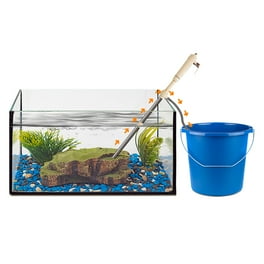
Credit: www.walmart.com
Choosing The Right Bucket
Changing water in your aquarium needs the right bucket. The right bucket makes the job easier and safer for your fish.
This guide covers materials, size, and features to help you pick the best bucket for water changes.
Material Options
Choose a bucket made from safe, durable materials. Avoid metals that can rust or harm fish.
- Plastic: Lightweight and common. Look for BPA-free types.
- Silicone: Flexible and easy to store. Good for small spaces.
- Stainless Steel: Durable but can be heavy. Ensure it is fish-safe.
- Glass: Rare but easy to clean. Fragile and heavy.
Size Considerations
Pick a bucket size that matches your aquarium volume. Too small means more trips. Too big can be hard to handle.
| Tank Size | Recommended Bucket Size |
| 5 to 20 gallons | 1 to 2 gallons |
| 20 to 50 gallons | 3 to 5 gallons |
| 50 to 100 gallons | 5 to 10 gallons |
| Over 100 gallons | 10 gallons or larger |
Bucket Features
Look for features that add convenience and safety during water changes.
- Measurement marks inside for easy water volume tracking
- Handles for easy carrying and pouring
- Wide mouth to scoop gravel or fish safely
- Stackable design for easy storage
- Non-slip base to prevent spills

Credit: www.reddit.com
Preparing For Water Change
Changing the water in your aquarium keeps fish healthy. It removes waste and adds fresh water.
Using the right bucket helps make the water change easy and safe. Prepare well before you start.
Gathering Supplies
Collect all tools before you begin the water change. This saves time and avoids mistakes.
- Clean aquarium bucket reserved only for water changes
- Water conditioner to remove chlorine from tap water
- Gravel vacuum or siphon hose for cleaning
- Thermometer to check water temperature
- Towels or cloths to wipe spills
- Water testing kit to monitor water quality
Setting Up Workspace
Choose a dry, flat area near the aquarium for your supplies and bucket. This helps keep things organized.
Make sure the bucket is stable and easy to reach. Keep towels nearby to catch any spills or drips.
- Place bucket on a sturdy surface near the aquarium
- Arrange supplies in order of use for quick access
- Keep area well-lit to see clearly
- Clear obstacles to avoid accidents
Safety Tips
Safety is important during water changes. Follow simple rules to protect yourself and your fish.
Use only clean buckets made for aquarium use. Avoid using buckets that held chemicals or soap.
- Wash hands before and after handling aquarium water
- Do not use detergents or cleaning agents on the bucket
- Check water temperature to avoid shocking fish
- Handle equipment gently to prevent spills
Using The Bucket Effectively
An aquarium bucket helps with regular water changes. It makes the process easier and cleaner.
Using the bucket correctly keeps your fish healthy and your tank clean. Follow these tips to use it well.
Removing Water
Use the bucket to take out old water from the aquarium. This removes dirt and waste that builds up over time.
Siphon water slowly to avoid stressing your fish. Stop removing water when you reach the desired amount.
- Use a siphon or pump to remove water
- Take out 10-25% of the tank water
- Do not disturb the gravel too much
- Avoid scaring or hurting the fish
Cleaning The Bucket
After emptying old water, clean the bucket before refilling. This prevents dirt and germs from returning to the tank.
Use warm water and a soft sponge or cloth. Avoid soap or chemicals that can harm fish.
- Rinse the bucket with clean water
- Scrub gently with a sponge if needed
- Do not use soap or detergents
- Let the bucket air dry before use
Refilling The Tank
Fill the bucket with fresh water to refill the aquarium. Use water that matches the tank’s temperature.
Pour the water slowly back into the tank to avoid stressing fish or disturbing decorations.
- Use dechlorinated water
- Match the water temperature to the tank
- Pour water slowly and gently
- Fill the tank to the correct level
Maintaining Bucket Hygiene
Keeping your aquarium bucket clean is important for healthy water changes. A dirty bucket can harm your fish and plants.
Good hygiene helps prevent germs and keeps your aquarium water safe. Learn how to keep your bucket clean.
Preventing Contamination
Use your bucket only for aquarium water changes. Avoid mixing with other household tasks.
Clean the bucket after each use with warm water and a soft brush. Do not use soap or chemicals.
- Rinse well to remove dirt and residues
- Use separate buckets for different tanks
- Wash hands before handling the bucket
Proper Storage
Store the bucket in a clean, dry place away from pets and dust. This stops dirt from entering the bucket.
Keep the bucket covered or upside down to avoid contamination and pests.
- Use a shelf or cabinet for storage
- Keep away from chemicals and strong odors
- Ensure the bucket dries completely before storing
Regular Inspections
Check your bucket often for cracks or stains. Damaged buckets can leak or hold bacteria.
Replace the bucket if it shows signs of wear that affect cleanliness or safety.
- Look for cracks, scratches, or discoloration
- Smell the bucket for odors before use
- Clean immediately if you find dirt or mold
Additional Tools For Easier Water Changes
Changing water in your aquarium keeps fish healthy and the tank clean. Using the right tools can make this task faster and less messy.
Here are some helpful tools that can simplify water changes and improve your aquarium care routine.
Siphons And Pumps
Siphons and pumps help remove water and debris from the tank easily. They reduce bending and spilling during water changes.
- Manual siphon hoses for gentle water removal
- Battery-operated pumps for quick water transfer
- Gravel vacuum siphons to clean substrate
- Flexible tubes to reach tight spaces
Water Conditioners
Water conditioners make tap water safe for fish. They remove harmful chemicals and balance pH levels.
| Type | Purpose | Usage |
| Dechlorinators | Remove chlorine and chloramine | Add before water change |
| pH stabilizers | Keep water pH steady | Use as needed |
| Stress reducers | Protect fish during changes | Apply after water change |
Timers And Reminders
Timers and reminders help keep water changes on schedule. Regular changes prevent water quality problems.
- Set weekly alarms on your phone
- Use aquarium care apps for notifications
- Keep a calendar near your tank
- Write notes on the tank or nearby surface
Troubleshooting Common Issues
When maintaining an aquarium, water changes are essential. Common issues can arise with aquarium buckets during this process.
This guide will help address some of these issues to ensure a smooth water change experience.
Leaks And Spills
Leaks and spills are frequent problems with aquarium buckets. Check the bucket for any visible cracks or holes.
- Inspect the bucket before each use.
- Ensure the lid fits tightly to prevent spills.
- Use a tray underneath to catch any drips.
Water Quality Concerns
Maintaining water quality is crucial for your fish. A dirty bucket can contaminate the water. Always clean the bucket thoroughly after each use.
| Issue | Solution |
| Dirty Bucket | Wash with mild soap and rinse well |
| Stale Water | Use fresh tap water treated with a conditioner |
| Contaminants | Keep the bucket stored in a clean area |
Bucket Wear And Tear
Over time, buckets may wear out. Regularly check for signs of damage. Replace the bucket if it shows significant wear.
For long-lasting performance, consider using a durable, high-quality plastic bucket specifically designed for aquarium use.

Credit: www.amazon.com
Frequently Asked Questions
What Size Aquarium Bucket Is Best For Water Changes?
A 5-gallon bucket is ideal for most home aquariums. It holds enough water for partial changes. This size is manageable and easy to clean, making your water change efficient and safe for fish.
How To Properly Clean An Aquarium Bucket?
Use warm water and mild soap to clean the bucket. Avoid harsh chemicals that can harm fish. Rinse thoroughly to remove soap residues. Clean the bucket after each use to prevent algae and bacteria buildup.
Can Aquarium Buckets Be Used For Fish Transport?
Yes, aquarium buckets can transport fish safely over short distances. Ensure the bucket is clean and filled with water from the tank. Cover it to prevent fish from jumping out and keep it stable during transport.
Why Use A Dedicated Bucket For Aquarium Water Changes?
A dedicated bucket prevents contamination and protects fish health. It avoids mixing harmful residues or cleaning agents. Using one bucket only for aquarium tasks ensures water quality remains safe during changes.
Conclusion
Choosing the right aquarium bucket makes water changes easier and cleaner. It helps you keep your fish healthy and happy. A good bucket saves time and avoids spills. Always pick one that fits your tank size and needs. Regular water changes keep your aquarium fresh and safe.
Small steps like this make a big difference in fish care. Take care of your tank, and your fish will thrive. Simple tools can make your hobby more enjoyable every day.