
If you want your angelfish to thrive and look stunning, the right tank setup is key. Setting up the perfect home for your angelfish might seem tricky, but with the right steps, you can create a beautiful and healthy environment that keeps your fish happy.
This guide will walk you through everything you need to know, from choosing the tank size to picking the best decorations and water conditions. By the end, you’ll have the confidence to build an angelfish tank that not only looks amazing but also supports your fish’s well-being.
Ready to dive in? Let’s get started!
Choosing The Right Tank
Setting up a tank for angelfish needs careful thought. The right tank helps your fish stay healthy and happy.
This guide will help you pick the best tank size, shape, and material for angelfish.
Tank Size Recommendations
Angelfish grow quite tall and need space to swim. A small tank can cause stress and health problems.
Choose a tank that holds at least 20 gallons for a pair of angelfish. Bigger tanks are better for groups.
- 20 gallons minimum for 2 angelfish
- 30 gallons or more for 4 or more fish
- Larger tanks help keep water stable
Selecting Tank Shape
Tank shape affects how your angelfish swim and live. Angelfish like tall tanks because they swim vertically.
Choose tanks that are taller rather than wide. This gives space for their long fins and natural movement.
- Tall tanks suit angelfish better
- Avoid very shallow tanks
- Rectangular tanks fit most setups
Material Options
Aquariums come in glass or acrylic. Glass is clear and scratch-resistant. Acrylic is lighter and stronger.
Both materials can work well. Glass costs less but is heavier. Acrylic costs more but is easier to move.
| Material | Advantages | Disadvantages |
|---|---|---|
| Glass | Clear view, scratch resistant, cheaper | Heavy, can break if dropped |
| Acrylic | Lightweight, strong, better insulation | Scratches easily, more expensive |

Credit: petmedaily.com
Water Conditions
Setting the right water conditions is key for a healthy angelfish tank. Good water quality helps fish grow and stay active.
Check water regularly to keep your angelfish comfortable. This guide covers temperature, pH, hardness, and filtration.
Ideal Temperature Range
Angelfish thrive in warm water. Keep the tank temperature steady to avoid stress and illness.
Maintain the water temperature between 76°F and 82°F (24°C to 28°C) for best health.
Ph And Hardness Levels
Angelfish prefer slightly acidic to neutral water. The pH affects their breathing and activity.
Water hardness also matters. Soft to moderately hard water keeps angelfish happy.
- pH range: 6.5 to 7.5
- Water hardness: 3 to 8 dGH (degrees of General Hardness)
Filtration Needs
Good filtration keeps water clean and clear. It removes waste and harmful chemicals.
Use a filter that moves water gently. Angelfish do not like strong currents.
- Choose a filter with adjustable flow
- Regularly clean or replace filter media
- Perform partial water changes weekly
Substrate And Decorations
Setting up an angelfish tank needs care with substrate and decorations. These elements help create a healthy and natural space.
Picking the right materials keeps your angelfish happy and safe. It also makes your tank look great.
Best Substrate Types
Choose substrates that are smooth and safe for angelfish. Avoid sharp or rough materials that can hurt their fins.
Gravel and sand are popular choices. Sand is soft and good for plants, while gravel lets water flow well.
- Fine sand for a soft bottom
- Rounded aquarium gravel for good water flow
- Avoid large, sharp stones
- Use substrate that supports live plants
Plants For Angelfish Tanks
Live plants help keep water clean and provide hiding spots for angelfish. They also add natural beauty to the tank.
Pick plants that grow well in warm water and low light. Angelfish like tall plants to swim around.
- Amazon Sword
- Java Fern
- Vallisneria
- Anubias
- Cryptocoryne
Safe Ornament Choices
Use decorations that have smooth edges and no toxic paint. This keeps angelfish from getting injured or sick.
Natural-looking ornaments like driftwood and rocks are good. Avoid cheap plastics that can leach chemicals.
- Driftwood (soaked before use)
- Smooth river rocks
- Ceramic caves with no sharp edges
- Avoid metal and sharp plastics
Lighting And Aeration
Proper lighting and aeration are key for a healthy angelfish tank. They help fish stay active and grow well.
Good lighting supports plant growth and shows off the fish’s colors. Aeration keeps the water clean and full of oxygen.
Lighting Duration And Intensity
Angelfish need about 8 to 10 hours of light each day. Too much light can stress them out and cause algae growth.
Use soft, moderate light to keep the tank bright without being harsh. LED lights are a good choice for this.
- Set light timer for 8-10 hours daily
- Choose LED lights with adjustable brightness
- Avoid direct sunlight to reduce algae
- Use dimmer light during nighttime
Aeration Techniques
Aeration adds oxygen to the water, which angelfish need to breathe well. It also helps move water around.
Air stones and sponge filters work well to create bubbles and improve water flow. Avoid strong currents that can stress fish.
- Use air stones to create gentle bubbles
- Install sponge filters for clean water
- Keep water flow slow to moderate
- Check equipment regularly for proper function
Choosing Tank Mates
Setting up an angelfish tank needs careful planning. Choosing the right tank mates is crucial for a peaceful environment.
Angelfish are semi-aggressive but can live with certain species. Picking compatible fish helps in reducing stress and aggression.
Compatible Fish Species
Some fish species live well with angelfish. They should be peaceful and share similar water needs.
- Corydoras Catfish: Peaceful and bottom dwellers.
- Platies: Colorful and friendly.
- Guppies: Small and lively companions.
- Bristlenose Plecos: Algae eaters and calm.
Avoiding Aggressive Neighbors
Avoid fish that are known for aggression. They can cause stress and fights in the tank.
- Tiger Barbs: Known for fin nipping.
- Red-Tailed Sharks: Territorial and aggressive.
- Bettas: Often aggressive towards other fish.
- Oscars: Large and can eat smaller fish.
Feeding And Nutrition
Proper feeding is key to keeping angelfish healthy and active. Their diet should be balanced and varied to meet all nutritional needs.
Understanding what and how often to feed your angelfish helps avoid health problems and keeps them vibrant.
Diet Essentials
Angelfish eat a mix of protein, fats, and vitamins. They need food that mimics their natural diet in the wild.
- High-quality flakes or pellets made for tropical fish
- Frozen or live foods like brine shrimp and bloodworms
- Vegetables such as spinach or zucchini, finely chopped
- Avoid overfeeding to prevent water pollution
Feeding Frequency
Feed angelfish small amounts several times a day instead of one large meal. This suits their natural grazing habits.
| Age of Angelfish | Feeding Times per Day | Portion Size |
| Juvenile (up to 6 months) | 3 to 4 | Small, frequent meals |
| Adult | 2 to 3 | Moderate meals |
| Senior | 2 | Smaller, easy to digest meals |
Supplements And Treats
Supplements improve angelfish health and color. Treats add variety but should be given carefully.
Good supplements and treats include:
- Vitamin-enriched flakes or pellets
- Frozen foods like daphnia or mosquito larvae
- Occasional vegetable treats such as peas
- Avoid giving fatty or processed human foods
Maintenance Tips
Keeping your angelfish tank clean helps fish stay healthy. Regular care makes your aquarium look great.
Follow simple steps to keep water clear and fish active. Watch your tank often for any changes.
Regular Cleaning Schedule
Clean the tank every week to remove algae and waste. Check decorations and plants for dirt.
- Wipe glass inside to clear algae
- Use gravel vacuum to clean substrate
- Rinse filter parts with tank water
- Remove uneaten food daily
Water Change Guidelines
Change water regularly to keep chemicals balanced. Use treated water to avoid harming fish.
| Change Amount | Frequency |
| 25% | Weekly |
| 50% | Monthly |
Monitoring Fish Health
Watch your angelfish daily for signs of illness or stress. Early care can save their lives.
- Loss of appetite
- Clamped fins
- White spots or redness
- Unusual swimming patterns

Credit: www.youtube.com
Troubleshooting Common Issues
Setting up an angelfish tank can be rewarding, but challenges may arise. Understanding common issues helps maintain a healthy environment for your fish.
Below are strategies to address typical problems faced in angelfish tanks.
Dealing With Algae
Algae can quickly overrun a tank, affecting water quality. Managing light and nutrients is key to control.
- Reduce lighting to 8-10 hours a day
- Avoid overfeeding to decrease nutrient levels
- Add algae-eating fish or snails
Handling Disease Outbreaks
Diseases can spread rapidly among angelfish. Early detection and treatment are crucial.
| Symptom | Possible Disease | Treatment |
| White spots | Ich | Raise temperature, add salt |
| Fin rot | Bacterial infection | Antibiotics |
| Gasping | Gill parasites | Anti-parasitic medication |
Stress Reduction Strategies
Stress can weaken fish, making them prone to illness. Providing a calm environment is essential.
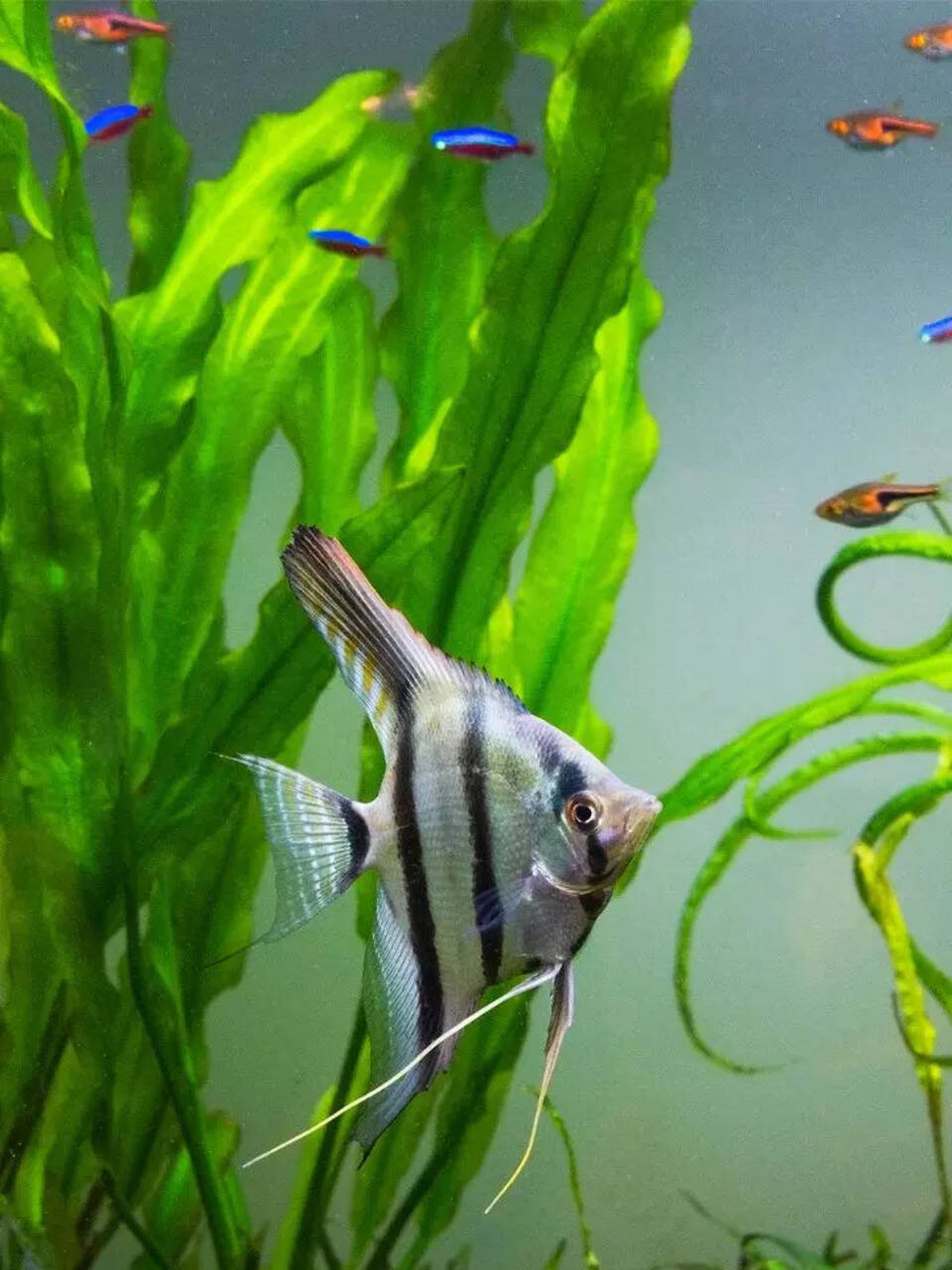
Ensure your tank has plenty of hiding spots and maintain stable water conditions to keep stress levels low.
Credit: timesofindia.indiatimes.com
Frequently Asked Questions
What Size Tank Is Ideal For Angelfish?
A 20-gallon tank is the minimum size for angelfish. Larger tanks provide better swimming space and reduce aggression.
How To Maintain Water Quality For Angelfish?
Regular water changes, a good filter, and monitoring pH (6. 8-7. 8) ensure clean water. Stable temperature (75-82°F) is essential.
What Plants Are Best For Angelfish Tanks?
Live plants like Amazon swords, java fern, and anubias offer hiding spots and improve water quality for angelfish.
Can Angelfish Live With Other Fish Species?
Yes, angelfish can coexist with peaceful fish like tetras and gouramis. Avoid fin-nippers or overly aggressive species.
Conclusion
Setting up an angelfish tank takes care and patience. Choose the right tank size and clean water. Add plants and hiding spots for comfort. Keep the water temperature steady and feed fish well. Watch your angelfish often to see if they are healthy.
A good tank keeps angelfish happy and lively. Enjoy the calm beauty they bring to your home. Simple steps make a great home for your fish. Start now and see your angelfish thrive.