
Keeping your angelfish healthy and happy starts with the right tank care. If you want your beautiful angelfish to thrive, you need simple, effective maintenance tips that anyone can follow.
You might think tank upkeep is tricky, but with the right guidance, it becomes easy and even enjoyable. You’ll discover practical steps to keep your angelfish tank clean, balanced, and perfect for your fish’s well-being. Ready to become the best caretaker your angelfish can have?
Let’s dive into the essential tank maintenance tips that will make a real difference.
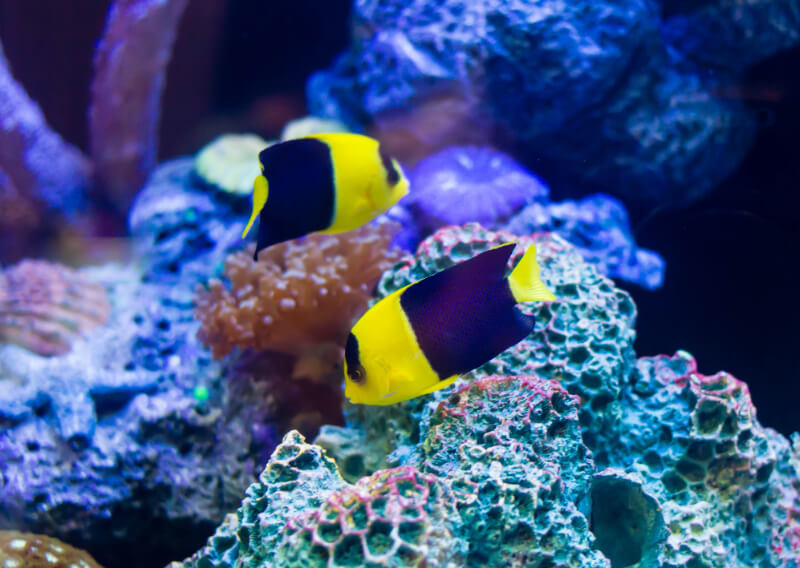
Credit: www.aquariumsource.com
Choosing The Right Tank
Picking the right tank is key to keeping angelfish healthy. The tank size, shape, and location affect their well-being.
This guide explains how to choose a tank that suits angelfish needs and your space.
Tank Size Recommendations
Angelfish need enough space to swim comfortably. A larger tank helps keep water clean and stable.
- Start with at least 20 gallons for a pair of angelfish.
- Add 10 gallons for each extra fish.
- Consider tank height because angelfish swim vertically.
Ideal Tank Shape
Tall tanks suit angelfish better than wide, shallow tanks. They use vertical space to swim freely.
| Tank Shape | Advantages | Disadvantages |
| Tall | Good vertical swimming space | May limit horizontal swimming |
| Wide | More horizontal space | Less vertical room for angelfish |
| Cube | Balanced dimensions | Can be costly and bulky |
Placement And Environment
Place the tank where it stays stable and safe. Avoid direct sunlight and loud noises.
- Keep the tank away from windows to prevent temperature swings.
- Place the tank on a sturdy, level surface.
- Choose a quiet spot to reduce stress for the fish.
- Ensure easy access for cleaning and feeding.
Water Quality Essentials
Keeping water clean is key for healthy angelfish. Good water quality helps them live longer and stay active.
Paying attention to temperature, pH, and filtration keeps the tank safe and comfortable for your fish.
Optimal Temperature Range
Angelfish thrive in water between 76°F and 82°F (24°C to 28°C). Temperatures outside this range can stress them.
Use an aquarium heater and thermometer to keep the temperature steady. Avoid sudden changes.
Maintaining Ph Balance
Angelfish prefer a pH between 6.5 and 7.5. Water that is too acidic or too basic harms their health.
- Test the water pH regularly using test kits.
- Adjust pH by adding natural substances like driftwood or crushed coral.
- Change water slowly to avoid sudden pH shifts.
Filtration Systems
| Filter Type | Benefit | Notes |
|---|---|---|
| Mechanical | Removes debris and particles | Clean filter media regularly |
| Biological | Breaks down harmful waste | Use bio-media for bacteria growth |
| Chemical | Removes toxins and odors | Replace activated carbon monthly |
A good filter keeps water clear and safe. Combine all types for the best results.
Regular Cleaning Routine
Keeping your angelfish tank clean is key to their health. A regular cleaning routine helps keep the water fresh. It also reduces harmful toxins.
Simple steps like water changes, cleaning tank walls, and substrate care keep the tank safe. These tasks prevent algae and waste buildup.
Partial Water Changes
Change about 20-25% of the tank water every week. Use a siphon to remove water and debris from the bottom. Always use dechlorinated water to refill the tank.
- Turn off all electrical equipment before starting.
- Use a gravel vacuum to remove water and waste.
- Dispose of the dirty water safely.
- Refill the tank slowly with fresh water.
- Turn equipment back on and check the water temperature.
Cleaning Tank Walls
Algae can build up on the tank walls. Use a soft sponge or algae scraper to clean them. Avoid harsh chemicals that can harm fish.
- Clean the inside glass weekly.
- Scrape gently to avoid scratching the glass.
- Use a magnetic cleaner for hard-to-reach spots.
- Wipe the outside glass with a damp cloth only.
Substrate Maintenance
Substrate holds waste and leftover food. Clean it often to keep water quality high. Use a gravel vacuum during water changes.
| Substrate Type | Cleaning Frequency | Cleaning Method |
| Gravel | Weekly | Vacuum with siphon |
| Sand | Every 2 weeks | Gentle vacuuming |
| Plant Soil | Monthly | Spot clean only |

Credit: www.reddit.com
Feeding Practices
Feeding your angelfish properly helps keep them healthy and active. Good feeding habits support their growth and vibrant colors.
Understanding what and how often to feed your angelfish prevents problems in your tank. Balanced nutrition and correct portions are key.
Balanced Diet Options
Angelfish need a mix of foods for proper nutrition. Their diet should include proteins, vegetables, and vitamins.
- High-quality flake or pellet food made for angelfish
- Frozen or live foods like brine shrimp and bloodworms
- Blanched vegetables such as spinach or zucchini
- Occasional treats like daphnia or tubifex worms
Feeding Frequency
Feed your angelfish small amounts two to three times a day. This helps keep their energy up without wasting food.
| Time of Day | Recommended Feed Amount |
| Morning | Small pinch of flakes or pellets |
| Afternoon | Small portion of frozen or live food |
| Evening | Small pinch of flakes or pellets |
Avoiding Overfeeding
Overfeeding causes water pollution and fish health problems. Feed only what angelfish can eat in two minutes.
- Give small portions at each feeding
- Remove uneaten food after feeding
- Watch your fish to see when they stop eating
- Adjust feeding amounts if water gets cloudy
Health Monitoring
Keeping angelfish healthy is key to a thriving tank. Regular checks help spot problems early.
Watching for signs of illness protects your fish and keeps your aquarium stable.
Identifying Common Diseases
Angelfish can get diseases like ich, fin rot, and velvet. These often show on their skin or fins.
- Ich:White spots on body and fins.
- Fin Rot:Ragged or shrinking fins.
- Velvet:Gold or rust-colored dust on skin.
- Swim Bladder Issues:Difficulty swimming or floating.
Behavioral Signs To Watch
Changes in behavior often mean your angelfish is sick or stressed. Watch for these signs.
| Behavior | Possible Cause |
| Loss of appetite | Illness or water quality issues |
| Hiding more than usual | Stress or disease |
| Erratic swimming | Swim bladder problems or infection |
| Gasping at surface | Low oxygen or gill disease |
Quarantine Procedures
Use quarantine tanks to keep new or sick fish apart. This stops diseases from spreading.
Follow these quarantine steps:
- Set up a separate tank with clean water.
- Keep new or sick angelfish here for 2 to 4 weeks.
- Monitor fish daily for illness signs.
- Do water changes often to keep water clean.
- Only move fish to main tank if they stay healthy.
Tank Decoration Tips
Angelfish are beautiful and graceful creatures. Proper tank decoration helps them thrive. It’s important to choose the right plants and ornaments. This ensures a safe and comfortable environment for your angelfish.
Decorating your angelfish tank can be fun. It also helps create a natural habitat. Follow these tips for a stunning and healthy tank setup.
Choosing Plants And Ornaments
Plants and ornaments are crucial for a healthy tank. They provide shelter and help maintain water quality. Choose items that are safe for angelfish.
- Use live plants like Java Fern and Amazon Sword.
- Avoid sharp-edged ornaments to prevent injuries.
- Select ornaments that mimic natural habitats.
Creating Hiding Spots
Hiding spots help reduce stress for angelfish. These areas provide safety and comfort. Use natural materials to create them.
- Place rocks and driftwood strategically in the tank.
- Use caves or hollow ornaments for hiding places.
- Ensure hiding spots are accessible for angelfish.
Avoiding Harmful Materials
Some materials can harm your angelfish. It’s important to choose decorations carefully. Avoid anything that might release toxins.
- Do not use metal decorations, as they can rust.
- Avoid painted ornaments that might chip.
- Ensure all materials are aquarium-safe.
Compatibility With Other Fish
Angelfish are popular in community tanks. They have specific needs when living with other fish.
Understanding their compatibility is key to a peaceful aquarium environment.
Best Tank Mates
Choosing the right tank mates for angelfish ensures harmony in your aquarium.
- Corydoras Catfish
- Platies
- Swordtails
- Gouramis
- Rasboras
Aggression Management
Angelfish can show aggression, especially during breeding. It’s important to manage this behavior.
| Strategy | Effectiveness |
| Provide hiding spaces | High |
| Maintain a stable environment | Moderate |
| Separate aggressive fish | High |
Community Tank Setup
Setting up a community tank with angelfish involves careful planning. This ensures a balanced ecosystem.
Consider tank size and water parameters when adding new fish.
Regular monitoring can prevent issues and promote a healthy environment.

Credit: www.completekoi.com
Frequently Asked Questions
How Often Should I Clean An Angelfish Tank?
Clean your angelfish tank once a week by changing 25% of the water. Regular cleaning prevents harmful toxin buildup and keeps fish healthy. Use a gravel vacuum to remove debris and avoid disturbing beneficial bacteria.
What Is The Ideal Water Temperature For Angelfish?
Maintain the water temperature between 76°F and 82°F for angelfish. Consistent warmth supports their metabolism and immune system. Use a reliable aquarium heater and thermometer to monitor temperature daily.
How Do I Control Algae In An Angelfish Tank?
Control algae by limiting light exposure to 8-10 hours daily. Avoid overfeeding, as excess food promotes algae growth. Introduce live plants or algae-eating fish to naturally reduce algae buildup.
How Often Should I Test Water Quality For Angelfish?
Test water quality weekly for ammonia, nitrite, nitrate, and pH levels. Keeping parameters stable ensures angelfish health and prevents stress. Use an aquarium test kit and adjust water conditions as needed.
Conclusion
Caring for your angelfish tank keeps your fish healthy and happy. Clean water and regular checks make a big difference. Changing water often stops dirt and germs. Feeding the right food helps angelfish grow strong. Watch your fish daily to catch problems early.
A tidy tank also looks nice in your home. Small efforts bring big rewards in fish care. Enjoy the calm and beauty your angelfish bring. Keep these tips in mind to create a good home for your fish.