
Bringing a new angelfish home is exciting, but how you introduce it to your tank can make all the difference. If you want your angelfish to thrive and avoid stress or sickness, proper acclimation is key.
You might not realize it, but rushing this step can lead to serious health problems for your fish. You’ll discover simple, effective tips that will help your angelfish adjust smoothly to their new environment. Keep reading to ensure your tank stays healthy and your angelfish stays happy.
Preparing The Tank
Setting up the tank properly is key for angelfish health. A good start helps them adjust well.
Prepare the tank before adding angelfish. This keeps the water clean and safe for them.
Choosing The Right Tank Size
Angelfish need enough space to swim freely. A small tank can cause stress and illness.
Choose a tank that holds at least 20 gallons. Larger tanks are better for groups of angelfish.
- Minimum tank size: 20 gallons for one or two angelfish
- 30 gallons or more for a small group
- More space reduces aggression between fish
Setting Up Filtration And Heating
Good filtration keeps the water clean and clear. It removes waste and harmful chemicals.
Maintain a stable temperature between 76°F and 82°F. Use a reliable heater for this range.
- Use a filter rated for your tank size
- Check and clean the filter regularly
- Set heater to keep water around 78°F
- Use a thermometer to monitor temperature
Creating A Suitable Environment
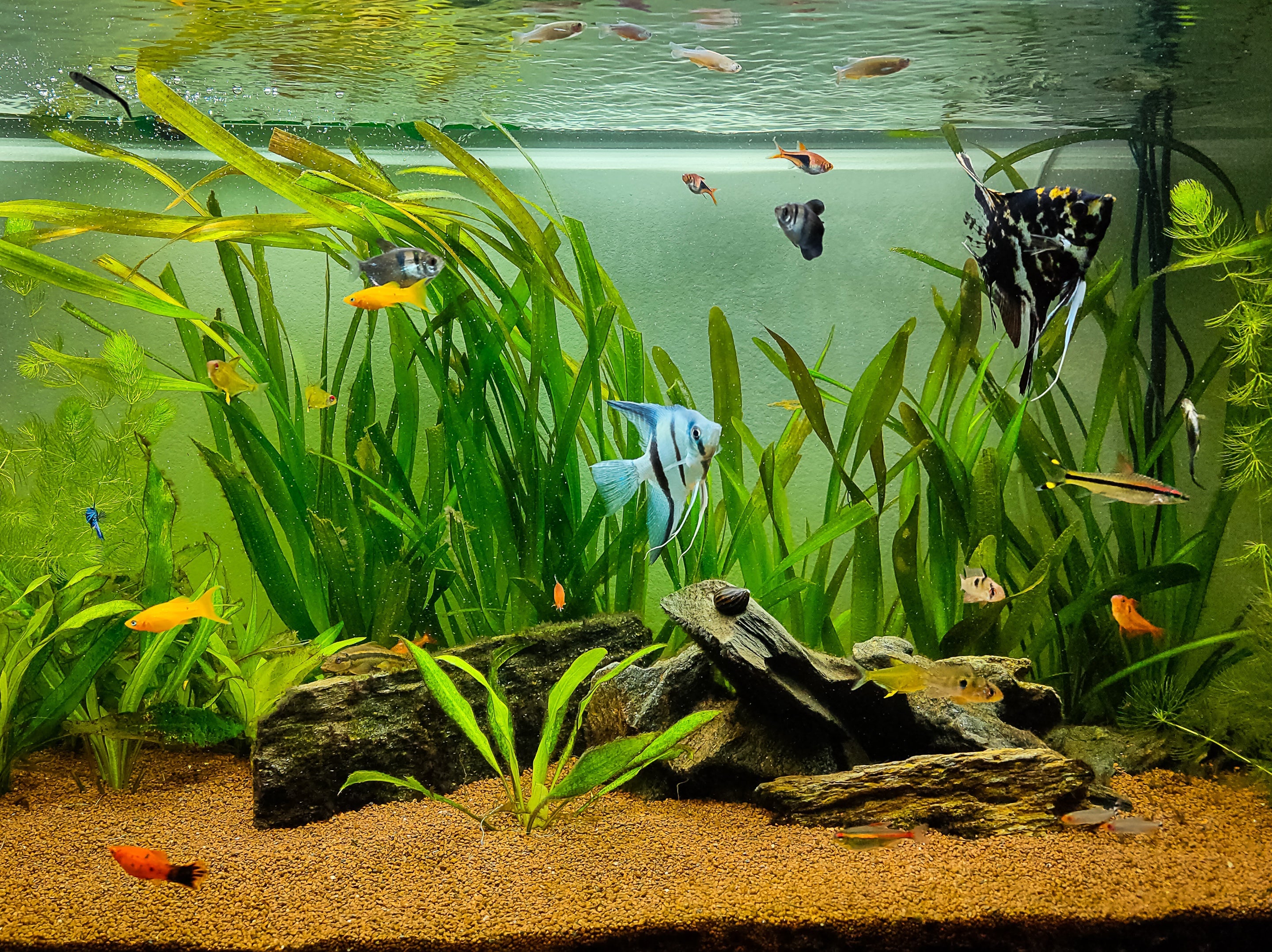
Angelfish like plants and hiding spots. These features make them feel safe and less stressed.
Use soft substrate and avoid sharp decorations. This prevents injuries while the fish explore.
- Add live or silk plants for cover
- Include rocks or driftwood for hiding
- Keep the tank dimly lit to mimic natural habitat
- Leave open swimming spaces in the center

Credit: angiesfishroom.com
Acclimation Methods
Acclimating angelfish to a new tank helps reduce stress and health risks.
Use careful methods to adjust fish to new water conditions safely.
Float Method
The float method lets the fish slowly adjust to tank temperature.
Place the sealed bag with the fish on the tank surface for about 15 to 20 minutes.
Drip Acclimation
Drip acclimation mixes tank water with the bag water gradually.
- Use a clean tube to drip tank water into the fish container.
- Adjust drip speed to about 2-4 drops per second.
- Continue until water volume doubles or triples.
- Release fish gently into the tank after acclimation.
Temperature And Ph Matching
Matching temperature and pH between old and new water reduces shock.
| Factor | Recommended Range |
| Temperature | Within 2°F (1°C) difference |
| pH | Within 0.2 to 0.3 units difference |
Introducing Angelfish
Angelfish are popular freshwater fish known for their elegant shape. They add beauty to home aquariums.
These fish need careful care, especially during tank transfer. Proper steps help keep them healthy.
Minimizing Stress During Transfer
Stress can harm angelfish when moving them to a new tank. Gentle handling helps reduce this risk.
- Use a soft net to catch the fish carefully.
- Keep the water temperature steady during transfer.
- Float the bag in the new tank to match temperatures.
- Open the bag slowly to let water mix gradually.
- Avoid sudden movements around the tank.
Monitoring Behavior After Release
Watching angelfish after release helps spot problems early. Healthy fish swim and eat well.
| Behavior | What It Means |
| Active swimming | Fish is comfortable in new tank |
| Hiding often | Possible stress or illness |
| Refusing food | May need water check or care |
| Gasping at surface | Low oxygen or poor water quality |
Post-acclimation Care
After acclimating your angelfish to a new tank, care is crucial for their health. Proper steps ensure they adjust well and thrive.
This guide covers feeding, water quality, and spotting stress or illness in your angelfish.
Feeding Tips
Feed your angelfish small amounts twice a day. Use high-quality flakes or pellets made for tropical fish.
- Offer food they can eat in 2-3 minutes
- Remove leftover food to avoid water pollution
- Include frozen or live foods for variety
- Do not overfeed to prevent health problems
Water Quality Maintenance
Keep the water clean and stable for your angelfish. Regular testing and changes help maintain good water quality.
| Parameter | Ideal Range |
| Temperature | 76-82°F (24-28°C) |
| pH Level | 6.8-7.8 |
| Ammonia | 0 ppm |
| Nitrite | 0 ppm |
| Nitrate | < 20 ppm |
Change 20% of the water weekly. Use a water conditioner to remove chlorine and chloramine.
Recognizing Signs Of Stress Or Illness
Watch your angelfish for unusual behavior or appearance. Early detection helps treat problems quickly.
- Loss of appetite
- Clamped fins
- Erratic swimming
- White spots or patches
- Breathing heavily or gasping at the surface
Common Mistakes To Avoid
Setting up an angelfish tank needs careful attention. Avoiding common errors helps your fish stay healthy.
Learn what to watch for during acclimation. This guide shows common mistakes and how to prevent them.
Rapid Water Changes
Changing too much water too fast shocks angelfish. This can cause stress and illness.
- Change only 10-20% of the water at once
- Match the temperature of new water to tank water
- Use a water conditioner to remove chlorine
- Wait several hours between water changes
Overcrowding The Tank
Too many fish reduce oxygen and increase waste. This harms angelfish health.
| Tank Size (Gallons) | Maximum Number of Angelfish |
| 20 | 2 |
| 30 | 3 |
| 55 | 5 |
| 75+ | 7 or fewer |
Ignoring Compatibility With Tank Mates
Some fish do not get along with angelfish. Aggressive or very small fish can cause problems.
- Neon Tetras
- Corydoras Catfish
- Ram Cichlids
- Gouramis
- Goldfish
- Barbs
- Discus
- Large aggressive cichlids
Credit: splashyfishstore.com

Credit: shop.thebiotagroup.com
Frequently Asked Questions
How Do I Acclimate Angelfish To A New Tank?
Start by floating the sealed bag in the tank for 15-20 minutes. Gradually mix tank water into the bag every 5 minutes. After 30-45 minutes, gently release the angelfish into the tank to reduce stress.
What Is The Best Water Temperature For Angelfish Acclimation?
Maintain the tank temperature between 76°F and 82°F. Consistent temperature prevents shock during acclimation. Use a reliable heater and thermometer for accuracy.
How Long Should Angelfish Acclimation Take?
Acclimation should last between 30 to 60 minutes. Slow introduction helps angelfish adjust to water parameters safely, avoiding stress or shock.
Can I Use Drip Acclimation For Angelfish?
Yes, drip acclimation is highly recommended. It allows gradual water mixing, reducing stress. Use airline tubing to slowly drip tank water into the transport container.
Conclusion
Taking time to acclimate angelfish helps them stay healthy and happy. Gradual changes reduce stress and prevent illness. Use steady water temperature and slow water mixing during acclimation. Watch your fish closely for signs of trouble. A calm start leads to a strong, thriving tank.
Careful steps make angelfish feel safe in their new home. Remember, patience is key for successful acclimation every time. Your efforts create a peaceful environment for these beautiful fish. Enjoy watching your angelfish grow and explore their tank.