
Are you fascinated by the vibrant patterns of angelfish and wonder how these beautiful designs come to life? If you’ve ever wanted to create your own stunning angelfish with unique patterns, selective breeding is the key.
By understanding how to choose the right fish and pair them carefully, you can watch your aquarium fill with colors and shapes that stand out like never before. You’ll discover simple steps and insider tips that make angelfish selective breeding both fun and rewarding.
Ready to turn your fish tank into a living masterpiece? Keep reading to unlock the secrets behind those mesmerizing patterns.

Credit: tropicflow.com
Basics Of Angelfish Patterns
Angelfish patterns vary greatly and make each fish unique. These patterns come from natural traits and selective breeding. Understanding the basics helps hobbyists choose and breed desired looks.
Patterns affect the angelfish’s appearance and appeal. Breeders study patterns to produce new and beautiful varieties.
Common Pattern Types
Angelfish show many common pattern types. Each type has distinct shapes and color spreads on the fish’s body and fins.
- Striped – Vertical or horizontal stripes along the body
- Marbled – Irregular spots and patches of different colors
- Blotched – Large solid color areas mixed with white or other colors
- Veil – Delicate, lace-like patterns on fins
- Checkerboard – Small, square-like spots arranged evenly
Genetic Factors
Genes control angelfish patterns. Breeders select fish with preferred traits to pass on. Some patterns come from dominant genes while others are recessive.
| Gene Type | Effect on Pattern |
| Dominant | Strong pattern expression |
| Recessive | Pattern shows only if two copies are present |
| Incomplete Dominance | Blended or partial pattern expression |
| Polygenic | Multiple genes affect complex patterns |
Color Variations
Colors add beauty to patterns. Angelfish come in many colors like silver, gold, black, and pastel shades. These colors can mix with patterns in many ways.
Common color variations include:
- Silver base with black stripes
- Gold with white patches
- Black with metallic blue highlights
- Pastel shades with marbled effects
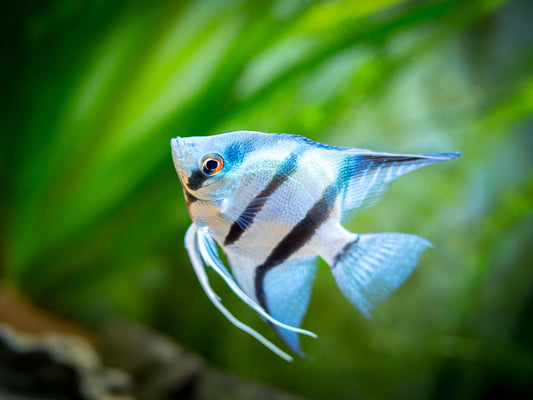
Credit: aquaristsacrosscanada.com
Selective Breeding Techniques
Selective breeding helps produce angelfish with unique patterns. Breeders choose fish with the best traits to mate. This process improves the appearance of future generations.
The goal is to enhance patterns like stripes, spots, or colors. Careful selection and control of breeding conditions are important. This guide explains key steps in selective breeding.
Choosing Parent Fish
Select healthy angelfish with clear and strong patterns. Look for fish with traits you want to pass on. Avoid fish with diseases or weak features.
Choose pairs that show complementary patterns. This can create more interesting offspring. Keep notes on each fish’s pattern and health for future reference.
- Pick fish with bright colors and clear patterns
- Choose parents that are free from illness
- Match fish with complementary traits
- Record details about each parent
Breeding Environment Setup
Set up a clean tank with stable water conditions. Angelfish need warm water between 78°F and 82°F. Keep water pH around 6.5 to 7.0 for best results.
Provide flat surfaces for eggs, such as broad leaves or breeding cones. Avoid strong water currents to protect eggs and fry. Maintain good filtration and regular water changes.
- Use a clean tank with stable temperature
- Maintain water pH between 6.5 and 7.0
- Provide flat surfaces for egg laying
- Keep water flow gentle and filtered
Tracking Lineage
Keep records of each breeding pair and their offspring. Note traits like patterns, colors, and health in each generation. This helps identify which traits breed true.
Use simple charts or logs to track family lines. Tracking lineage prevents inbreeding and keeps patterns consistent. It also helps plan future pairings for better traits.
- Record parent fish and their traits
- Note offspring patterns and health
- Use charts or logs for family lines
- Avoid breeding close relatives
Enhancing Color And Patterns
Selective breeding of angelfish helps improve their colors and patterns. This process focuses on choosing fish with the best traits.
Breeders aim to create angelfish with bright colors and clear, consistent patterns. Careful breeding takes time and patience.
Genetic Selection Strategies
Breeders select parent fish that show strong colors and patterns. They mate these fish to pass traits to the next generation.
They track traits over many generations. This helps keep the desired color and pattern traits strong in the fish.
- Choose fish with vibrant colors
- Select clear, distinct patterns
- Mate fish with similar traits
- Keep records of breeding results
Mutation And Variation
Sometimes, new colors or patterns appear due to mutations. These changes add variety to angelfish breeds.
Breeders watch for useful mutations. They can start new lines with unique colors or patterns.
- Mutations create new traits
- Variation keeps the breed interesting
- Selective breeding can enhance mutations
Maintaining Pattern Consistency
To keep patterns consistent, breeders mate angelfish with similar markings. This helps produce offspring with the same look.
Consistency is important for show-quality fish. It also helps keep the breed standard clear and stable.
- Select parents with matching patterns
- Avoid breeding fish with mixed traits
- Use careful record keeping
- Repeat selection over generations
Challenges In Pattern Breeding
Selective breeding of angelfish patterns takes patience and care. Breeders face many challenges that affect results.
This article covers key challenges in pattern breeding. Understanding these helps improve the breeding process.
Genetic Limitations
Genetic traits limit the variety of patterns possible in angelfish. Some patterns are hard to pass on to offspring.
Many genes control color and shape. Some genes dominate others, making certain patterns rare or unstable.
- Some patterns skip generations
- Unwanted traits may appear with desired ones
- Limited gene pool reduces pattern diversity
- Complex genetics require careful pairing
Health Concerns
Breeding for specific patterns can affect angelfish health. Inbreeding may increase disease risk.
| Health Issue | Cause | Effect on Fish |
| Weakened Immune System | Close breeding pairs | More illness |
| Physical Deformities | Genetic defects from inbreeding | Reduced swimming ability |
| Lower Fertility | Genetic stress | Fewer offspring |
Balancing Aesthetics And Viability
Breeders must find a balance between beautiful patterns and strong, healthy fish. Focusing only on looks can harm fish survival.
Important points to consider:
- Choose traits that do not weaken the fish
- Maintain genetic diversity for vitality
- Test breeding pairs for health and pattern
- Avoid extreme traits that reduce lifespan
Showcasing Stunning Angelfish
Selective breeding of angelfish creates unique and beautiful patterns. These patterns make each fish stand out in aquariums and shows.
Showing off angelfish requires good photography, clear display, and sometimes entering competitions. Each step helps highlight their special traits.
Photography Tips
Good photos capture the true colors and shapes of angelfish. Use natural light or soft lighting to avoid glare on the fish scales.
- Use a clean tank background
- Focus on the fish’s eyes and fins
- Take photos from different angles
- Avoid reflections on the glass
- Use a fast shutter speed to catch movement
Displaying Patterns
Angelfish have many patterns like stripes, spots, and marbling. Displaying these patterns clearly helps viewers appreciate the fish’s beauty.
| Pattern Type | Description | Common Colors |
|---|---|---|
| Striped | Vertical or diagonal lines on body and fins | Black, white, silver |
| Spotted | Small spots scattered over the body | Orange, black, white |
| Marbled | Blended colors creating a cloudy effect | Gold, silver, brown |
| Veil | Long flowing fins with slight patterning | White, black, blue |
Competitions And Exhibits
Competitions show off the best angelfish from breeders. Judges look for clear patterns, bright colors, and good health.
To prepare your angelfish for shows, keep these points in mind:
- Maintain a clean and well-decorated tank
- Feed a balanced diet to enhance color
- Handle fish gently to avoid stress
- Document your fish’s lineage and traits
- Bring clear photos for identification

Credit: tropicflow.com
Frequently Asked Questions
What Is Selective Breeding In Angelfish Patterns?
Selective breeding in angelfish involves choosing parents with desirable patterns. This method enhances and stabilizes unique colors and designs in offspring over generations.
How Do Patterns Develop In Angelfish Breeding?
Patterns develop through genetic inheritance. Breeders select angelfish with distinct patterns to mate, increasing the chances of producing offspring with similar or improved designs.
Why Is Selective Breeding Important For Angelfish?
Selective breeding helps preserve rare and beautiful patterns. It improves the fish’s aesthetic appeal and can increase their market value among hobbyists and collectors.
How Long Does Selective Breeding Take For Angelfish?
Selective breeding usually takes several generations, often months to years. Consistent selection for desired traits ensures pattern stability and quality in angelfish offspring.
Conclusion
Selective breeding shapes angelfish patterns with care and patience. This process helps create unique colors and designs. Breeders watch traits closely to keep the best qualities. It takes time, but results can be stunning. Pattern diversity makes angelfish more attractive to hobbyists.
Each fish tells a story of careful selection. Anyone interested can enjoy the beauty of these fish. Simple steps lead to impressive, patterned angelfish over time. Keep learning and observing for the best outcomes. Patience and attention bring rewarding results in breeding.