
Are you wondering if your angelfish is ready to mate? Knowing the signs of angelfish mating readiness can help you create the perfect environment for breeding.
When you spot these key behaviors, you’ll feel more confident in supporting your fish through this exciting phase. Keep reading to discover the clear signals your angelfish shows when it’s ready to start the next chapter in its life. This knowledge will make your aquarium experience even more rewarding.
Physical Changes In Angelfish
Angelfish show clear physical signs when they are ready to mate. These changes help them attract partners and prepare for spawning.
Watching these signs can help hobbyists know when breeding is near. The changes often involve color, body shape, and fin movements.
Color Intensification
Angelfish colors become brighter and deeper as they get ready to mate. This color change signals health and readiness to potential mates.
Both males and females show these changes, but males often become more vivid to attract females.
- Colors appear richer and more vibrant
- Patterns may become more distinct
- Some may show slight color shifts on fins or body
Body Shape Alterations
Angelfish develop subtle changes in body shape before mating. Their bodies may look fuller or rounder, especially in females.
Males often show a more angular and firm body posture, signaling readiness to defend territory.
- Females show a swollen belly indicating eggs
- Males appear larger and more robust
- Both may hold a more upright swimming position
Fin Display And Movement
Before mating, angelfish use their fins to communicate readiness. They spread their fins wide and move them slowly to show off.
These movements help attract mates and establish pair bonds. The fins look more extended and graceful during this time.
- Fins spread wider than usual
- Slow, deliberate fin movements
- Occasional fluttering or waving near potential mates

Credit: caribbeancompass.com
Behavioral Indicators
Angelfish show clear behaviors when they are ready to mate. Watching these signs helps you know when breeding will happen. Their actions get stronger and more noticeable.
These behaviors include how they interact as a pair, protect their area, and prepare a place for eggs. Each behavior plays a role in successful mating.
Increased Pair Bonding
Angelfish spend more time close together before mating. They swim side by side and touch often. This closeness builds trust and connection.
They may also clean each other gently. This shows they are ready to start a family. Pair bonding helps them coordinate during spawning.
Territorial Behavior
When ready to mate, angelfish protect a specific area strongly. They chase away other fish to keep the space safe. This spot becomes their nesting place.
Territorial actions include flaring fins and making quick movements. These signs warn others to stay away from the chosen area.
Nest Cleaning Activities
Before laying eggs, angelfish clean a flat surface carefully. They use their mouths to remove dirt and algae. A clean nest helps eggs stay safe and healthy.
This cleaning shows the fish are preparing for breeding. It also signals to each other that the nesting site is ready for eggs.
Environmental Factors Influencing Mating
Angelfish show clear signs when they are ready to mate. Their environment plays a big role in this behavior. Proper conditions can encourage mating readiness.
Small changes in the tank’s environment can help angelfish feel safe and ready to breed. Understanding these factors helps keep them healthy.
Water Temperature And Quality
Water temperature affects angelfish metabolism and breeding behavior. Warmer water helps trigger mating instincts.
Clean water with the right pH level keeps angelfish healthy. Poor water quality can stop them from mating.
- Ideal temperature: 78°F to 84°F (25°C to 29°C)
- pH level: 6.8 to 7.5
- Regular water changes prevent harmful buildup
- Stable water conditions reduce stress
Tank Setup And Decorations
Angelfish prefer a tank with enough space to swim and hide. A good setup helps them feel safe to mate.
Plants and flat surfaces give angelfish places to lay eggs. Decorations should not crowd the tank.
- Use live or artificial plants for hiding spots
- Include flat rocks or broad leaves for egg laying
- Keep tank size at least 20 gallons for a pair
- Avoid sharp objects to prevent injury
Lighting Conditions
Lighting influences angelfish activity and mating cycles. They need a regular light schedule to feel secure.
Too much light causes stress, while too little light slows breeding. Balanced lighting encourages natural behavior.
- Use 10 to 12 hours of light daily
- Provide a gentle, not harsh, light source
- Simulate natural day and night cycles
- Reduce light during breeding to calm fish

Credit: www.reddit.com
Timing And Frequency Of Mating
Angelfish mating depends on many natural signs. Knowing these signs helps you care for your fish better.
Understanding when and how often angelfish mate improves their breeding success. Watch for clear signals.
Breeding Cycles
Angelfish breed in cycles that match their environment. These cycles repeat every few weeks.
Temperature, light, and water quality affect these cycles. Good conditions help start breeding faster.
- Cycle length is usually 4 to 6 weeks
- Pairs may breed multiple times in one cycle
- Cycle resets if eggs are lost or eaten
Signs Of Readiness
Angelfish show clear signs when they are ready to mate. Watch their behavior closely.
They clean a flat surface and stay close together. Males may display brighter colors and flare fins.
- Pair swims side by side often
- They clean leaves or tank walls
- Both fish guard the chosen site
- Males show more vivid colors
Duration
The readiness phase can last from a few days up to a week. During this time, fish prepare their nesting site.
After eggs are laid, the pair may stay close for 3 to 5 days to guard and care for the eggs.
- Preparation phase: 2 to 7 days
- Egg guarding: 3 to 5 days
- Fry care lasts about 1 to 2 weeks
Common Mistakes To Avoid
Understanding angelfish mating readiness is important. Many fish owners make mistakes. These mistakes can affect the health and happiness of angelfish.
Learn to recognize these mistakes. This helps create a better environment for your angelfish.
Misinterpreting Signs
Angelfish show certain behaviors when ready to mate. Some owners misread these signs. They may think their fish is sick or stressed.
Look for signs like pairing up and cleaning a surface. These are clear mating readiness signals. Be observant to avoid confusion.
Overcrowding Issues
Angelfish need space to move and mate. Overcrowded tanks cause stress and aggression. This can harm their health and mating readiness.
Provide enough space in the tank. This helps angelfish feel safe and ready to mate. Aim for a peaceful environment.
Inadequate Nutrition
Proper nutrition is key for healthy angelfish. Poor diet affects their readiness to mate. Malnourished fish may not show mating behaviors.
Feed angelfish a balanced diet with variety. Ensure they get enough proteins and vitamins. This supports their overall well-being and mating readiness.
Preparing For Successful Breeding
Breeding angelfish requires careful preparation and attention. Knowing the right signs helps ensure success.
This guide covers how to select pairs, create the best environment, and watch their health and behavior.
Selecting Compatible Pairs
Choose angelfish that show good health and strong colors. Compatibility increases breeding chances.
- Look for pairs with similar size and temperament
- Avoid fish that show aggression or stress signs
- Choose fish that have mated successfully before if possible
- Ensure both fish are mature, usually over 6 months old
Creating Optimal Conditions
Prepare the tank to mimic natural conditions. A good environment encourages mating behavior.
| Condition | Recommended Setting |
| Water Temperature | 78-84°F (25-29°C) |
| pH Level | 6.8 to 7.2 |
| Tank Size | Minimum 20 gallons |
| Plants and Hiding Spots | Provide broad leaves and caves |
| Lighting | Moderate, 10-12 hours daily |
Monitoring Health And Behavior
Watch your angelfish closely. Healthy fish show readiness through specific actions.
- Pairs often swim close and clean each other
- They may guard a flat surface for egg laying
- Look for raised fins and bright colors as signs of readiness
- Ensure fish eat well and stay active
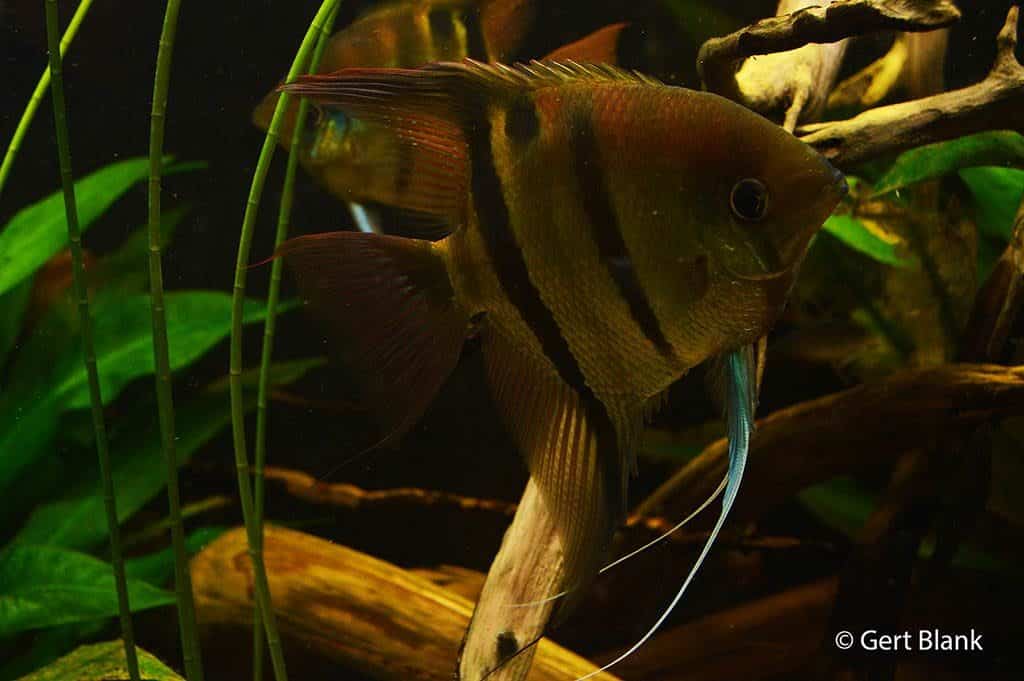
Credit: aquainfo.nl
Frequently Asked Questions
What Are Common Angelfish Mating Readiness Signs?
Angelfish show mating readiness by cleaning a flat surface. They display vibrant colors and swim closely together. Nest building and gentle nudging are also key signs of readiness to breed.
How Do Angelfish Behavior Changes Indicate Mating Readiness?
Mating angelfish become more territorial and protective of their chosen spot. They often chase away other fish. Frequent courting dances and synchronized swimming patterns signal they are ready to mate.
When Do Angelfish Start Preparing For Spawning?
Angelfish typically prepare to spawn when they are mature, around 6-12 months old. Preparation involves selecting and cleaning a suitable area. This stage often precedes actual egg laying by a few days.
Can Angelfish Color Changes Show Mating Readiness?
Yes, angelfish exhibit brighter and more intense colors during mating readiness. The color enhancement helps attract mates and signals good health. Dull colors usually indicate stress or lack of readiness.
Conclusion
Recognizing angelfish mating signs helps you care for them better. Watch for changes in behavior and appearance closely. These signs show they are ready to breed soon. Providing a calm and clean tank supports their natural process. Observing these cues creates a stronger bond with your fish.
Enjoy the experience of seeing angelfish prepare to mate. Stay patient and attentive to their needs daily. This knowledge makes fishkeeping more rewarding and enjoyable.