
Are you curious about how fast your angelfish will grow and what affects their growth? Understanding the angelfish growth rate is key to keeping your fish healthy and happy.
Whether you’re a beginner or have some experience, knowing what to expect helps you provide the best care. In this guide, you’ll discover simple tips and clear facts that make tracking your angelfish’s growth easy. Keep reading to learn how to support your fish’s development and enjoy watching them thrive in your aquarium.
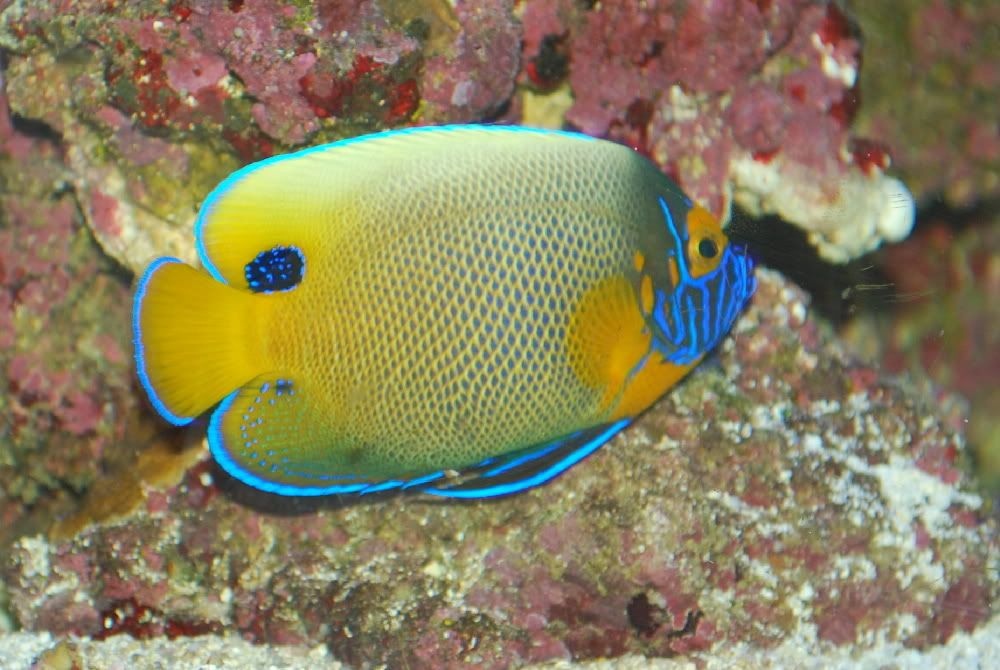
Credit: www.reefcentral.com
Angelfish Growth Basics
Angelfish are popular aquarium fish known for their graceful shape. Understanding their growth helps keep them healthy. Their size changes over time depending on care and environment.
Knowing the basics of angelfish growth helps you create the best conditions. This guide covers the main factors that affect growth and a typical timeline to expect.
Factors Affecting Growth
Several things influence how fast angelfish grow. These include diet, water quality, tank size, and genetics. Each factor plays a role in their overall health and size.
- Diet:A balanced diet with protein helps angelfish grow faster.
- Water Quality:Clean water with proper pH and temperature supports healthy growth.
- Tank Size:Larger tanks give more room to swim and grow.
- Genetics:Some angelfish naturally grow larger or faster than others.
Typical Growth Timeline
Angelfish grow at a steady pace during their first year. Growth slows as they reach adulthood. The timeline below shows average size milestones.
| Age | Average Size | Notes |
|---|---|---|
| 1 month | 0.5 inches (1.3 cm) | Larvae stage, very small and fragile |
| 3 months | 2 inches (5 cm) | Active juvenile, needs high-protein food |
| 6 months | 3.5 inches (9 cm) | Rapid growth phase, requires clean water |
| 1 year | 4-6 inches (10-15 cm) | Near adult size, slower growth |
| 2 years | 6-8 inches (15-20 cm) | Full adult size, stable growth |
Optimizing Water Conditions
Keeping the right water conditions helps angelfish grow strong and healthy. Good water makes angelfish active and improves their color.
Understanding temperature, pH, and water changes supports angelfish growth. This guide covers key water care tips.
Ideal Temperature And Ph
Angelfish grow best in warm water with a stable pH level. The ideal temperature range is between 76 and 82 degrees Fahrenheit. The pH should stay around 6.8 to 7.8.
- Keep temperature steady to avoid stress.
- Use a reliable aquarium heater and thermometer.
- Test pH regularly with aquarium test kits.
- Adjust pH with safe products if needed.
Maintaining Water Quality
Clean water reduces disease and helps angelfish grow faster. Remove waste and toxins often to keep water safe.
| Water Quality Factor | Recommended Level |
| Ammonia (NH3) | 0 ppm |
| Nitrite (NO2) | 0 ppm |
| Nitrate (NO3) | Less than 20 ppm |
| Water Hardness | 3 to 8 dKH |
Importance Of Regular Water Changes
Changing water regularly keeps the tank clean and healthy. It removes waste and adds fresh oxygen for angelfish.
- Change 25% to 30% of the water every week.
- Use a gravel vacuum to clean the substrate.
- Make sure new water matches tank temperature and pH.
- Avoid sudden changes to prevent fish stress.
Feeding For Faster Growth
Angelfish need a proper diet and feeding routine to grow quickly and stay healthy. Feeding them the right food in the right amount helps improve their growth rate. This guide explains how to feed angelfish for faster growth.
Good nutrition, feeding times, and supplements all play a part in helping your angelfish develop well. Follow these tips for better results.
Best Diets For Angelfish
Angelfish need a balanced diet with proteins, fats, and vitamins. Feeding them high-quality food improves their growth and color.
- Flake food made for tropical fish
- Frozen or live brine shrimp for protein
- Bloodworms as a treat for extra nutrients
- Vegetable flakes or blanched spinach for fiber
- Pellets with balanced vitamins and minerals
Feeding Frequency And Portions
Feed angelfish small amounts several times a day. This avoids overfeeding and helps them digest food well.
| Age | Feedings per Day | Portion Size |
| Fry (young fish) | 4 | Small pinches |
| Juvenile | 3 | Moderate amount |
| Adult | 2 | Enough to finish in 2-3 minutes |
Supplements And Vitamins
Adding supplements can help angelfish grow faster and stay healthy. Use these vitamins and minerals carefully.
- Vitamin C to boost immunity
- Calcium for strong bones and fins
- Omega-3 fatty acids for bright colors
- Spirulina powder for natural nutrients
Tank Setup Tips
Setting up a tank correctly helps your angelfish grow well. A good tank keeps them healthy and active.
Follow simple tips for the right tank size, decorations, and tank mates. These factors reduce stress and support growth.
Choosing The Right Tank Size
Angelfish need enough space to swim freely. A small tank can cause stress and slow growth.
- Use a tank that holds at least 20 gallons for one angelfish
- Add 10 gallons for each extra angelfish
- Choose a tall tank to allow vertical swimming
- Ensure good filtration and water flow
Aquascaping For Stress Reduction
Plants and decorations give angelfish places to hide. Hiding spots help reduce stress and encourage natural behavior.
Use these aquascaping tips:
- Add live plants like Amazon swords and java fern
- Place driftwood and rocks to create shelter
- Keep open swimming areas for movement
- Arrange items to avoid sharp edges or tight spaces
Compatible Tank Mates
Choose fish that get along with angelfish. Avoid aggressive or very small fish.
| Compatible Fish | Notes |
| Corydoras Catfish | Peaceful bottom dwellers |
| Neon Tetras | Small, non-aggressive |
| Ram Cichlids | Similar water needs |
| Gouramis | Calm and slow swimmers |
Health And Disease Prevention
Keeping angelfish healthy requires attention to their environment and behavior. Good care helps prevent illness and supports steady growth.
Understanding common diseases, signs of stress, and preventive steps is key for every angelfish owner.
Common Angelfish Diseases
Angelfish can get many diseases. Most come from poor water quality or stress. Early treatment helps them heal faster.
- Ich (White Spot Disease):Small white spots on body and fins; fish may scratch on objects.
- Fin Rot:Torn or ragged fins; often caused by bacteria in dirty water.
- Velvet Disease:Gold or rust-colored dust on skin; fish may breathe fast.
- Fungal Infections:Cotton-like growths on skin or gills.
- Bacterial Infections:Red sores or swelling; lethargy is common.
Signs Of Stress And Illness
Angelfish show clear signs when sick or stressed. Watch for changes to catch problems early.
| Sign | What It Means |
| Loss of Appetite | Possible illness or poor water quality |
| Clamped Fins | Stress or disease |
| Erratic Swimming | Nervousness, parasites, or injury |
| Breathing Fast | Low oxygen or gill disease |
| Color Fading | Stress or poor health |
Preventive Care Practices
Preventing disease is easier than curing it. Keep your angelfish safe with these simple steps.
- Test water regularly for pH, ammonia, nitrites, and nitrates.
- Change 25% of the water weekly to keep it clean.
- Avoid overcrowding the tank to reduce stress.
- Feed a balanced diet with quality food.
- Quarantine new fish before adding them to the main tank.
- Keep the tank temperature stable around 78-82°F (25-28°C).
- Clean tank decorations and substrate often.
Credit: www.ratemyfishtank.com
Breeding Impact On Growth
Angelfish growth depends a lot on breeding conditions. Proper breeding can speed up growth. This guide helps you understand how breeding affects growth.
Good breeding practices ensure healthy angelfish. Healthy fish grow faster and live longer. Let’s explore how breeding impacts growth.
Breeding Conditions
Breeding conditions are vital for angelfish growth. The right environment ensures healthy offspring. Temperature, water quality, and tank size matter.
Keep water clean and at a stable temperature. A large tank helps fish grow well. Healthy parents produce healthier fry.
- Maintain water temperature between 78-82°F
- Ensure good water quality with regular changes
- Use a spacious tank for breeding
Raising Fry For Quick Growth
Fry care is crucial for growth. Feed them well and often. Use high-quality fry food for better results.
Separate fry from adults to prevent stress. Stress slows growth. Keep fry in a clean, warm environment.
| Feed Type | Frequency |
| Brine Shrimp | 3 times a day |
| Micro Worms | Twice a day |
Separating Juveniles
Juveniles need space to grow. Separate them from adults. This helps reduce competition for food.
Provide a separate tank for juveniles. They grow faster with less stress. Monitor their growth regularly.
- Use a separate tank for juveniles
- Ensure they have enough space
- Regularly check their health
Credit: www.reefs4less.com
Frequently Asked Questions
How Fast Do Angelfish Grow In Captivity?
Angelfish grow moderately fast in captivity, reaching 3-4 inches in 6-9 months. Growth depends on water quality, diet, and tank size.
What Factors Affect Angelfish Growth Rate?
Water temperature, diet quality, tank size, and stress levels all impact angelfish growth. Maintaining ideal conditions ensures steady, healthy development.
When Do Angelfish Reach Full Adult Size?
Angelfish typically reach full size at 1 to 1. 5 years old. Proper care speeds growth, but genetics also play a role.
How To Promote Faster Growth In Angelfish?
Feed high-quality, protein-rich food regularly and maintain stable water parameters. Clean tanks and reduced stress also help angelfish grow faster.
Conclusion
Angelfish grow at different speeds depending on care and environment. Feed them well with quality food to help growth. Keep water clean and stable for healthy development. Watch their size and behavior to spot any problems early. Patience is key; growth takes time and steady care.
Enjoy watching your angelfish grow into beautiful adults. Small efforts make a big difference in their health. Keep learning and adjusting your care as they grow. This guide helps you support your angelfish every step of the way.