
If you want your angelfish to thrive and show their true colors, feeding them the right food is key. Frozen food is a popular choice that can boost their health and vitality.
But how do you choose the best frozen food? And how should you feed it to get the most benefits? Keep reading to discover simple tips that will make your angelfish happier and healthier every day. Your fish deserve the best, and it all starts with what you put in their tank.
Benefits Of Frozen Food
Feeding angelfish frozen food offers many advantages. It keeps the food fresh and tasty for your fish.
Frozen food helps maintain a healthy diet for angelfish. It supports their growth and bright colors.
Nutritional Advantages
Frozen food keeps nutrients intact better than dry food. It contains proteins, fats, and vitamins that angelfish need.
This food type often has less filler and artificial ingredients. It provides a more natural diet for your fish.
Improved Digestibility
Frozen food is easier for angelfish to digest. It softens quickly in water, helping fish eat without stress.
Better digestion means less waste in the tank. This keeps the aquarium cleaner and healthier for all fish.
Reduced Disease Risk
Frozen food is usually treated to remove parasites and bacteria. This lowers the chance of illness in angelfish.
Using frozen food reduces exposure to harmful germs often found in live food. It keeps your fish safer and stronger.
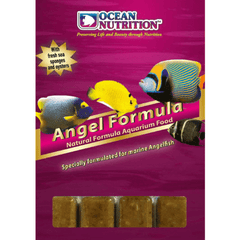
Credit: www.aquaristiconline.com.au
Types Of Frozen Food For Angelfish
Frozen food is a great way to feed angelfish. It keeps nutrients fresh and easy to store. Different frozen foods offer varied benefits for angelfish health.
Feeding your angelfish a mix of frozen foods helps keep their diet balanced. These foods mimic what angelfish eat in the wild.
Bloodworms
Bloodworms are popular frozen food for angelfish. They are rich in protein and easy to digest. Angelfish enjoy their soft texture and taste.
Frozen bloodworms help boost fish growth and color. They are also good for young or sick angelfish needing extra nutrition.
Brine Shrimp
Brine shrimp are small crustaceans often used as frozen food. They provide essential fats and proteins for angelfish. Their size makes them easy to eat.
Frozen brine shrimp improve angelfish activity and appetite. They also support healthy immune systems and vibrant colors.
Daphnia
Daphnia are tiny water fleas frozen for fish food. They help clean the angelfish’s digestive system. Daphnia are high in fiber and low in fat.
Feeding frozen daphnia can reduce constipation in angelfish. They also provide a natural source of minerals and vitamins.
Mysis Shrimp
Mysis shrimp are small shrimp found frozen for fish diets. They are rich in protein and omega-3 fatty acids. Angelfish love their meaty texture.
Frozen mysis shrimp help boost angelfish growth and color. They are an excellent treat that supports overall health.
Selecting Quality Frozen Food
Choosing the right frozen food for your angelfish is important for their health. Good quality food helps your fish stay active and colorful.
Not all frozen foods are the same. You need to know what to look for before buying or feeding them.
Checking Freshness
Fresh frozen food has a better taste and nutrition. Always check the date on the package. Avoid food that looks icy or has freezer burn.
- Look for clear packaging to see the food inside
- Check the freezing date or expiration date
- Avoid packages with ice crystals or discoloration
- Choose food that is firm and not mushy when thawed
Avoiding Preservatives
Some frozen foods contain chemicals to keep them longer. These can harm your angelfish over time. Look for natural or preservative-free options.
| Preservative | Possible Effect |
| Sulfites | May cause stress in fish |
| BHA/BHT | Can harm fish liver |
| Sorbates | May reduce food quality |
Packaging Tips
Good packaging keeps food fresh and safe. Check for sealed, airtight packages without damage. Proper packaging prevents contamination and freezer burn.
- Choose vacuum-sealed or tightly sealed packs
- Avoid torn or damaged packaging
- Store frozen food at consistent cold temperatures
- Use food soon after opening to keep it fresh
Feeding Frequency And Portions
Feeding angelfish frozen food needs care to keep them healthy. The right amount and timing help fish grow well.
Too much food can pollute the tank. Too little can cause weak fish. Learn how often and how much to feed.
Daily Feeding Schedule
Feed angelfish frozen food two times a day. Morning and evening feedings are best.
Give food in small amounts that fish can eat in a few minutes. Remove leftovers to keep water clean.
- Feed in the morning after tank lights turn on
- Feed again in the evening before lights go off
- Watch fish eat to avoid overfeeding
Portion Control
Portion control means giving just enough food. Overfeeding causes water problems and fish health issues.
Feed small portions that angelfish finish in about two to three minutes. Adjust portion size if food is left.
- Start with a pea-sized amount per fish
- Watch eating speed and reduce if food remains
- Increase portion slightly if fish finish quickly
Adjusting For Growth Stages
Young angelfish need more food often to grow fast. Adult fish eat less but need balanced meals.
Feed fry three times daily with tiny portions. Reduce feeding to twice daily as fish mature.
| Growth Stage | Feeding Frequency | Portion Size |
|---|---|---|
| Fry (young fish) | 3 times per day | Small, tiny portions |
| Juvenile | 2-3 times per day | Moderate portions |
| Adult | 2 times per day | Small to moderate portions |
Preparing Frozen Food For Feeding
Feeding angelfish with frozen food requires proper preparation. This helps keep the food fresh and safe for your fish.
Preparing the food the right way ensures your angelfish get the nutrients they need. It also prevents health problems.
Thawing Methods
Frozen food should be thawed before feeding angelfish. Thawing helps the food soften and makes it easier to eat.
Use cold or room temperature water to thaw the food. Avoid using hot water because it can harm the nutrients.
- Place frozen food in a sealed bag
- Put the bag in a bowl of cold water
- Wait 5 to 10 minutes until thawed
- Do not leave food out too long
Rinsing Techniques
Rinsing frozen food removes excess ice and any freezer smell. This keeps the food clean for your angelfish.
Use fresh, cool water for rinsing. Gently wash the food without crushing it to keep its shape and nutrients.
- Place thawed food in a small strainer
- Rinse under cool running water for a few seconds
- Shake off extra water before feeding
Avoiding Contamination
Clean feeding tools and containers prevent contamination. Contaminated food can cause illness in angelfish.
Always wash your hands before handling food. Use clean utensils and never reuse leftover frozen food.
- Use clean tweezers or spoons for feeding
- Store frozen food in sealed containers
- Discard uneaten food after feeding
- Keep freezer and fridge clean

Credit: krakencorals.co.uk
Signs Of Healthy Growth
Feeding angelfish frozen food can help them grow strong. Watching their health signs is important for their development.
Let’s explore the indicators of healthy growth in angelfish, focusing on color, behavior, and weight.
Color Vibrancy
Bright, vivid colors are a sign of a healthy angelfish. Their scales should shine and look vibrant.
Active Behavior
Healthy angelfish swim actively and explore their environment. They should not hide or stay still for too long.
- Swimming in all areas of the tank
- Responding to feeding time
- Interacting with other fish
Proper Weight Gain
Angelfish should gain weight steadily as they grow. Monitoring their size helps ensure they are not too thin or overweight.
| Age | Average Weight |
| 3 months | 15 grams |
| 6 months | 30 grams |
| 1 year | 50 grams |
Common Feeding Mistakes
Feeding angelfish frozen food needs care and attention. Many people make simple mistakes that harm their fish.
Knowing what not to do helps keep angelfish healthy and happy with their diet.
Overfeeding Risks
Giving too much frozen food can cause serious problems. Angelfish may get sick or dirty water may build up.
Leftover food rots and pollutes the tank. This harms fish and plants.
- Overfeeding leads to obesity in fish
- Uneaten food causes water pollution
- Excess feeding raises ammonia levels
- May cause swim bladder problems
Feeding Infrequently
Feeding angelfish too rarely can cause health issues. They need regular meals to stay strong.
Without enough food, fish become weak and less active. It can also slow their growth.
- Irregular feeding causes stress
- Fish may lose color and energy
- Can weaken immune system
- May lead to poor growth
Ignoring Food Variety
Feeding only one type of frozen food limits nutrients. Angelfish need different foods for good health.
Variety helps improve their immune system and keeps them lively and colorful.
- Different foods provide balanced nutrition
- Variety prevents diet boredom
- Supports immune system and growth
- Improves overall fish vitality

Credit: krakencorals.co.uk
Supplementing Frozen Food
Angelfish thrive on a varied diet. Frozen food offers a balanced nutritional profile. To enhance their meals, consider supplementing with other types of food.
Adding different food types improves health and vitality in angelfish. Let’s explore how to supplement their diet effectively.
Incorporating Pellets
Pellets provide essential nutrients and are easy to store. They can be a great addition to frozen food.
- Choose pellets designed for angelfish.
- Mix pellets with frozen food for variety.
- Observe fish to ensure they are eating both.
Adding Live Food
Live food can enhance feeding experiences and stimulate natural hunting instincts.
Consider these live food options:
| Type | Benefit |
| Brine Shrimp | High in protein |
| Bloodworms | Rich in iron |
| Daphnia | Good for digestion |
Using Vegetables
Vegetables are a great way to ensure angelfish get fiber and vitamins. They can be used to balance the diet.
- Offer blanched spinach or lettuce.
- Chop vegetables into small, bite-sized pieces.
- Introduce vegetables slowly to observe preferences.
Maintaining Water Quality
Good water quality is key to keeping angelfish healthy. Clean water helps fish grow well and stay active.
Feeding angelfish frozen food can affect water if not managed right. Watch the water carefully after feeding.
Cleaning Uneaten Food
Remove uneaten frozen food quickly. Leftover food can rot and pollute the tank water.
- Use a small net or siphon to scoop out leftovers
- Clean the tank bottom regularly
- Avoid overfeeding to reduce waste
Regular Water Changes
Change part of the water often. This keeps harmful substances low and oxygen high for angelfish.
| Water Change Frequency | Amount to Change |
| Weekly | 20% to 30% |
| Biweekly | 15% to 20% |
| Monthly | 10% to 15% |
Monitoring Parameters
Test water regularly to keep safe levels. Key parameters include ammonia, nitrite, nitrate, and pH.
- Check ammonia and nitrite weekly; both should be zero
- Keep nitrate under 20 ppm for healthy fish
- Maintain pH between 6.5 and 7.5 for angelfish
- Use reliable test kits for accuracy
Frequently Asked Questions
What Frozen Foods Are Best For Angelfish?
Frozen brine shrimp, bloodworms, and daphnia are ideal for angelfish. These foods provide essential protein and nutrients. They mimic the angelfish’s natural diet, promoting health and vibrant colors. Always thaw frozen food before feeding to avoid digestive issues.
How Often Should I Feed Frozen Food To Angelfish?
Feed frozen food to angelfish 2-3 times a week. This frequency balances nutrition without overfeeding. On other days, offer flakes or pellets for a varied diet. Monitor your angelfish’s appetite and adjust feeding as needed.
Can Angelfish Eat Only Frozen Food?
Angelfish can eat only frozen food, but variety is best. Combining flakes, pellets, and frozen food ensures balanced nutrition. A mixed diet supports growth, color, and overall health. Avoid relying on one food type exclusively.
How To Prepare Frozen Food For Angelfish Feeding?
Thaw frozen food in a small container with aquarium water. Avoid using tap water to prevent chemical exposure. Once thawed, feed small portions immediately to maintain freshness. Remove any uneaten food to keep the tank clean.
Conclusion
Feeding angelfish frozen food keeps them healthy and happy. Frozen food offers essential nutrients they need daily. It also helps reduce waste and maintain water quality. Rotate different frozen foods to provide variety and balance. Watch your angelfish closely to avoid overfeeding.
A proper diet supports their vibrant colors and strong immune system. Remember, regular feeding with quality frozen food makes a big difference. Care for your angelfish by choosing the right frozen food often. Simple steps lead to a thriving, beautiful aquarium.