
Are you tired of watching your angelfish fall ill despite your best efforts? You’re not alone.
Keeping angelfish healthy can be a challenge, especially if disease keeps striking again and again. But what if you could choose strains that are naturally tougher and more resistant to common illnesses? Imagine spending less time worrying about sickness and more time enjoying the vibrant beauty of your aquarium.
You’ll discover the best disease resistant angelfish strains and how they can make a real difference in your fishkeeping experience. Keep reading to find out how to protect your fish and create a thriving underwater world.

Credit: angelfishusa.com
Traits Of Disease Resistant Angelfish
Disease resistant angelfish have traits that help them stay healthy. These traits come from their genes, body, and behavior.
Understanding these traits helps fish keepers choose stronger angelfish. It also helps reduce illness in aquariums.
Genetic Factors
Genetics play a big role in disease resistance. Some angelfish strains carry genes that fight infections better.
Selective breeding can improve these genes. Breeders pick fish with strong immune systems to produce healthy offspring.
- Strong immune system genes
- Resistance to common fish diseases
- Ability to recover quickly from infections
Physical Characteristics
Some physical traits show if an angelfish is disease resistant. Healthy scales and bright colors are signs of strong fish.
Good body shape also helps. Fish with no deformities swim better and avoid stress, which lowers disease risk.
- Clear, bright scales
- Strong fins without damage
- Symmetrical body shape
- Good muscle tone and posture
Behavioral Traits
Behavior shows how well angelfish handle stress and disease. Active fish eat well and swim freely, which helps health.
Social behavior matters too. Fish that avoid fights and live peacefully have less chance of injury and infection.
- Active swimming and feeding
- Low stress levels
- Peaceful interaction with other fish
- Quick response to changes in environment
Popular Hardy Angelfish Varieties
Angelfish are a favorite for many aquarium lovers. Some varieties stand out for their hardiness and disease resistance. This guide covers popular types that are easier to keep healthy.
These angelfish strains show strong colors and patterns. They adapt well to different tank conditions. Learn about four popular varieties below.
Koi Angelfish
Koi Angelfish have vibrant orange, white, and black colors. Their pattern looks like the koi fish found in ponds. They are known to be hardy and resist common diseases well.
Marble Angelfish
Marble Angelfish show a mix of black, white, and gray swirls. Each fish’s pattern is unique. They handle water changes and tank stress better than many other angelfish types.
Silver Angelfish
Silver Angelfish have a shiny, metallic look with a light silver body. They are peaceful and strong against many diseases. These fish are a good choice for beginners.
Zebra Angelfish
Zebra Angelfish show clear black and white stripes. Their pattern looks like a zebra’s stripes. This variety is tough and adapts well to different aquarium setups.
- Strong immune system
- Easy to feed
- Good water tolerance
- Distinctive and bright patterns
- Low maintenance needs
Breeding Disease Resistant Angelfish
Breeding angelfish that resist diseases can improve your aquarium’s health. Strong fish survive better and need less medicine.
Focusing on disease resistance helps reduce fish loss and keeps your tank balanced. It takes care and patience.
Selective Breeding Techniques
Selective breeding means choosing angelfish with good health and strong traits to be parents. This helps pass disease resistance to young fish.
- Pick fish that show no signs of illness.
- Breed fish that survive well in your tank conditions.
- Keep track of family lines for stronger traits.
- Avoid breeding sick or weak fish.
- Repeat this over several generations.
Maintaining Genetic Diversity
Keeping many different angelfish varieties helps avoid inbreeding. Inbreeding can cause weak fish and more diseases.
| Method | Purpose |
| Rotate breeding pairs | Mix genes from different families |
| Introduce new fish | Add fresh genes to the group |
| Track lineage | Prevent close relatives from breeding |
Common Challenges
Breeding disease resistant angelfish has some problems. It needs time and careful monitoring.
- Disease can hide and show later in young fish.
- Some fish look healthy but carry germs.
- Maintaining diversity needs many fish and space.
- Tracking family lines can be complex.
- Stress and poor water harm even strong fish.
:strip_icc()/Trichogaster_trichopterus-DefenderRegina_800-56a32e803df78cf7727c420e.jpg)
Credit: www.thesprucepets.com
Tank Setup For Hardy Angelfish
Setting up a tank for disease resistant angelfish helps keep them healthy. A good tank provides space and clean water.
Proper setup reduces stress and supports the fish’s natural behavior. This guide covers key tank needs for hardy angelfish.
Optimal Water Conditions
Hardy angelfish need stable water conditions to stay strong. Keep the water clean and balanced for their health.
Ideal water temperature is between 76°F and 82°F (24°C to 28°C). Maintain pH levels from 6.8 to 7.8 for best results.
- Temperature: 76°F – 82°F (24°C – 28°C)
- pH level: 6.8 – 7.8
- Water hardness: 3 – 8 dKH
- Regular water changes: 25% weekly
- Good filtration system
Tank Mates Compatibility
Choose tank mates that live peacefully with angelfish. Avoid aggressive or very small fish to reduce stress.
Suitable companions share similar water needs and temperament. This helps keep the tank calm and safe.
- Other peaceful cichlids
- Large tetras
- Corydoras catfish
- Avoid fin-nippers and very small fish
- Do not mix with aggressive species
Feeding For Health
Good feeding supports angelfish immunity and strength. Provide a varied diet to meet all their needs.
Feed high-quality flakes, pellets, and live or frozen foods like brine shrimp. Feed small amounts twice daily.
- High-quality flakes or pellets
- Live or frozen brine shrimp
- Bloodworms and daphnia
- Feed small portions twice daily
- Remove uneaten food to keep water clean
Preventing Disease In Angelfish
Angelfish are beautiful and delicate. Keeping them healthy is very important. Disease can harm your fish fast. You can stop sickness before it starts.
Good care and clean water help your angelfish live strong. Learn the best ways to protect your fish from illness every day.
Quarantine Practices
Always keep new angelfish separate for at least two weeks. This stops germs from spreading to your main tank. Watch the new fish for any signs of sickness.
- Use a separate tank for new fish
- Check water quality daily in quarantine
- Feed a healthy diet to boost immunity
- Look for unusual spots or behavior
- Do not add fish to the main tank until fully healthy
Regular Tank Maintenance
Clean tanks keep angelfish safe from disease. Remove waste and old food often. Test the water for good quality every week.
| Maintenance Task | Frequency |
| Water Change (20-30%) | Weekly |
| Filter Cleaning | Monthly |
| Remove Uneaten Food | Daily |
| Check Water Parameters | Weekly |
| Clean Tank Walls | Biweekly |
Recognizing Early Symptoms
Spotting sickness early helps save your angelfish. Look for changes in color, spots, or behavior. Healthy fish swim actively and eat well.
- Faded or darkened color
- White spots or patches
- Clamped fins or ragged edges
- Breathing fast or gasping
- Loss of appetite
- Scratching on tank objects
Where To Buy Disease Resistant Strains
Finding disease-resistant angelfish can be tricky. It’s important to know where to look. This guide helps you discover trusted places to buy them.
Consider the options below to find healthy angelfish for your aquarium. Make sure to choose from reliable sources.
Reputable Breeders
Reputable breeders offer healthy angelfish strains. They ensure proper breeding techniques and healthy fish. Always ask about their breeding methods.
- Check local breeding farms
- Ask for recommendations from fish clubs
- Visit breeder websites for more information
Aquarium Stores
Aquarium stores often have a variety of fish. Look for stores with knowledgeable staff. They can guide you to the best disease-resistant strains.
| Store Name | Location |
| Aqua World | Downtown |
| Fish Haven | Uptown |
| Ocean Pets | Suburban Area |
Online Options
Online shopping offers convenience. Many websites provide disease-resistant angelfish. Be sure to read reviews and check customer feedback.
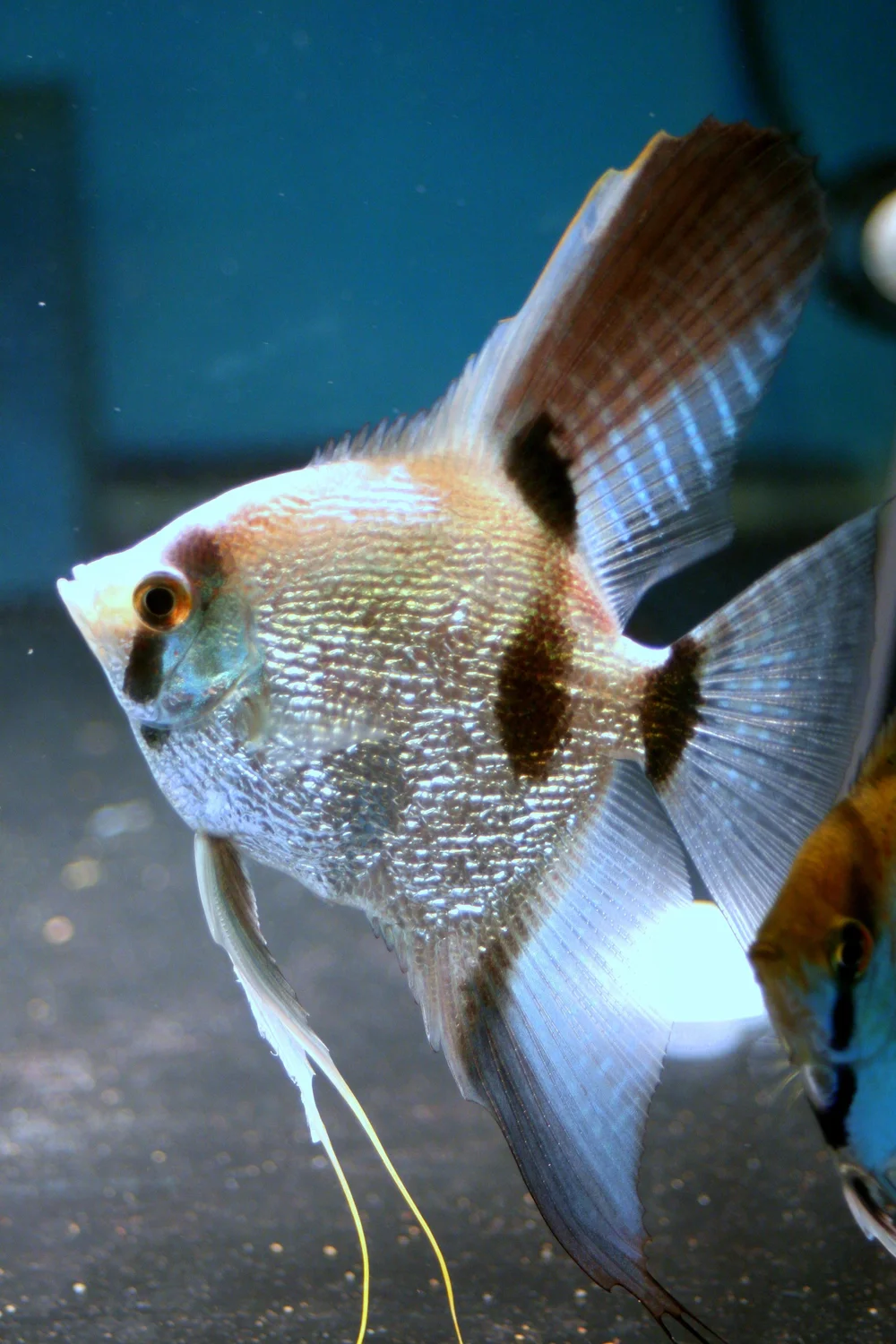
Credit: angelmania.net
Frequently Asked Questions
What Are The Best Disease Resistant Angelfish Strains?
The best disease resistant angelfish strains include Koi, Marble, and Zebra variants. These strains have stronger immune systems and better adaptability to tank conditions, reducing common disease risks and improving overall fish health.
How To Identify Disease Resistant Angelfish Strains?
Disease resistant angelfish strains often show vibrant colors and active behavior. Healthy fins, clear eyes, and consistent eating habits indicate strong immunity and lower chances of infection.
Can Disease Resistant Strains Prevent Common Angelfish Illnesses?
Yes, disease resistant strains reduce susceptibility to common angelfish illnesses like ich, fin rot, and velvet. However, maintaining proper water quality and nutrition is essential for disease prevention.
Are Disease Resistant Angelfish Strains More Expensive?
Disease resistant angelfish strains may cost slightly more due to selective breeding. Their higher price reflects better health, longevity, and reduced treatment costs in the long run.
Conclusion
Choosing disease-resistant angelfish strains helps keep your aquarium healthy. These fish need less medicine and fewer treatments. Stronger angelfish live longer and show better colors. They also grow well in many water conditions. Caring for them becomes easier and more fun.
Remember to provide clean water and good food. Watch your fish daily for any signs of illness. Healthy angelfish bring beauty and peace to your tank. Start with strong strains for a happy fish home.