
Are you fascinated by the vibrant colors and unique patterns of angelfish? Understanding these beautiful variations can make your aquarium truly stand out.
In this guide, you’ll discover the most popular angelfish color patterns and learn how to spot the differences that make each one special. Whether you’re a beginner or an experienced fish keeper, knowing these details will help you choose the perfect angelfish for your collection.
Keep reading to unlock the secrets behind these stunning patterns and bring more life to your tank!

Credit: tropicflow.com
Common Angelfish Colors
Angelfish come in many colors and patterns. These colors make them popular in home aquariums.
This guide explains common angelfish colors. It covers solid colors, stripes, and marbled types.
Solid Color Types
Solid color angelfish have one main color over their entire body. These colors are bright and clear.
- Silver: A shiny, metallic gray that reflects light well.
- Black: Deep, rich black covering the whole fish.
- Gold: Bright yellow or orange tones that look like gold.
- Blue: Soft shades of blue that cover the body evenly.
Striped Patterns
Striped angelfish have vertical lines on their bodies. The stripes contrast with the base color.
| Pattern | Description | Common Colors |
|---|---|---|
| Classic Stripes | Thin black stripes on silver or gold body | Silver, Gold, Black |
| Zebra | Bold black and white stripes | Black, White |
| Marble Stripe | Mixed stripes with marbled effect | Blue, Black, Silver |
Marbled Variations
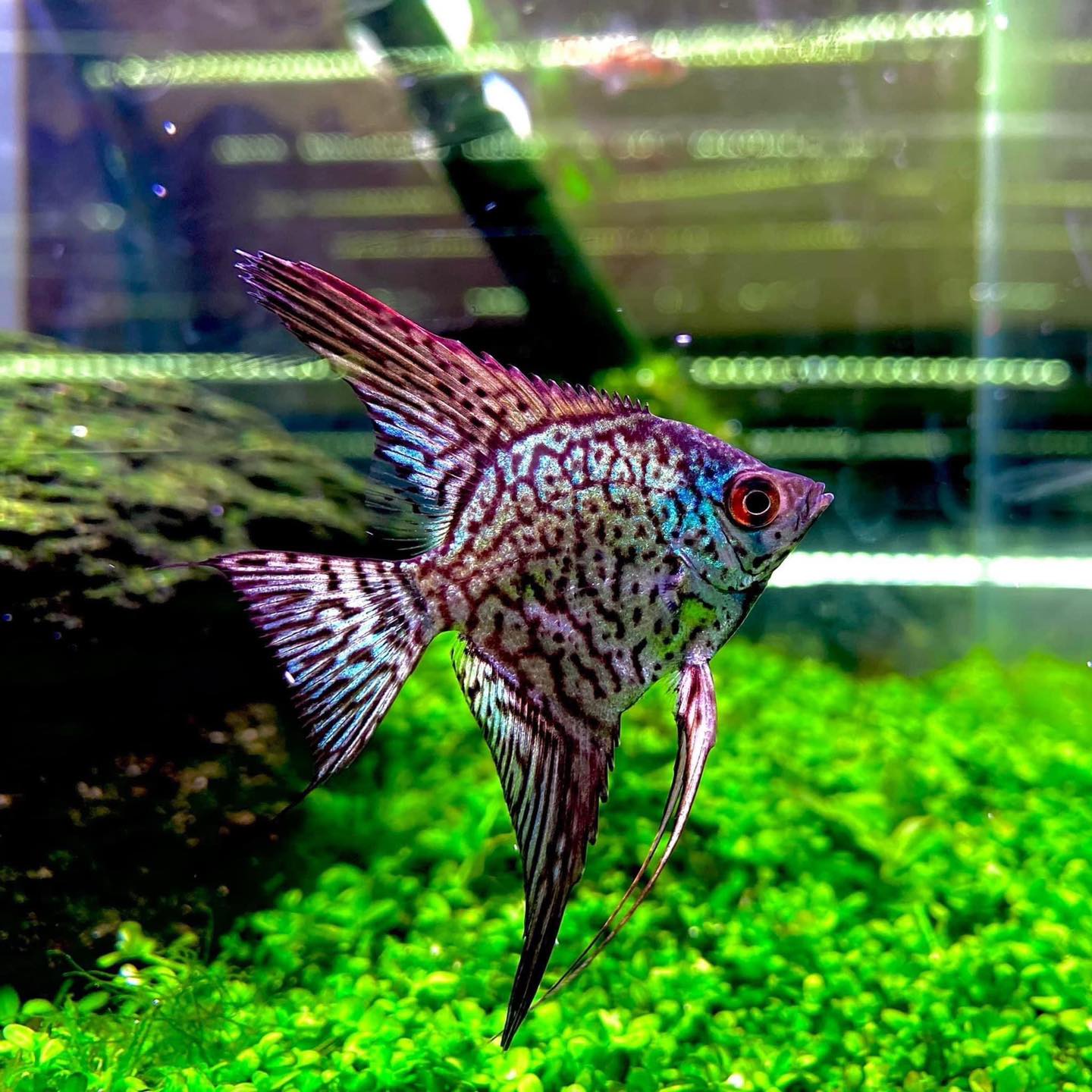
Marbled angelfish have irregular spots and patches. Their colors blend in a swirling pattern.
Common marbled colors include:
- Blue Marble: Light and dark blue mixed
- Gold Marble: Yellow with brown or black patches
- Black Marble: Black with white or gray spots
Credit: tropicflow.com
Rare And Exotic Patterns
Angelfish come in many colors and patterns. Some patterns are rare and very special.
These exotic patterns make angelfish stand out in any aquarium.
Koi Angelfish
Koi Angelfish have colors like the koi fish. They show bright orange, white, and black.
This pattern is rare and looks very beautiful in tanks with plants.
- Colors blend in soft patches
- Often has spots and splotches
- Looks like a swimming koi fish
Leopard Spots
Leopard Spots angelfish have many small dark spots. They cover the whole body and fins.
This exotic pattern is hard to find. It gives the fish a wild and unique look.
- Spots are round and clear
- Spots spread evenly across body
- Creates a leopard-like appearance
Blushing Angelfish
Blushing Angelfish have soft red or pink shades on their cheeks and fins.
This pattern gives a gentle and warm look. It is rare and loved by many fish keepers.
- Red or pink areas are subtle
- Colors blend smoothly with base color
- Looks like the fish is gently blushing
Color Changes Over Time
Angelfish show different colors as they grow and live. Their color patterns change slowly over time. This guide explains how their colors shift.
Understanding these changes helps you care for angelfish better. It also makes watching their beauty more interesting.
Juvenile To Adult Transition
Young angelfish have lighter and simpler colors. As they grow, their colors become deeper and more detailed. This change can take months.
Adult angelfish often show stripes or spots that were not clear before. Their fins may also gain color edges or patterns.
- Juveniles: pale colors and few patterns
- Adults: richer colors and clear markings
- Color changes show fish maturity
Environmental Influences
Light, water quality, and tank decorations affect angelfish colors. Bright light can make colors more vivid. Poor water can dull their colors.
Plants and background colors in the tank also change how angelfish look. They may adapt their colors to blend in or stand out.
- Bright light boosts color brightness
- Clean water helps keep colors sharp
- Tank background affects color contrast
Health And Color Vibrancy
Healthy angelfish show strong and bright colors. Stress, illness, or poor diet can make their colors fade. Watch for dull colors as a sign of problems.
Good food and a calm environment help angelfish keep their vibrant colors. Proper care ensures they look their best every day.
- Bright colors show good health
- Dull colors may mean stress or illness
- Balanced diet supports color vibrancy

Credit: tropicflow.com
Breeding For Color
Angelfish come in many beautiful colors. Breeding them for color means choosing fish with the best shades and patterns. This helps create vibrant and unique offspring.
Understanding how colors pass from parents to babies is important. Careful selection improves the chances of getting the desired look.
Selective Breeding Techniques
Selective breeding uses specific methods to enhance color traits. Breeders pick angelfish with strong colors and patterns. They avoid fish with weak or faded colors.
- Choose healthy parents with bright colors
- Breed fish that show clear, defined patterns
- Keep track of offspring colors and select the best
- Use line breeding to strengthen color traits
- Avoid mixing too many different color types
Popular Color Strains
Some angelfish colors are very popular among hobbyists. These strains often have unique and eye-catching patterns.
| Color Strain | Description |
| Veil Tail | Long fins with soft, flowing edges |
| Black Lace | Dark edges with white or silver center |
| Gold Marble | Gold base with random marbled patches |
| Blushing | Light body with red blush on cheeks |
| Albino | White body with red eyes and pale fins |
Genetics Behind Patterns
Angelfish colors come from genes passed by parents. Some genes are dominant and show more often. Others are recessive and appear less.
Here are common genetic terms used in angelfish breeding:
- Dominant gene:Always shows in offspring if present.
- Recessive gene:Shows only when both parents pass it on.
- Polygenic traits:Color patterns controlled by many genes.
- Mutation:A rare change causing new colors or patterns.
Caring For Colorful Angelfish
Angelfish are popular freshwater fish known for their bright colors and unique shapes. Caring for their colors needs extra attention to tank conditions and diet.
Healthy angelfish show better colors. This guide helps you keep their colors bright and vibrant.
Optimal Tank Conditions
Angelfish need clean water and the right environment to keep their colors strong. Keep the water temperature between 76 and 82°F.
Maintain pH levels from 6.5 to 7.5. Use a good filter to keep the water clear and change 25% weekly.
- Water temperature: 76-82°F (24-28°C)
- pH level: 6.5-7.5
- Weekly water changes: 25%
- Good water filter for cleanliness
- Provide plants and hiding spots
Diet For Vibrant Colors
Feeding angelfish a balanced diet helps keep their colors bright. Use high-quality flakes or pellets made for tropical fish.
Add frozen or live foods like brine shrimp and bloodworms to boost color and health. Feed small amounts two to three times a day.
- High-quality flakes or pellets
- Frozen or live brine shrimp
- Bloodworms for extra color
- Feed 2-3 times daily in small amounts
Stress Reduction Tips
Stress can dull angelfish colors. Keep the tank quiet and avoid sudden movements or loud noises near the tank.
Avoid overcrowding by keeping only 4-6 angelfish in a 20-gallon tank. Give them enough space to swim freely.
- Keep tank in a quiet place
- Limit sudden movements near tank
- Do not overcrowd the tank
- Provide hiding spots with plants
- Keep consistent light and dark cycles
Identifying Genuine Varieties
Angelfish have a range of beautiful color patterns. Recognizing genuine varieties helps in selecting the right fish for your aquarium.
Each angelfish variety has unique markings and colors. Learning these patterns ensures you get authentic types.
Avoiding Common Misidentifications
Misidentifying angelfish can lead to acquiring hybrids or less desirable types. Knowing what to look for is important.
- Observe the fin shapes and sizes carefully.
- Check for consistent color patterns across the body.
- Research the common varieties before purchasing.
Recognizing Hybrid Patterns
Hybrids can have unpredictable patterns. Recognizing them can be tricky but is crucial for breeding and collection.
| Characteristic | Pure Variety | Hybrid |
| Color Consistency | Uniform | Varies |
| Fin Shape | Standard | Irregular |
| Body Markings | Distinct | Blended |
Certification And Provenance
Certification ensures you are getting genuine angelfish varieties. Provenance provides background and authenticity.
Ask for certification from reputable breeders. Check documentation for the fish’s lineage and health records.
Frequently Asked Questions
What Are The Common Angelfish Color Patterns?
Common angelfish patterns include marble, zebra, koi, and veiltail. Each pattern displays unique color blends and markings. These patterns enhance the fish’s beauty and appeal in home aquariums. Understanding these helps in choosing the right angelfish for your tank.
How Do Angelfish Color Patterns Develop?
Angelfish color patterns develop through genetics and environment. Selective breeding enhances specific colors and designs. Water quality and diet also affect pattern vibrancy. Proper care ensures bright and healthy coloration over time.
Can Angelfish Change Their Color Patterns?
Angelfish can slightly change colors due to stress, health, or mood. Major pattern changes are rare and mostly genetic. Consistent tank conditions help maintain stable coloration. Recognizing these changes can indicate fish well-being.
Which Angelfish Patterns Are Best For Beginners?
Marble and zebra angelfish are ideal for beginners. They are hardy and visually striking. These patterns adapt well to different tank environments. Beginners should focus on healthy care rather than rare patterns initially.
Conclusion
Angelfish show many beautiful color patterns. Each pattern adds charm to your aquarium. Choose colors that fit your style and space. Caring for angelfish helps keep their colors bright. Enjoy watching these graceful fish swim around. Remember, healthy fish look their best.
Keep learning about their needs and habits. Your tank will become a lively, colorful place. Angelfish color patterns bring joy and life to any home.