
Keeping your angelfish healthy starts with one crucial factor: controlling ammonia levels in their tank. High ammonia can quickly harm or even kill your beautiful fish, but managing it doesn’t have to be complicated.
You’ll discover simple and effective tips to keep ammonia in check, ensuring your angelfish thrive. If you want to protect your fish and enjoy a vibrant aquarium, read on—your angelfish will thank you!
Why Ammonia Is Harmful
Ammonia is a toxic chemical that can build up in fish tanks. It forms from fish waste, leftover food, and decaying plants. Even small amounts can hurt angelfish.
Understanding why ammonia is harmful helps keep angelfish healthy. It affects their breathing, skin, and overall well-being.
Effects On Angelfish Health
Ammonia harms angelfish in many ways. It irritates their gills and skin. This makes it hard for them to breathe and stay healthy.
- Damages gill tissues, causing breathing problems
- Weakens the immune system, leading to illness
- Causes stress, which reduces lifespan
- Leads to lethargy and loss of appetite
- Can cause death if ammonia levels are too high
Sources Of Ammonia In Tanks
Ammonia comes from many places inside the tank. Knowing these sources helps reduce ammonia levels and protect angelfish.
| Source | Description |
| Fish Waste | Ammonia forms as fish release waste into the water |
| Uneaten Food | Leftover food breaks down and produces ammonia |
| Decaying Plants | Dead or rotting plants add ammonia to the tank |
| Dirty Substrate | Waste trapped in gravel can release ammonia over time |

Credit: www.reddit.com
Monitoring Ammonia Levels
Keeping an eye on ammonia levels is key for angelfish health. Ammonia can harm your fish if it builds up.
Regular checks help you act fast and keep the water safe for your angelfish.
Choosing The Right Test Kits
Pick a test kit that is easy to use and gives quick results. Liquid kits are very accurate.
- Look for kits that test for total ammonia and toxic ammonia
- Choose kits with clear instructions and color charts
- Consider test strips for quick checks, but confirm with liquid kits
- Buy kits from trusted brands for reliable results
Frequency Of Testing
Test your aquarium water often to catch ammonia problems early. New tanks need more checks.
| Tank Age | Testing Frequency |
| New Setup (first month) | Every day |
| Established Tank | Once a week |
| After Adding Fish | Every 2-3 days for 2 weeks |
| Signs of Stress | Daily until stable |
Water Changes And Maintenance
Keeping angelfish healthy means regular water care. Clean water lowers ammonia and other toxins.
Water changes and proper maintenance help maintain a safe environment for your fish.
How Often To Change Water
Changing water regularly keeps ammonia levels low. For angelfish tanks, change 20% to 30% of the water weekly.
- Test water ammonia twice a week.
- Change 20% to 30% water every 7 days.
- Use a gravel vacuum to remove debris.
- Replace water with the same temperature as the tank.
- Avoid changing all water at once to keep beneficial bacteria.
Proper Water Conditioning
New water must be treated before adding to the tank. This removes chlorine and harmful chemicals.
| Water Conditioner Feature | Purpose |
|---|---|
| Chlorine Removal | Protects fish gills from damage |
| Ammonia Neutralizer | Stops ammonia from harming fish |
| Heavy Metal Detoxifier | Removes metals that can be toxic |
| pH Stabilizer | Keeps water pH steady for fish health |
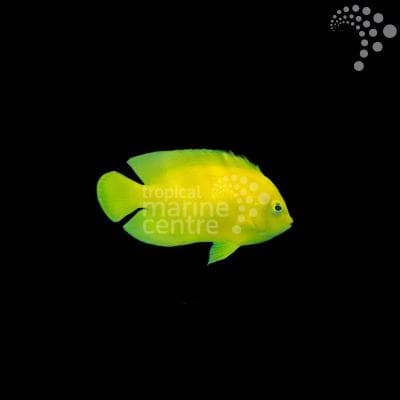
Credit: ireef.co.uk
Filtration Systems That Work
Keeping ammonia levels low is very important for angelfish health. Using the right filtration system helps remove ammonia from the water. This keeps the tank safe and clean.
Good filtration supports beneficial bacteria that break down ammonia. Choosing and maintaining filters well improves water quality for your angelfish.
Types Of Filters For Ammonia Removal
Several filter types help remove ammonia effectively. Biological filters are the best at breaking down ammonia using helpful bacteria.
Mechanical filters trap debris that can produce ammonia as it decays. Chemical filters use substances like activated carbon to remove ammonia directly.
- Biological Filters:Use bacteria to convert ammonia into less harmful substances.
- Mechanical Filters:Remove waste particles before they decay into ammonia.
- Chemical Filters:Use media like zeolite to absorb ammonia from water.
Maintaining Your Filter
Regular maintenance keeps your filter working well. Clean filter parts often but avoid killing beneficial bacteria.
Replace filter media as recommended to keep ammonia removal strong. Check water quality frequently to ensure ammonia stays low.
- Rinse filter sponges in tank water to keep bacteria alive.
- Change chemical media like activated carbon monthly.
- Inspect and clean filter parts to prevent clogs.
- Test water weekly for ammonia levels.
Feeding Practices To Reduce Ammonia
Keeping ammonia levels low is vital for angelfish health. Feeding habits play a big role in controlling ammonia. Proper feeding helps keep the tank clean and safe.
This guide covers two key tips: avoiding overfeeding and choosing quality fish food. These steps help reduce waste and keep ammonia in check.
Avoid Overfeeding
Overfeeding leads to leftover food in the tank. This leftover food breaks down and raises ammonia levels. Feed only what your angelfish can eat in a few minutes.
- Feed small amounts two to three times daily
- Remove uneaten food after 5 minutes
- Use a feeding schedule and stick to it
- Adjust feeding based on fish activity and appetite
Choosing Quality Fish Food
Good quality food is easier for angelfish to digest. This reduces waste and ammonia production. Avoid cheap foods that contain fillers and artificial colors.
| Type of Food | Benefit | Drawback |
| High-quality flakes | Easy to digest | Can be pricey |
| Pellets | Less waste | May sink too fast |
| Frozen or live food | Natural nutrition | Requires proper storage |
Using Beneficial Bacteria
Keeping angelfish healthy needs good ammonia control. Beneficial bacteria help manage ammonia levels. They break down harmful substances in the water.
Bacteria are nature’s cleaners in aquariums. They turn toxic ammonia into less harmful compounds. This keeps fish safe and water clean.
Bacterial Supplements
Bacterial supplements boost the number of beneficial bacteria in your tank. They are easy to use and support a healthy environment.
Adding these supplements is simple. Follow the instructions on the product label for best results. They help speed up the bacteria growth process.
- Choose a reputable brand for quality assurance
- Use supplements when setting up a new tank
- Apply during regular water changes for maintenance
Cycling Your Tank
Cycling your tank builds a strong bacteria colony. This process is important for controlling ammonia and keeping fish healthy.
Start by introducing a small amount of ammonia. This helps bacteria grow naturally. Over time, they will convert ammonia into nitrite, then nitrate.
- Monitor ammonia, nitrite, and nitrate levels regularly
- Complete the cycling process before adding fish
- Be patient; cycling takes several weeks
Additional Ammonia Control Tips
Avoiding ammonia spikes in your aquarium requires attention to water quality, tank maintenance, and responsible fish-keeping practices.
Avoid Overstocking
Overcrowding your tank can lead to ammonia spikes due to the increased bioload. Introduce new fish gradually and monitor water parameters closely.
- Conduct regular water changes to maintain optimal water quality.
- Monitor ammonia levels closely and perform water changes as necessary.
- Avoid sudden changes in water temperature, pH, or chemistry.
Regular Tank Cleaning
Regular tank cleaning helps maintain water quality and prevents the buildup of toxins. Remove debris, clean equipment, and replace filter media as necessary.
| Task | Frequency |
|---|---|
| Remove debris and waste | Weekly |
| Clean equipment and decorations | Monthly |
| Replace filter media | Every 2-4 weeks |
Credit: www.tropicalfishkeeping.com
Frequently Asked Questions
How To Maintain Safe Ammonia Levels For Angelfish?
Regularly test water to monitor ammonia levels. Perform weekly partial water changes. Use ammonia detoxifiers if needed. Avoid overfeeding and overcrowding to reduce waste buildup.
What Causes Ammonia Spikes In Angelfish Tanks?
Ammonia spikes result from overfeeding, overcrowding, and poor filtration. Decaying food and waste produce toxic ammonia. New tanks without established bacteria also cause spikes.
Can Plants Help Control Ammonia In Angelfish Tanks?
Yes, live aquatic plants absorb ammonia as nutrients. They improve water quality naturally. Adding fast-growing plants helps reduce ammonia levels effectively.
How Often Should I Test Ammonia In Angelfish Tanks?
Test ammonia at least once a week. Increase testing frequency after tank changes or adding new fish. Consistent testing prevents toxic ammonia buildup.
Conclusion
Controlling ammonia keeps angelfish healthy and happy. Regular water changes help remove harmful toxins. Testing water often shows early signs of problems. Clean filters work better and reduce ammonia buildup. Feeding fish the right amount stops leftover waste. These small steps protect your fish’s life.
A safe tank means bright colors and active fish. Keep these tips in mind for a strong aquarium. Your angelfish will thank you with good health. Simple care makes a big difference every day.