
Are you ready to bring a beautiful underwater world into your home without the hassle? An All-In-One Aquarium Kit gives you everything you need to create a stunning fish tank quickly and easily.
Imagine watching vibrant fish swim happily in a perfectly balanced environment that you set up yourself. Whether you’re a beginner or just want a simple, stress-free way to start your aquarium, this kit makes it possible. Keep reading to discover how an All-In-One Aquarium Kit can transform your space and make fishkeeping a joy from day one.
Choosing The Right Aquarium Kit
Picking the right aquarium kit is important for a good fish tank setup. It helps you keep fish healthy and happy.
You should think about the tank size, included tools, and your budget before buying.
Tank Sizes And Shapes
Tanks come in many sizes and shapes. Choose one that fits your space and fish needs.
Small tanks are good for beginners but need more care. Large tanks are stable but cost more.
- Small tanks (5-10 gallons) suit small fish and limited space
- Medium tanks (20-40 gallons) allow more fish and plants
- Large tanks (50+ gallons) offer more stability and variety
- Shapes like rectangular, cube, and bow front affect decoration and fish swimming
Included Equipment
An all-in-one kit usually has the tools you need for a good start. Check what is included before buying.
Common equipment includes filters, heaters, lights, and air pumps. These help keep the water clean and healthy.
- Filter: cleans water and removes waste
- Heater: keeps water temperature steady
- Light: supports plant growth and shows fish colors
- Air pump: adds oxygen to the water
Budget Considerations
Think about how much you want to spend. Kits vary in price based on size and equipment.
Cheaper kits may lack some tools, so you might buy extras later. More expensive kits usually include everything.
- Small kits cost less but may need upgrades
- Mid-range kits balance price and features
- High-end kits have all tools and better quality
- Consider ongoing costs like fish food and maintenance

Credit: www.amazon.ca
Setting Up Your Aquarium
Setting up your aquarium correctly helps fish live healthy lives. You need to prepare the tank carefully before adding fish.
This guide shows you how to set up your all-in-one aquarium kit step by step. Follow these tips for the best results.
Selecting A Suitable Location
Choose a place away from direct sunlight to avoid algae growth. The location should be stable and strong enough to hold the tank.
Keep the aquarium near power outlets for easy connection. Avoid places with temperature changes or drafts.
- Place on a flat, sturdy surface
- Avoid windows and heaters
- Near an electrical source
- Easy to access for maintenance
Installing Filtration Systems
Filtration keeps the water clean and safe for your fish. Use the filter included in your all-in-one kit or another suitable filter.
Follow the instructions to install the filter properly. Make sure it runs smoothly before adding fish.
- Rinse filter parts with water before use
- Place the filter where water flows well
- Check power connections carefully
- Run filter for 24 hours before use
Adding Substrate And Decorations
Substrate is the material at the bottom of your tank. It helps plants grow and gives fish a natural home.
Add decorations like rocks and plants to create hiding spots. Clean decorations before putting them in the tank.
- Rinse substrate to remove dust
- Spread substrate evenly on the tank bottom
- Place decorations carefully to avoid blocking filter
- Use safe, aquarium-friendly decorations only
Filling And Conditioning Water
Fill the tank slowly with clean water to avoid disturbing the substrate. Use a plate or bowl to pour water gently.
Add water conditioner to remove harmful chemicals. Let the water sit for a day to reach room temperature and balance chemicals.
- Use dechlorinated water
- Pour water gently to keep substrate in place
- Condition water to remove chlorine and chloramine
- Check water temperature before adding fish
Stocking Your Aquarium
Stocking your aquarium means choosing the right living creatures and plants. This step is important for a healthy tank.
You must think about what species can live well together and what they need to thrive.
Choosing Compatible Fish
Pick fish that get along and have similar needs. Some fish are peaceful, while others can be aggressive.
Check their size, water temperature, and behavior before adding them to your tank.
- Choose fish with the same water temperature needs
- Avoid mixing aggressive fish with peaceful ones
- Consider fish size to prevent bullying
- Research fish diet requirements
Adding Plants And Invertebrates
Plants and invertebrates add life and balance to your aquarium. They help clean the water and provide hiding places.
Choose plants that fit your tank’s light and water conditions. Pick invertebrates like snails or shrimp carefully to avoid harm to fish.
- Select low-light plants for dim tanks
- Use fast-growing plants to reduce algae
- Pick snails that do not eat plants
- Choose shrimp that are peaceful and small
Acclimating New Species
New fish and creatures need time to adjust to the tank water. Sudden changes can cause stress or illness.
Slowly introduce them by mixing tank water with their transport water. Do this over an hour to help them get used to the new environment.
- Float the sealed bag in the tank for 15-20 minutes
- Add small amounts of tank water to the bag every 10 minutes
- After an hour, gently release the fish into the tank
- Watch new fish closely for stress signs
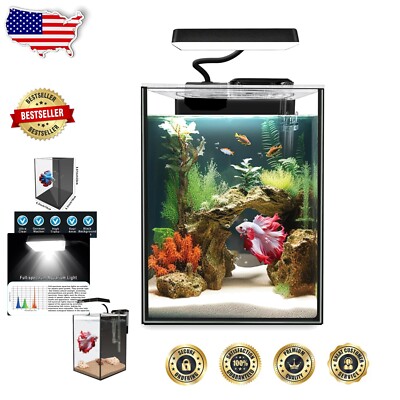
Credit: www.ebay.com
Maintaining Water Quality
Good water quality is key to a healthy aquarium. Clean water helps fish and plants stay alive.
Using an all-in-one aquarium kit makes it easier to keep water safe. You can watch and care for your tank well.
Monitoring Parameters
Check water parameters often. This includes pH, ammonia, nitrite, and nitrate levels. These affect fish health.
Test kits from your aquarium kit help you measure these values. Keep levels in safe ranges to avoid harm.
- pH should be stable and fit fish needs
- Ammonia and nitrite must stay at zero
- Nitrate should be low but not zero
Performing Regular Water Changes
Change part of the water often. This removes waste and keeps the tank fresh. It also lowers harmful chemicals.
Use clean, dechlorinated water. Change 10-20% of water every week. This keeps fish healthy and happy.
- Turn off filters before water change
- Remove water slowly to avoid stress
- Refill with water matching tank temperature
Preventing Algae Growth
Algae can grow fast and harm your aquarium. It makes water cloudy and uses oxygen that fish need.
Control algae by limiting light and nutrients. Clean decorations and glass regularly to stop buildup.
- Keep aquarium light on 8-10 hours daily
- Do not overfeed fish to reduce waste
- Use algae scrapers to clean tank surfaces
Troubleshooting Common Issues
Using an all-in-one aquarium kit can make fish keeping easier. Sometimes, problems still happen. Knowing how to fix common issues helps keep fish healthy.
This guide covers fish diseases, equipment failures, and water chemistry problems. Each section gives clear tips to solve these problems quickly.
Handling Fish Diseases
Fish can get sick from poor water or new fish. Watch for signs like spots, strange swimming, or loss of appetite. Act fast to stop disease spread.
Remove sick fish to a separate tank if possible. Use medicine made for fish diseases. Keep the water clean and check water quality often.
- Look for white spots or red marks on fish
- Check if fish are gasping at the surface
- Isolate sick fish to avoid spreading
- Use proper medication as directed
- Do regular water changes and clean the tank
Dealing With Equipment Failures
Filters, heaters, and lights can stop working. This can harm fish quickly. Check equipment regularly to catch problems early.
Keep extra parts like bulbs and fuses. If equipment fails, fix or replace it right away. Clean and maintain all gear to prevent breakdowns.
- Test the heater temperature daily
- Clean filter cartridges every 2 weeks
- Check air pumps for steady bubbles
- Replace bulbs that flicker or go out
- Have backup equipment ready if possible
Managing Water Chemistry Problems
Water quality is key to healthy fish. Test water for pH, ammonia, nitrite, and nitrate levels regularly. Bad water causes stress and illness.
Fix water problems by doing partial water changes. Use water conditioners to remove chlorine and balance chemicals. Avoid overfeeding and overstocking the tank.
- Test water weekly using aquarium kits
- Keep pH level stable for your fish type
- Remove ammonia and nitrites quickly
- Change 10-20% of water every week
- Feed fish only what they eat in a few minutes

Credit: www.walmart.ca
Upgrading And Customizing Your Kit
Transform your all-in-one aquarium kit into a thriving underwater world. Customizing and upgrading can enhance both functionality and aesthetics.
Explore various options to personalize your aquarium. These upgrades can improve water quality and create a visually stunning environment.
Adding Advanced Equipment
Advanced equipment ensures your aquatic life thrives. Consider adding gadgets that monitor and maintain optimal conditions.
- Install a high-quality filtration system
- Use a heater with adjustable temperature settings
- Consider an automatic feeder for convenience
Enhancing Aquarium Aesthetics
Creating a visually appealing aquarium involves choosing the right decorations and lighting. This can make your aquarium a stunning focal point.
Automating Maintenance Tasks
Automation can simplify maintenance, making it easier to keep your aquarium clean and healthy. This saves time and effort.
| Task | Automation Tool |
| Water Changes | Automatic Water Changer |
| Light Control | Smart Timer |
| Feeding | Automatic Feeder |
Tips For Both Beginners And Experts
Starting an aquarium can be fun for everyone. Whether you’re a beginner or an expert, there’s always more to learn. Here, you’ll find tips to help make your aquarium a thriving ecosystem.
All-in-one aquarium kits are a great way to start. They offer everything you need in one package. Let’s explore how you can make the most of your aquarium journey.
Establishing A Routine
Setting up a routine is key to keeping your aquarium healthy. Regular maintenance helps prevent problems before they start.
- Check water quality weekly
- Feed your fish daily, but not too much
- Change 10-15% of the water every two weeks
Learning From Experience
Experience is a great teacher in aquarium care. Observing your fish and plants helps you learn what works best.
Consider keeping a journal to track changes in your aquarium. Note water conditions, fish behavior, and plant growth. This helps you spot patterns and make informed decisions.
Joining Aquarium Communities
Joining a community can be very helpful. Other hobbyists share tips and experiences, which can be a great resource.
| Community | Platform |
| Aquarium Forums | Online |
| Local Clubs | In-person |
| Social Media Groups | Facebook, Instagram |
Frequently Asked Questions
What Is Included In An All-in-one Aquarium Kit?
An All-In-One Aquarium Kit typically includes a tank, filter, heater, lighting, and fish food. Some kits also come with decorations and water conditioners, providing everything needed to start a home aquarium easily.
How Easy Is It To Set Up An All-in-one Aquarium Kit?
These kits are designed for easy setup, ideal for beginners. Clear instructions and pre-selected components simplify the assembly and maintenance process, making it quick to create a healthy aquatic environment.
Can I Keep Different Fish Species In An All-in-one Aquarium Kit?
Yes, you can keep multiple compatible fish species. However, ensure the tank size and water conditions suit the fish types to maintain a balanced and healthy aquarium ecosystem.
How Do I Maintain Water Quality In An All-in-one Aquarium Kit?
Regular water changes, filter cleaning, and monitoring water parameters like pH and ammonia levels are key. Many kits include filters and conditioners to help maintain optimal water quality easily.
Conclusion
An all-in-one aquarium kit makes starting easy and fun. It includes everything needed for a healthy fish tank. Setup is simple, saving time and effort. Beginners and hobbyists both enjoy the convenience. Fish thrive in well-maintained environments these kits support.
Choosing the right kit helps avoid common mistakes. Enjoy watching colorful fish swim happily at home. A complete kit brings joy and calm to any space. Start your aquarium journey with confidence and ease.