
If you have bottom feeders in your aquarium, you know how important it is to keep them healthy and happy. Algae wafers are a simple and effective way to give your fish the nutrients they need.
But how do you choose the right ones? And what makes algae wafers so special for bottom dwellers? You’ll discover everything you need to know to make the best choice for your aquatic friends. Keep reading to find out how algae wafers can transform your tank and keep your bottom feeders thriving.

Credit: www.amazon.com
Benefits Of Algae Wafers
Algae wafers are a popular food choice for bottom feeder fish. They provide essential nutrients that these fish need. Feeding algae wafers helps keep bottom feeders healthy and active.
These wafers sink to the bottom of the tank, making them easy for bottom feeders to eat. This food supports their natural diet and helps maintain a balanced aquarium environment.
Nutritional Value For Bottom Feeders
Algae wafers contain important nutrients like vitamins and minerals. These nutrients support the growth and energy needs of bottom feeders. The wafers often include plant-based ingredients that fish naturally eat.
They provide protein and fiber, which help digestion and overall health. The slow-sinking nature of the wafers ensures fish get enough time to eat.
- Rich in plant-based protein
- Contains fiber for digestion
- Includes vitamins like A, C, and D
- Provides minerals such as calcium and iron
Enhancing Fish Health
Regular feeding of algae wafers helps strengthen fish immune systems. Healthy fish resist diseases better and live longer. The nutrients in wafers also support healthy skin and bright colors.
Good nutrition helps fish stay active and reduces stress. Stress-free fish are less likely to get sick. Feeding algae wafers can improve fish vitality and well-being.
- Boosts immune system
- Supports healthy skin and colors
- Reduces stress levels
- Promotes long life and activity
Supporting Natural Foraging Behavior
Algae wafers sink slowly, encouraging fish to forage naturally. Bottom feeders search the tank floor for food, which keeps them active. This mimics their behavior in the wild.
Foraging helps prevent boredom and promotes mental health. It also allows fish to eat at their own pace. Using algae wafers supports these natural habits in home aquariums.
- Sinks slowly for natural feeding
- Encourages searching and activity
- Prevents boredom
- Allows fish to eat at their pace

Credit: www.mooeys.com.au
Types Of Algae Wafers
Algae wafers are popular food for bottom feeder fish. They come in many types to fit different fish needs.
Each type offers unique benefits. Choosing the right one helps keep fish healthy and active.
Vegetarian And Spirulina-based Wafers
Vegetarian wafers use plant ingredients only. They contain algae, vegetables, and other natural fibers.
Spirulina-based wafers have spirulina algae. Spirulina is rich in protein and vitamins that fish need.
- Good for herbivorous fish
- High in natural nutrients
- Supports healthy digestion
Wafers With Added Vitamins And Minerals
Some algae wafers include extra vitamins and minerals. These help fish grow strong and resist disease.
Added nutrients can improve color and energy. They support fish immune systems well.
- Contains vitamins A, C, and E
- Includes minerals like calcium and iron
- Enhances fish vitality
Organic And Chemical-free Options
Organic algae wafers use natural ingredients without pesticides. These are safer for sensitive fish.
Chemical-free wafers avoid artificial additives. They reduce risk of water pollution in tanks.
- Made from sustainably grown algae
- No artificial colors or preservatives
- Better for the environment
Choosing The Right Algae Wafers
Algae wafers are a great food choice for bottom feeders in your aquarium. Picking the right wafers helps keep your fish healthy and happy.
Different fish have different needs. This guide helps you choose wafers that suit your fish and tank conditions.
Matching Wafers To Fish Species
Each bottom feeder has unique dietary needs. Choose wafers that match your fish’s species for best nutrition.
Some fish need more protein, while others prefer more plant-based ingredients. Read labels carefully to find the right balance.
- Corydoras need softer wafers that break easily.
- Plecos prefer wafers with more algae content.
- Loaches like wafers with extra fiber.
Considerations For Water Parameters
Water conditions affect how well your fish eat algae wafers. Choose wafers that fit your tank’s water parameters.
Check the pH, hardness, and temperature of your tank. Some wafers dissolve faster in soft or warm water.
- Hard water tanks need wafers that hold together well.
- Soft water tanks can use softer wafers.
- Warmer tanks may need wafers that do not dissolve too fast.
Size And Shape For Easy Consumption
Choose wafer size and shape based on your fish’s mouth and feeding habits. This helps your fish eat comfortably.
Small fish need smaller wafers. Larger fish can handle bigger, thicker wafers that last longer.
- Flat wafers are easy for bottom dwellers to pick up.
- Round wafers suit fish that nibble from the sides.
- Thick wafers last longer but may be hard for small fish.
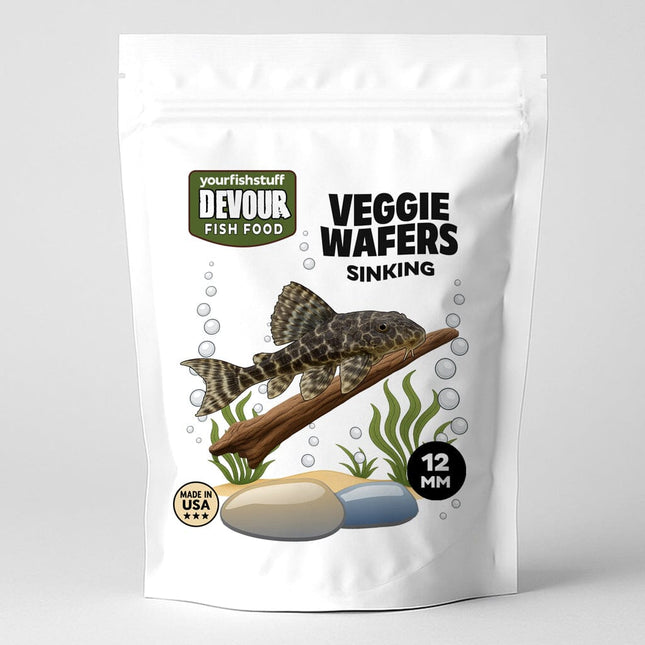
Credit: www.yourfishstuff.com
Feeding Tips For Bottom Feeders
Algae wafers are a popular food choice for bottom feeders in freshwater tanks. They provide essential nutrients and help keep your fish healthy. Proper feeding ensures your fish get enough food without harming the aquarium environment.
Understanding how often and how much to feed can improve your bottom feeders’ well-being. Watch your fish closely to adjust feeding habits as needed.
Optimal Feeding Frequency
Feed bottom feeders algae wafers once or twice a day. Avoid feeding more than they can eat in five minutes. This keeps the tank clean and prevents food waste.
- Feed small amounts at regular times
- Observe how quickly wafers are eaten
- Adjust quantity based on fish activity
- Do not feed late at night to avoid leftovers
Preventing Overfeeding
Overfeeding can cause water pollution and health issues for your fish. Use a simple table to track feeding amounts and times to avoid overfeeding.
| Feeding Time | Amount of Algae Wafers | Notes |
|---|---|---|
| Morning | 1 wafer piece | Check if eaten in 5 minutes |
| Evening | 1 wafer piece | Reduce if leftovers remain |
Monitoring Fish Response
Watch your bottom feeders after feeding to see how they react. Healthy fish eat actively and finish food quickly. Slow or no interest may mean overfeeding or health problems.
Signs to look for:
- Fish eagerly eat algae wafers
- Leftover food is minimal after feeding
- Fish swim actively near the bottom
- Watch for bloated or lethargic fish
Common Mistakes To Avoid
Algae wafers are a popular food for bottom feeders in aquariums. Feeding them correctly helps keep your fish healthy and active. Avoiding common mistakes will protect your tank environment.
Learn what to watch out for when using algae wafers. These tips will help you feed your fish safely and effectively.
Using Low-quality Wafers
Not all algae wafers are the same. Low-quality wafers may have fillers or lack nutrients. Feeding poor wafers can harm your fish and pollute the tank water.
- Choose wafers with natural ingredients
- Check for added vitamins and minerals
- Avoid wafers that contain dyes or artificial additives
- Read reviews and get recommendations from experts
Ignoring Tank Cleanliness
Feeding algae wafers adds extra food that can decay. Leftover food causes water quality to drop. Dirty tanks stress fish and cause disease.
| Problem | Effect |
| Uneaten wafers | Water pollution |
| Dirty substrate | Algae growth |
| High ammonia levels | Fish stress and illness |
Clean your tank regularly to remove leftover food and waste. Use a gravel vacuum and perform water changes often.
Feeding Incompatible Foods
Bottom feeders need specific diets. Mixing incompatible foods can upset their digestion or cause health problems. Avoid feeding them foods meant for other fish types.
- Do not feed flakes or pellets meant for surface feeders
- Use only algae wafers or sinking tablets designed for bottom feeders
- Check if foods contain harmful ingredients like high fat or artificial colors
- Feed small amounts and observe how your fish react
Diy Algae Wafers At Home
Algae wafers are a popular food source for bottom feeders in aquariums. However, store-bought wafers can be expensive and may contain unwanted additives.
By making your own algae wafers at home, you can save money and ensure that your fish are getting the nutrients they need. In this article, we will show you how to make DIY algae wafers using simple ingredients.
Ingredients For Homemade Wafers
You will need the following ingredients to make DIY algae wafers:
- 1 cup of dried spirulina or chlorella algae
- 1 cup of oatmeal
- 1/2 cup of wheat flour
- 1/4 cup of water
- 1 tablespoon of vegetable oil
- 1 teaspoon of salt
Step-by-step Preparation
Here’s a step-by-step guide to making DIY algae wafers:
Mix the dried algae, oatmeal, wheat flour, and salt in a bowl until well combined.
Add the water and vegetable oil to the bowl and mix until a dough forms.
Use a cookie cutter or a glass to cut out shapes from the dough.
Place the shapes on a baking sheet lined with parchment paper.
Storage And Shelf Life
To store your homemade algae wafers, place them in an airtight container and keep them in the refrigerator.
DIY algae wafers can last for up to 2 weeks in the refrigerator. You can also freeze them for longer storage.
Algae Wafers And Aquarium Ecosystem
Algae wafers are a popular food source for bottom-feeding fish in aquariums. These wafers are rich in nutrients and provide a convenient way to supplement a fish’s diet.
A well-balanced aquarium ecosystem is essential for the health and well-being of its inhabitants. Algae wafers play a crucial role in maintaining this balance, and their impact on water quality and the aquarium’s overall health is significant.
Impact On Water Quality
Algae wafers can significantly impact the water quality in an aquarium. When fish consume these wafers, they release waste products into the water, which can lead to an increase in ammonia and nitrite levels.
To mitigate this impact, regular water changes and proper filtration are essential. This helps maintain optimal water quality and prevents the buildup of toxins that can harm fish and other aquatic life.
Balancing With Other Food Sources
It’s essential to balance the use of algae wafers with other food sources in an aquarium. A varied diet that includes a mix of commercial foods, live or frozen foods, and vegetables helps ensure that fish receive all the necessary nutrients for optimal health.
- Commercial foods provide a balanced diet for fish
- Live or frozen foods offer variety and nutrition
- Vegetables add fiber and other essential nutrients
Benefits For Tank Plants And Inhabitants
Algae wafers can benefit tank plants and inhabitants in several ways. They provide a nutrient-rich food source for plants, promoting healthy growth and development.
Furthermore, algae wafers can help reduce algae growth in an aquarium, which can be beneficial for plants and fish alike. By controlling algae growth, aquarium owners can create a more balanced and stable ecosystem.
Frequently Asked Questions
What Are Algae Wafers For Bottom Feeders?
Algae wafers are specially formulated fish food designed for bottom-dwelling fish. They sink slowly, allowing bottom feeders to easily consume them. These wafers provide essential nutrients like vitamins, minerals, and fiber, promoting healthy growth and vibrant coloration in species like plecos and catfish.
How Often Should I Feed Algae Wafers To Bottom Feeders?
Feed algae wafers once or twice daily in small amounts. Overfeeding can pollute the tank and harm fish health. Observe your fish during feeding and adjust quantity as needed to prevent leftover food. Consistent feeding supports optimal growth and wellbeing for bottom feeders.
Can Algae Wafers Replace Natural Algae In Aquariums?
Algae wafers supplement natural algae but do not fully replace it. They provide balanced nutrition when natural algae are insufficient. Use wafers alongside natural food sources to maintain a healthy, diverse diet for bottom feeders and support their natural foraging behavior.
Are Algae Wafers Suitable For All Bottom Feeder Species?
Algae wafers are ideal for most herbivorous and omnivorous bottom feeders like plecos, corydoras, and loaches. However, carnivorous bottom feeders may need protein-rich diets. Always check species-specific dietary needs to ensure algae wafers are appropriate for your fish.
Conclusion
Algae wafers provide essential nutrition for bottom feeder fish. They sink slowly, allowing easy access for these fish. Feeding algae wafers helps maintain a healthy tank environment. Your bottom feeders will stay active and strong. Regular feeding supports their natural behavior and diet.
Choose quality wafers to keep your fish happy. Small changes make a big difference in tank care. Try algae wafers for balanced, simple feeding today.