
Are you ready to dive into the fascinating world of African Cichlids breeding? Whether you’re a beginner or have some experience, this guide will help you unlock the secrets to successfully raising these vibrant and energetic fish.
You’ll discover practical tips that make breeding easier and more rewarding, so your aquarium becomes a lively, colorful haven. Keep reading to learn how to create the perfect environment, understand their behavior, and watch your cichlids thrive like never before.
Your journey to becoming a confident breeder starts here!

Credit: www.amazon.in
Choosing The Right Species
Choosing the right African cichlid species is important for successful breeding. Each species has different needs and behaviors.
Knowing their size, tank needs, and care makes breeding easier and more enjoyable.
Popular African Cichlids For Breeding
Some African cichlids are easier to breed than others. These species are common choices for beginners and experts.
- Yellow Lab (Labidochromis caeruleus) – small, peaceful, bright yellow color
- Electric Blue Hap (Sciaenochromis fryeri) – medium size, vibrant blue
- Demasoni Cichlid (Pseudotropheus demasoni) – small, black and blue striped
- Peacock Cichlid (Aulonocara species) – colorful, calm temperament
- Convict Cichlid (Amatitlania nigrofasciata) – easy to breed, black and white stripes
Temperament And Compatibility
Temperament affects how well cichlids live and breed together. Some are peaceful, others are aggressive.
Choose species that match your tank setup and other fish to avoid fights and stress.
- Peaceful species like Yellow Labs do well with similar calm fish
- Aggressive species like Demasoni need their own space or separate tanks
- Mixing different temperaments can cause stress and stop breeding
- Always provide hiding places to reduce aggression
Setting Up The Breeding Tank
Setting up the right tank is key for African cichlids to breed well. The tank must mimic their natural home.
This guide covers tank size, water settings, and decoration choices to help you prepare.
Ideal Tank Size And Conditions
A tank that is too small can cause stress and reduce breeding chances. Choose a size that gives space to both adults and fry.
- A minimum of 30 gallons is good for a pair of African cichlids.
- Use a longer tank rather than a taller one to give more swimming room.
- Keep the tank covered to reduce water evaporation and protect fish.
- Ensure good lighting but avoid direct sunlight to prevent algae growth.
Water Parameters And Filtration
African cichlids need clean, stable water conditions for breeding. Test water regularly to keep parameters steady.
| Parameter | Ideal Range |
| Temperature | 75°F to 82°F (24°C to 28°C) |
| pH Level | 7.8 to 8.6 |
| Hardness (dGH) | 10 to 20 |
| Ammonia & Nitrite | 0 ppm |
Use a good filter that provides gentle water flow. Avoid strong currents that may stress the fish.
Decor And Substrate Choices
Decor and substrate should create hiding spots and mimic rocky lake environments. This encourages natural breeding behavior.
- Flat rocks and caves for shelter
- Small clay pots or PVC pipes as breeding caves
- Sand or fine gravel substrate to allow digging
- Avoid sharp decorations that can hurt fish
Conditioning Your Cichlids
Conditioning your African cichlids is important before breeding. It helps them stay strong and healthy.
Good care during this time improves the chances of successful breeding and healthy fry.
Diet And Nutrition
Feed your cichlids a balanced diet to prepare them for breeding. Quality food boosts their energy and health.
Include a mix of protein, vitamins, and minerals in their meals. Variety helps meet all their nutritional needs.
- Offer high-quality pellets made for cichlids
- Add frozen or live foods like brine shrimp and bloodworms
- Give vegetables like spinach or peas occasionally
- Feed small amounts multiple times daily
- Remove uneaten food to keep water clean
Health Checks Before Breeding
Check your cichlids for signs of illness before breeding. Healthy fish produce stronger offspring.
Look for clear eyes, smooth scales, and normal swimming behavior. Avoid breeding sick or stressed fish.
- Watch for white spots or patches on skin
- Check fins for damage or redness
- Observe appetite and activity levels
- Isolate any fish showing illness symptoms
- Perform water tests to ensure good tank conditions
Breeding Behavior And Signs
African cichlids show unique behaviors during breeding. Watching these signs helps you know when they are ready to mate.
Understanding their behavior makes breeding easier and increases success.
Courtship Rituals
Male cichlids display bright colors to attract females. They swim in circles and flare their fins. These actions signal readiness to mate.
- Males clean a flat rock or spot for egg laying
- They perform a shaking motion near the female
- Females respond by showing interest and following the male
- Both may dig shallow pits in the substrate together
Egg Laying And Fertilization
Females lay eggs on the prepared surface. Males then fertilize the eggs quickly. Parents often protect the eggs until they hatch.
| Stage | Details |
| Egg laying | Female deposits 50 to 300 eggs on the flat surface |
| Fertilization | Male releases sperm over eggs to fertilize them |
| Egg care | Parents guard eggs and fan them to provide oxygen |
| Hatching time | Eggs hatch in 2 to 7 days, depending on temperature |
Caring For Eggs And Fry
Breeding African Cichlids can be rewarding. Proper care for eggs and fry helps them grow strong.
Young fish need a clean environment and good food. This guide covers key care tips.
Incubation Period
African Cichlid eggs usually hatch in 2 to 4 weeks. The exact time depends on water temperature.
Keep the water clean and stable during incubation. Avoid sudden changes in temperature or pH.
- Maintain water temperature around 78°F to 82°F (25°C to 28°C)
- Use a gentle filter to avoid disturbing the eggs
- Check eggs daily for fungus or damage
Feeding The Fry
Fry need small, frequent meals to grow well. Start feeding when they become free-swimming.
Use fine foods like crushed flakes or baby brine shrimp. Feed 3 to 5 times daily in small amounts.
- Begin with liquid or powdered fry food
- Introduce live foods like baby brine shrimp after one week
- Remove leftover food to keep water clean
Preventing Common Issues
Watch for fungus and infections on eggs. Remove dead eggs quickly to stop spread.
Avoid overcrowding fry to reduce stress and disease. Keep water clean with regular changes.
- Use antifungal treatments if fungus appears
- Keep fry tank well aerated but gentle
- Test water weekly to maintain good quality
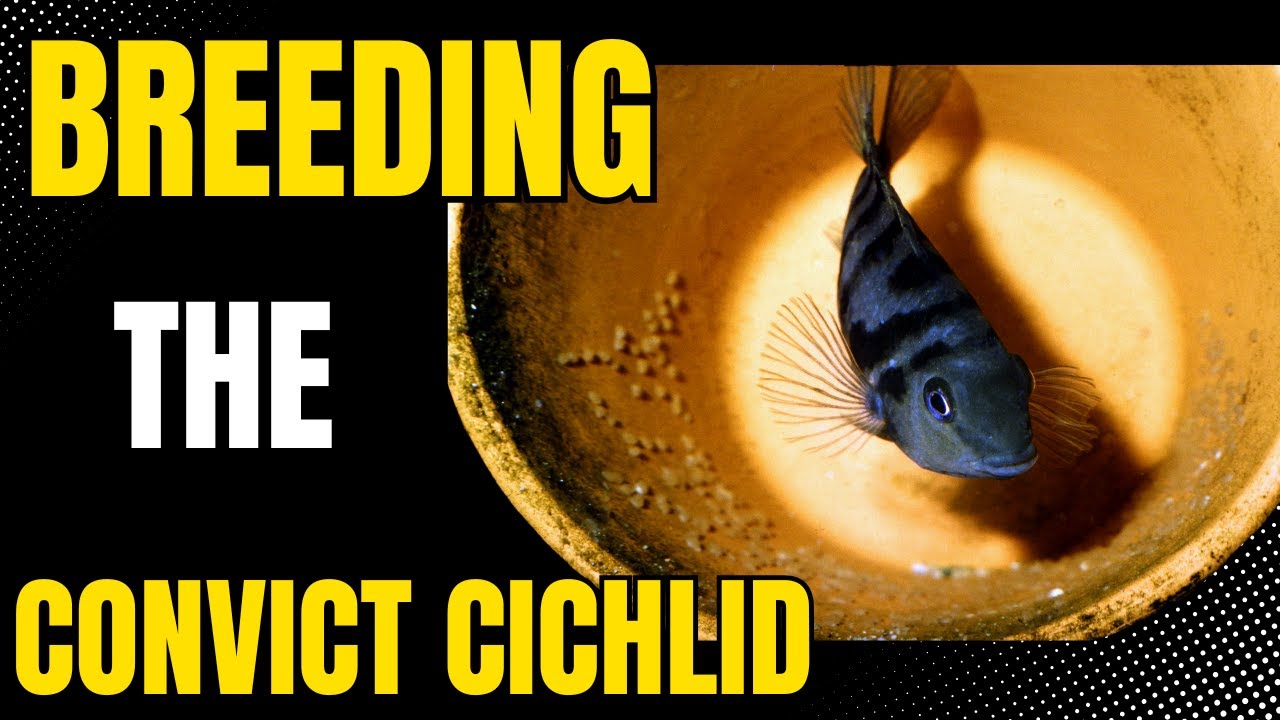
Credit: www.youtube.com
Maintaining A Successful Breeding Cycle
Breeding African Cichlids can be a rewarding experience. It requires understanding their behavior and needs. This guide helps you maintain a successful breeding cycle.
Creating the right environment is key. It includes managing aggression, separating adults and fry, and monitoring their growth and health.
Managing Aggression
African Cichlids can be aggressive, especially during breeding. It is important to manage their aggression to ensure a peaceful tank environment.
Provide plenty of hiding spots with rocks and plants. This helps reduce stress by giving them places to retreat.
- Use tank dividers if aggression is high
- Monitor fish behavior regularly
- Remove overly aggressive fish to another tank
Separating Adults And Fry
Once the eggs hatch, separating adults from fry is important. Adult cichlids might eat their young if left together.
Use a breeding net or a separate nursery tank for the fry. This protects them and gives them a safe space to grow.
- Move fry to a nursery tank after hatching
- Feed fry with specialized fry food
- Ensure water conditions are optimal
Monitoring Growth And Health
Regular monitoring of the fry’s growth and health is crucial. This helps in identifying any potential issues early.
Check their size and health regularly. Make sure they are eating well and growing at a normal rate.
- Perform regular water changes to keep water clean
- Observe for any signs of illness
- Adjust feeding as they grow

Credit: www.amazon.in
Frequently Asked Questions
What Is The Ideal Tank Setup For African Cichlids Breeding?
The ideal tank should be spacious with rocky caves and hiding spots. Maintain stable water pH between 7. 8 and 8. 6. Use a sandy substrate and ensure good filtration for clean water. Proper lighting and temperature around 75-82°F promote successful breeding.
How Can I Identify Male And Female African Cichlids?
Males are usually larger, more colorful, and have elongated fins. Females tend to be smaller with duller colors. Observing behavior helps; males display territorial aggression while females often guard eggs or fry. Sexual dimorphism varies between species but is generally distinct.
What Diet Supports Healthy African Cichlids Breeding?
Feed a balanced diet rich in protein like brine shrimp, bloodworms, and high-quality pellets. Include vegetable matter such as spirulina to boost health. Regular feeding encourages vibrant colors and fertility. Avoid overfeeding to maintain water quality and fish health.
How Long Is The Breeding Cycle For African Cichlids?
Breeding cycles vary by species but generally last 2 to 4 weeks. Females incubate eggs in their mouths for 2-3 weeks. Fry become free-swimming after this period. Providing proper conditions speeds up successful hatching and fry survival.
Conclusion
Breeding African cichlids can bring joy and learning to any fish keeper. Start with healthy fish and clean water. Watch their behavior closely to understand their needs. Provide proper food and a safe environment for babies. Patience is key during this process.
Enjoy the beauty and colors these fish add to your tank. Keep trying, and you will see success. Breeding cichlids rewards careful care and attention every time.