
Have you ever spotted an African cichlid with colors so unique, you wondered what made it stand out? Identifying rare color variations in these vibrant fish can be tricky, but it’s also incredibly rewarding.
If you want to become an expert at recognizing these stunning rare hues and add a splash of exclusivity to your aquarium, you’re in the right place. Keep reading, and you’ll discover simple tips and secrets to spot and appreciate the rarest African cichlid colors like a pro.
Your fish collection will never look the same again!

Credit: aquadiction.world
Rare Color Variations
African cichlids show many rare color variations. These colors make them unique and prized by fish lovers.
Colors can range from bright shades to dark patterns. Each type tells a story about the fish’s origin and genes.
Blue And Electric Shades
Some African cichlids have blue colors that look like the sky or ocean. Electric blue shades shine brightly under light.
These colors often come from species like Electric Blue Hap or Blue Mbuna. They add a cool, calm look to any aquarium.
Red And Orange Tones
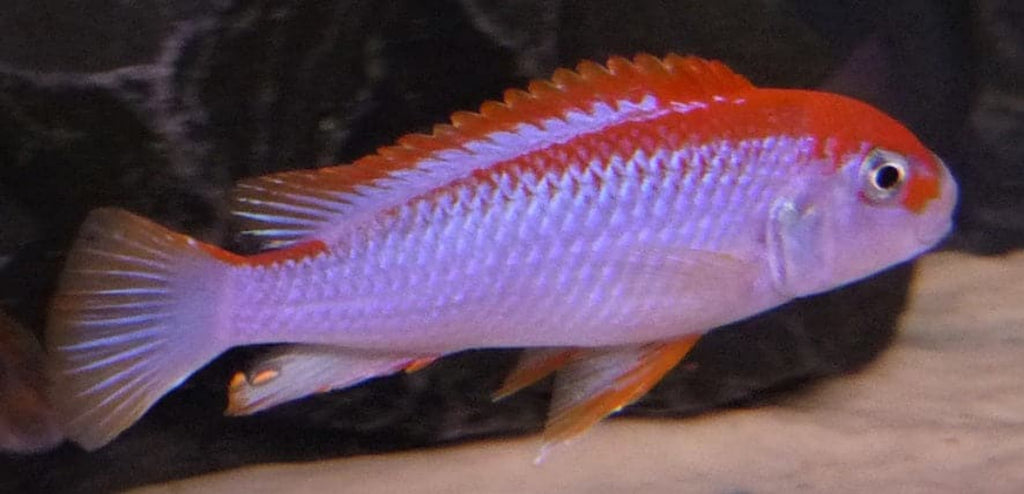
Red and orange tones give cichlids a warm, fiery look. These colors can be bright or deep, making the fish stand out.
Species like the Red Zebra or Flameback show these colors. They bring energy and excitement to your tank.
Yellow And Gold Hues
Yellow and gold hues are rare and very bright. These colors make the fish look like little suns swimming in water.
Golden cichlids like the Yellow Lab are popular for their sunny colors. They add light and warmth to the aquarium.
Black And Dark Patterns
Some cichlids have black or dark patterns that create striking contrasts. These patterns can be spots, stripes, or patches.
Dark colors help fish hide or show dominance. Species like the Black Convict have these rare and bold patterns.
Unique Multi-color Combinations
Some African cichlids show many colors on one body. These multi-color fish are very rare and beautiful.
They mix blues, reds, yellows, and blacks in unique ways. This makes each fish special and one of a kind.
Credit: ronscichlids.com
Popular Rare Species
African cichlids come in many colors and patterns. Some rare colors make these fish very special. They attract hobbyists and collectors worldwide.
Identifying these rare colors helps keep track of unique species. It also supports proper care and breeding efforts for these fish.
Electric Blue Hap
The Electric Blue Hap shows bright blue shades on its body. This rare color can vary from light to deep blue. Males usually have more vibrant colors than females.
Blood Parrot Variants
Blood Parrot cichlids have unusual shapes and colors. Some rare variants include red-orange, pastel, and even albino forms. These variants differ in fin shape and body size.
- Red-orange variant
- Pastel shades
- Albino forms
- Unique fin shapes
Albino Cichlids
Albino cichlids lack dark pigments. Their skin looks pale or white with red eyes. This rare trait occurs naturally but is uncommon in wild populations.
Ice Blue Peacock
The Ice Blue Peacock has soft blue and white tones. Its color is lighter than other peacock cichlids. This rare color makes it easy to spot in an aquarium.
Kenya Gold
| Feature | Description |
| Color | Bright yellow and gold |
| Size | Medium, up to 6 inches |
| Behavior | Peaceful but territorial |
| Origin | Lake Victoria, Kenya |
Kenya Gold cichlids have bright yellow colors. Their golden shine stands out in groups. These fish like rocky habitats and need proper tank space.
Genetics Behind Colors
African cichlids show many rare and bright colors. These colors come from their genes. Genes control how colors look on fish.
Studying genetics helps us understand why some cichlids have special colors. It also helps breeders create new colors.
Color Inheritance Patterns
Color inheritance means how fish pass color traits to their babies. Some colors come from one gene. Others need many genes.
Dominant genes show their color even if only one copy is present. Recessive genes show color only if two copies are present.
- Dominant colors are easy to see in offspring
- Recessive colors can skip generations
- Some colors result from many gene interactions
- Understanding patterns helps predict baby colors
Selective Breeding Techniques
Selective breeding means choosing fish with certain colors to mate. This increases the chance of rare colors in babies.
Breeders pick parents that have the strongest or rarest colors. They breed them over many generations to keep or improve colors.
- Pick parents with desired color traits
- Breed over several generations
- Keep track of color changes in offspring
- Remove fish that do not show the color well
Mutations And Their Impact
Mutations are changes in genes that cause new colors. Some mutations make colors brighter or create new shades.
Not all mutations are good. Some can harm fish health. But many mutations help create rare and beautiful colors.
- Mutations can create unique color patterns
- Some mutations are recessive and hard to see
- Good mutations can be kept by selective breeding
- Bad mutations might cause health problems
Environmental Effects
African cichlids show many rare colors. Their environment plays a big role in these colors. Small changes can make fish look very different.
Water, light, and food all affect how vibrant these fish appear. Understanding these effects helps identify rare colors better.
Water Quality Influence
Clean water is key for bright colors in African cichlids. Poor water quality causes stress. Stress makes colors dull or faded.
- Keep pH levels stable between 7.5 and 8.5
- Maintain low nitrate and ammonia levels
- Perform regular water changes
- Use proper filtration systems
- Monitor water hardness for best color expression
Lighting Conditions
Lighting affects how colors show on cichlids. Natural-like light helps bring out bright hues. Too much or too little light can hide colors.
| Lighting Type | Effect on Color |
| Full Spectrum LED | Enhances natural colors |
| Fluorescent Light | Good for moderate color brightness |
| Low Light | Colors appear dull and muted |
| Too Intense Light | Can cause stress and fading |
Diet And Nutrition
What cichlids eat changes their color quality. Nutrients like carotenoids boost red and orange shades. A balanced diet keeps colors strong.
Key diet components for color enhancement:
- High-quality pellets with color enhancers
- Fresh vegetables like spinach and peas
- Live or frozen foods such as brine shrimp
- Avoid overfeeding to reduce water pollution
Identifying Authentic Colors
African cichlids have many rare colors that attract fish lovers. Knowing true colors helps you avoid mistakes and fakes. This guide helps you spot real colors clearly.
Colors can look different under light and water. Careful observation is needed to tell if a color is natural or fake. Here are key points to check.
Spotting Fakes And Imitations
Fake colors often appear too bright or too dull. Some sellers use dyes or filters to change fish colors. Look for uneven color patches or strange spots.
- Check if colors fade after some days in water
- Look for unusual spots or lines on the body
- Observe if fins have natural color blends
- Ask about the fish’s source and history
Common Misidentifications
Some colors look similar but belong to different species or hybrids. Mistakes happen when fish have mixed traits. Knowing common look-alikes avoids confusion.
| Color Type | Common Mistake | How to Tell |
| Electric Blue | Blue Mbuna | Check fin shape and patterns |
| Sunset Orange | Red Zebra | Look for stripe clarity |
| Golden Yellow | Yellow Lab | Observe eye color and size |
Tips For Accurate Recognition
Use good lighting and a clear tank to see real colors. Take photos for close comparison. Ask experts or use trusted guides for color checking.
- Keep fish in clean water for true color display
- Avoid direct sunlight which can alter colors
- Compare with verified images online or books
- Be patient; colors can change with age and health

Credit: www.reddit.com
Care Tips For Rare Colors
Rare color African Cichlids need special care to keep their colors bright. Proper tank setup and feeding are key.
Monitoring their health regularly ensures they thrive in their environment. Let’s explore how to care for these unique fish.
Tank Setup Recommendations
A well-planned tank setup is vital for the health of rare color cichlids. It helps in maintaining their vibrant hues.
- Use a tank of at least 55 gallons for ample swimming space.
- Add rocks and caves for hiding spots and territorial boundaries.
- Maintain a water pH between 7.8 and 8.6 for optimal health.
- Ensure water temperature stays between 75°F and 80°F.
Feeding For Vibrant Colors
Proper feeding keeps cichlids healthy and their colors bright. A varied diet is essential for their nutrition.
| Food Type | Benefits |
| Pellets | Rich in essential nutrients |
| Frozen Foods | Enhances color vibrancy |
| Vegetables | Improves digestion |
Health Monitoring
Regular health checks are important for preventing diseases. Early detection helps maintain fish well-being.
Where To Find Rare Cichlids
Rare African cichlids are a treasure for fish enthusiasts. Their unique colors and patterns make them highly sought after. Finding these rare beauties requires knowing where to look.
Discovering rare cichlids involves visiting the right places. Specialty breeders, aquarium shows, and online marketplaces are key sources. Let’s explore these options to find your next rare cichlid.
Specialty Breeders
Specialty breeders focus on breeding rare cichlids. They have the expertise and conditions to raise healthy fish. Visiting these breeders can offer you a firsthand look at rare varieties.
- Contact breeders directly for availability.
- Visit breeder facilities to see fish in person.
- Ask about the cichlid’s lineage and health history.
Aquarium Shows And Auctions
Aquarium shows and auctions are exciting events to find rare cichlids. Enthusiasts gather to showcase and sell unique fish. These events provide opportunities to meet experts and learn more about rare species.
| Event | Location | Date |
| Annual Cichlid Show | Chicago | May |
| Fish Auction Extravaganza | Los Angeles | July |
| Tropical Fish Expo | New York | October |
Online Marketplaces
Online marketplaces offer a wide array of rare cichlids. These platforms connect buyers with sellers worldwide. Finding rare cichlids online is convenient and offers a variety of options.
Popular websites include:
- Aquabid
- LiveAquaria
- The Cichlid Exchange
Frequently Asked Questions
What Defines A Rare Color In African Cichlids?
Rare colors in African Cichlids are unique hues not commonly found. These colors result from specific genetics or selective breeding. Identifying these colors helps hobbyists spot valuable and unique fish varieties. They enhance the aesthetic appeal of aquariums.
How To Identify Rare African Cichlid Colors Accurately?
Observe the fish under natural light for true color. Compare with common color variants using reliable guides. Look for unusual patterns, brightness, or iridescence. Genetic testing can confirm rare color traits in some cases.
Why Are Rare African Cichlid Colors Valuable?
Rare colors increase a fish’s market value and desirability. They show unique genetic traits and selective breeding success. Collectors and breeders seek these colors for exclusivity. They also add visual diversity to aquariums.
Can Environment Affect African Cichlid Color Appearance?
Yes, water quality, diet, and lighting impact color vibrancy. Stress or poor conditions may dull colors. Proper care ensures the fish displays its true rare colors. Maintaining optimal tank conditions is essential.
Conclusion
African cichlids show many rare and beautiful colors. Knowing how to identify these colors helps you appreciate their beauty. It also helps keep your fish healthy and happy. Each color tells a story of where the fish came from. Watch your cichlids closely to spot unique shades.
Enjoy the bright and rare colors in your aquarium. Keep learning and exploring these amazing fish. They bring life and color to any tank.