
Are you struggling to find the perfect lighting for your fish tank? The right light can make a huge difference in how your underwater world looks and how healthy your fish and plants stay.
Adjustable light intensity lets you control the brightness to fit your tank’s unique needs. Imagine being able to create the perfect mood, boost your fish’s colors, and help your plants thrive—all with a simple dial or remote. Keep reading to discover how adjustable light intensity can transform your fish tank and make caring for it easier and more enjoyable.
Benefits Of Adjustable Lighting
Adjustable lighting lets you control the brightness in your fish tank. It helps create a better environment for fish and plants.
Changing light intensity can make your tank look natural and keep fish healthy. It also supports plant growth and natural rhythms.
Promoting Fish Health
Fish need the right light levels to stay healthy. Too much light can stress them, while too little light can affect their behavior.
- Reduces stress by mimicking natural light
- Supports healthy feeding and activity times
- Prevents harmful algae growth caused by excess light
Supporting Plant Growth
Plants need light to make food through photosynthesis. Adjustable light helps plants get the right amount of light all day.
| Light Intensity | Effect on Plants |
| Low | Slow growth, weak leaves |
| Medium | Healthy growth and strong leaves |
| High | Fast growth, risk of algae |
Creating Natural Day-night Cycles
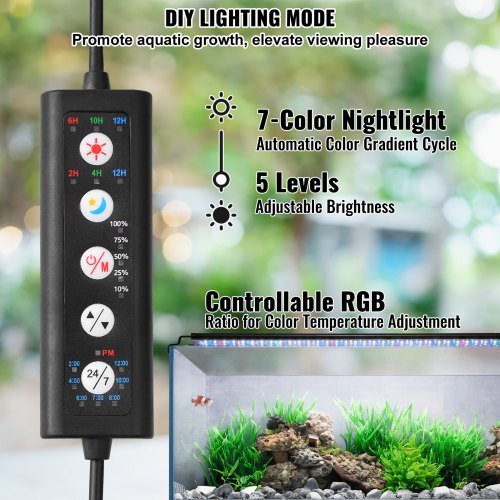
Fish and plants follow natural light cycles. Adjustable lighting lets you set day and night times in your tank.
Natural cycles help:
- Keep fish active during the day
- Allow fish to rest at night
- Regulate plant photosynthesis timing
- Improve overall tank health
Credit: www.vevor.ca
Types Of Adjustable Lights
Adjustable light intensity helps fish tanks look better and keeps fish healthy. Different lights offer various controls to change brightness and color.
Choosing the right type of adjustable light depends on your tank size and fish needs. Here are common types used in fish tanks.
Led Lights
LED lights are popular for fish tanks. They use less energy and last longer than other lights. You can easily adjust their brightness and color.
Many LED lights come with remote controls or smartphone apps. This lets you change settings without touching the tank.
- Low power consumption
- Long lifespan
- Easy dimming and color change
- Less heat generation
Fluorescent Lights
Fluorescent lights are common in fish tanks. They give bright light and good color. Some models allow you to adjust light intensity with dimmer switches.
These lights may not last as long as LEDs. They can produce more heat, so monitor the tank temperature.
- Bright and even lighting
- Available with dimmer options
- Moderate energy use
- May need replacement more often
Halogen And Other Options
Halogen lights are less common but offer strong, adjustable light. They create warm light and can be dimmed with special controls.
Other options include incandescent and metal halide lights. These can be harder to adjust and use more power. Choose them only if needed for special fish or plants.
- Halogen: bright, warm light, dimmable
- Incandescent: simple but less efficient
- Metal halide: very bright, used in large tanks
- Adjustability varies by type
Choosing The Right Light Intensity
Light is important for fish tanks to keep fish healthy and plants growing. The right light intensity helps create a good environment.
Too much or too little light can harm fish or plants. Adjusting light intensity fits the needs of your aquarium.
Matching Light To Fish Species
Different fish need different light levels. Some fish like bright light, while others prefer dim light.
Research your fish type to find the best light intensity. This keeps them active and stress-free.
- Bright light suits tropical fish like tetras and gouramis
- Low light fits shy fish like catfish and loaches
- Some fish prefer a natural day and night light cycle
Considering Aquarium Size
The size of your tank changes how much light you need. Bigger tanks need stronger lights to reach all areas.
Small tanks can use lower light intensity. Adjust light based on depth and width of the aquarium.
- Deep tanks need brighter lights to reach the bottom
- Wide tanks may need multiple light sources
- Smaller tanks can use dimmer lights to save energy
Balancing Light And Heat
Lights produce heat that can raise water temperature. Too much heat can stress or harm fish.
Choose lights that give good brightness without too much heat. Check the temperature often.
- LED lights give bright light with less heat
- Avoid placing lights too close to water surface
- Use cooling fans or water chillers if heat builds up
Installing Adjustable Lighting Systems
Adjustable lighting systems let you control the light in your fish tank. This is important for the health of your fish and plants.
Proper installation is key to getting the most from your lighting system. Follow these steps to ensure a safe and effective setup.
Placement Tips
The placement of your lights affects how well they work. Ensure the lights cover the entire tank evenly.
Avoid placing lights too close to the water. This prevents overheating and protects the fish.
- Center the lights over the tank
- Keep lights 4-6 inches above water
- Use adjustable mounts for flexibility
Wiring And Safety
Proper wiring ensures safety and longevity of your lighting system. Always follow the manufacturer’s instructions.
Use waterproof connections to prevent electrical hazards. Secure all wires to avoid accidents.
- Check wires for damage regularly
- Use cable ties to organize wires
- Install a GFCI outlet for safety
Timer And Dimmer Integration
Timers and dimmers help automate your lighting system. They mimic natural light cycles for your fish.
Set timers to turn lights on and off at specific times. Dimmers allow you to adjust brightness as needed.
- Program timers for day and night cycles
- Adjust dimmers for morning and evening
- Ensure easy access to controls
Maintaining Optimal Light Levels
Fish tanks need the right light to keep fish healthy. Light helps plants grow and shows fish colors well.
Too much or too little light can harm the tank’s balance. Adjusting light intensity is important for a clean, bright tank.
Regular Monitoring
Check light levels often to keep the tank safe. Use a light meter or sensor for accuracy.
- Measure light intensity weekly
- Observe fish and plant behavior
- Adjust lights if plants look weak or fish hide
- Keep a log of light changes and effects
Adjusting For Seasonal Changes
Seasons affect natural light and room brightness. Change light settings to match these shifts.
| Season | Light Intensity | Duration |
| Spring | Medium | 10 hours |
| Summer | High | 12 hours |
| Autumn | Low to Medium | 8 to 10 hours |
| Winter | Low | 6 to 8 hours |
Preventing Algae Overgrowth
Algae grow fast with too much light. Control light to stop algae and keep water clean.
Here are tips to prevent algae growth:
- Limit light to 8-10 hours daily
- Use adjustable LED lights to reduce intensity
- Turn off lights at night to simulate natural darkness
- Clean tank surfaces regularly

Credit: www.vevor.ca
Enhancing Aquarium Aesthetics
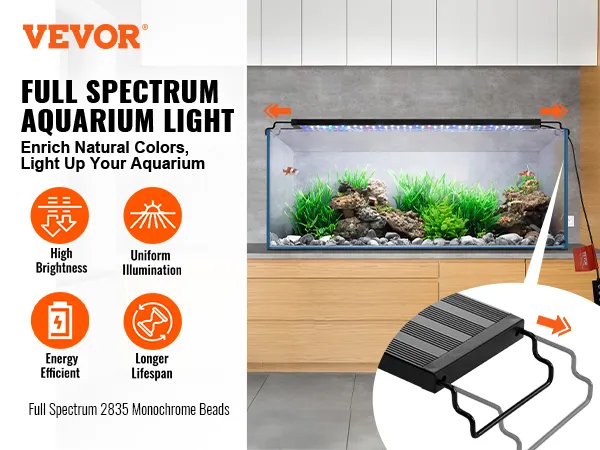
Adjustable light intensity changes how your fish tank looks. It helps to show off plants, fish, and decorations.
Good lighting makes your aquarium more beautiful and natural. You can control the light to fit your style.
Using Light To Highlight Features
Adjusting light helps focus on special parts of the tank. You can highlight colorful fish or bright plants.
Change light strength to make some areas stand out. Soft light shows delicate plants. Bright light highlights shiny fish.
- Bright light on coral or rocks
- Dim light for shy fish hiding spots
- Spotlight on unique decorations
Color Temperature Effects
Color temperature means how warm or cool the light looks. Warm light is yellowish, cool light is bluish.
Warm light gives a cozy feeling. Cool light makes the tank look fresh and clear. Use the right color to match your fish.
- Warm light: soft yellow, good for plants
- Cool light: blue-white, shows fish colors
- Neutral light: balanced look for all
Creating Mood And Ambiance
Light changes the mood inside the tank. Bright light feels lively and active. Dim light feels calm and peaceful.
You can change light during the day. Use bright light for daytime and dim light for night. It helps fish feel safe and happy.
- Bright light for active times
- Dim light for relaxing times
- Use timers to change light automatically
Credit: www.vevor.ca
Frequently Asked Questions
What Is Adjustable Light Intensity For Fish Tanks?
Adjustable light intensity allows customizing brightness levels in fish tanks. It helps mimic natural environments and supports aquatic life health. This feature benefits plant growth and fish behavior, enhancing tank aesthetics and ecosystem balance.
Why Is Adjustable Lighting Important For Aquarium Plants?
Adjustable lighting controls light exposure, crucial for photosynthesis. Different plants require varying light intensities to thrive. Proper adjustment prevents algae overgrowth and promotes healthy, vibrant aquatic plants in fish tanks.
How Does Light Intensity Affect Fish Behavior?
Light intensity influences fish activity and stress levels. Bright light can cause stress, while dim light promotes calmness. Adjustable lighting helps create a comfortable environment, improving fish well-being and natural behavior patterns.
Can Adjustable Light Intensity Save Energy In Fish Tanks?
Yes, adjustable lighting reduces energy use by lowering unnecessary brightness. It allows efficient use of light based on tank needs, saving electricity and extending bulb lifespan. This eco-friendly option benefits both owners and aquatic life.
Conclusion
Adjustable light helps fish stay healthy and active. It lets you create the best environment for plants and fish. Changing light levels keeps the tank bright but not too strong. This balance supports growth and reduces stress in fish. Easy control of light means you can match day and night cycles.
Simple steps lead to a happier, clearer fish tank. Try adjusting your tank’s light for better results today.