
If you have an aquarium, you know how important a good filtration system is to keep your water clean and your fish healthy. But where do you put all that equipment without making your space look messy?
That’s where an aquarium cabinet for filtration systems comes in. It’s not just about hiding wires and filters—it’s about creating a neat, organized setup that makes maintenance easier and your tank look stunning. You’ll discover how the right cabinet can transform your aquarium experience and help your underwater world thrive.
Keep reading to find out what to look for and how to choose the perfect fit for your filtration needs.
Choosing The Right Cabinet
Choosing the right cabinet for your aquarium filtration system helps keep your setup neat and safe. The cabinet holds your filter equipment and hides wires and tubes. Picking a good cabinet means thinking about the materials, size, and style.
A well-chosen cabinet supports your filtration system and blends with your room decor. Consider these key points before buying one.
Materials And Durability
Cabinets come in wood, metal, and plastic. Wood looks nice but may warp if wet. Metal is strong but can rust near water. Plastic resists water but may not hold heavy filters well. Choose a material that lasts and fits your aquarium’s environment.
- Wood: classic look, may need waterproofing
- Metal: very strong, watch for rust
- Plastic: water-resistant, lighter weight
Size And Compatibility
The cabinet must fit your filter system and aquarium base. Too small means no space for equipment. Too big takes extra room and looks odd. Measure your filter and tank before choosing a cabinet size.
| Cabinet Size | Filter Size | Aquarium Base Size |
| Small | Up to 20 gallons | Up to 24 inches wide |
| Medium | 20 to 50 gallons | 24 to 36 inches wide |
| Large | Over 50 gallons | More than 36 inches wide |
Design Styles
Cabinet designs vary from modern to classic. Choose a style that fits your room’s look. Some cabinets have open shelves for easy access. Others have doors to hide equipment. Think about how often you need to reach the filter.
- Modern: clean lines, smooth finishes
- Classic: wood grain, decorative details
- Open shelf: easy to use, less hidden
- Closed cabinet: neat, hides clutter
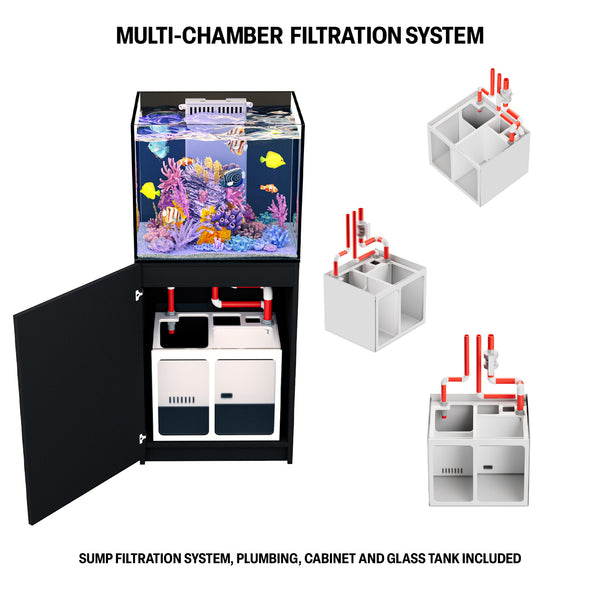
Credit: aquadreamusa.com
Types Of Filtration Systems
A clean aquarium depends on a good filtration system. Filtration removes waste and keeps water clear. Different filters work for different tanks and needs.
This article explains three common types of filtration systems used in aquariums. Each has unique features and benefits.
Canister Filters
Canister filters sit outside the aquarium. They pump water through tubes into a sealed container with filter media. This design allows strong mechanical, chemical, and biological filtration.
These filters work well for large tanks. They are quiet and easy to maintain. You can customize the filter media inside to suit your tank’s needs.
Sump Filters
Sump filters are tanks placed under the main aquarium. Water flows down into the sump, passes through different filter compartments, then returns clean. This system adds water volume and hides equipment.
- Allows use of many filter types in one system
- Improves water oxygenation
- Easy to add heaters and protein skimmers
- Great for large or heavily stocked tanks
Hang-on-back Filters
Hang-on-back filters hang on the aquarium’s back wall. They pull water up through a tube, filter it inside, and send it back. These filters are compact and easy to install.
| Feature | Benefit |
| Compact Size | Saves space on or inside the tank |
| Easy Maintenance | Replace filter cartridges quickly |
| Moderate Filtration | Good for small to medium tanks |
| Affordable | Fits many budgets |
Optimizing Storage Space
An aquarium cabinet for filtration systems needs smart storage ideas. You can keep your space neat and easy to use.
Good storage helps you find tools fast and keeps cables tidy. It also protects your equipment from damage.
Shelving And Compartments
Shelves and compartments separate your gear well. You can store filters, pumps, and cleaning supplies in order.
- Adjustable shelves fit items of different sizes.
- Compartments keep small parts from getting lost.
- Use clear bins to see contents quickly.
- Label shelves and compartments for easy access.
Cable Management
Managing cables stops tangles and keeps your cabinet safe. It also makes maintenance simpler and quicker.
Try these cable management tips:
- Use cable clips or hooks inside the cabinet.
- Bundle cables with ties to avoid mess.
- Label cables for easy identification.
- Keep power cords away from water sources.
Tool And Accessory Storage
Store tools and accessories where you can find them fast. A well-organized cabinet saves time during aquarium care.
| Tool | Storage Idea |
| Water Testing Kits | Small bins or drawer organizers |
| Cleaning Brushes | Hooks or tall compartments |
| Spare Filters | Stackable shelves or boxes |
| Fish Nets | Wall-mounted holders |
Improving Filtration Efficiency
Good aquarium cabinet design helps keep filtration systems working well. It protects equipment and supports clean water flow.
Proper setup inside the cabinet can make filters last longer and perform better. Let’s look at key points to improve filtration.
Proper Placement Of Equipment
Place filters and pumps where water flows easily. Avoid tight spaces that block water movement. Keep cords and tubes organized to stop damage.
- Position equipment near water inlet and outlet points
- Ensure no heavy objects press on hoses or cables
- Use shelves or mounts to separate devices
- Keep space for future equipment upgrades
Ventilation And Moisture Control
Good air flow reduces heat and stops moisture buildup. Moisture can harm electrical parts and cause mold.
| Ventilation Method | Benefit |
| Air vents | Allow fresh air in and warm air out |
| Small fans | Keep air moving inside cabinet |
| Dehumidifiers | Remove excess moisture |
| Waterproof seals | Prevent leaks from damaging wood |
Easy Maintenance Access
Make sure you can reach filters and pumps quickly. Easy access helps clean and fix equipment fast. It also prevents damage during work.
- Use doors or removable panels for access
- Label equipment for quick identification
- Keep cleaning tools nearby
- Organize cables to avoid tangling
Customizing Your Cabinet
Customizing your aquarium cabinet helps fit your filtration system perfectly. It also improves the look and function of your setup.
You can add features that make maintenance easier and keep your aquarium healthy and neat.
Diy Modifications
DIY changes let you create a cabinet that fits your needs. You can add shelves, doors, or vents to improve storage and airflow.
Use simple tools like saws and drills to make these changes safely and accurately.
- Add extra shelves for storing filters and chemicals
- Cut vents to improve air circulation and prevent moisture
- Install doors or panels to hide equipment and reduce noise
Adding Lighting
Lighting inside the cabinet helps you see the filtration system clearly. It also makes checking and cleaning easier.
Choose LED strips or small spotlights that use low power and produce little heat.
- Use waterproof lighting options for safety
- Install switches outside the cabinet for easy control
- Consider lights with adjustable brightness
Incorporating Automation
Automation can help manage your filtration system efficiently. It reduces manual work and keeps your aquarium stable.
Use timers, sensors, or smart plugs to control pumps, lights, and other devices automatically.
- Set timers to run filters at specific times
- Use water sensors to detect leaks or low levels
- Control devices remotely with smart plugs

Credit: www.vevor.com
Common Challenges And Solutions
Aquarium cabinets for filtration systems face several challenges. These can affect both the aquarium’s health and your living space. Knowing how to tackle these issues is key.
This guide covers common challenges like noise, water damage, and power supply management. Each section provides practical solutions.
Noise Reduction
Noise from filtration systems can be bothersome. It may disturb your peace and stress the fish. Reducing noise requires some adjustments.
- Use foam pads to absorb vibrations.
- Ensure all parts are tightly secured.
- Place the cabinet on a stable surface.
Preventing Water Damage
Water damage is a serious concern. It can harm both your aquarium setup and your home. Taking preventive steps is essential.
| Action | Benefit |
| Install a water alarm | Alerts you to leaks |
| Use waterproof mats | Protects floors |
| Regularly check seals | Prevents leaks |
Managing Power Supply
Power supply management is crucial for safety and efficiency. An organized setup ensures everything runs smoothly.
Consider using a power strip with surge protection. This not only organizes cords but also protects against power surges.

Credit: www.amazon.com
Frequently Asked Questions
What Is An Aquarium Cabinet For Filtration Systems?
An aquarium cabinet is a storage unit designed to hold filtration equipment. It hides filters, pumps, and tubing, improving aquarium aesthetics. Cabinets provide easy access for maintenance and protect equipment from damage. They also support the tank’s weight and organize related accessories neatly.
How Does An Aquarium Cabinet Improve Filtration Efficiency?
An aquarium cabinet helps organize and secure filtration systems, ensuring stable operation. It reduces vibrations and noise from equipment. Proper ventilation inside the cabinet prevents overheating. This controlled environment keeps filters working optimally, enhancing water quality and overall aquarium health.
What Materials Are Best For Aquarium Filtration Cabinets?
High-quality wood, MDF, and waterproof laminate are popular materials. These materials resist moisture and corrosion from aquarium environments. Durable finishes prevent warping and damage. Choose sturdy materials that support the aquarium’s weight safely and match your room decor for aesthetic appeal.
Can Aquarium Cabinets Accommodate All Filter Types?
Most aquarium cabinets are designed to fit standard filtration systems like canister, sump, and hang-on-back filters. However, size and design vary, so check dimensions before buying. Custom cabinets offer flexibility for unique or larger filtration setups, ensuring proper fit and accessibility.
Conclusion
An aquarium cabinet keeps your filtration system neat and safe. It hides wires and tubes, making your tank look clean. Cabinets also protect equipment from dust and water spills. They offer extra storage for fish food and tools. Choosing the right cabinet helps your aquarium work better.
It makes maintenance easier and saves space. A good cabinet supports a healthy, clear tank. Simple, sturdy, and well-fitted cabinets suit any aquarium setup. Your fish will thank you for a tidy home.