
If you keep fish as pets, you know how important it is to keep them healthy and happy. But did you know that stress can quietly harm your fish, affecting their colors, behavior, and even lifespan?
You might be wondering how to spot stress and what simple steps you can take to reduce it right now. You’ll discover easy, effective ways to create a calm environment for your fish and help them thrive. Keep reading—your fish will thank you for it!
Causes Of Fish Stress
Fish stress can harm their health and shorten their life. Knowing what causes stress helps keep fish happy.
Many things in the fish tank can make fish feel unsafe or uncomfortable. Learning these causes is important.
Water Quality Issues
Dirty or poor water hurts fish health. Fish need clean water to breathe and live well.
High ammonia, nitrite, or nitrate levels cause stress. Wrong pH or temperature also upsets fish.
- Ammonia and nitrite should be zero
- Nitrate must stay below safe levels
- pH must match the fish species’ needs
- Temperature should be steady and right
Overcrowding
Too many fish in one tank cause stress. Fish need space to swim and hide.
Overcrowding leads to poor water quality and fights. It stops fish from resting well.
- Keep the right number of fish per tank size
- Provide enough hiding spots
- Watch fish behavior for signs of stress
Incompatible Tank Mates
Some fish do not live well together. Aggressive fish can attack others.
Fish that need different water conditions stress each other. Choose friends carefully.
- Avoid mixing very aggressive and peaceful fish
- Match fish with similar water needs
- Observe fish for bullying or hiding
Improper Diet
Feeding the wrong food stresses fish. They need the right nutrients to stay healthy.
Overfeeding causes poor water quality. Underfeeding weakens fish and lowers immunity.
- Feed balanced food for each fish type
- Feed the right amount, not too much
- Use fresh and high-quality fish food
Sudden Environmental Changes
Fish do not like quick changes. Sudden moves or changes in water upset them.
Changing water temperature or pH fast can cause shock and stress.
- Change water slowly over time
- Avoid sudden tank moves or loud noises
- Keep lighting stable and natural
Credit: www.chewy.com
Signs Of Stress In Fish
Fish can get stressed just like people. Stress makes them weak and sick. It is important to see signs of stress early.
Knowing these signs helps you keep fish healthy. Watch your fish closely for any changes.
Changes In Behavior
Stressed fish act differently than usual. They may hide more or stay at the bottom. Some fish become very still or stop swimming.
They might also avoid other fish or show aggression. These behavior changes are warning signs.
Physical Symptoms
Look for physical signs on your fish’s body. Stress can cause faded colors or spots. Their fins might look torn or clamped.
- Color loss or dullness
- Clamped or damaged fins
- Red or swollen areas
- Excess mucus or scales falling off
Reduced Appetite
Fish under stress often eat less or stop eating. This makes them weak and slows recovery. Pay attention if food is left uneaten.
Try feeding small amounts and watch if they eat normally. Reduced appetite is a clear sign of stress.
Erratic Swimming
Stressed fish swim in strange ways. They may dart quickly or swim in circles. Sometimes they float near the surface or sink to the bottom.
Erratic swimming shows discomfort or illness. It is important to check water quality and environment if you see this.
Maintaining Ideal Water Conditions
Fish need clean and stable water to stay healthy and stress-free. Good water conditions help fish live longer and feel better.
Keeping water in the right condition means checking it often and making sure it is clean and balanced.
Regular Water Testing
Test your aquarium water regularly to catch problems early. Testing helps you keep track of harmful chemicals and changes.
- Check ammonia levels to avoid poison
- Test nitrite and nitrate to ensure safe levels
- Measure pH to keep water balanced
- Monitor hardness and alkalinity for stable water
Optimal Temperature And Ph
Keep the water temperature steady and within the right range for your fish species. Sudden changes cause stress and illness.
| Fish Type | Temperature (°F) | pH Range |
| Tropical Fish | 75-80 | 6.5-7.5 |
| Goldfish | 65-75 | 7.0-8.4 |
| Betta Fish | 76-82 | 6.5-7.5 |
Proper Filtration
Use a filter that matches your tank size. A good filter removes waste and harmful chemicals from the water.
Types of filters to consider:
- Mechanical filters catch debris and dirt
- Biological filters help break down toxins
- Chemical filters remove harmful substances
Consistent Water Changes
Change part of the water regularly to keep it fresh. This lowers toxins and keeps fish comfortable.
- Remove 10-20% of water weekly
- Use a water conditioner to treat tap water
- Clean the tank decorations and substrate
- Refill the tank slowly to avoid shock
Tank Setup For Stress-free Fish
Setting up a fish tank properly helps keep fish calm and healthy. Stress can harm fish and cause illness.
Good tank setup creates a safe and natural space for fish to live happily.
Adequate Space
Fish need enough room to swim freely. Crowded tanks increase stress and cause fights.
Choose a tank size that fits the number and size of your fish. Bigger tanks reduce stress.
Natural Hiding Spots
Fish feel safe when they can hide from light and other fish. Hiding spots reduce fear and stress.
Use plants, rocks, or caves to create natural hiding places. This mimics their natural habitat.
- Live or artificial plants
- Rock formations
- Ceramic or plastic caves
- Driftwood pieces
Appropriate Lighting
Light affects fish behavior and mood. Too much light can stress fish out.
Use soft lighting that matches the fish’s natural environment. Turn lights off at night to mimic day cycles.
- Use LED lights with adjustable brightness
- Keep lights on 8-12 hours daily
- Provide shaded areas in the tank
Tank Decorations
Decorations make the tank interesting and less boring for fish. They also offer places to explore and hide.
Choose smooth and safe decorations to avoid injury. Avoid sharp or rough items.
- Plastic or silk plants
- Smooth stones or pebbles
- Safe ceramic ornaments
- Floating logs or leaves
Feeding Practices To Reduce Stress
Feeding fish the right way helps lower their stress levels. Stress can harm fish health and growth.
Good feeding habits keep fish calm and active. Learn how to feed them properly for their well-being.
Balanced Diet
Fish need a balanced diet with proteins, fats, and vitamins. This supports their immune system and energy.
- Include high-quality fish food with essential nutrients
- Mix pellets with natural foods like algae or worms
- Adjust diet based on fish species and age
- Change diet seasonally to match fish needs
Feeding Frequency
Feed fish small amounts several times a day. This reduces hunger and stress.
| Fish Type | Feeding Times Per Day |
| Juvenile Fish | 3 to 4 |
| Adult Fish | 2 to 3 |
| Cold-water Fish | 1 to 2 |
Avoiding Overfeeding
Overfeeding causes water pollution and fish stress. Feed only what fish can eat in a few minutes.
Tips to avoid overfeeding:
- Give small portions at each feeding
- Remove uneaten food after 5 minutes
- Use feeding rings to limit food spread
- Watch fish behavior to adjust portions
Managing Tank Mates
Fish stress can be reduced by managing tank mates effectively. The right combination of species helps create a peaceful environment.
Understanding fish behavior is key to maintaining a harmonious tank. It reduces conflict and promotes a healthy aquatic life.
Choosing Compatible Species
Choose fish species that get along well with each other. Compatibility minimizes stress and aggression among tank inhabitants.
- Research fish species before adding them to your tank.
- Consider size, temperament, and habitat needs.
- Avoid mixing aggressive species with peaceful ones.
Monitoring Aggression
Keep an eye on fish interactions to spot aggression early. Monitoring helps in taking timely actions to prevent stress.
Use dividers or decorations to create territories. This can help reduce fights and aggression among fish.
Separating Aggressive Fish
If aggression persists, separating aggressive fish might be necessary. This action ensures the safety of other tank mates.
| Action | Outcome |
| Use a separate tank for aggressive fish | Reduces stress for others |
| Introduce fish slowly | Lessens initial aggression |
| Rearrange tank setup | Disrupts established territories |
Minimizing Environmental Disturbances
Fish can get stressed from changes in their environment. Reducing stress helps fish live healthier lives.
Focus on creating a stable and quiet habitat. Handle fish with care to minimize their stress.
Stable Lighting Schedule
Fish need consistent light and dark periods each day. Sudden changes can cause stress.
- Set a timer for aquarium lights.
- Ensure 12 hours of light and 12 hours of darkness.
- Avoid direct sunlight on the tank.
Limiting Noise And Vibrations
Fish are sensitive to loud sounds and vibrations. Keeping noise levels low is important.
| Source of Noise | Solution |
| TV or Radio | Keep volume low |
| Foot Traffic | Use a stand with padding |
| Appliances | Place away from tank |
Handling Fish Properly
Handling fish can be stressful for them. Be gentle and quick when moving fish.
- Use a soft net to catch fish.
- Transfer fish slowly to reduce shock.
- Limit handling as much as possible.
Using Stress-reducing Additives
Fish in aquariums often face stress from changes in water or environment. Adding certain additives can help reduce this stress. These additives improve water quality and calm the fish.
Two common types of stress-reducing additives are water conditioners and stress relief supplements. Each plays a special role in keeping fish healthy and less anxious.
Water Conditioners
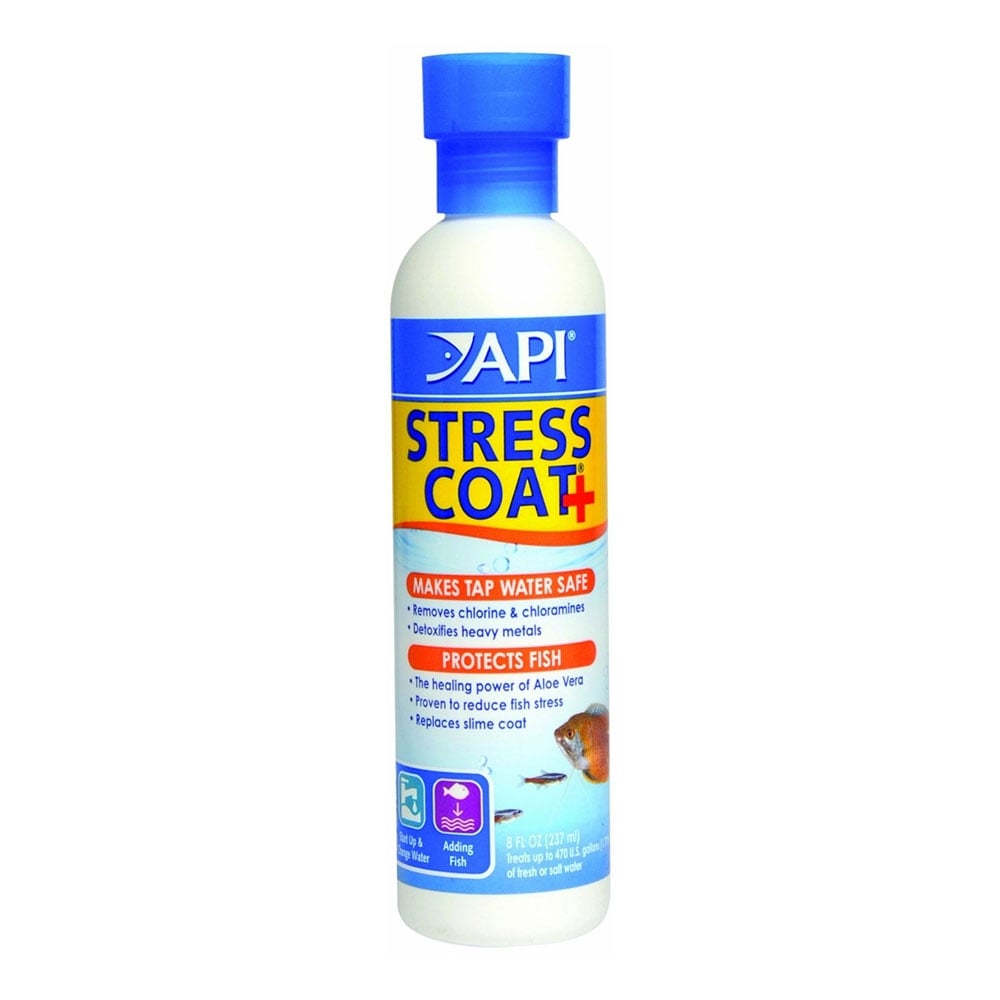
Water conditioners remove harmful chemicals and balance water for fish safety. They neutralize chlorine, chloramine, and heavy metals. This makes tap water safe to use in aquariums.
- Remove chlorine and chloramine
- Neutralize heavy metals like copper and lead
- Add protective slime coat for fish
- Improve water clarity and quality
Using water conditioners regularly helps prevent stress caused by poor water quality. Always follow the product instructions for best results.
Stress Relief Supplements
Stress relief supplements contain natural ingredients that calm fish. These products reduce anxiety and help fish adapt to new environments or changes.
| Supplement Type | Benefits | Usage Tips |
| Aloe Vera Extract | Heals wounds, reduces stress | Add to water during illness or transport |
| Vitamin C | Boosts immune system | Use regularly to improve health |
| Chamomile | Calms fish, lowers aggression | Use in small doses as needed |
| Stress Coat | Protects slime coat, reduces shock | Add after water changes or new fish introduction |
Regular Health Monitoring
Fish stress can harm their health and growth. Regular health checks help keep fish healthy and calm.
Watching fish often helps spot problems early. This keeps their environment safe and stress-free.
Routine Observation
Look at your fish daily to notice changes. Check their swimming, eating, and breathing habits.
Watch for signs like hiding, rubbing, or unusual spots. These signs show stress or sickness.
- Check water clarity and cleanliness
- Observe fish behavior and activity
- Note any changes in appearance
Early Disease Detection
Catch diseases early to stop them from spreading. Early treatment lowers fish stress and death.
Use a magnifying glass to see small spots or wounds. Test water often to find harmful bacteria or chemicals.
- Look for white spots or fungus
- Check for red or swollen areas
- Test water for ammonia and nitrites
Quarantine Procedures
Separate new or sick fish from healthy ones. This keeps diseases from spreading in your tank.
Keep fish in a clean, quiet tank during quarantine. Watch them closely and treat any illness before mixing fish.
- Use a separate tank for new arrivals
- Keep water clean and stable in quarantine
- Observe fish for at least two weeks
Credit: www.pond-planet.co.uk

Credit: www.amazon.com
Frequently Asked Questions
How Can I Tell If My Fish Is Stressed?
Signs of fish stress include rapid breathing, erratic swimming, hiding, loss of color, and reduced appetite. Observing these symptoms helps in early intervention.
What Are The Main Causes Of Fish Stress?
Common causes include poor water quality, sudden temperature changes, overcrowding, loud noises, and aggressive tank mates. Identifying causes aids in prevention.
How Often Should I Clean My Fish Tank?
Clean your tank partially every 1-2 weeks to remove waste and toxins. Avoid full cleanings to preserve beneficial bacteria.
Can Adding Plants Reduce Fish Stress?
Yes, live plants provide hiding spots, improve water quality, and create a natural environment, which helps lower fish stress effectively.
Conclusion
Reducing fish stress helps keep your aquarium healthy and lively. Keep water clean and stable. Feed your fish the right food and avoid overfeeding. Provide hiding spots and avoid sudden changes. Watch your fish for signs of stress daily. A calm fish is a happy fish.
Small efforts make a big difference in fish care. Enjoy a peaceful and thriving underwater world. Simple steps lead to better fish health and happiness.