
If you’re raising tiny fry in your aquarium, you know how delicate they are. Keeping their water clean and healthy is key to helping them grow strong.
But how do you choose the right aquarium filter for fry tanks? The right filter can make all the difference, protecting your little fish without harming them. You’ll discover simple tips to pick the perfect filter that keeps your fry safe and your tank crystal clear.
Ready to give your fry the best start? Let’s dive in!
Choosing The Right Filter
Choosing the right filter for your fry tank is important. It helps keep the water clean and safe for baby fish.
Fry are delicate, so the filter must be gentle yet effective. The right filter also keeps the tank healthy.
Types Of Filters Suitable For Fry
Some filters work better for fry tanks than others. You want a filter that does not suck in small fish or fry.
Common types include sponge filters, hang-on-back filters, and internal filters with protective covers.
- Sponge Filters:Safe for fry and provide gentle water flow.
- Hang-on-Back Filters:Use a sponge or pre-filter to protect fry from intake.
- Internal Filters:Can be used if they have a guard to prevent fry from being sucked in.
Filter Size And Capacity
Choose a filter size that matches your fry tank volume. Too small filters can fail to clean well.
A filter with a higher capacity than the tank size is better. It ensures water stays clean longer.
- Match filter size to tank volume (e.g., 10 gallons, 20 gallons)
- Use filters rated slightly above your tank size for safety
- Check manufacturer’s capacity ratings before buying
Flow Rate Considerations
Flow rate means how fast water moves through the filter. Fry need gentle flow to avoid stress.
Choose a filter with adjustable flow or low flow rate. This keeps fry safe and healthy.
- Low flow prevents fry from being pushed around
- Adjustable flow lets you control water movement
- Strong flow can harm or tire fry
Benefits Of Proper Filtration
Proper filtration is very important for fry tanks. It helps keep the water clean and safe for young fish.
Good filters support healthy growth and reduce stress for fry. They make tank care easier and better.
Maintaining Water Clarity
Filters remove dirt and particles that make water cloudy. Clear water lets you see your fry easily.
Clear water also helps plants grow and lets light reach all parts of the tank.
Removing Harmful Toxins
Filters take out waste like ammonia and nitrites. These toxins can hurt or kill fry if they build up.
Good filtration helps keep toxin levels low and the water healthy for young fish.
- Removes fish waste
- Reduces leftover food
- Breaks down harmful chemicals
Supporting Healthy Fry Growth
Clean water helps fry grow strong and healthy. Filters create a stable environment for them.
Good filtration lowers stress and disease risk. Fry can use energy to grow instead of fight sickness.
Setting Up Filters For Fry Tanks
Filters keep fry tanks clean and safe. They remove waste and harmful particles. Proper filter setup helps young fish grow healthy.
This guide covers how to place filters, adjust water flow, and use sponge filters well.
Placement Tips
Place filters so water flows evenly. Avoid strong currents near fry. Keep filters away from tank corners where debris builds up. Position intake so fry cannot get sucked in.
- Set filter intake low to avoid pulling fry
- Keep outlet near surface for good oxygen flow
- Place filter where it cleans all tank parts
- Use a pre-filter sponge to protect fry
Adjusting Flow For Delicate Fry
Young fish need gentle water movement. Too strong flow can tire or injure them. Adjust the filter to lower flow or redirect water.
| Adjustment Method | Effect |
| Use flow control valve | Reduces water speed |
| Attach spray bar | Spreads water evenly |
| Block part of outlet | Softens current |
| Lower filter intake | Protects fry from suction |
Using Sponge Filters Effectively
Sponge filters are gentle and safe for fry. They offer good biological filtration and oxygen flow. Clean them regularly without harsh chemicals.
- Connect to an air pump with adjustable flow
- Place sponge fully submerged
- Clean sponge monthly by rinsing in tank water
- Use multiple sponges for larger tanks

Credit: www.amazon.com
Maintaining Filter Performance
Keeping your aquarium filter in good shape is key for a healthy fry tank. Proper maintenance helps the filter clean water well and supports baby fish growth.
Regular care avoids problems like clogging and poor water flow. This guide covers cleaning, media replacement, and common issues to watch for.
Cleaning Frequency
Clean your filter often to keep it working well. Too much dirt can block water flow and harm your fry.
- Check the filter every week for debris and buildup.
- Rinse filter parts in tank water, not tap water, to keep good bacteria alive.
- Avoid cleaning all parts at once; clean sections on different days.
- Adjust cleaning frequency based on tank size and fish load.
Replacing Filter Media
Filter media traps waste and supports bacteria that break down toxins. Replace media before it loses its function.
| Filter Media Type | Replacement Time | Notes |
| Foam Pads | Every 4-6 weeks | Rinse regularly to extend life |
| Activated Carbon | Every 3-4 weeks | Removes chemicals and odors |
| Bio Balls | Replace rarely | Mostly needs rinsing, not replacing |
Avoiding Common Issues
Some problems can reduce filter performance. Watch for signs and fix them early.
- Do not overfeed fry; excess food clogs filters quickly.
- Keep power cords and tubes clear to avoid blockages.
- Check for leaks or cracks that lower filter efficiency.
- Use the correct filter size for your fry tank volume.
Alternative Filtration Methods
Keeping fry tanks clean is important for young fish health. Filters help remove waste and keep water clear.
There are different ways to filter water besides common mechanical filters. These options can suit small fry tanks well.
Air-driven Filters
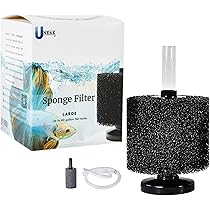
Air-driven filters use air pumps to move water through filter media. They are gentle and safe for fry.
These filters provide good oxygenation and mild water flow. They help keep the tank clean without harming small fish.
- Use sponge or foam as filter media
- Air pump pushes air into the filter
- Water flows through media, trapping dirt
- Simple to maintain and clean
Plant-based Filtration
Plants absorb waste products and use them as nutrients. This natural filtration helps keep water healthy.
Adding live plants to fry tanks can reduce toxins and improve water quality. Plants also provide shelter for fry.
- Fast-growing plants absorb ammonia and nitrates
- Floating plants reduce light and algae growth
- Rooted plants stabilize tank environment
- Regular trimming keeps plants healthy
Diy Filter Solutions
DIY filters can be made using common household items. These filters can be low-cost and effective for small tanks.
Simple designs use sponges, plastic bottles, or containers with filter media. They can be powered by air pumps or small motors.
- Use sponge or floss as filter material
- Modify plastic bottles to hold media
- Add air stones or small pumps for flow
- Easy to customize size and shape
Credit: www.amazon.ca
Troubleshooting Water Quality
Keeping water quality high is crucial for fry tanks. Poor water can harm young fish. Filters help maintain clean water, but they can have issues.
This guide will help you fix common filter problems. It also covers managing harmful substances and balancing filtration.
Identifying Filter Malfunctions
Filters can stop working well over time. This affects water clarity. Check for unusual noises or reduced water flow.
Debris can block the filter. Clean the filter parts regularly. Replace worn-out components to keep it running smoothly.
- Listen for strange sounds
- Inspect water flow regularly
- Clean filter parts often
Managing Ammonia And Nitrite Levels
Ammonia and nitrite are harmful to fry. Test the water to keep these levels low. Use water conditioners if needed.
Avoid overfeeding the fish. Excess food can increase ammonia. Regular water changes help maintain safe levels.
- Test water weekly
- Use conditioners carefully
- Do not overfeed the fish
Balancing Biological Filtration
Biological filtration uses bacteria to break down waste. Healthy bacteria keep the tank balanced. Add bacteria starters if levels drop.
Do not clean all filter media at once. This can remove beneficial bacteria. Stagger cleanings to maintain a good balance.
- Check bacteria levels regularly
- Add bacteria starters as needed
- Stagger filter media cleaning

Credit: www.amazon.ca
Frequently Asked Questions
What Type Of Filter Is Best For Fry Tanks?
Sponge filters are ideal for fry tanks. They provide gentle filtration without harming delicate fry. These filters promote beneficial bacteria growth, ensuring a safe environment and clean water for fry development.
How Often Should I Clean A Fry Tank Filter?
Clean the fry tank filter every 2 to 3 weeks. Avoid deep cleaning to preserve beneficial bacteria. Rinse the sponge gently in tank water to maintain biological filtration and water quality.
Can Aquarium Filters Harm Fry Fish?
Standard filters with strong suction can harm fry. Use sponge filters or add a pre-filter guard. These options prevent fry from being sucked in and ensure their safety in the tank.
Why Is Biological Filtration Important For Fry Tanks?
Biological filtration breaks down harmful ammonia and nitrites. This process keeps water safe and promotes healthy fry growth. Sponge filters support beneficial bacteria, making them crucial for fry tank stability.
Conclusion
Choosing the right aquarium filter keeps fry tanks clean and safe. Clean water helps baby fish grow strong and healthy. Filters remove waste and harmful chemicals from the water. A gentle filter avoids harming tiny fry. Regular filter care ensures good water quality over time.
This simple step supports a thriving fry tank environment. Small changes make a big difference in fish health. Take care of your fry tank with the proper filter today.