
Are you looking to transform your aquarium into a stunning underwater paradise? Decorative stones for aquariums are the perfect way to add color, texture, and personality to your fish tank.
Not only do they enhance the look, but they also create a natural environment where your fish can thrive. You’ll discover how to choose the right stones, the benefits they bring, and simple tips to make your aquarium stand out.
Keep reading to unlock the secrets of creating a beautiful, healthy home for your aquatic friends.

Credit: www.amazon.ca
Choosing The Right Stones
Decorative stones add beauty to aquariums. They create a natural look for fish and plants.
Choosing the right stones helps keep your fish safe and healthy. Not all stones work well in water.
Types Of Decorative Stones
Many stones can decorate your aquarium. Each type has different shapes, colors, and textures.
- River rocks: Smooth and round, great for natural looks
- Granite: Hard and durable, comes in many colors
- Slate: Flat and layered, perfect for stacking or caves
- Quartz: Shiny and clear, adds sparkle
- Sandstone: Soft texture, use carefully to avoid dust
Safe Stones For Aquariums
Safe stones do not change the water chemistry. They do not release harmful substances.
Always rinse stones well before adding them. This removes dirt and small debris.
- Granite: Stable and safe for all fish
- Quartz: Does not affect water pH
- Slate: Non-toxic and easy to clean
- Marble: Use with caution; can raise water hardness
- Sandstone: Safe if well washed and dust-free
Avoiding Harmful Materials
Some stones can harm fish or plants. They may change water pH or release toxins.
Avoid stones with sharp edges. They can injure fish or damage plants.
- Limestone: Raises pH and hardness, avoid for sensitive fish
- Coal or shale: Can release harmful chemicals
- Stones with paint or coatings: Toxic to fish
- Metamorphic rocks with heavy metals
- Stones that crumble easily
Enhancing Aquarium Aesthetics
Decorative stones add beauty and style to aquariums. They create a pleasing view for fish lovers.
Using stones carefully can make your aquarium look natural and inviting. It also helps fish feel more at home.
Color And Texture Options
Choose stones in colors that match your aquarium theme. Soft colors blend well with plants and fish.
- Light-colored stones brighten dark tanks.
- Dark stones create a deep, rich look.
- Textured stones add a natural feel.
- Smooth stones offer a clean, modern style.
Creating Natural Landscapes
Arrange stones to mimic real riverbeds or ocean floors. This helps fish feel safe and calm.
| Stone Type | Best Use | Effect |
| Granite | Base layer | Strong and durable |
| Slate | Rock formations | Flat and stackable |
| Quartz | Accent pieces | Bright and shiny |
| Lava rock | Plant anchoring | Porous and light |
Using Stones To Highlight Plants And Fish
Place stones near plants to draw attention to their colors. Use stones as backgrounds to make fish stand out.
Tips to highlight plants and fish with stones:
- Use light stones behind dark plants for contrast.
- Group stones to form cozy fish hiding spots.
- Arrange small stones around plant bases.
- Keep stones clean to avoid clouding the water.
Placement Techniques
Decorative stones add beauty and structure to aquariums. Proper placement helps keep fish safe and happy.
Using good placement techniques creates a natural look and supports aquarium life well.
Layering And Arranging Stones
Layer stones by size, placing larger ones at the bottom. This creates a stable base for smaller stones.
Arrange stones to form gentle slopes and interesting shapes. Avoid stacking stones too high to prevent falls.
- Start with big stones on the bottom
- Add medium stones on top
- Use small stones to fill gaps
- Create natural slopes and curves
- Keep stones stable and secure
Balancing Function And Style
Choose stones that match the aquarium’s theme and colors. Balance looks with fish needs.
Keep open spaces for swimming. Use stones to guide water flow and help plants grow well.
- Pick stones with natural colors
- Mix rough and smooth textures
- Leave swimming areas clear
- Use stones to support plants
- Place stones where water flows freely
Building Hiding Spots And Territories
Stack stones to create caves and crevices for fish to hide and rest. This reduces stress.
Separate areas with stones to help fish mark their own spaces. This limits fights and keeps peace.
- Make caves with two or three stones
- Use flat stones for ledges
- Create small tunnels for exploration
- Divide tank into zones with stone walls
- Check hiding spots are safe and stable
Maintenance Tips
Decorative stones add beauty and style to your aquarium. Keeping them clean helps fish stay healthy.
Regular care stops problems like algae buildup and bad smells. Follow these tips to maintain your stones.
Cleaning Decorative Stones
Take stones out carefully before cleaning. Use warm water to rinse dirt and debris off the stones.
Do not use soap or chemicals. These can harm your fish. A soft brush helps remove stubborn dirt.
Preventing Algae Growth
Algae grows fast on stones if the light is too strong or the water is dirty. Control light time to reduce growth.
Keep the aquarium clean by changing water regularly. Use algae-eating fish or snails to help keep stones clear.
- Limit light to 8-10 hours daily
- Change 10-20% of water weekly
- Add algae-eating tank mates
- Remove visible algae during cleanings
Replacing And Refreshing Stones
Replace stones if they crack or look worn out. Fresh stones improve the tank’s look and fish health.
Clean new stones well before adding them. Mix new stones with old ones to keep a natural feel in the tank.
Diy Stone Decorations
Decorative stones can add a natural look to your aquarium. You can create your own stone decorations with simple tools and materials.
Making stone decorations yourself lets you customize the style and size. It also saves money and makes your aquarium unique.
Customizing Stones With Paints And Sealants
Paints can change the color of stones to fit your aquarium’s theme. Use non-toxic, water-based paints safe for fish and plants.
Sealants protect painted stones from water damage. Choose aquarium-safe sealants to keep your decorations durable and safe.
- Clean stones before painting
- Apply thin paint layers for even coverage
- Let paint dry fully before sealing
- Use sealant that is fish-safe and waterproof
Crafting Stone Structures
You can build stone caves, arches, or towers using smaller stones. Use aquarium-safe glue or aquarium silicone to hold stones together.
Make sure your structures have no sharp edges. This keeps fish safe and prevents injury in your tank.
- Plan your design before starting
- Use flat stones for stability
- Check fit and balance before gluing
- Let glue dry fully before placing in water
Incorporating Stones With Other Decor
Combine stones with plants, driftwood, and shells for a natural look. Stones add texture and contrast to soft decorations.
Place stones near plants to create hiding spots. Use stones to anchor plants or hold decorations in place.
- Use stones to create different levels in the tank
- Mix colors and sizes for visual interest
- Keep spaces open for fish to swim
- Arrange stones to avoid blocking filters or lights
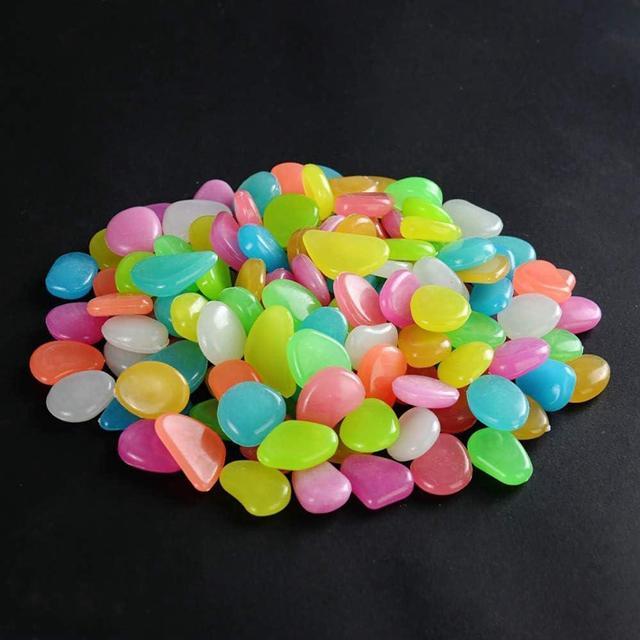
Credit: www.newegg.ca

Credit: www.amazon.ca
Frequently Asked Questions
What Types Of Decorative Stones Are Best For Aquariums?
Natural stones like quartz, lava rock, and slate are ideal. They are safe, non-toxic, and enhance aquarium aesthetics. Avoid stones that can alter water chemistry or harm fish. Always rinse stones thoroughly before adding them to your tank.
How Do Decorative Stones Affect Aquarium Water Quality?
Some stones can change pH or hardness by leaching minerals. Choose inert stones to maintain stable water conditions. Regular water testing helps monitor any changes. Proper stone selection ensures a healthy environment for fish and plants.
Can Decorative Stones Harm Aquarium Fish Or Plants?
Sharp or toxic stones can injure fish or affect plant growth. Smooth, non-toxic stones provide safe hiding spots and surfaces for beneficial bacteria. Always inspect stones for sharp edges before placing them in your aquarium.
How To Clean Decorative Stones In An Aquarium Safely?
Rinse stones with warm water only; avoid soap or chemicals. Use a soft brush to remove algae or debris gently. Regular cleaning prevents harmful buildup and maintains a healthy tank environment.
Conclusion
Decorative stones add beauty and life to any aquarium. They create a natural look fish enjoy. Choosing the right stones helps keep water clean and safe. Stones also provide hiding spots for shy fish. Remember to pick stones that do not change water quality.
Clean them well before adding to your tank. Small changes make big differences in aquarium health. Your fish will thrive in a calm, natural space. Decorative stones are a simple way to improve your aquarium’s charm and comfort. Give your fish a happy home.