
Do you have shy fish that hide all the time, making your aquarium look empty and dull? You’re not alone.
Many fish need a safe space to feel comfortable, and aquascaping can be the perfect solution. By creating the right environment, you can help your shy fish come out of hiding and show their true colors. You’ll discover simple aquascaping tips that make your tank a cozy home for your timid friends—and a stunning display for you.
Ready to transform your aquarium and see your fish thrive? Keep reading!
Choosing The Right Plants
Aquascaping helps create a safe space for shy fish. Choosing the right plants gives them places to hide.
Plants offer shelter and reduce stress for timid fish. Pick plants that suit your tank and fish needs.
Dense Foliage For Cover
Dense plants create thick areas where shy fish can hide easily. These plants help fish feel safe and calm.
Examples of dense foliage plants include:
- Java Moss
- Cabomba
- Water Wisteria
- Anubias
Floating Plants For Shade
Floating plants block light and create shaded areas. Shy fish like to stay in dim places where they feel hidden.
Good floating plants include:
- Duckweed
- Water Lettuce
- Salvinia
- Frogbit
Fast-growing Species
Fast-growing plants quickly cover open spaces. They help create hiding spots faster for shy fish.
Some fast-growing plants are:
- Hornwort
- Water Sprite
- Amazon Frogbit
- Elodea
Designing Natural Hiding Spots
Aquascaping can help shy fish feel safe and calm. Natural hiding spots reduce stress and encourage natural behavior.
Creating places for fish to hide uses natural materials. These spots mimic their real habitats and improve tank life.
Using Driftwood And Rocks
Driftwood and rocks provide solid cover for shy fish. They create shadows and breaks in open spaces.
Choose smooth driftwood and stable rocks to avoid injury. Arrange them carefully to form small shelters.
- Place driftwood to create shaded areas
- Stack rocks to build natural caves
- Use rough surfaces for fish to cling or hide
- Secure rocks to prevent falls
Creating Caves And Tunnels
Caves and tunnels offer perfect retreats for shy fish. These spaces feel safe and help fish stay out of sight.
Use stones, pots, or hollow wood to build caves. Make tunnels wide enough for fish to swim through easily.
- Build caves with natural rocks or ceramic pots
- Arrange tunnel entrances near plants for extra cover
- Keep tunnels clean to prevent debris buildup
- Ensure openings are big enough for fish size
Layering Substrate For Depth
Layering substrate creates natural slopes and hiding spots. Fish can dig or rest in deeper substrate areas.
Use fine gravel or sand on top of larger stones. This mix looks natural and offers places for burrowing fish.
- Start with larger rocks at the bottom
- Add finer substrate layers on top
- Create slopes for natural look and hiding spots
- Keep substrate clean to avoid harmful buildup
Lighting For Comfort
Lighting plays a key role in aquascaping for hiding shy fish. It helps create a peaceful environment where fish feel safe and calm.
Proper lighting mimics natural conditions and reduces stress. This guide covers soft light, light duration, and shadow use.
Soft And Diffused Light
Bright light can scare shy fish and make them hide too much. Soft and diffused light creates a gentle glow that calms fish and shows the plants well.
- Use frosted covers on lights to spread light evenly.
- Place light sources above plants, not directly on fish.
- Choose bulbs with warm colors to reduce glare.
- Add floating plants to filter strong light naturally.
Adjusting Light Duration
Fish need a day and night cycle to feel safe. Too much light can stress fish, while too little can harm plants.
| Light Duration | Effect on Fish | Effect on Plants |
|---|---|---|
| 6-8 hours | Comfortable, less stress | Good growth, no algae |
| 8-10 hours | Normal activity | Optimal photosynthesis |
| Over 10 hours | Stress risk increases | Algae growth risk |
Using Shadows Effectively
Shadows give shy fish places to hide and feel safe. They also add depth to the aquascape.
Try these tips to use shadows well:
- Place tall plants or rocks to create natural shade.
- Use uneven light angles to form soft shadows.
- Arrange decorations to break direct light paths.
:strip_icc()/aquarium-with-cichlids-fish-from-lake-malawi-936332656-0ddcdd7df1444600a9598112db12a470.jpg)
Credit: www.thesprucepets.com
Aquarium Layout Strategies
Creating a good aquarium layout helps shy fish feel safe. It gives them places to hide and explore.
Using the right layout keeps fish calm and active. It also makes your tank look nice.
Zoning With Plants And Decor
Divide the aquarium into zones with plants and decorations. These zones give shy fish their own space.
Use tall plants and rocks to create hiding spots. Dense plants help fish feel hidden from others.
- Place tall plants near the back and sides
- Use rocks or driftwood to make caves
- Mix different plant types for variety
- Keep some open spaces between zones
Open Swimming Areas
Shy fish need open areas to swim freely. These spaces help them feel safe and relaxed.
Keep open water near the center or front of the tank. Avoid placing decorations here to keep it clear.
- Leave open space at least one-third of the tank
- Use low plants around open areas
- Make sure water flow is gentle in these zones
Safe Zones Near Filters And Heaters
Filters and heaters can scare shy fish. Create safe zones nearby with plants or decor to protect them.
Use dense plants or caves close to equipment. This blocks strong currents and bright lights from filters.
- Place tall plants or moss near filters
- Add rocks or caves near heaters
- Check that fish can easily enter these zones
Behavioral Considerations
Aquascaping is key for fish that hide often. It helps them feel safe and reduces stress. Good design supports natural behaviors.
Understanding fish behavior helps create better hiding spots. It also improves tank harmony and health.
Recognizing Signs Of Stress
Shy fish show stress in many ways. They may hide more or stop eating. Watch for pale colors or fast breathing.
Spotting stress early helps you change the tank setup. This keeps fish healthy and calm.
- Hiding for long periods
- Loss of appetite
- Faded colors
- Erratic swimming
- Gasping at the surface
Creating Low-traffic Zones
Low-traffic zones give shy fish places to relax. Use plants, rocks, and caves to block busy areas. This makes safe hiding spots.
Place hiding spots away from tank entrances and filters. Quiet corners are best for shy fish comfort.
- Dense plants for cover
- Decorations that block light
- Caves or tunnels for shelter
- Zones with less water flow
- Spaces away from feeding spots
Compatibility With Tank Mates
Choose tank mates that do not bother shy fish. Aggressive fish cause stress and hiding. Peaceful species are better companions.
Match fish with similar sizes and temperaments. This reduces bullying and helps shy fish feel secure.
- Avoid aggressive or fast swimmers
- Pick calm, peaceful fish species
- Keep similar size fish together
- Provide enough hiding spots for all
- Watch fish interactions daily
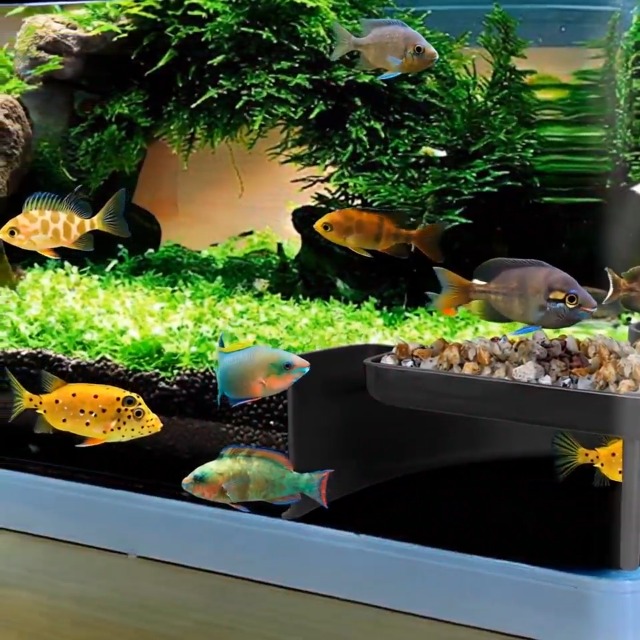
Credit: www.amazon.ca
Maintenance Tips For Safe Havens
Creating a safe environment for shy fish involves proper maintenance. These tips will help keep their hiding spots cozy and secure.
Follow these strategies to ensure your aquascape remains a peaceful retreat for your timid aquatic friends.
Regular Cleaning Without Disturbance
Regular cleaning is essential, but it must be done gently. This prevents stress for shy fish and keeps their environment stable.
- Use a soft brush to clean algae from rocks.
- Gently vacuum the substrate to remove debris.
- Limit water changes to avoid sudden shifts in conditions.
Plant Trimming Techniques
Trimming plants keeps the tank tidy and provides space for fish to hide. It also helps maintain healthy plant growth.
| Plant Type | Trimming Frequency |
| Anubias | Monthly |
| Java Fern | Bi-weekly |
| Hornwort | Weekly |
Water Quality Management
Good water quality ensures a healthy habitat. Shy fish are sensitive to changes, so consistent conditions are key.

Credit: www.aqqapet.com
Frequently Asked Questions
How Does Aquascaping Help Shy Fish Feel Safe?
Aquascaping creates natural hiding spots using plants and decor. These shelters reduce stress for shy fish. It mimics their natural habitat, encouraging natural behavior. Fish feel secure and less exposed, improving their health and activity levels.
What Plants Are Best For Hiding Shy Fish?
Dense plants like Java fern, Anubias, and Amazon sword are ideal. They offer cover and soft leaves for shelter. These plants thrive underwater and create natural hiding places. They also improve water quality, benefiting shy fish.
How To Design Aquascapes For Shy Fish?
Use layered plants and caves for multiple hiding options. Avoid open spaces and bright lights to reduce stress. Incorporate driftwood and rocks to mimic natural environments. Ensure easy swimming paths while offering plenty of cover.
Can Aquascaping Reduce Fish Aggression?
Yes, aquascaping lowers aggression by providing territorial boundaries and hiding spots. It minimizes direct confrontations by allowing shy fish to retreat. Well-planned layouts create peaceful coexistence among fish, enhancing tank harmony.
Conclusion
Creating a safe space for shy fish helps them feel calm and secure. Plants, rocks, and caves offer perfect hiding spots. These natural covers reduce stress and encourage fish to explore. A well-planned aquascape can bring out their true colors.
Remember, patience is key as fish adjust to new surroundings. Enjoy watching your shy fish grow more confident each day. Small changes make a big difference in their behavior. Aquascaping is not just decoration—it’s a way to support your fish’s well-being.