
If you have a large aquarium with big, beautiful fish, you know how important it is to have the right support. An aquarium stand for large species tanks isn’t just a piece of furniture—it’s the foundation that keeps your tank safe and secure.
Choosing the wrong stand can lead to costly damage or even harm to your aquatic friends. You’ll discover exactly what to look for in a sturdy, reliable stand that fits your tank perfectly. Keep reading to make sure your underwater world stays stable and stunning for years to come.
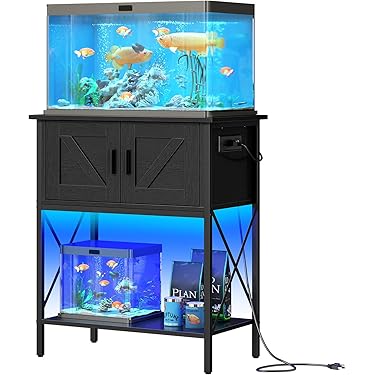
Credit: www.amazon.com
Choosing The Right Material
Selecting the right material for an aquarium stand is very important. The stand needs to hold the weight of large species tanks safely.
Different materials have unique strengths and weaknesses. You should know these before making a choice.
Wood Vs Metal Stands
Wood and metal are the most common materials for aquarium stands. Wood offers a natural look. Metal gives a modern style and strong support.
- Wood stands are easy to customize and repair.
- Metal stands are usually stronger and last longer.
- Wood may warp or rot if wet.
- Metal can rust without proper coating.
- Wood is better for indoor dry areas.
- Metal suits humid or wet rooms when treated.
Durability Factors
Durability depends on material quality and tank weight. Both wood and metal stands can last years if made well.
| Material | Strength | Maintenance | Lifespan |
| Wood | Moderate | Needs sealing and care | 5-15 years |
| Metal | High | Requires rust protection | 10-20 years |
Moisture Resistance
Water spills and humidity can damage aquarium stands. Choosing moisture-resistant materials helps protect your stand.
- Wood stands need waterproof finishes like varnish or paint.
- Metal stands should have powder coating or rust-proof paint.
- Keep stands away from direct water contact when possible.
- Check regularly for signs of damage or wear.

Credit: www.reddit.com
Designs For Large Tanks
Aquarium stands for large species tanks need strong and smart designs. These stands hold heavy water and big fish tanks.
Good designs keep the tank safe and stable. They also make the tank look great in any room.
Weight Distribution Techniques
Large tanks hold a lot of water and can weigh hundreds of pounds. The stand must spread this weight evenly.
Even weight stops the stand from bending or breaking. It also keeps the floor safe from damage.
- Use wide, flat surfaces under the tank
- Add cross beams to spread weight
- Place legs or supports evenly
- Use thick wood or metal materials
Reinforced Support Structures
Reinforced supports make the stand stronger. They prevent the stand from warping or collapsing over time.
Supports can include metal braces, corner blocks, and extra beams under the tank.
- Metal braces add extra strength
- Corner blocks stop side movement
- Extra beams support heavy parts
- Secure joints with screws or bolts
Custom Vs Pre-made Options
Custom stands fit your tank and room perfectly. You choose materials, colors, and design details.
Pre-made stands are ready to buy. They are easier to get but may not fit large or odd-shaped tanks well.
- Custom stands offer perfect size and style
- Pre-made stands are faster to get
- Custom can be stronger with special supports
- Pre-made may have limited weight capacity
Style And Aesthetics
An aquarium stand for large species tanks is more than just support. It shapes the room’s look and feel. Choosing the right style helps the tank blend well with your space.
Design matters when you want your aquarium to be a centerpiece. A well-chosen stand adds charm and balances the room’s design.
Matching Room Decor
Match the aquarium stand style with your existing room decor. This makes the aquarium part of the overall design, not just an extra item.
- Choose wood finishes that match furniture nearby
- Pick clean lines for modern or minimalist rooms
- Use ornate designs for classic or vintage rooms
- Consider the room’s lighting to highlight the stand
Finishing Touches
Small details make a big difference. Add finishing touches that improve both function and look of your aquarium stand.
| Finishing Touch | Benefit |
| Rounded edges | Safer for children and pets |
| Hidden cable management | Cleaner, less cluttered appearance |
| Protective coatings | Resists water damage and scratches |
| Built-in storage | Organizes fish care supplies neatly |
Color And Texture Choices
Colors and textures of the stand affect the room’s mood. Choose wisely to complement your tank and space.
- Natural wood grain:Warm and classic look
- Glossy black or white:Modern and sleek style
- Matte finishes:Soft and subtle feel
- Stone or concrete texture:Rugged and natural appearance
Safety Considerations
Choosing the right aquarium stand for large species tanks is important for safety. A strong stand supports the heavy weight and keeps the tank stable. Poor safety can cause accidents and damage.
This guide covers key safety points about load capacity, stability, and waterproofing. Follow these tips to protect your tank and home.
Load Capacity Testing
Load capacity means how much weight the stand can hold. It is important to test this before placing a large tank on the stand. The tank filled with water, decorations, and fish can weigh a lot.
- Check the manufacturer’s weight limit for the stand.
- Use a scale to weigh the filled tank if possible.
- Test the stand by placing weights gradually up to the expected load.
- Look for signs of stress like cracks or bending.
- Do not exceed the tested load capacity.
Stability And Balance
The stand must be stable to prevent tipping. It should have a wide base and even legs. Balance keeps the tank level and safe.
| Feature | Importance | Tip |
|---|---|---|
| Wide Base | Improves stability | Choose a stand wider than the tank |
| Level Surface | Prevents tipping | Use a level tool when setting up |
| Strong Legs | Supports weight evenly | Check for sturdy, adjustable legs |
Waterproofing And Maintenance
Water can damage stands not made for wet environments. Waterproofing helps the stand last longer and stay safe. Regular maintenance keeps it in good shape.
- Apply waterproof sealant on wood stands.
- Use metal stands with rust-resistant coatings.
- Wipe off spills immediately to avoid damage.
- Inspect the stand monthly for wear or water damage.
- Tighten screws and bolts during maintenance checks.
Installation Tips
Setting up an aquarium stand for large species tanks requires care and precision. A strong and level base helps keep your tank safe and stable. This guide covers key installation tips to ensure your stand supports your aquarium well.
Follow these instructions to avoid damage and secure your tank properly. Each step is important for the long-term health of your aquatic environment.
Leveling The Stand
Check the floor surface where you plan to place the stand. Use a spirit level to make sure it is perfectly flat. Uneven floors can cause stress on the tank glass and lead to leaks or cracks.
If the floor is uneven, use shims or adjustable feet under the stand legs. Make small adjustments until the stand sits evenly on the floor. Confirm with the level again before placing the tank.
Securing The Tank
Place a foam pad or rubber mat on top of the stand to cushion the tank base. This helps distribute weight evenly and reduces pressure points.
- Lift the tank carefully onto the stand with help from another person.
- Check that the tank is centered and stable on the stand.
- Use aquarium-safe silicone to seal edges between the tank and stand if needed.
- Secure any straps or brackets recommended by the tank manufacturer.
Avoiding Common Mistakes
| Mistake | Why It Is a Problem | How to Avoid |
|---|---|---|
| Ignoring floor unevenness | Causes tank stress and leaks | Use shims or level floor before setup |
| Placing tank off-center | Leads to imbalance and tipping risk | Center tank carefully on stand |
| Skipping padding | Creates pressure points on glass | Always use foam or rubber mat |
| Overloading the stand | May cause stand failure | Check stand weight capacity before use |
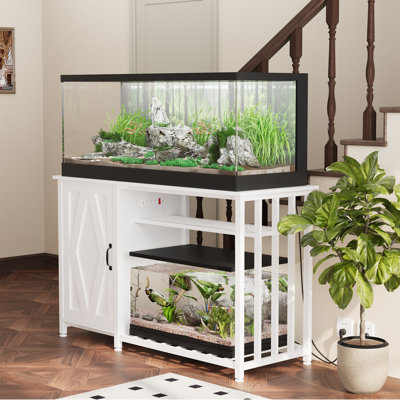
Credit: www.wayfair.ca
Budgeting And Cost
Setting up an aquarium stand for large species tanks requires careful budgeting. Costs can vary based on materials, design, and long-term value.
Understanding these factors helps in making informed financial decisions. Let’s explore the costs associated with different aspects of aquarium stands.
Material Costs
The materials you choose impact the overall budget significantly. Common options include wood, metal, and acrylic.
- Wood:Classic look, varies from cheap pine to expensive oak.
- Metal:Offers durability, often priced higher due to strength.
- Acrylic:Lightweight, can be costly but provides modern aesthetics.
Custom Build Expenses
Custom builds offer tailored solutions but come with additional expenses. Hiring a carpenter or designer increases the cost.
| Expense Type | Approximate Cost |
| Design Consultation | $100 – $300 |
| Labor | $200 – $500 |
| Materials | Varies based on choice |
Long-term Investment Value
Investing in quality materials and design enhances durability. A well-built stand lasts longer and provides better value over time.
Frequently Asked Questions
What Size Aquarium Stand Fits Large Species Tanks?
A stand should match the tank’s dimensions exactly. Measure length, width, and height before purchase. Large species tanks often require sturdy, custom-built stands for optimal support and safety.
Which Materials Are Best For Large Aquarium Stands?
Steel and solid wood are ideal materials. They provide strong support and resist moisture damage. Avoid particleboard or weak materials that can warp or collapse under heavy tank weight.
How To Ensure Aquarium Stand Stability For Big Tanks?
Use level surfaces and sturdy construction. Check for even weight distribution and secure joints. Adding cross braces or reinforced legs improves stability and prevents wobbling or tipping risks.
Can Aquarium Stands Support Extra Equipment Like Filters?
Yes, many stands have shelves or compartments for equipment. Ensure your stand design includes space for pumps, filters, and storage. Proper organization keeps the setup tidy and accessible.
Conclusion
Choosing the right aquarium stand keeps your large tank safe and steady. Strong materials and good design support heavy water weight well. A sturdy stand also makes tank maintenance easier and more comfortable. This helps your fish stay healthy and happy.
Investing time in finding the best stand pays off in the long run. Enjoy your beautiful aquarium without worry or stress. Safety and stability matter most for large species tanks.