
Keeping your aquarium water clean and healthy is one of the most important steps to ensuring your fish thrive. You might wonder how to maintain crystal-clear water without spending hours on maintenance.
The secret lies in simple water treatment tips that anyone can follow. By understanding a few key tricks, you can create a safe and vibrant environment for your aquatic friends. Ready to discover how easy it is to transform your aquarium into a healthy haven?
Keep reading to find out the best water treatment tips that will make your fish happier and your tank sparkle.
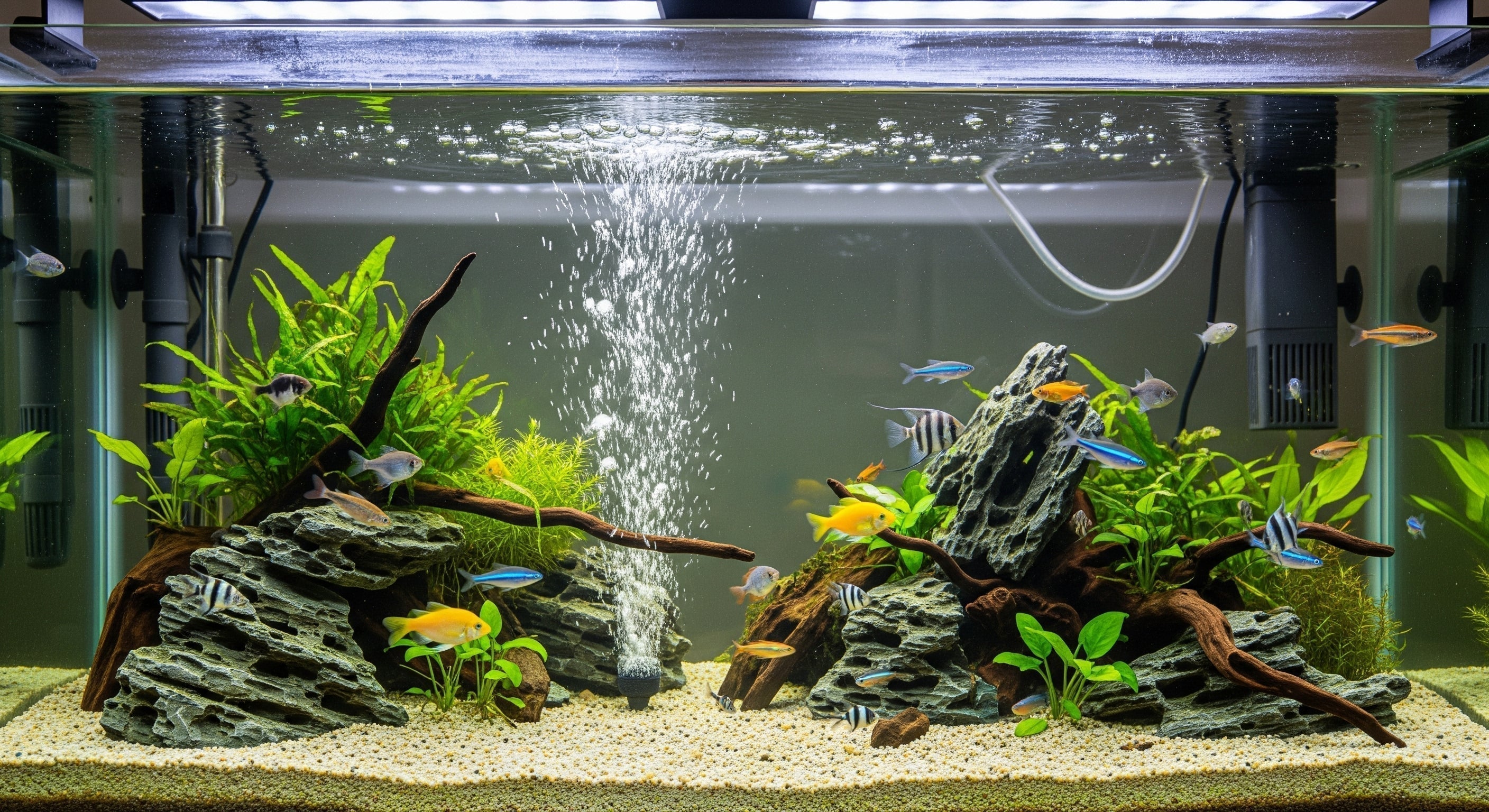
Credit: www.pond-planet.co.uk
Choosing The Right Water
The water you use in your aquarium affects fish health. Choosing clean, safe water helps keep fish happy.
Not all water sources are safe for fish. Learn how to pick the best water for your tank.
Tap Water Vs. Bottled Water
Tap water is easy to get and usually affordable. It often has chemicals like chlorine to kill germs.
Bottled water is clean and free from chemicals. It may lack minerals fish need or be costly for large tanks.
- Tap water is tested by local authorities
- Bottled water may not have minerals fish need
- Tap water needs treatment before use
- Bottled water is ready but can be expensive
Testing Water Quality
Testing water helps find harmful chemicals or wrong pH levels. This keeps fish safe and healthy.
Use water test kits to check pH, ammonia, nitrite, and nitrate. Testing before adding water avoids problems.
- Check pH to match fish needs
- Test ammonia and nitrite for toxins
- Measure nitrate to keep it low
- Test water regularly, not just once
Dechlorination Methods
Chlorine and chloramine in tap water harm fish. Removing these chemicals is important before use.
Use water conditioners or let water sit to remove chlorine. This makes tap water safe for your aquarium.
- Use a water conditioner to remove chlorine and chloramine
- Let tap water sit 24-48 hours to let chlorine evaporate
- Boil water to remove chlorine faster
- Check product instructions for safe use

Credit: buceplant.com
Essential Filtration Techniques
Keeping aquarium water clean is key to healthy fish and plants. Filtration removes waste and harmful substances. Different types of filtration work together for best results.
This guide explains three main filtration methods. Learn how each one helps your aquarium stay balanced and safe.
Mechanical Filtration Benefits
Mechanical filtration traps solid particles like uneaten food and fish waste. It keeps the water clear and prevents buildup in the tank. Filters use sponges, pads, or floss to catch debris.
- Removes visible dirt from water
- Prevents clogging in other filter types
- Improves water flow and oxygen levels
- Makes cleaning easier and faster
Biological Filtration Basics
Biological filtration uses beneficial bacteria to break down harmful ammonia and nitrites. These bacteria live in filter media like ceramic rings or bio balls. They turn toxic waste into less harmful nitrates.
| Stage | Process | Result |
| Ammonia | Bacteria convert ammonia to nitrites | Less toxic to fish |
| Nitrites | Bacteria convert nitrites to nitrates | Safe in low amounts |
| Nitrates | Removed by water changes or plants | Maintains water quality |
Chemical Filtration Uses
Chemical filtration removes dissolved impurities from water. Activated carbon is common and absorbs odors, colors, and toxins. Other media target specific problems like heavy metals or medicines.
Chemical filtration media include:
- Activated carbon for general impurities
- Zeolite to reduce ammonia
- Resins to remove phosphate or nitrate
- Specialty filters for medication removal
Maintaining Optimal Water Parameters
Keeping your aquarium water healthy is key for fish and plants. Water parameters must stay balanced.
Good water quality helps fish live longer and stay active. Test water often to catch problems early.
Ph Levels And Stability
pH shows how acidic or basic the water is. Fish need a steady pH to stay healthy.
Sudden pH changes stress fish and can cause illness. Keep pH stable by avoiding fast water changes.
- Test pH weekly with a reliable kit
- Use buffers to adjust pH slowly
- Avoid mixing water from different sources
Temperature Control
Fish need the right temperature to live well. Too hot or cold water harms them.
Use a heater and thermometer to keep water steady. Avoid placing tanks in direct sunlight or cold drafts.
- Check temperature daily
- Set heater to match fish species needs
- Keep temperature changes slow
Ammonia, Nitrite, And Nitrate Management
Ammonia and nitrite are toxic to fish. Nitrate is less harmful but must stay low.
Good filtration and water changes reduce these chemicals. Test water regularly to keep levels safe.
| Chemical | Safe Level (ppm) | How to Control |
|---|---|---|
| Ammonia | 0 | Use biofilters, avoid overfeeding |
| Nitrite | 0 | Regular water changes, healthy bacteria |
| Nitrate | < 20 | Partial water changes, plants absorb nitrate |
Credit: www.pets4homes.co.uk
Regular Water Changes
Regular water changes keep your aquarium clean and fish healthy. Changing water removes waste and harmful chemicals.
It also helps maintain the right balance of minerals and nutrients in the tank.
Frequency And Volume Guidelines
Change water often to avoid toxic buildup. The frequency depends on tank size and fish count.
Small tanks need more frequent changes than large tanks. A good rule is to change 10-25% of water weekly.
- For tanks under 20 gallons, change 20-25% weekly
- For tanks 20-50 gallons, change 15-20% weekly
- For tanks over 50 gallons, change 10-15% weekly
Safe Water Replacement Tips
Always use water that matches the tank’s temperature and pH. This prevents stress to your fish.
Use a water conditioner to remove chlorine and chloramine from tap water before adding it to the tank.
- Test tap water for pH and temperature before use
- Use dechlorinator to treat tap water
- Add new water slowly to avoid shocking fish
- Keep water temperature within 2°F of tank water
Avoiding Common Mistakes
Do not change too much water at once. Large changes can harm fish and plants.
Avoid using untreated water or water with different parameters. This can cause stress and illness.
- Never replace more than 30% of water at once
- Do not use soap or chemicals to clean the tank
- Do not skip regular water changes
- Check water quality regularly to spot problems early
Using Water Conditioners
Water conditioners help keep aquarium water safe for fish. They remove harmful chemicals like chlorine and heavy metals.
Using the right conditioner improves water quality and helps fish stay healthy.
Types Of Conditioners
There are different water conditioners for aquariums. Each one has a special purpose to protect fish.
- Dechlorinators remove chlorine and chloramine from tap water.
- Heavy metal neutralizers make metals safe for fish.
- Stress reducers help fish adjust to new water.
- Bacterial supplements add good bacteria for a healthy tank.
Benefits For Fish Health
Water conditioners protect fish from toxic chemicals. They keep fish gills and skin safe.
Conditioners reduce stress, which helps fish fight diseases better. Healthy water means happier fish.
Proper Dosage And Application
Use the right amount of conditioner based on your tank size. Too little or too much can harm fish.
Follow package instructions carefully. Add conditioner before adding water to the aquarium.
- Measure water volume accurately.
- Mix conditioner in water before adding fish.
- Use fresh conditioner each time you change water.
- Store conditioner in a cool, dry place.
Preventing And Managing Algae
Algae growth is a common issue in aquariums. It can affect water quality and the health of your fish. Understanding how to manage algae is key to a healthy aquarium.
There are several ways to prevent and manage algae. These include understanding its causes, using natural methods, and considering chemical treatments.
Causes Of Algae Growth
Algae thrive in certain conditions. Knowing what causes algae can help you prevent it.
- Excessive light exposure
- High levels of nutrients like nitrates and phosphates
- Poor water circulation
- Overfeeding fish
Natural Control Methods
Natural methods can help manage algae without chemicals. These methods are often safer for fish and plants.
| Method | Action |
| Reduce Light | Limit aquarium light to 8-10 hours daily |
| Introduce Algae Eaters | Add fish or snails that consume algae |
| Regular Water Changes | Replace 10-15% of water weekly |
Chemical Treatments
Sometimes natural methods are not enough. Chemical treatments can be effective but must be used carefully.
Always read product labels and follow instructions. Test water regularly to ensure it remains safe for fish.
Special Considerations For Sensitive Species
Keeping sensitive fish species healthy requires careful water treatment. Some fish need very specific water conditions to thrive. This guide covers key tips for these delicate species.
Understanding water needs for softwater fish, saltwater tanks, and breeding setups can help you avoid stress and disease in your aquarium.
Softwater Fish Needs
Softwater fish like tetras and angelfish need water low in minerals. Keep pH and hardness levels stable to prevent stress. Use purified or distilled water mixed with tap water to reach the right softness.
- Test water hardness weekly
- Keep pH between 6.0 and 7.0
- Use peat moss or driftwood to soften water naturally
- Avoid sudden changes in water chemistry
Saltwater Aquarium Tips
Saltwater species need precise salt levels and clean water. Use a marine salt mix and measure salinity with a hydrometer. Keep temperature and pH steady to support sensitive marine life.
| Parameter | Ideal Range |
| Salinity (Specific Gravity) | 1.020 – 1.025 |
| pH | 8.1 – 8.4 |
| Temperature | 24°C – 27°C (75°F – 80°F) |
| Ammonia | 0 ppm |
| Nitrite | 0 ppm |
Breeding Tank Water Care
Breeding sensitive fish needs clean, stable water. Regular water changes and gentle filtration keep eggs and fry safe. Adjust water parameters to match the parents’ natural habitat.
- Use aged water free of chlorine and chloramine
- Keep temperature steady and match species needs
- Perform small, frequent water changes
- Remove uneaten food to prevent contamination
- Maintain low flow to protect eggs and fry
Frequently Asked Questions
How Often Should I Change Aquarium Water?
Change 10-20% of aquarium water weekly to maintain cleanliness. Regular water changes remove toxins and promote fish health.
What Is The Best Water Conditioner For Aquariums?
Use water conditioners that remove chlorine and chloramine. Choose products safe for fish and aquatic plants for best results.
How Do I Test Aquarium Water Quality?
Use test kits to check pH, ammonia, nitrite, and nitrate levels. Regular testing helps prevent harmful water conditions and fish stress.
Can Tap Water Be Used Directly In Aquariums?
No, always treat tap water with a conditioner. Untreated tap water contains chemicals harmful to fish and beneficial bacteria.
Conclusion
Keeping your aquarium water clean helps fish stay healthy and happy. Test water regularly to catch problems early. Change water often but not all at once. Use water conditioners to remove harmful chemicals. Avoid overfeeding fish to reduce waste buildup.
Clean filters on schedule to keep water clear. Small steps make a big difference in water quality. Healthy water means lively fish and a beautiful tank. Follow these tips and enjoy your thriving aquarium every day.