
Are you looking for the best way to keep your fish healthy and happy? Freeze-dried fish food might be exactly what you need.
It offers a simple, mess-free solution that keeps your fish well-nourished without the hassle of constant refrigeration or quick spoilage. Imagine feeding your fish food that stays fresh for longer, saves you time, and provides all the essential nutrients they need.
Keep reading to discover how freeze-dried fish food can transform your aquarium care routine and make your fish thrive like never before.

Credit: www.amazon.ca
Benefits Of Freeze-dried Fish Food
Freeze-dried fish food is a popular choice for many aquarium owners. It offers several advantages over other types of fish food.
This type of food keeps fish healthy and is easy to use in daily feeding routines.
Nutritional Value
Freeze-dried fish food keeps most of the natural nutrients in the food. It contains proteins, vitamins, and minerals that fish need.
Since the drying process removes water but keeps nutrients, it helps fish stay strong and active.
- High in protein for muscle growth
- Rich in vitamins for good health
- Contains essential minerals
Long Shelf Life
Freeze-dried fish food lasts longer than fresh or frozen food. It stays good for many months without spoiling.
This long shelf life means less waste and more savings for fish owners.
- Can be stored for several months
- Resists mold and bacteria growth
- Maintains quality over time
Ease Of Storage And Use
Freeze-dried fish food is light and easy to store. It does not need refrigeration or freezing.
It is simple to feed fish with this food. Just add the right amount to the tank or feeder.
- Lightweight and compact packaging
- No need for special storage conditions
- Easy to measure and feed
Types Of Freeze-dried Fish Food
Freeze-dried fish food is a popular choice for many aquarium owners. It keeps nutrients intact and lasts longer without refrigeration.
There are several types of freeze-dried fish food. Each type offers different benefits for your fish’s diet.
Freeze-dried Brine Shrimp
Freeze-dried brine shrimp are small crustaceans packed with protein. They help improve fish growth and color.
These shrimp are easy to store and feed. They rehydrate quickly in water, making them soft for fish to eat.
Freeze-dried Bloodworms
Freeze-dried bloodworms are larvae that offer a rich source of protein. Many fish find them tasty and nutritious.
They are suitable for both small and large fish. Bloodworms help boost fish activity and appetite.
Freeze-dried Daphnia
Freeze-dried daphnia are tiny water fleas. They provide fiber and help with fish digestion.
Daphnia also aid in cleaning fish stomachs. Fish enjoy their crunchy texture once rehydrated.
Choosing The Right Freeze-dried Food
Freeze-dried fish food is a popular choice for many aquarium owners. It keeps nutrients locked in and lasts a long time. Choosing the right type of freeze-dried food helps keep your fish healthy and happy.
This guide covers key points to consider when selecting freeze-dried fish food. You will learn how to match food to fish species, understand dietary needs, and check quality and ingredients.
Matching Food To Fish Species
Different fish species eat different types of food. Some fish like flakes, while others prefer pellets or freeze-dried options. Choose freeze-dried food made for your fish type to meet their taste and size needs.
Small fish need smaller food pieces. Larger fish can eat bigger chunks. Some freeze-dried foods include shrimp or worms, which certain fish enjoy more. Look for food labeled for your fish species.
- Small fish: tiny flakes or granules
- Medium fish: small pellets or bits
- Large fish: chunks or whole freeze-dried items
- Carnivores: freeze-dried shrimp or bloodworms
- Herbivores: plant-based freeze-dried foods
Considering Fish Dietary Needs
Fish have different diets based on their species. Some are carnivores, eating mostly meat. Others are herbivores that eat plants. Omnivores eat both. Choose food that fits their natural diet.
Freeze-dried foods can provide protein, fiber, or vitamins. Read the label to see what nutrients it offers. Matching the food to your fish’s diet helps keep them strong and active.
- Carnivores need high protein content
- Herbivores require plant fibers and vitamins
- Omnivores benefit from balanced protein and plant matter
- Check for added vitamins and minerals
Checking Quality And Ingredients
Good freeze-dried fish food uses fresh ingredients and no fillers. Avoid foods with artificial colors or preservatives. High-quality food helps prevent fish illness and supports growth.
Look for clear ingredient lists. The first ingredients should be real fish, shrimp, or plants. Natural ingredients give your fish better nutrition. Choose trusted brands with good reviews.
- No artificial colors or preservatives
- Main ingredients are real fish, shrimp, or plants
- Check for added vitamins and minerals
- Choose reputable brands

Credit: dyno.ca
Feeding Tips For Healthy Fish
Freeze-dried fish food is a great choice for many aquarium fish. It keeps nutrients well and is easy to store.
Feeding fish the right way helps them stay healthy and active. Use good feeding habits to avoid problems.
Proper Portion Sizes
Give your fish only as much food as they can eat in a few minutes. Too much food can pollute the tank.
Watch your fish while they eat. Remove leftover food quickly to keep water clean.
- Small fish need tiny portions
- Larger fish eat bigger amounts
- Adjust portions based on fish activity and size
Frequency Of Feeding
Feed adult fish once or twice a day. Young fish may need feeding three times daily.
Do not overfeed. Overfeeding can cause health problems and dirty water.
- Feed small amounts regularly
- Keep a consistent feeding schedule
- Skip feeding once a week to help digestion
Soaking Freeze-dried Food
Soak freeze-dried fish food before feeding. This softens the food and makes it easy to eat.
Use clean water from the tank to soak food for a few minutes. Avoid soaking for too long.
- Place food in a small cup
- Add tank water to cover the food
- Soak for 1 to 3 minutes
- Feed immediately after soaking
Potential Drawbacks And How To Avoid Them
Freeze-dried fish food offers many benefits for aquarium keepers. It is convenient and keeps well for long periods. Yet, some problems may arise if you are not careful. Knowing these issues helps you care for your fish better.
This guide covers common drawbacks of freeze-dried fish food. It explains how to avoid them to keep your fish healthy. Focus areas include overfeeding, water quality, and allergies.
Overfeeding Risks
Feeding your fish too much freeze-dried food can cause serious problems. It may lead to obesity and poor digestion. Leftover food can also pollute the tank water.
- Feed small amounts at a time.
- Observe your fish’s eating habits closely.
- Remove uneaten food after a few minutes.
- Feed only once or twice daily.
- Adjust feeding based on fish size and species.
Water Quality Impact
Freeze-dried food can dissolve slowly and leave residues. These residues increase waste and harm water quality. Poor water affects fish health and growth.
| Issue | Effect on Aquarium | How to Avoid |
| Uneaten Food | Increases ammonia and toxins | Remove leftovers quickly |
| Overfeeding | Raises waste levels | Feed proper portions |
| Food Dust | Clouds water and clogs filters | Rinse food before feeding |
Allergy And Sensitivity Issues
Some fish may react badly to freeze-dried fish food. Allergies or sensitivities cause stress or illness. Signs include unusual behavior and discoloration.
- Test new food in small amounts first.
- Watch for changes in fish behavior or appearance.
- Switch to alternative foods if reactions occur.
- Consult a vet or fish expert for advice.
Comparing Freeze-dried Food With Other Types
Freeze-dried fish food is popular among fish owners. It offers convenience and long shelf life. Let’s compare it with other types.
Understanding the differences helps you choose the best option for your aquatic pets.
Freeze-dried Vs. Frozen
Freeze-dried food is lightweight and easy to store. Frozen food keeps nutrients intact but needs refrigeration.
- Freeze-dried lasts longer on the shelf.
- Frozen retains freshness but requires storage space.
- Freeze-dried is easier to handle and prepare.
Freeze-dried Vs. Flake Food
Flake food is common for daily feeding. Freeze-dried offers a more natural option.
Both options are easy to use, but they serve different purposes:
- Flake food is affordable and simple.
- Freeze-dried offers more variety in diet.
Freeze-dried Vs. Pellet Food
Pellet food is dense and nutrient-rich. Freeze-dried food provides a natural feeding experience.
| Type | Key Feature |
| Freeze-Dried | Natural texture |
| Pellet | Compact nutrition |
Storing Freeze-dried Fish Food
Freeze-dried fish food is a convenient choice for fish owners. Proper storage keeps it fresh and safe for your fish.
Learn how to store freeze-dried fish food correctly. This ensures your fish get the best nutrition.
Ideal Storage Conditions
Store freeze-dried fish food in a cool, dry place. Keep it away from direct sunlight and heat sources.
Use airtight containers to preserve freshness. This prevents air from degrading the food quality.
- Temperature: Below 77°F (25°C)
- Humidity: Low, under 50%
- Container: Airtight and opaque
Avoiding Moisture And Contamination
Moisture can spoil freeze-dried fish food. Ensure containers are sealed tightly after each use.
Keep food away from water sources. Use clean, dry utensils when handling the food.
- Seal containers immediately after use
- Use dry spoons or scoops
- Store away from water and humidity
Shelf Life Management
Check expiration dates regularly. Discard expired freeze-dried fish food to protect your fish.
Purchase smaller quantities if you have a small tank. This helps ensure you use the food while it’s fresh.
| Check Expiry Date | Before purchasing and regularly after |
| Buy Smaller Packs | For small tanks |
| Label Containers | With purchase date |
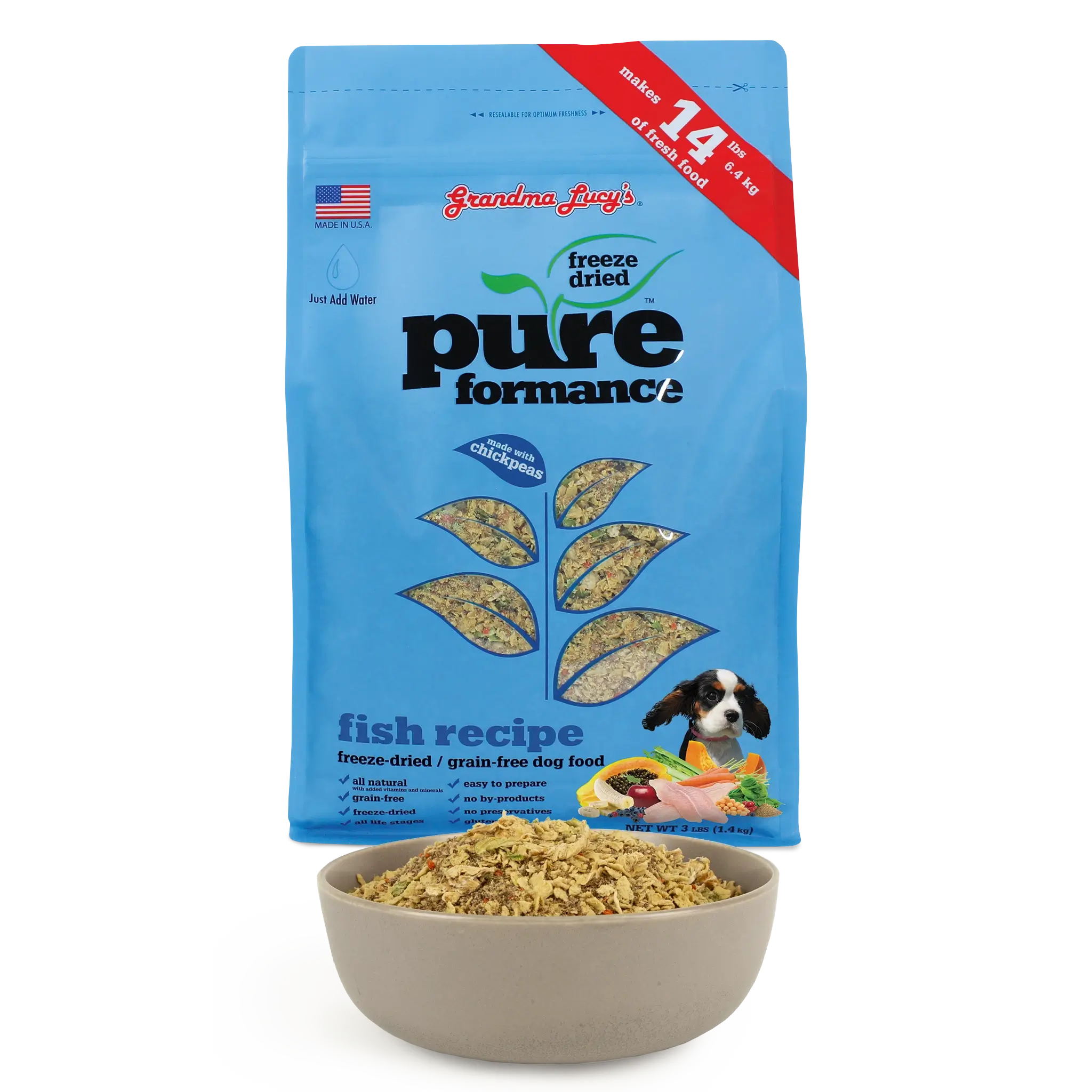
Credit: www.grandmalucys.com
Frequently Asked Questions
What Is Freeze-dried Fish Food?
Freeze-dried fish food is natural fish food preserved by freezing and drying. It retains nutrients and flavor without additives. It offers a long shelf life and is easy to store. This food type is ideal for feeding aquarium and pond fish.
How Does Freeze-dried Fish Food Benefit Fish?
Freeze-dried fish food maintains high nutritional value, preserving essential vitamins and proteins. It promotes healthy growth, vibrant colors, and strong immune systems. Its low moisture content prevents spoilage, reducing the risk of contamination. Fish easily digest it, improving overall health and vitality.
Can Freeze-dried Fish Food Replace Live Food?
Freeze-dried fish food is a great alternative to live food. It is safer, easier to store, and less messy. However, it may lack some enzymes found in live food. Combining both types ensures a balanced diet and better nutrition for your fish.
How To Properly Store Freeze-dried Fish Food?
Store freeze-dried fish food in a cool, dry place, away from sunlight. Keep it in an airtight container to prevent moisture absorption. Proper storage maintains freshness, flavor, and nutritional quality. Always check the expiration date before use to ensure safety.
Conclusion
Freeze-dried fish food offers many benefits for your aquarium fish. It keeps nutrients fresh and lasts a long time. Fish enjoy the natural taste and texture. Feeding this food supports healthy growth and bright colors. It is easy to store and use daily.
Choose freeze-dried options to give your fish a balanced diet. Small efforts bring happy, healthy fish. Try it and see the difference in your tank’s life. Simple care leads to a thriving underwater world.