
Is your aquarium showing signs of trouble? Cloudy water, sick fish, or unexplained deaths might mean protozoa are invading your tank.
These tiny organisms can cause big problems if left untreated. But don’t worry—understanding how to treat your aquarium water for protozoa can protect your fish and keep your tank healthy. You’ll discover simple, effective steps to identify and eliminate protozoan threats.
Keep reading to learn how to safeguard your underwater world before it’s too late.
Common Protozoa In Aquariums
Aquarium fish can get sick from tiny organisms called protozoa. These parasites live in water and can harm fish health. Knowing common protozoa helps you keep your aquarium safe.
Protozoan infections often spread quickly in closed aquarium systems. Early detection and treatment are important to protect your fish.
Types Of Protozoan Parasites
- Ichthyophthirius multifiliis (Ich):Causes white spots on fish skin and fins.
- Cryptocaryon irritans:A marine parasite similar to Ich, creates white cysts.
- Trichodina:Attaches to fish skin and gills, causing irritation.
- Costia (Ichthyobodo):Causes slime coating and respiratory issues.
- Hexamita:Affects the digestive system, leading to weight loss.
Symptoms In Fish
| Symptom | Possible Cause |
|---|---|
| White spots on skin | Ichthyophthirius multifiliis |
| Rapid gill movement | Costia or Trichodina |
| Excess mucus or slime | Costia |
| Weight loss and poor appetite | Hexamita |
| Scratching against objects | Various protozoa causing irritation |
Impact On Aquarium Ecosystem
Protozoan parasites can harm fish and upset the balance of the aquarium. Infected fish may lose appetite and become weak. This can lead to death if untreated.
Protozoan outbreaks may also:
- Increase stress in fish populations
- Spread quickly through water systems
- Require quarantine of new fish
- Cause damage to beneficial bacteria in filters
- Lead to costly treatments and fish loss
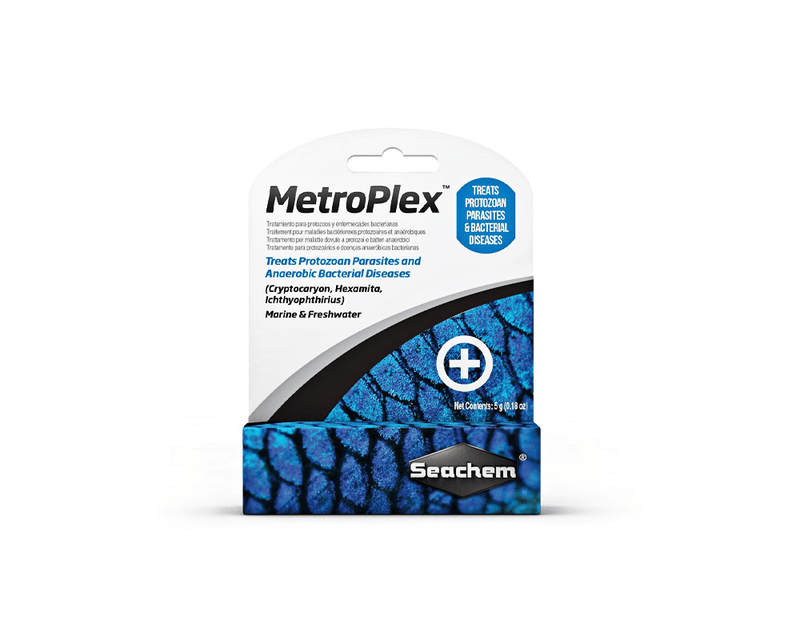
Credit: petstore.ae
Water Quality And Protozoa Growth
Protozoa are tiny organisms that live in aquarium water. They can affect fish health if they grow too much.
Keeping water clean helps control protozoa growth. Good water quality is key for a healthy tank.
Role Of Water Parameters
Water parameters like temperature, pH, and ammonia affect protozoa growth. Some protozoa thrive in warm water.
High ammonia and nitrite levels make it easier for harmful protozoa to multiply. Stable pH keeps fish healthy and reduces stress.
- Keep temperature within recommended range for your fish
- Maintain pH around neutral or as required by species
- Control ammonia and nitrite to near zero
- Ensure good oxygen levels in water
Effects Of Poor Filtration
Poor filtration lets waste build up in the tank. This creates food for protozoa and helps them grow fast.
Clogged or weak filters fail to remove debris and toxins. This can cause fish illness and increase protozoa problems.
- Waste buildup raises ammonia and nitrite
- Dirty water reduces oxygen for fish and good bacteria
- Protozoa multiply quickly in dirty water
- Strong filtration removes waste and controls protozoa
Importance Of Regular Testing
Testing water regularly helps find problems early. It shows if parameters are safe for fish and protozoa control.
Tests for ammonia, nitrite, nitrate, and pH help keep water balanced. Early action stops protozoa outbreaks before they start.
- Test water at least once a week
- Use test kits for ammonia, nitrite, nitrate, and pH
- Adjust water changes and filtration based on results
- Keep a log to track water quality over time
Chemical Treatments For Protozoa
Aquarium protozoa can harm fish and plants. Chemical treatments help control these tiny parasites. They are easy to use and work fast.
Using the right chemicals keeps your aquarium clean and your fish healthy. It is important to understand how to use these treatments safely.
Medications And Their Usage
Several medications treat protozoa in aquariums. Common ones include formalin, malachite green, and copper sulfate. Each targets different protozoa types.
Formalin helps remove external protozoa on fish. Malachite green is strong against fungal and protozoan infections. Copper sulfate works well for gill and skin parasites.
- Formalin:Use for external parasites and fungus
- Malachite Green:Treats protozoa and fungal infections
- Copper Sulfate:Effective against gill and skin protozoa
Dosage And Safety Guidelines
Follow dosage instructions carefully to avoid harming fish. Overdosing can cause stress or death. Use a test kit to check water quality during treatment.
Always remove activated carbon from filters before treatment. Keep fish in treated water only for the recommended time. After treatment, do a partial water change.
- Read medication label for exact dosage
- Do not mix chemicals without advice
- Monitor fish behavior during treatment
- Use protective gloves when handling chemicals
Pros And Cons Of Chemical Options
Chemical treatments act fast and kill many types of protozoa. They are easy to buy and apply. Some medications are safe for most fish species.
Some chemicals can harm sensitive fish or plants. They may also affect beneficial bacteria. Overuse can lead to resistance in protozoa.
- Pros:Fast action, widely available, effective
- Cons:Can harm fish/plants, may affect tank balance, risk of resistance

Credit: www.amazon.com
Natural And Biological Controls
Protozoa can harm fish and plants in aquariums. Natural and biological controls help keep these parasites under control. They work without harsh chemicals.
Using natural ways protects your aquarium’s balance. These methods support healthy water and strong fish.
Beneficial Bacteria And Microbes
Good bacteria break down waste in aquarium water. They reduce harmful substances that protozoa need to survive. These microbes compete with protozoa for food.
Adding live bacteria cultures helps keep water clean. They improve water quality and lower parasite risks.
- Convert fish waste into less harmful compounds
- Compete with protozoa for nutrients
- Boost the aquarium’s natural defense system
Plant-based Remedies
Certain plants release natural chemicals that can control protozoa. These plants create a safer environment for fish. They also help improve water quality.
Using plants in your aquarium can lower protozoa growth. They work gently without harming fish or beneficial microbes.
- Water sprite releases natural anti-parasite compounds
- Java moss provides hiding spots and improves water
- Aloe vera extract can reduce protozoa numbers
Predatory Organisms
Some small animals eat protozoa in the aquarium. These predators help keep parasite levels low. They are a natural way to control protozoan pests.
Adding these predators supports a balanced ecosystem. They do not harm fish or plants but reduce harmful protozoa.
- Freshwater shrimps feed on protozoa and debris
- Snails consume protozoa and keep surfaces clean
- Certain small fish eat protozoan parasites
Filtration And Uv Sterilization
Keeping aquarium water clean is key to fish health. Protozoa can cause diseases and must be controlled.
Filtration and UV sterilization are two effective ways to remove protozoa from water. They work together to keep water safe.
Types Of Filters Effective Against Protozoa
Some filters trap protozoa better than others. Mechanical and biological filters are common choices.
- Mechanical Filters:Remove particles by trapping them in filter media.
- Biological Filters:Use beneficial bacteria to break down waste that feeds protozoa.
- Fine Mesh Filters:Capture tiny protozoan cysts and eggs.
- Canister Filters:Combine mechanical and biological filtration for better results.
Using Uv Sterilizers
UV sterilizers use light to kill protozoa and other pathogens. Water passes through a UV chamber where harmful organisms die.
| Feature | Benefit |
| UV Light Wavelength | Destroys DNA of protozoa to stop reproduction |
| Flow Rate | Controls exposure time for better sterilization |
| Easy Installation | Fits most aquarium systems |
| Low Maintenance | Requires periodic bulb replacement |
Maintenance Tips For Equipment
Regular care keeps filters and UV sterilizers working well. Clean and inspect equipment often.
- Rinse mechanical filters weekly to remove trapped debris.
- Check biological filters to ensure bacteria remain healthy.
- Replace UV bulbs every 6 to 12 months for full effectiveness.
- Clean the UV chamber to prevent buildup that blocks light.
- Monitor water flow to avoid damage to equipment.
Preventive Measures
Keeping your aquarium healthy requires smart strategies. Preventive measures help stop protozoa from causing harm. These steps ensure a clean and safe environment for your fish.
Understanding the right practices can make a big difference. Let’s explore ways to maintain a healthy aquarium.
Quarantine Procedures
Quarantine procedures are vital for new fish. They prevent the spread of diseases in the main tank. Always separate new arrivals for observation.
- Set up a separate quarantine tank.
- Monitor new fish for at least two weeks.
- Check for signs of illness daily.
Regular Cleaning Practices
Regular cleaning keeps the aquarium environment stable. It minimizes the risk of protozoa outbreaks. Cleaning should be consistent and thorough.
| Task | Frequency |
| Water Change | Weekly |
| Filter Cleaning | Bi-weekly |
| Gravel Vacuuming | Monthly |
Feeding And Stocking Strategies
Proper feeding and stocking are key to a balanced aquarium. Overfeeding can lead to waste buildup and protozoa growth. Stocking levels should match tank capacity.
Maintain a balanced diet for your fish. Use this simple strategy:
- Feed small amounts twice a day.
- Avoid leftover food in the tank.
- Research fish compatibility before adding new species.
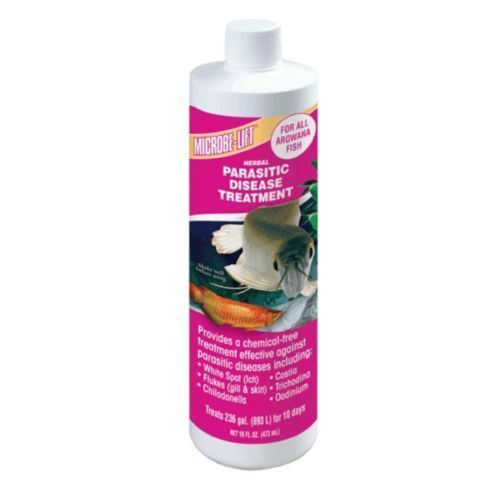
Credit: www.ebay.com
Frequently Asked Questions
What Are Common Protozoa In Aquarium Water?
Common protozoa include Ichthyophthirius, Trichodina, and Chilodonella. These microscopic parasites infect fish, causing health issues and stress.
How To Identify Protozoa Infections In Aquariums?
Look for white spots, erratic swimming, and lethargy. Protozoa infections often cause visible symptoms on fish skin and gills.
Which Treatments Effectively Remove Protozoa In Aquariums?
Medications like formalin, malachite green, and copper sulfate are effective. Proper dosing and quarantine are crucial to avoid harming fish.
Can Aquarium Water Treatments Harm Beneficial Bacteria?
Some treatments can disrupt beneficial bacteria. Use treatments designed to minimize impact or treat in a quarantine tank for safety.
Conclusion
Treating aquarium water for protozoa keeps fish healthy and safe. Regular water checks help spot problems early. Use proper filters and clean tanks often. Balanced water conditions stop protozoa from growing. Simple steps protect your aquatic pets from diseases. Healthy water means happy fish and a beautiful tank.
Stay consistent with care routines for best results. Your fish will thrive in a clean, safe home. Small efforts make a big difference in aquarium health.