
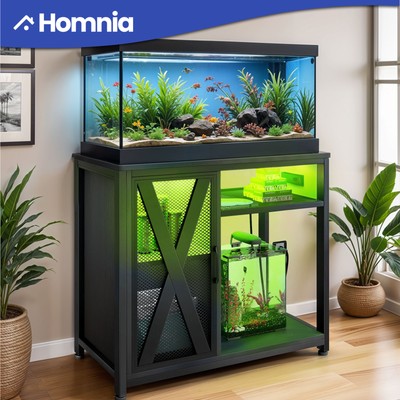
Are you tired of worrying whether your aquarium stand can safely hold your beautiful fish tank? An aquarium cabinet with a reinforced structure is exactly what you need to protect your investment and keep your underwater world secure.
Imagine having a sturdy, reliable base that not only supports your aquarium’s weight but also adds style to your space. You’ll discover why choosing a cabinet with extra strength matters and how it can make your aquarium experience stress-free and enjoyable.
Keep reading to find out how to pick the perfect reinforced aquarium cabinet for your home.
Credit: www.ebay.com
Choosing Strong Materials
Building an aquarium cabinet requires careful choice of strong materials. The cabinet must hold heavy tanks safely. Choosing the right materials ensures durability and stability.
Materials should resist water damage and support weight without bending. This guide covers wood types, metal frames, and composite materials for strong cabinets.
Wood Types For Cabinets
Wood is a popular choice for aquarium cabinets. Solid hardwoods like oak and maple offer great strength. Plywood is also common because it resists warping better than solid wood.
- Oak:Very strong and durable, good for heavy tanks.
- Maple:Hard and smooth, provides a clean look.
- Plywood:Made of layers, resists moisture well.
- Birch:Strong with a fine grain, easy to finish.
Metal Frame Options
Metal frames add extra strength to aquarium cabinets. Steel and aluminum are popular metals used. Steel is heavier and very strong. Aluminum is lighter and resists rust better.
| Metal Type | Weight | Rust Resistance | Strength |
| Steel | Heavy | Low (needs coating) | Very High |
| Aluminum | Light | High | High |
Composite Materials Benefits
Composite materials combine wood fibers and plastics. These materials are strong and resist water damage. They do not warp or crack easily.
Benefits of composite materials include:
- Water resistance
- Durability under weight
- Low maintenance
- Easy to clean surface

Credit: www.reddit.com
Designing For Stability
A sturdy aquarium cabinet keeps your tank safe and supported. It must hold heavy weight without bending or breaking.
Designing with strong materials and smart ideas helps keep the cabinet stable for years.
Reinforcement Techniques
Reinforcement adds strength to the cabinet. It stops the wood from warping or cracking under pressure.
Common ways include adding extra wooden beams or metal supports inside the frame.
- Use plywood or hardwood for strong panels
- Install horizontal braces under the top surface
- Add metal brackets at joints for extra support
Load Distribution Methods
Load distribution spreads the tank’s weight evenly across the cabinet. It stops any one part from taking too much stress.
Placing supports in the right spots helps balance the heavy water and decorations inside the aquarium.
- Use a solid bottom panel to carry the tank weight
- Place vertical supports under heavy load areas
- Spread weight evenly by using wide base designs
Corner Bracing Importance
Corner braces keep the cabinet square and stop it from leaning. They add strong support at key connection points.
Without corner bracing, cabinets can wobble or collapse under pressure.
- Use metal or wooden braces at each corner
- Attach braces tightly to both vertical and horizontal parts
- Check braces regularly for tightness and damage
Construction Methods
Building a strong aquarium cabinet needs careful planning. The methods used affect the cabinet’s durability and safety.
This guide covers key construction methods. It explains joinery, fasteners, adhesives, and waterproofing ways for a reinforced cabinet.
Joinery Techniques
Joinery connects parts of the cabinet. Good joints make the structure solid and long-lasting. Common types include butt joints, dowel joints, and mortise and tenon.
- Butt joints:Simple end-to-end connection. Often used with screws or nails.
- Dowel joints:Wooden pins add strength inside the joint.
- Mortise and tenon:A strong, interlocking method for heavy loads.
Fasteners And Adhesives
Fasteners and adhesives hold the cabinet parts tightly. Choosing the right type helps prevent loosening or damage from water weight.
| Type | Purpose | Common Use |
| Screws | Strong mechanical hold | Frame and panel assembly |
| Nails | Quick fastening | Temporary supports |
| Wood glue | Bond wood surfaces | Sealing joints |
| Epoxy resin | Water-resistant bonding | Areas exposed to moisture |
Waterproofing Approaches
Waterproofing stops water from damaging the cabinet. It extends the cabinet’s life and keeps the aquarium safe.
Common waterproofing ways include:
- Applying waterproof paint or sealant on all wooden surfaces
- Using marine-grade plywood resistant to moisture
- Installing rubber gaskets or silicone seals at joints
- Covering the interior with plastic or laminate sheets
Weight Capacity Considerations
Choosing the right aquarium cabinet is key for a safe setup. The cabinet must hold the tank’s full weight. This includes water, decorations, and the tank itself.
Understanding weight limits helps avoid damage and accidents. It also protects your investment and keeps your aquarium stable.
Calculating Load Limits
Calculate the total weight before selecting a cabinet. Add the tank’s weight, water weight, and items inside. Water weighs about 8.34 pounds per gallon.
- Find the tank volume in gallons.
- Multiply gallons by 8.34 to get water weight.
- Add the tank’s empty weight.
- Include decorations and substrate weight.
Impact Of Tank Size
Larger tanks hold more water and weigh more. Cabinets must have stronger frames to support heavy tanks. Small tanks need less support but should still be stable.
| Tank Size (Gallons) | Approximate Total Weight (Pounds) |
|---|---|
| 10 | 100 |
| 30 | 300 |
| 55 | 600 |
| 75 | 900 |
| 100 | 1,200 |
Support Leg Design
Strong support legs spread the weight evenly. They stop the cabinet from bending or breaking. Legs made of metal or thick wood work best.
Key features of good support legs:
- Wide base for stability
- Reinforced joints to prevent wobbling
- Even spacing to balance the load
- Durable materials that resist moisture
Maintenance Tips For Longevity
An aquarium cabinet with a reinforced structure needs care to last long. Proper maintenance keeps it strong and safe for your tank.
Follow simple tips to protect your cabinet from damage and wear. This helps keep your aquarium setup stable and attractive.
Regular Inspections
Check your cabinet often for signs of wear or damage. Look for loose joints, cracks, or any wobbling parts.
Early detection of problems helps you fix them before they get worse. Inspect every few weeks to keep the cabinet safe.
Handling Moisture
Moisture can weaken the cabinet’s structure over time. Avoid placing it in damp areas or where water can splash easily.
Use waterproof covers or sealants on wooden parts. Wipe off any water spills quickly to prevent damage.
- Keep the cabinet away from humid rooms
- Dry wet surfaces immediately
- Apply water-resistant coatings if needed
Repairing Damage
Fix small cracks or scratches right away. Use wood filler or glue for minor repairs on the cabinet’s frame.
Replace broken parts if needed to keep the cabinet stable. Regular repairs help avoid bigger problems later.
- Fill cracks with wood filler
- Re-glue any loose joints
- Replace damaged panels if necessary
Customizing For Aesthetics And Function
An aquarium cabinet is more than just a storage unit. It’s a statement piece that showcases your unique style and complements your aquarium equipment.
When choosing an aquarium cabinet, consider the balance between aesthetics and functionality. You want a cabinet that not only looks great but also provides ample storage and easy access to your aquarium equipment.
Finishes And Coatings
A variety of finishes and coatings are available to suit your style and preferences. From sleek and modern to rustic and vintage, you can choose a finish that complements your aquarium and home decor.
- Matte finishes reduce glare and fingerprints
- Satin finishes provide a soft, warm glow
- High-gloss finishes showcase the beauty of the wood
Storage Solutions
A well-designed storage system is essential for keeping your aquarium equipment organized and within reach. Look for cabinets with adjustable shelves, drawers, and compartments to maximize storage capacity.
Consider a cabinet with a built-in filtration system or a separate storage compartment for chemicals and equipment. This will help keep your aquarium equipment separate from your storage items and prevent contamination.
Integration With Aquarium Features
Modern aquarium cabinets often come with integrated features that enhance the aquarium experience. Look for cabinets with built-in LED lighting, thermometers, or hydrometers to create a seamless and immersive environment.
Some cabinets may also feature advanced water management systems, such as automatic water top-off or advanced filtration systems. These features can help maintain a healthy aquarium environment and reduce maintenance tasks.

Credit: www.reddit.com
Frequently Asked Questions
What Is An Aquarium Cabinet With Reinforced Structure?
An aquarium cabinet with reinforced structure is designed to support heavy tanks securely. It uses strong materials and extra bracing to prevent bending or collapsing. This ensures stability and safety for your aquarium setup, protecting both the tank and your investment over time.
Why Choose A Reinforced Structure For Aquarium Cabinets?
Reinforced structures provide enhanced durability and weight support. They reduce the risk of damage from water weight and equipment. This choice increases the cabinet’s lifespan and maintains the aquarium’s integrity, giving you peace of mind for long-term use.
How Does Reinforcement Improve Aquarium Cabinet Safety?
Reinforcement improves safety by preventing structural failures under heavy load. It stabilizes the cabinet, reducing wobbling or tipping risks. This keeps your aquarium secure, protecting your aquatic life and preventing costly accidents.
What Materials Are Used In Reinforced Aquarium Cabinets?
Common materials include solid wood, metal brackets, and plywood with metal reinforcements. These materials combine strength and resistance to moisture. They ensure the cabinet can support the tank’s weight without warping or weakening over time.
Conclusion
Choosing an aquarium cabinet with a strong frame keeps your tank safe. It holds heavy water and decorations without bending or breaking. A sturdy cabinet also keeps your aquarium steady and balanced. This helps protect your fish and plants from harm.
Simple design and tough materials make a good cabinet last longer. Invest in quality to enjoy a beautiful, stable aquarium for years. Your aquatic life deserves the best support you can give. Safe and solid—just what your aquarium needs.