
Are you tired of chasing your ornamental fish around the tank during feeding time? Feeding your fish can sometimes feel messy and stressful, but it doesn’t have to be that way.
Using feeding rings can change the game for you and your aquatic pets. Imagine a simple tool that keeps food in one spot, making feeding cleaner and easier, while helping your fish stay healthy and active. You’ll discover how feeding rings work, why they benefit your fish, and tips to get the best results.
Ready to make feeding time more enjoyable for both you and your fish? Keep reading!

Credit: www.amazon.ca
Benefits Of Feeding Rings
Feeding rings help keep food in one place when feeding ornamental fish. They create a controlled area for the fish to eat.
Using feeding rings offers many advantages that improve fish care and tank cleanliness.
Controlling Food Dispersion
Feeding rings keep fish food contained in a small area. This prevents food from scattering all over the tank. It makes feeding easier and reduces waste.
- Food stays visible and easy for fish to find.
- Less food floats to the tank bottom unnoticed.
- Fish can eat in a calm, focused space.
Reducing Water Pollution
Food that spreads around can cause water pollution. Feeding rings cut down leftover food. This helps keep the water clean and healthy for fish.
| Effect | With Feeding Ring | Without Feeding Ring |
| Food Leftover | Low | High |
| Water Clarity | Clear | Cloudy |
| Fish Health Risk | Reduced | Increased |
Easing Fish Training
Feeding rings create a specific spot for feeding. This helps train fish to come to one place for food. Training fish becomes easier and more consistent.
- Fish learn to recognize the feeding area quickly.
- Feeding time becomes a routine activity.
- Fish behavior improves with regular feeding spots.
Types Of Feeding Rings
Feeding rings help keep food in one place for ornamental fish. They prevent food from spreading across the water.
There are different types of feeding rings. Each type works well in certain situations.
Floating Rings
Floating rings stay on the water surface. They keep food from sinking too fast.
These rings are good for fish that eat at the top of the tank. They are easy to move and clean.
Weighted Rings
Weighted rings sink to the bottom of the tank. They hold food in one spot underwater.
These rings are best for bottom-feeding fish. They stop food from drifting away with water flow.
Magnetic Rings
Magnetic rings attach to the tank wall. They stay in place without floating or sinking.
These rings work well for tanks with strong water currents. They hold food in a fixed spot for easy feeding.
Choosing The Right Feeding Ring
Feeding rings help keep fish food in one place. They make feeding neat and easy.
Picking the right feeding ring is important for your fish and aquarium. Consider size, material, and fit.
Size And Material Considerations
Choose a feeding ring size that fits your aquarium and fish. Too big or small rings can cause problems.
Material matters for safety and use. Common materials include plastic, silicone, and foam.
- Plastic rings are sturdy and easy to clean.
- Silicone rings are soft and safe for delicate fish.
- Foam rings float well but may wear out faster.
Compatibility With Aquarium Setup
Make sure the feeding ring fits your tank shape and size. It should not block decorations or plants.
Check if the ring attaches well to your aquarium glass or surface. Some rings use magnets or suction cups.
- Magnetic rings work on glass tanks.
- Suction cups hold well on smooth surfaces.
- Floating rings suit open tanks without lids.
Durability And Maintenance
Pick a feeding ring that lasts long and is easy to clean. Regular cleaning prevents mold and algae.
Check if the ring resists water damage and stays strong over time. Some materials need gentle care.
- Plastic rings are durable and simple to wash.
- Silicone rings resist wear but may trap dirt.
- Foam rings need more frequent replacement.
Proper Placement Techniques
Feeding rings help keep fish food in one place. Proper placement is key to success. Learn how to position them well.
This guide covers techniques for placing feeding rings. It ensures your ornamental fish get the food they need.
Optimal Positioning In The Tank
Position the feeding ring where fish gather often. Avoid strong water currents that scatter food. This ensures that food stays in one spot.
| Tank Area | Current Strength |
| Near Filter | Strong |
| Center | Moderate |
| Corner | Weak |
Securing The Ring
Secure the feeding ring to prevent it from floating away. Use suction cups or weights. This keeps it stable during feeding.
- Attach suction cups to the ring
- Place weights around the base
- Check stability before adding food
Adjusting For Fish Behavior
Observe how your fish react to the feeding ring. Adjust its position based on their behavior. This helps all fish access the food easily.
Feeding Tips Using Rings
Feeding rings help keep fish food in one place. They stop food from spreading across the tank.
Using feeding rings can make feeding easier and cleaner. It also helps control how much your fish eat.
Portion Control
Feeding rings limit the space where food floats. This lets you give the right amount of food without waste.
- Place only a small amount of food inside the ring.
- Feed less than you think your fish need.
- Remove leftover food after 5 minutes to avoid water pollution.
Feeding Frequency
Use feeding rings to track how often you feed your fish. Regular feeding keeps fish healthy and happy.
| Fish Type | Feeding Times per Day |
|---|---|
| Small Tropical Fish | 2 to 3 |
| Goldfish | 2 |
| Large Cichlids | 1 to 2 |
Monitoring Fish Health
Feeding rings help you watch your fish eat. Changes in eating habits may show health issues early.
- Check if all fish eat well inside the ring.
- Note if some fish avoid food or eat too fast.
- Look for leftover food that fish ignore.
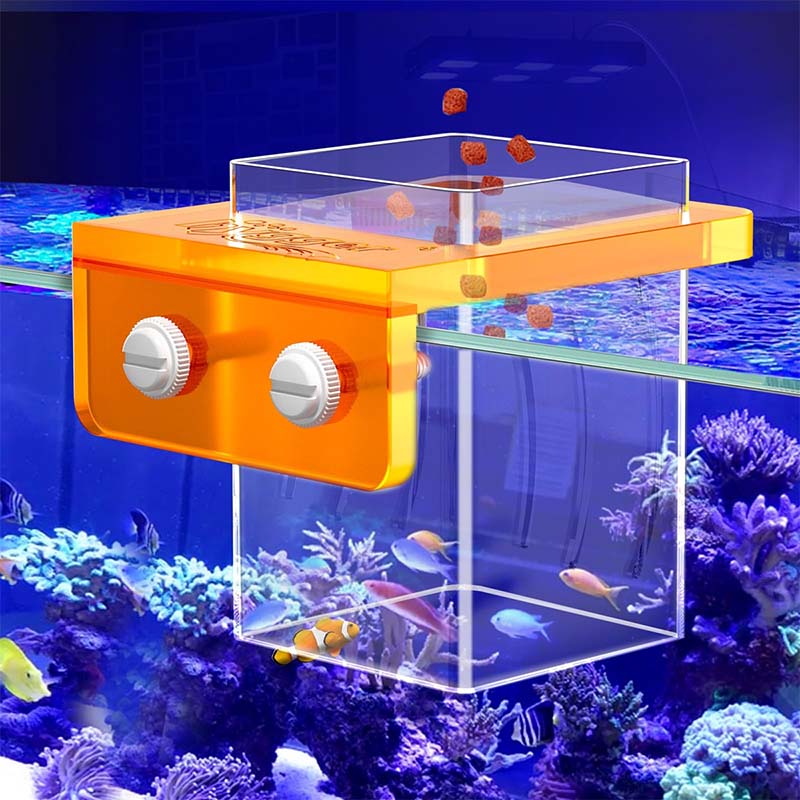
Credit: www.hygger-online.com
Common Mistakes To Avoid
Feeding rings are helpful tools for ornamental fish. They control feeding areas and reduce waste. However, mistakes can occur during their use.
Avoid these common mistakes to keep your fish healthy and happy. Here are some tips to help you use feeding rings correctly.
Overfeeding
Overfeeding is a common issue when using feeding rings. Too much food leads to poor water quality. Fish may also become overweight.
Feed your fish only what they can consume in a few minutes. Remove any uneaten food from the ring to prevent water pollution.
Ignoring Ring Maintenance
Feeding rings need regular cleaning. Ignoring maintenance can cause bacteria growth. This harms fish and affects water clarity.
Clean the feeding ring weekly with warm water. This keeps it free from algae and debris. A clean ring ensures a healthy environment for your fish.
Inadequate Ring Size
Using the wrong size ring can cause issues. A small ring may not hold enough food. A large ring may lead to overfeeding.
Choose a ring size suitable for your tank and fish number. This ensures all fish get enough food without waste.
Cleaning And Maintenance
Feeding rings help keep fish food in one place. They also make tank cleaning easier. Proper cleaning and maintenance keep the tank healthy.
Regular care prevents problems like algae and waste buildup. This guide covers key cleaning tips for feeding rings.
Regular Cleaning Schedule
Clean feeding rings often to avoid leftover food decay. Set a schedule to keep the tank clean and fish healthy.
- Remove feeding rings daily after feeding.
- Rinse rings in warm water to remove debris.
- Soak rings weekly in a mild cleaning solution.
- Inspect rings for damage or buildup.
- Replace rings if cleaning does not restore them.
Safe Cleaning Methods
Use gentle cleaning techniques to protect fish and tank surfaces. Avoid harsh chemicals that can harm aquatic life.
Follow these safe steps:
- Use warm water and a soft brush.
- Clean rings outside the tank.
- Use aquarium-safe cleaners only.
- Rinse thoroughly before placing rings back.
- Never use soap or bleach.
Preventing Algae Build-up
Algae can grow on feeding rings if not cleaned well. Prevent buildup to keep water clear and fish healthy.
| Tip | Reason |
|---|---|
| Clean rings regularly | Removes food that feeds algae |
| Reduce light exposure | Limits algae growth |
| Control tank nutrients | Prevents excess algae food |
| Use algae-eating fish | Natural algae control |
| Replace old feeding rings | Prevents tough algae stains |

Credit: www.etsy.com
Enhancing Fish Feeding Experience
Feeding ornamental fish can be a relaxing and enjoyable activity. Using feeding rings helps keep the food in one place, making feeding easier for both fish and owners.
Feeding rings float on the water surface, preventing food from spreading everywhere. This helps reduce waste and keeps the tank cleaner.
Introducing Feeding Rings Gradually
Start by placing the feeding ring in the tank for short times. Let your fish get used to its presence before adding food inside it.
- Place the ring near your fish but do not add food at first.
- Observe if the fish swim around it without stress.
- Add small amounts of food inside the ring after a day or two.
- Increase feeding time as your fish become comfortable.
Combining With Other Feeding Tools
Feeding rings work well with other tools like feeding tweezers or automatic feeders. Using a combination can improve feeding control.
| Tool | Purpose |
| Feeding Ring | Contains floating food in one spot |
| Feeding Tweezers | Place food precisely for shy or slow eaters |
| Automatic Feeder | Schedules feeding when you are not home |
Observing Fish Interaction
Watch how your fish behave around the feeding ring. This helps you learn their habits and improve feeding times.
Look for these signs during feeding:
- Fish eagerly swim into the ring area.
- All fish get a chance to eat without fighting.
- Food stays inside the ring until eaten.
- Fish appear calm and active after feeding.
Frequently Asked Questions
What Are Feeding Rings For Ornamental Fish?
Feeding rings keep fish food contained in one area. They prevent food from spreading and polluting the aquarium. This helps maintain clean water and reduces waste. Feeding rings improve feeding efficiency and make fish feeding more controlled and organized.
How Do Feeding Rings Benefit Ornamental Fish?
Feeding rings reduce food waste and keep water cleaner. They help fish find food easily and reduce stress. This controlled feeding encourages healthier fish and prevents overfeeding. Overall, feeding rings promote a better environment for ornamental fish.
Can Feeding Rings Prevent Water Pollution In Tanks?
Yes, feeding rings limit food scattering in the tank. They keep uneaten food contained, reducing water contamination. This helps maintain better water quality and reduces algae growth. Using feeding rings contributes to a cleaner, healthier aquarium environment.
Are Feeding Rings Easy To Use For Beginners?
Feeding rings are simple and user-friendly. They float on the water surface or attach to the tank. Beginners can easily control feeding areas and avoid mess. Feeding rings are an effective tool for all skill levels.
Conclusion
Feeding rings help keep your aquarium clean and neat. They make feeding easier and reduce food waste. Fish gather food in one spot, making feeding times less messy. You save time cleaning leftover food from the tank. Feeding rings also let you control how much your fish eat.
This keeps fish healthy and happy. Using feeding rings is a simple way to improve your fish care routine. Try them and see the difference in your tank’s cleanliness and your fish’s well-being. Small changes can bring big benefits.