
Are you ready to transform your aquarium into a stunning underwater garden? The way you arrange your aquarium plants can completely change the look and feel of your tank.
Whether you want a peaceful retreat or a vibrant display, the right plant arrangement makes all the difference. You’ll discover simple, effective tips that anyone can use to create a beautiful, balanced aquatic landscape. Keep reading to unlock the secrets that will make your aquarium the envy of every fish lover.
Credit: splashyfishstore.com
Choosing The Right Plants
Choosing the right plants is key to a healthy aquarium. Plants need the right light and care to grow well.
Understanding different plant types helps you create a balanced and beautiful tank.
Low-light Vs High-light Plants
Some plants grow well in low light. Others need bright light to thrive. Choose plants based on your aquarium’s lighting.
- Low-light plants: Anubias, Java Fern, Cryptocoryne
- High-light plants: Glossostigma, Dwarf Baby Tears, Ludwigia
Fast-growing Vs Slow-growing Varieties
Fast-growing plants need more care but help keep the water clean. Slow-growing plants need less trimming and last longer.
| Plant Type | Growth Speed | Care Needs |
| Hornwort | Fast | High light and nutrients |
| Java Moss | Slow | Low light, easy care |
| Amazon Sword | Moderate | Medium light and nutrients |
Foreground, Midground, And Background Plants
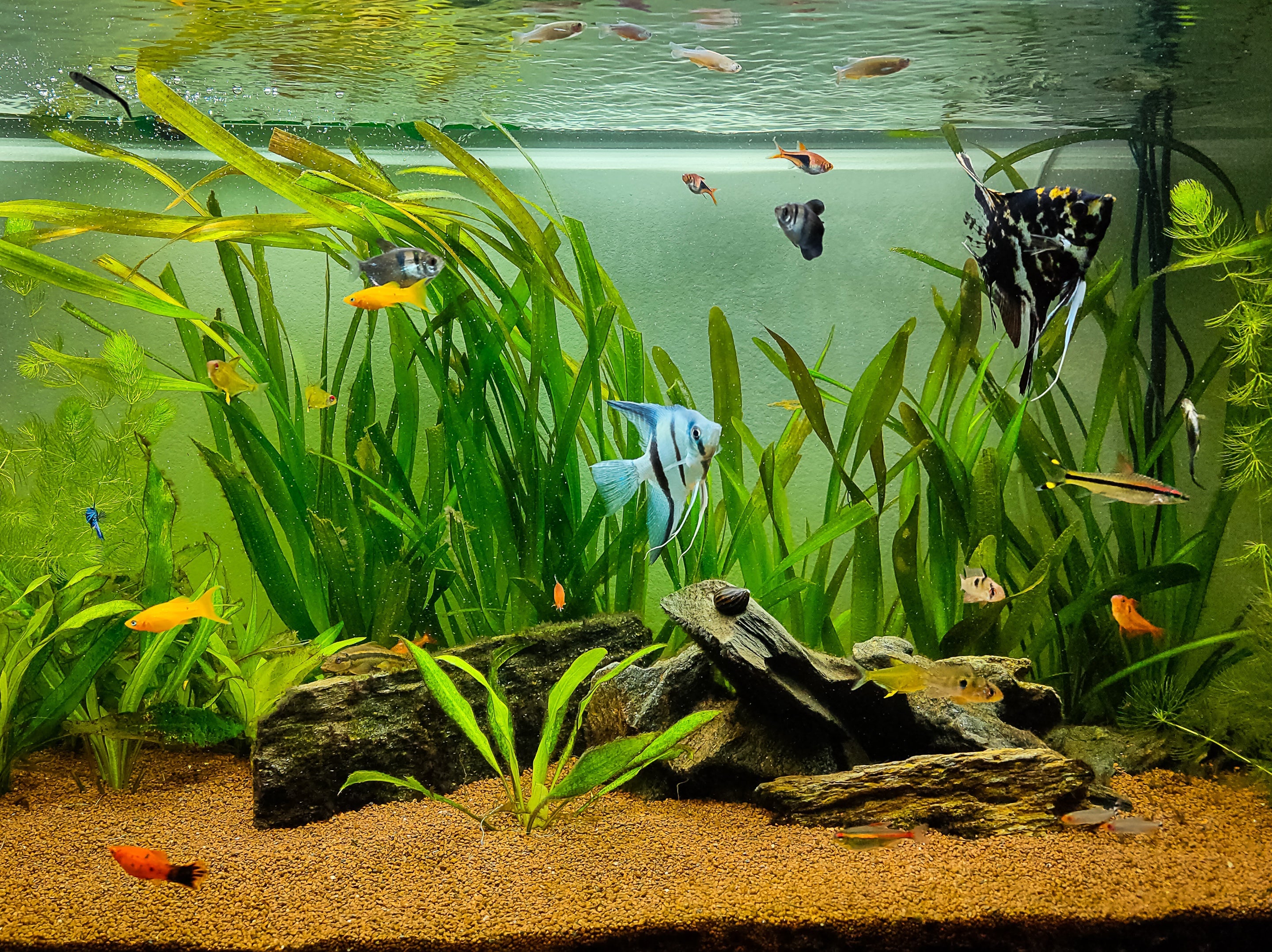
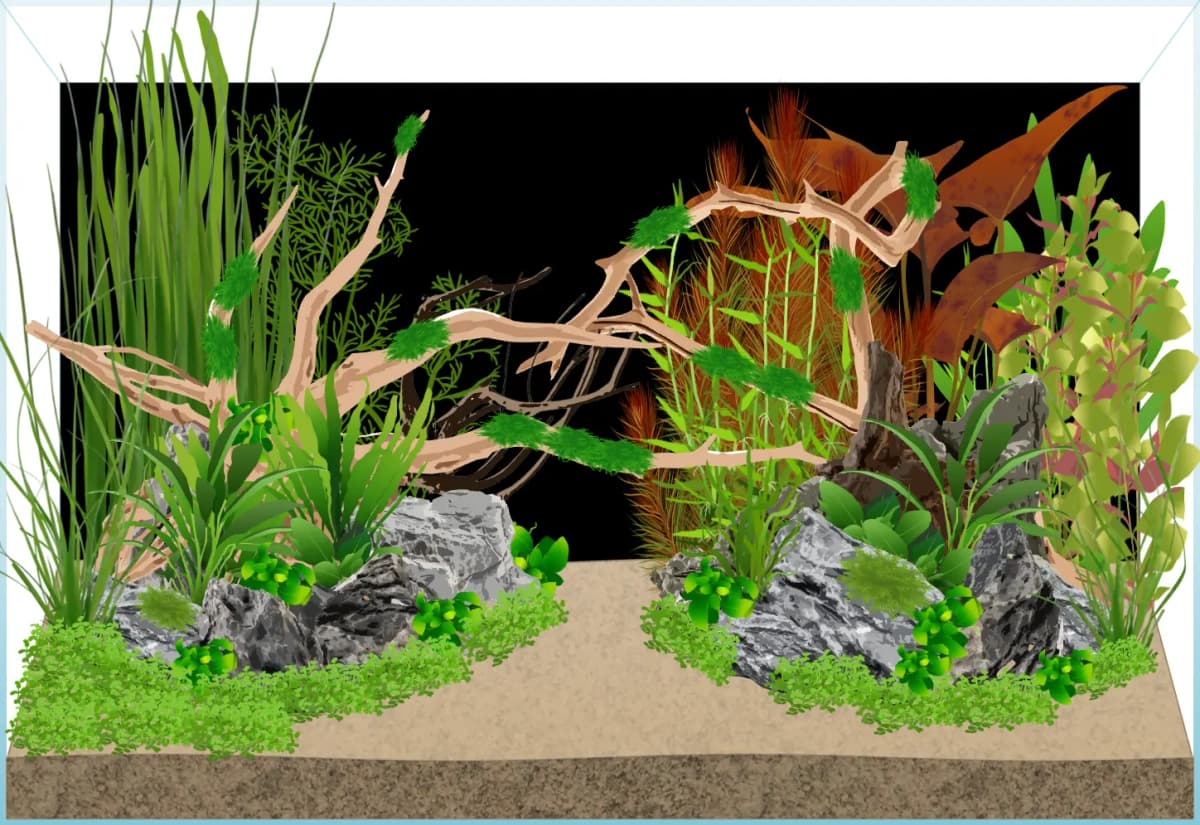
Place plants by height to create depth. Use short plants in front, medium in the middle, and tall in the back.
- Foreground: Dwarf Hairgrass, Baby Tears
- Midground: Cryptocoryne, Anubias
- Background: Vallisneria, Amazon Sword
Credit: myaquariumbuilder.com
Planning Your Layout
Planning your aquarium plant layout is important for a healthy, beautiful tank. A good design helps plants grow well and looks natural.
Think about the size and shape of your tank. This helps you decide where to place different plants and decorations.
Creating Depth And Perspective
Use tall plants at the back and short plants in front. This creates a sense of depth in your aquarium.
Place medium-sized plants in the middle to make the layout look balanced and natural.
- Back: tall plants like Vallisneria
- Middle: medium plants like Anubias
- Front: short plants like Java moss
Balancing Colors And Textures
Mix different colors to make your aquarium lively. Use green plants with red or purple ones for contrast.
Combine plants with different leaf shapes and sizes. This adds texture and makes the tank more interesting.
- Use bright colors sparingly for highlights
- Mix broad and narrow leaves for variety
- Balance smooth and rough textures for contrast
Using Hardscape Elements
Add rocks, driftwood, or stones to support your plant layout. Hardscape gives structure and a natural look.
Place hardscape pieces carefully to avoid crowding plants. Let plants grow around and between them.
- Use large stones as focal points
- Arrange driftwood to create hiding spots
- Keep open spaces for swimming fish
Planting Techniques
Arranging plants in an aquarium needs careful planning. Good planting techniques help plants grow well and look nice.
We will explore ways to prepare the substrate, group plants, and keep them trimmed and healthy.
Proper Substrate Preparation
The substrate is the soil or gravel at the bottom of the tank. It helps anchor plants and provides nutrients.
Start by cleaning the substrate to remove dust and debris. Then layer it with nutrient-rich soil if needed.
- Use fine gravel or sand for small plants
- Add root tabs for extra nutrients
- Keep the substrate layer at least 2 inches deep
- Avoid mixing large rocks that block roots
Planting Groups And Clusters
Planting in groups or clusters makes the aquarium look natural and full. It also helps plants grow better.
Place taller plants at the back and shorter ones in front. Cluster similar plants close together for better growth.
- Group plants with similar light needs
- Use clusters to create focal points
- Leave open spaces for fish to swim
- Mix different shapes and sizes for interest
Trimming And Maintenance Tips
Regular trimming keeps plants healthy and prevents overgrowth. It also improves water flow and light access.
Remove dead or yellow leaves. Cut back fast-growing plants to shape them and stop crowding.
- Trim plants every 2-3 weeks
- Use sharp scissors to avoid damage
- Clean tools after use to prevent disease
- Check plant health regularly for pests
Design Styles For Aquariums
Choosing the right design style can make your aquarium stand out. Plants play a big role in creating a beautiful underwater space.
This guide explores three popular styles to help you arrange your aquarium plants with ease and creativity.
Nature-inspired Layouts
Nature-inspired layouts mimic real landscapes like forests, rivers, or mountains. They often use many plant types and natural hardscape materials.
These layouts create a peaceful and natural look. You can use rocks, driftwood, and a mix of tall and short plants to build depth.
Minimalist Arrangements
Minimalist aquariums focus on simplicity and space. They use fewer plants and decorations to keep the tank clean and open.
- Choose one or two types of plants
- Use simple hardscape elements
- Keep open swimming areas
- Maintain balanced spacing
Themed Aquascapes
Themed aquascapes create a story or scene in the aquarium. Themes can be inspired by movies, seasons, or fantasy worlds.
| Theme | Common Plants | Decorations |
|---|---|---|
| Japanese Garden | Moss, Anubias, Cryptocoryne | Rocks, Bonsai wood |
| Amazon River | Amazon Sword, Vallisneria | Driftwood, Leaf litter |
| Fantasy World | Java Fern, Marimo Moss | Colored stones, Figurines |
Lighting And Nutrient Management
Proper lighting and nutrients are key for healthy aquarium plants. They help plants grow and stay green.
Good care reduces algae and keeps your tank looking nice. Learn how to set up light and nutrients well.
Choosing The Best Lighting Setup
Aquarium plants need light to make food. Use lights that match your plants’ needs.
Most plants grow well with full-spectrum LED lights. These lights mimic natural sunlight.
- Use 8 to 10 hours of light daily
- Place light close but not too hot
- Choose light color around 6500K for best growth
- Adjust light time to avoid algae
Fertilizers And Co2 Injection
Plants need nutrients like nitrogen, potassium, and iron. Fertilizers add these to the water.
CO2 helps plants make food faster. Adding CO2 can improve growth and color.
- Use liquid fertilizers weekly
- Add root tabs for plants that grow in soil
- Inject CO2 carefully and monitor levels
- Test water to keep nutrients balanced
Preventing Algae Growth
Too much light or nutrients cause algae. Keep balance to stop algae taking over.
Regular water changes and cleaning help control algae. Avoid overfeeding fish.
- Limit light to 8-10 hours daily
- Do weekly water changes of 20-30%
- Remove visible algae by hand
- Keep fish and plants healthy
Common Mistakes To Avoid
Arranging aquarium plants can be tricky. Mistakes can harm your plants and fish. Learning common errors helps in creating a healthy environment.
Here are tips to avoid common mistakes in aquarium plant arrangements. Follow these guidelines to keep your aquarium thriving.
Overcrowding Plants
Too many plants block light and reduce space for fish. Overcrowding leads to poor growth and can cause algae problems.
Space plants properly for better light and nutrient access. It also helps fish swim freely and reduces stress.
- Leave gaps between plants
- Choose plants that grow vertically
- Trim plants regularly
Ignoring Plant Compatibility
Some plants do not grow well together. They compete for resources and may not survive. Understanding plant compatibility is crucial.
Research which plants can live together. This prevents competition and creates a balanced ecosystem.
- Pair plants with similar light needs
- Mix slow and fast-growing plants
- Avoid planting invasive species together
Neglecting Regular Care
Plants need regular care to thrive. Neglecting them leads to poor health and algae growth. Regular maintenance is essential for a healthy aquarium.
Check water quality and trim plants often. Remove dead leaves to keep plants healthy and vibrant.
- Test water weekly
- Remove decaying plant matter
- Prune plants monthly

Credit: www.pond-planet.co.uk
Frequently Asked Questions
What Are The Best Plants For Aquarium Arrangement?
Choose hardy, low-maintenance plants like Java fern, Anubias, and Amazon sword. These plants adapt well to various tank conditions and enhance aesthetics.
How To Create Depth With Aquarium Plants?
Place taller plants at the back and shorter ones in front. Layering plants by height creates visual depth and a natural look.
How Often Should Aquarium Plants Be Trimmed?
Trim plants every 2-4 weeks to prevent overgrowth. Regular trimming promotes healthy growth and maintains a neat tank appearance.
Can Aquarium Plant Arrangement Affect Fish Behavior?
Yes, well-arranged plants provide hiding spots and reduce stress. Plants create a natural habitat, encouraging healthy fish activity and interaction.
Conclusion
Arranging plants in your aquarium brings life and beauty. Choose a mix of tall and short plants for balance. Place taller plants at the back to create depth. Use colorful plants to add interest and contrast. Keep space for fish to swim freely.
Regular care keeps plants healthy and vibrant. Enjoy watching your aquarium grow and change daily. Simple steps make your tank a peaceful, natural space. Try different layouts to find what works best for you.