
Setting up the right aquarium filter for your community tank can make all the difference between a thriving underwater world and a stressful environment for your fish. You want clear water, healthy fish, and a system that works quietly and efficiently.
But with so many filter options out there, how do you choose the best one for your unique tank? You’ll discover simple, effective steps to set up an aquarium filter that keeps your community tank clean and your fish happy.
Keep reading—your aquatic friends will thank you!
Credit: www.vevor.com
Choosing The Right Filter
Keeping a community aquarium clean and healthy depends on the right filter. Filters help remove waste and toxins from the water. This keeps fish safe and water clear.
Choosing the right filter can be tricky. You need to think about the filter type, size, and if it suits your fish community.
Types Of Filters
There are many filter types for aquariums. Each has its own way to clean water and fits different tank needs.
- Hang-On-Back (HOB) Filters:Easy to install and maintain. They hang on the tank’s back and provide mechanical, chemical, and biological filtration.
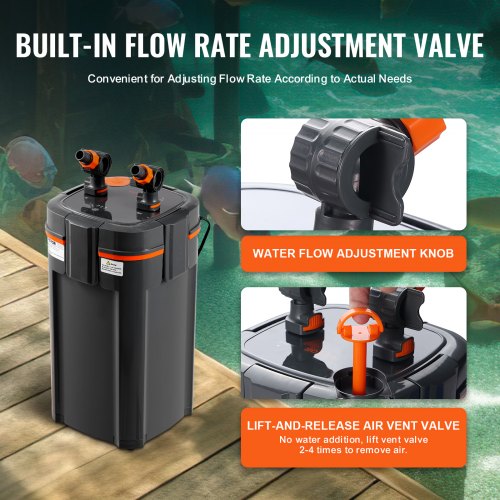
- Canister Filters:Powerful and quiet. These sit outside the tank and push water through multiple filter media.
- Sponge Filters:Great for gentle filtration and small tanks. They use air to pull water through a sponge that traps debris.
- Internal Filters:Placed inside the tank. Good for small to medium tanks and provide mechanical and biological filtration.
Filter Size And Capacity
Choosing the right filter size is important. The filter must handle your tank’s water volume and fish load.
| Tank Size (Gallons) | Recommended Flow Rate (GPH) | Filter Types Suitable |
|---|---|---|
| 10 – 20 | 100 – 200 | HOB, Sponge, Internal |
| 21 – 50 | 200 – 500 | HOB, Canister, Internal |
| 51 – 100 | 500 – 1000 | Canister, Large HOB |
| 100+ | 1000+ | Canister |
Suitability For Community Tanks
Community tanks have many types of fish. Filters must keep water clean without stressing fish.
Filters for community tanks should have these features:
- Strong biological filtration to handle fish waste
- Good water flow without strong currents
- Easy to clean and maintain
- Quiet operation to avoid disturbing fish
Essential Filtration Components
Setting up a good filter is key for a healthy community tank. Filters keep the water clean and safe for fish.
There are three main types of filtration. Each type plays a different role in water quality.
Mechanical Filtration
Mechanical filtration removes solid particles from the water. It traps leftover food, fish waste, and debris. This keeps the water clear and prevents clogging.
- Foam pads catch large particles
- Filter floss traps fine debris
- Sponge filters provide gentle filtration
- Regular cleaning is needed to keep filters effective
Biological Filtration
Biological filtration uses good bacteria to break down harmful waste. These bacteria convert ammonia to less harmful substances. This process is called the nitrogen cycle.
| Waste Type | Bacteria Action |
| Ammonia (toxic) | Converted to nitrite |
| Nitrite (toxic) | Converted to nitrate |
| Nitrate (less toxic) | Removed by water changes |
Chemical Filtration
Chemical filtration removes dissolved chemicals and odors. It helps keep the water clear and healthy. Activated carbon is the most common media used.
Common chemical filter media include:
- Activated carbon – removes toxins and discoloration
- Zeolite – absorbs ammonia in new tanks
- Phosphate remover – controls algae growth
Step-by-step Filter Installation
Setting up an aquarium filter is essential for clean water and healthy fish. Proper installation keeps your community tank balanced.
This guide helps you install your filter in simple steps. Follow each part carefully for the best results.
Preparing The Filter
Start by unpacking your filter and checking all parts. Clean the filter media with tank water to avoid killing beneficial bacteria.
Read the manual to understand the filter’s features. Make sure you have all necessary tools and accessories ready.
Positioning In The Tank
Place the filter where water flows well but fish won’t be disturbed. Usually, a corner or back wall works best.
Ensure the filter intake is fully submerged to work properly. Avoid blocking the flow with decorations or plants.
- Place filter close to power source
- Keep intake away from small fish
- Check for stable mounting or suction cups
Connecting Power And Tubing
Attach tubing securely to the filter’s inlet and outlet. Use clamps if provided to prevent leaks.
Plug the filter into a safe power source. Avoid using extension cords near water to reduce electrical risks.
- Use correct tubing size for your filter
- Check all connections for tightness
- Turn on filter and watch water flow
- Adjust tubing if water does not circulate well

Credit: www.reddit.com
Maintaining Filter Efficiency
A clean and well-maintained filter helps keep your community tank healthy. It removes waste and toxins from the water.
Regular care improves the filter’s performance and extends its life. This guide explains how to keep your filter working well.
Cleaning Schedule
Set a regular cleaning schedule to avoid clogs and poor water flow. Clean the filter parts every two to four weeks.
Rinse filter sponges and media in tank water to keep beneficial bacteria alive. Avoid using tap water for cleaning.
- Check the filter weekly for debris
- Rinse mechanical parts every 2-4 weeks
- Clean intake tubes and impellers monthly
Replacing Media
Filter media wears out over time and loses efficiency. Replace media according to the manufacturer’s advice or every few months.
Replace only some media at a time to keep helpful bacteria. For example, change one-third of the media every month.
- Replace chemical media like carbon monthly
- Change mechanical media when torn or clogged
- Keep biological media longer, but replace if damaged
Troubleshooting Common Issues
If your filter stops working well, check for blockages or power problems. A slow flow may mean the filter is dirty.
Listen for unusual sounds from the motor or impeller. These can show mechanical issues that need fixing or cleaning.
- Check and clean clogged tubes or sponges
- Ensure the filter is plugged in and running
- Replace worn impellers or parts as needed
Optimizing Water Flow
Proper water flow is key to a healthy community tank. It helps keep water clean and oxygen-rich. Good flow also supports fish and plant health.
Setting up your aquarium filter to optimize water flow takes some planning. You want to ensure water moves evenly without stressing your tank’s inhabitants.
Adjusting Flow Rate
Control the filter’s flow rate to suit your tank size and fish types. Too strong a flow can stress small or slow-moving fish. Too weak flow may not filter well.
- Start with a medium flow setting and observe your fish.
- Lower the flow if fish hide or struggle to swim.
- Increase flow to improve filtration if water looks cloudy.
- Use adjustable valves or flow restrictors to fine-tune output.
Avoiding Dead Zones
Dead zones are spots where water does not move well. These areas collect debris and waste. Avoid dead zones to keep your tank clean and healthy.
| Cause | Effect | Solution |
| Filter output directed at one area | Other areas stagnant | Use multiple outlets or spray bars |
| Overcrowded decorations | Blocks water flow | Arrange decorations to allow flow paths |
| Too few circulation points | Uneven water movement | Add powerheads or circulation pumps |
Balancing Circulation
Even water circulation helps distribute oxygen and nutrients. Balance circulation to avoid strong currents in some areas and still water in others.
Tips for balanced circulation:
- Place filter outlets on opposite sides of the tank.
- Use spray bars to spread flow evenly.
- Adjust powerhead angles to move water along the tank bottom and surface.
- Check flow patterns regularly and adjust equipment as needed.
Enhancing Filtration With Accessories
Setting up an aquarium filter for community tanks can be improved with the right accessories. These tools help maintain clear water and healthy fish.
Each accessory serves a unique purpose, enhancing the filtration process. They are easy to integrate into your existing setup.
Pre-filters And Sponges
Pre-filters and sponges trap large debris before it reaches the main filter. This extends the life of the filter and improves efficiency.
- Pre-filters attach to the intake of the filter.
- Sponges come in various porosities for different needs.
- Both are easy to clean and replace.
Uv Sterilizers
UV sterilizers help in controlling algae and harmful bacteria. They are a great addition for cleaner, healthier water.
Additional Media Options
Different media types can be added to filters for specific benefits. They target various impurities in the water.
| Media Type | Function |
| Carbon | Removes odors and discoloration |
| Bio Balls | Encourages beneficial bacteria growth |
| Zeolite | Reduces ammonia levels |
Tips For Healthy Community Tanks
Setting up an aquarium filter is key for a thriving community tank. It helps maintain clean water and a balanced environment for all fish. Follow these tips to ensure your community tank stays healthy.
Healthy fish depend on a good balance of water quality and tank population. Learn how to keep your tank in top condition with the right filter setup and practices.
Balancing Stocking Levels
Overcrowding can lead to stress and disease in fish. It’s important to balance stocking levels. A good rule is one inch of fish per gallon of water.
Research each species before adding them to your tank. Some fish need more space than others. Choose fish that can live harmoniously together.
- Avoid aggressive species in community tanks
- Provide hiding spots for shy fish
- Regularly monitor fish interactions
Regular Water Testing
Regular water testing keeps your tank healthy. Test for ammonia, nitrite, nitrate, and pH levels. This helps prevent harmful conditions for your fish.
Keep a log of your water test results. This helps you see changes and address issues quickly. Use test kits that are easy to read and accurate.
- Test water weekly for best results
- Adjust pH levels if needed
- Change water regularly to maintain balance
Combining Filtration With Good Practices
Good filtration removes waste and toxins. Use a filter that matches your tank size. Combine filtration with regular cleaning for optimal results.
Clean the filter media as needed, but don’t over-clean. Beneficial bacteria help break down waste. They are crucial for a healthy tank environment.
- Choose a filter with adjustable flow
- Use both mechanical and biological filtration
- Replace filter media according to the manufacturer’s instructions

Credit: www.aqqapet.com
Frequently Asked Questions
What Type Of Filter Is Best For Community Tanks?
A hang-on-back (HOB) or canister filter works best. They provide efficient mechanical, chemical, and biological filtration. These filters maintain water clarity and support beneficial bacteria growth, essential for a healthy community tank environment.
How Often Should I Clean My Aquarium Filter?
Clean your filter every 2 to 4 weeks. Avoid deep cleaning to preserve beneficial bacteria. Rinse filter media in tank water to prevent harmful bacteria loss and maintain optimal filtration performance.
Can I Use One Filter For Multiple Tanks?
Using one filter for multiple tanks is not recommended. It can reduce filtration efficiency and increase disease risk. Each tank needs its own properly sized filter for adequate water quality and fish health.
What Filter Media Is Ideal For Community Fish Tanks?
Use a combination of mechanical, chemical, and biological media. Mechanical removes debris, chemical absorbs toxins, and biological supports beneficial bacteria. This mix ensures balanced water quality and a healthy environment for diverse fish species.
Conclusion
A good filter keeps your community tank clean and healthy. It removes dirt, waste, and harmful chemicals from the water. Choosing the right filter depends on tank size and fish types. Regular cleaning and maintenance help the filter work well.
Clear water means happy and healthy fish. A simple setup can make a big difference. Keep learning and adjusting for the best results. Your fish will thank you with vibrant colors and lively behavior. Quality filtration is key to a thriving community aquarium.