
If you want your adult fish to live a long, healthy life, choosing the right aquarium filter is key. You might think any filter will do, but the truth is, your fish need clean, well-oxygenated water to thrive.
Without the proper filtration, harmful toxins build up fast, putting your fish at risk. In this guide, you’ll discover how to pick the best aquarium filter that fits your tank size and keeps your fish happy. Keep reading to learn simple tips that make a big difference in your fish’s world.
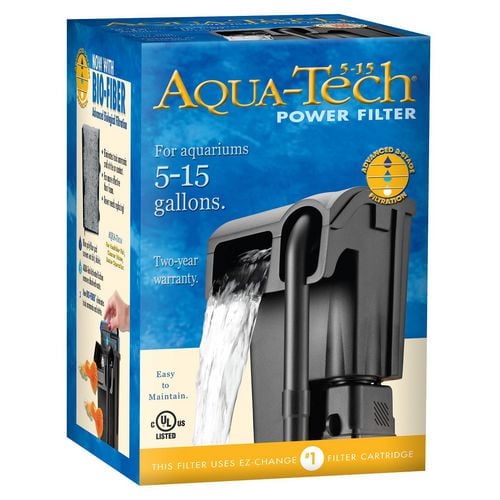
Credit: www.walmart.ca
Types Of Aquarium Filters
Aquarium filters keep the water clean and safe for adult fish. They remove waste and harmful substances from the tank.
There are different types of filters. Each type works in a special way to clean the water.
Mechanical Filters
Mechanical filters catch solid particles like fish waste and uneaten food. They trap these particles in a sponge or filter pad.
This filter type helps keep the water clear and prevents dirt from building up in the tank.
- Uses sponges, pads, or floss
- Removes visible debris
- Needs regular cleaning
Biological Filters
Biological filters use good bacteria to break down harmful waste. These bacteria live on filter media like ceramic rings or bio balls.
The bacteria turn toxic ammonia into less harmful substances, which helps keep fish healthy.
- Supports beneficial bacteria growth
- Breaks down ammonia and nitrites
- Essential for fish health
Chemical Filters
Chemical filters use special materials to remove toxins and odors from the water. Activated carbon is a common chemical filter media.
This filter type helps clear water and reduce smells in the aquarium.
- Uses activated carbon or resins
- Removes chemicals and odors
- Needs replacement often
Combination Filters
Combination filters mix mechanical, biological, and chemical methods. This helps clean water in different ways at once.
They are popular because they keep the aquarium environment balanced and healthy for adult fish.
- Includes sponges, bio media, and carbon
- Provides thorough filtration
- Easy to maintain all in one unit
Choosing The Right Filter
An aquarium filter keeps the water clean and safe for adult fish. Picking the right filter helps fish stay healthy. Filters remove waste and harmful substances from the water.
There are many types of filters. You need to think about your tank and fish before buying one. This guide will help you choose the best filter for your aquarium.
Tank Size And Filter Capacity
The size of your tank affects the filter you need. Bigger tanks need filters that can clean more water. Check the filter’s capacity to match your tank size.
A filter should clean all the water in your tank at least four times per hour. For example, a 20-gallon tank needs a filter with 80 gallons per hour (GPH) flow rate.
- Small tanks (under 10 gallons): use low-capacity filters
- Medium tanks (10-40 gallons): choose medium-capacity filters
- Large tanks (over 40 gallons): select high-capacity filters
Fish Species And Waste Production
Some fish produce more waste than others. Dirty water can harm your fish. Choose a filter that handles the waste level of your fish species.
Fish like goldfish and cichlids produce a lot of waste. They need strong filters. Small or fewer fish need less powerful filters.
- High waste producers: use filters with strong mechanical and biological filtration
- Low waste producers: basic filters may be enough
- Mix species carefully to avoid overloading the filter
Filter Noise And Maintenance
Quiet filters help keep your room peaceful. Some filters are louder than others. Choose a filter that fits your noise preference.
Filters need regular cleaning to work well. Consider how easy it is to clean your filter. Some filters require less maintenance than others.
- Canister filters: usually quiet but need regular cleaning
- Hang-on-back filters: easy to maintain and moderate noise
- Sponge filters: very quiet but best for small tanks
Budget Considerations
Filters come in different price ranges. Choose one that fits your budget and needs. Cheaper filters may cost more over time if they break often.
Invest in a good filter to keep fish healthy. Think about the cost of replacing parts and electricity use when buying a filter.
- Low budget: simple filters for small tanks
- Medium budget: reliable filters with good features
- High budget: advanced filters with low noise and easy maintenance
Setting Up Your Filter
Setting up an aquarium filter is important for keeping your adult fish healthy. A good filter cleans the water and keeps it clear.
Follow simple steps to place, prime, and start your filter correctly. This helps your fish live in a clean and safe environment.
Placement Tips
Place the filter where water can flow easily through it. Make sure it is fully submerged if it is a submersible filter.
Avoid placing the filter near decorations or plants. They can block water flow and reduce filter efficiency.
- Put the filter near the aquarium’s back or side wall
- Keep it away from heavy decorations
- Ensure the intake is clear of debris and fish
- Check that the filter is stable and won’t tip over
Priming And Starting
Priming the filter means filling it with water before turning it on. This helps the pump start working properly.
Some filters need manual priming. Others start automatically once plugged in.
- Fill the filter chamber with water to avoid dry running
- Follow the filter’s instructions for priming
- Turn on the filter and check for water flow
- Listen for unusual noises that may mean air is trapped
Ensuring Proper Water Flow
Good water flow helps remove waste and distributes clean water. It also brings oxygen to your fish.
Check the flow regularly. Adjust the flow rate if your filter has a control valve.
- Make sure water moves across the entire tank
- Avoid strong currents that stress adult fish
- Clean the intake and filter media often to keep flow steady
- Replace filter parts as needed to maintain good performance

Credit: www.amazon.com
Maintaining Clean Water
Keeping aquarium water clean is important for adult fish health. A good filter helps remove waste and toxins.
Regular care of the aquarium filter keeps water clear and safe for fish to live in.
Regular Cleaning Schedule
Clean your aquarium filter regularly to keep it working well. This stops dirt from building up.
How often to clean depends on your tank size and fish number. A good rule is every 2 to 4 weeks.
- Turn off the filter before cleaning
- Rinse filter parts in tank water, not tap water
- Remove debris gently from filter components
- Do not over-clean to keep helpful bacteria alive
Replacing Filter Media
Filter media trap waste and help clean the water. Replace them to keep the filter effective.
Follow the filter maker’s advice on how often to change each type of media.
- Mechanical media (sponges) need frequent rinsing and occasional replacement
- Chemical media (carbon) should be replaced every 3-4 weeks
- Biological media last longer but may need gentle cleaning
Monitoring Water Quality
Check water quality to ensure the filter keeps the tank safe. Test water often for key signs.
Use test kits to check ammonia, nitrite, nitrate, and pH levels. Safe water means healthy fish.
- Ammonia and nitrite should be zero
- Nitrate levels should stay low
- pH must suit your fish species
- Change water if tests show poor quality
Avoiding Common Filtration Problems
Problems with filters can harm your fish. Watch for signs of trouble and fix them quickly.
Common issues include clogged filters, noisy operation, and poor water flow.
- Clean clogged filters to restore water flow
- Check filter parts for damage or wear
- Do not overfeed fish to reduce waste
- Ensure the filter size matches your tank volume
Advanced Filtration Techniques
Keeping your aquarium water clean is very important for adult fish health. Advanced filtration helps remove waste and harmful substances. It keeps the water clear and safe for fish to live longer.
Many techniques work together to improve filtration. These include using UV sterilizers, protein skimmers, and live plants. Each method cleans the water in a different way.
Using Uv Sterilizers
UV sterilizers use ultraviolet light to kill harmful bacteria and parasites in the water. The water passes through a chamber with UV light, which destroys germs without chemicals. This helps keep fish healthy and reduces diseases.
UV sterilizers work well with other filters. They do not remove debris but kill tiny harmful organisms. This makes the aquarium safer for adult fish.
Adding Protein Skimmers
Protein skimmers remove organic waste before it breaks down in the water. They create bubbles that attract waste particles. The waste collects in a cup that you can empty easily. This stops toxins from building up and keeps water cleaner.
Protein skimmers are common in saltwater tanks but can also help freshwater aquariums. They improve water quality and lower fish stress.
Incorporating Live Plants
Live plants are natural filters for aquarium water. They absorb nitrates and other harmful chemicals from fish waste. Plants add oxygen and create a natural environment for fish to feel safe.
Using plants also reduces algae growth by competing for nutrients. Some good plants for filtration include java moss, anacharis, and hornwort.
- Absorb fish waste chemicals
- Add oxygen to water
- Reduce algae growth
- Create hiding spots for fish

Credit: www.amazon.com
Signs Of Filter Issues
Aquarium filters keep the water clean for your fish. It’s important to know signs of issues.
Recognizing these signs early helps keep your fish healthy and happy.
Cloudy Water
Cloudy water often means your filter isn’t working well. This can happen if the filter is clogged or needs cleaning.
- Check for debris in the filter
- Ensure the filter is properly installed
- Clean the filter media regularly
Unpleasant Odors
Bad smells from the tank can indicate a problem. This might mean the filter is not removing waste effectively.
Ensure proper water flow through the filter to reduce odors.
Fish Behavior Changes
Fish may act differently if the filter is not working right. They might swim near the surface or seem stressed.
| Behavior | Possible Issue |
| Swimming near surface | Low oxygen levels |
| Stressed appearance | Poor water quality |
Filter Noise And Performance Drops
Unusual noises from the filter can show it needs attention. Reduced performance means it may not be cleaning the water properly.
- Inspect for blockages in the filter
- Check for damage to filter parts
- Ensure correct installation
Frequently Asked Questions
What Is The Best Aquarium Filter For Adult Fish?
The best filter for adult fish provides mechanical, biological, and chemical filtration. It maintains water clarity and removes toxins effectively. Choose filters like canister or hang-on-back types for larger tanks. Proper filtration supports fish health and reduces maintenance frequency.
How Often Should I Clean An Aquarium Filter?
Clean your aquarium filter every 2 to 4 weeks. Avoid over-cleaning to preserve beneficial bacteria. Rinse filter media in tank water, not tap water. Regular cleaning ensures efficient filtration and a healthy environment for adult fish.
Can I Use The Same Filter For Different Fish Sizes?
Yes, but filter capacity must match tank size and fish load. Larger fish produce more waste, requiring stronger filtration. Always choose a filter rated above your tank’s volume for optimal water quality.
What Filter Type Is Best For Adult Freshwater Fish?
Canister filters and hang-on-back filters are ideal for adult freshwater fish. They offer superior mechanical and biological filtration. These filters maintain stable water conditions, essential for adult fish health and longevity.
Conclusion
Choosing the right aquarium filter keeps adult fish healthy and happy. Clean water means fewer diseases and clearer tanks. Filters remove waste and help oxygen flow in the water. Regular maintenance of the filter ensures it works well. A good filter saves time and effort in tank care.
Remember, a healthy tank creates a joyful space for your fish. Simple steps make a big difference in fish care. Keep your aquarium fresh with the right filter every day.