
Imagine turning your aquarium into a vibrant underwater garden filled with colorful aquarium plants that catch every eye. You might think adding plants is just about decoration, but the right plants can bring life, balance, and beauty to your tank like nothing else.
If you want your aquarium to stand out and become a stunning centerpiece, you need to know which plants will brighten your space and how to care for them easily. Keep reading, and you’ll discover simple tips and ideas to create an aquarium that feels alive and full of color every day.
Choosing Colorful Aquarium Plants
Adding colorful plants to your aquarium can make it lively and beautiful. Choosing the right plants helps create a healthy environment for fish.
It is important to pick plants that match your tank’s light and water conditions. This keeps the plants vibrant and strong.
Popular Vibrant Plant Species
Some aquarium plants are known for their bright colors. These plants add red, purple, and green shades to your tank.
- Ludwigia Repens – red and orange leaves
- Rotala Rotundifolia – pink and green hues
- Alternanthera Reineckii – deep red color
- Java Moss – bright green and easy to grow
- Anubias Nana – dark green and sturdy leaves
Matching Plants To Tank Conditions
Different plants need different light and water types. Choose plants that fit your tank’s light strength and water pH.
- Low light tanks: Java Moss, Anubias Nana
- Medium light tanks: Cryptocoryne, Hygrophila
- High light tanks: Ludwigia, Rotala
- Soft water plants: Amazon Sword, Java Fern
- Hard water plants: Vallisneria, Bacopa
Balancing Colors And Textures
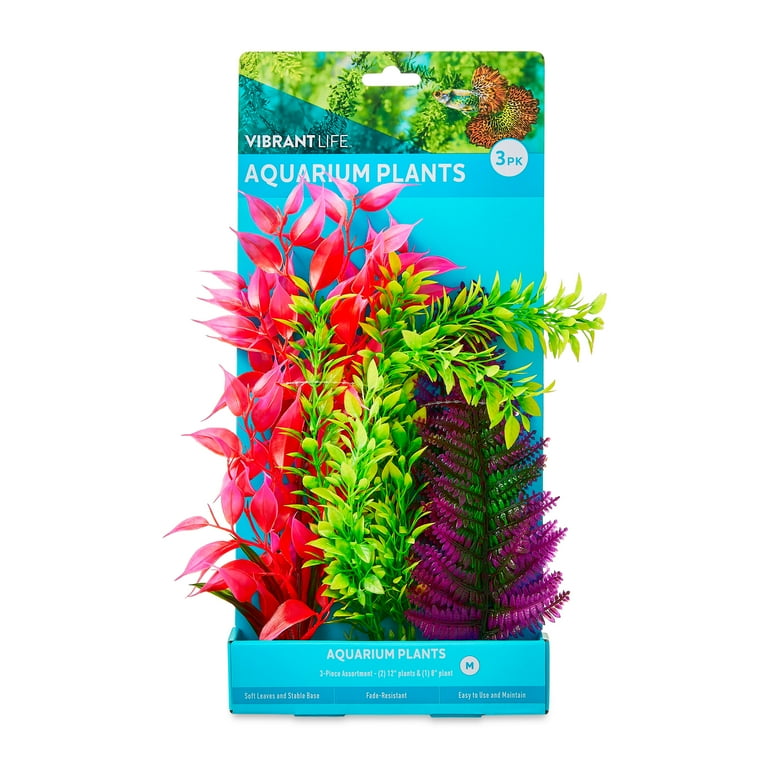
Mix colors and leaf shapes to make your aquarium look natural. Use tall and short plants for good balance.
- Combine red plants with green ones
- Use fine leaves with broad leaves
- Place tall plants at the back
- Put short plants near the front
- Keep open space for swimming fish
Credit: www.walmart.com
Plant Care For Vibrant Growth
Colorful aquarium plants add life and beauty to any tank. Proper care helps them stay healthy and bright.
Understanding their needs makes it easier to keep these plants growing strong and vibrant.
Lighting Requirements
Most colorful aquarium plants need medium to high light. Light helps plants make food and keep colors bright.
- Use full-spectrum LED lights for best color.
- Keep lights on for 8 to 10 hours daily.
- Avoid direct sunlight to prevent algae growth.
- Adjust light intensity based on plant type.
Nutrient And Co2 Needs
Plants need nutrients and CO2 to grow well. Balanced feeding helps keep them healthy.
| Nutrient | Purpose |
| Nitrogen | Supports leaf growth |
| Phosphorus | Helps root development |
| Potassium | Strengthens plant cells |
| Iron | Enhances red and orange colors |
| CO2 | Boosts photosynthesis |
Use a quality fertilizer and consider CO2 injection for best results.
Pruning And Maintenance Tips
Regular pruning keeps plants healthy and encourages new growth.
- Trim dead or yellow leaves to prevent decay.
- Cut back leggy stems to promote bushiness.
- Remove excess growth to avoid overcrowding.
- Clean plant leaves gently to remove algae.
Design Tips For Colorful Aquascapes
Creating a colorful aquarium with plants brings life and beauty to your tank. Choosing the right design helps the colors stand out and feel natural.
Use simple tips to arrange plants and hardscape elements for a balanced and eye-catching aquascape.
Creating Focal Points
Focal points draw attention to a specific area in your aquarium. Use bright or tall plants to create a natural highlight. Position these plants near the center or slightly off-center for best effect.
Layering Plants By Height And Color
Layer plants to add depth and interest. Place taller plants in the back and shorter ones in front. Use different colors to separate layers and create contrast.
- Tall green plants at the back
- Medium-height red or purple plants in the middle
- Short green or yellow plants at the front
- Use bright colors to highlight specific areas
Incorporating Hardscape Elements
Hardscape elements like rocks, wood, and stones add structure and contrast. They help plants stand out and create natural scenes.
| Hardscape Element | Purpose |
| Rocks | Add texture and natural look |
| Wood | Create hiding spots and height |
| Stones | Define pathways and borders |
Common Challenges And Solutions
Colorful aquarium plants add beauty to any tank. They need care to stay healthy.
Some problems can affect your plants. Knowing how to fix these helps your aquarium thrive.
Preventing Algae Overgrowth
Algae can cover plants and glass. It steals light and nutrients from your plants.
- Keep your tank clean by doing regular water changes.
- Limit the amount of light your tank gets to 8-10 hours per day.
- Avoid overfeeding fish to reduce excess nutrients.
- Add algae-eating fish or snails to help control growth.
- Use a good filter to keep the water clear and healthy.
Dealing With Plant Melting And Discoloration
Plant melting means leaves become soft and decay. Discoloration shows poor health.
| Cause | Solution |
| Sudden water changes | Make slow, gradual water changes |
| Wrong water temperature | Keep temperature steady, suited for your plants |
| Low light | Increase light intensity or duration |
| Deficiency in nutrients | Add plant fertilizers regularly |
Managing Plant Compatibility
Not all plants grow well together. Some need different light or nutrients.
Check these tips for mixing plants:
- Group plants with similar light needs.
- Avoid fast growers overshadowing slow growers.
- Use separate areas for plants with different nutrient needs.
- Watch for plants that spread too much and crowd others.
Enhancing Aquariums With Colorful Plants
Colorful aquarium plants add beauty and life to fish tanks. They create a natural and vibrant environment for fish.
Using bright plants helps to make the aquarium more interesting and lively. They can highlight the colors of fish and other creatures.
Combining Plants With Fish And Invertebrates
Choose plants that match the needs of your fish and invertebrates. Some plants provide hiding spots and shelter for small animals.
Colorful plants can also contrast with the colors of fish. This makes the aquarium more attractive and balanced.
- Red plants highlight blue and green fish
- Green plants offer safe hiding places
- Floating plants give shade and rest areas
- Plants with broad leaves support shrimp and snails
Seasonal Color Changes
Some aquarium plants change color during the year. These changes add natural beauty to the tank.
Seasonal shifts can show different shades of red, orange, and yellow. This gives a new look without adding new plants.
- Cooler water can deepen red tones
- More light helps plants show brighter colors
- Changing nutrients can affect plant color
- Pruning old leaves reveals fresh colors
Using Color To Influence Tank Atmosphere
Colors in the aquarium affect the mood and feel of the space. Bright colors create energy and excitement.
Soft green and blue tones give a calm and peaceful feeling. Using color well can make the tank look bigger or cozier.
- Warm colors like red and orange add warmth
- Cool colors like blue and green promote calmness
- Mixing colors can create balance and interest
- Use color to highlight special features or fish

Credit: www.amazon.com

Credit: www.ebay.com
Frequently Asked Questions
What Are The Best Colorful Aquarium Plants For Beginners?
Easy-to-grow colorful aquarium plants include Anubias, Java Fern, and Ludwigia. They require low light and minimal care, making them ideal for beginners. These plants add vibrant colors without demanding complex maintenance, perfect for new aquarium hobbyists.
How Do Colorful Plants Benefit Aquarium Ecosystems?
Colorful plants improve water quality by absorbing nitrates and producing oxygen. They provide hiding spots for fish and reduce algae growth. These plants enhance the tank’s aesthetic and contribute to a balanced, healthy aquarium environment.
Can Colorful Aquarium Plants Survive In Low Light?
Yes, some colorful plants like Cryptocoryne and Anubias thrive in low light. They adapt well to dim conditions but may grow slower. Choosing plants suited for your tank’s lighting ensures healthy, vibrant colors without extra equipment.
How To Maintain Vibrant Colors In Aquarium Plants?
Maintain vibrant colors by providing proper lighting and nutrients. Use aquarium fertilizers and ensure stable water parameters. Regular trimming prevents overcrowding, allowing light to reach all leaves and promoting bright, healthy plant growth.
Conclusion
Colorful aquarium plants bring life and beauty to any tank. They create a natural home for fish and add bright, fresh colors. Choosing the right plants helps keep the water clean and healthy. These plants need light and care to grow well.
Adding them is easy and fun for beginners. Your aquarium will feel lively and peaceful with colorful plants. Try different types to find what fits your style best. Enjoy watching your fish swim among the bright green, red, and purple leaves.
A colorful aquarium is a joy to see every day.