
If you want your aquarium to look alive and vibrant, the right substrate can make all the difference. Aquascaping with planted substrate isn’t just about adding soil—it’s about creating a thriving environment for your plants to grow strong and beautiful.
Imagine your underwater garden flourishing with rich colors and lush greenery, all supported by the perfect base beneath. You’ll discover how choosing and using planted substrate can transform your aquarium into a stunning, natural masterpiece. Ready to unlock the secret to a healthier, more attractive tank?
Keep reading.

Credit: www.youtube.com
Benefits Of Planted Substrate
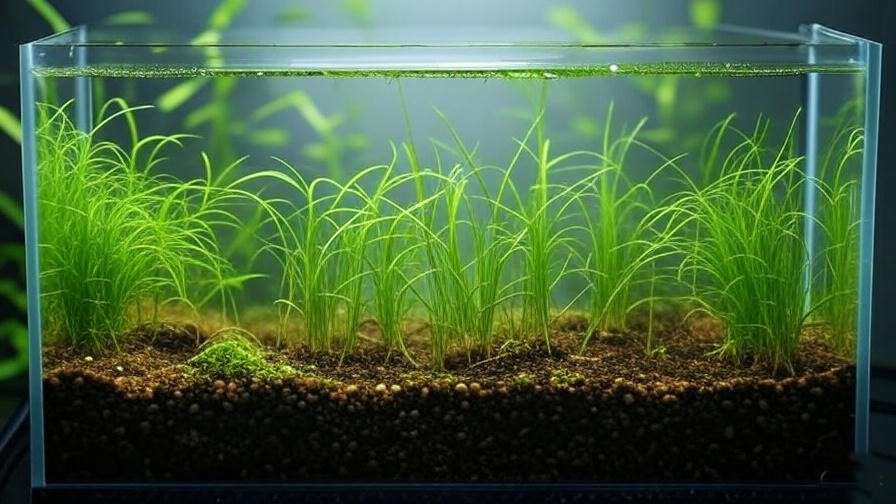
Planted substrate is a special base used in aquariums. It helps plants grow strong and healthy.
Using planted substrate makes the aquarium environment better for plants and animals.
Enhancing Plant Growth
Planted substrate provides nutrients directly to plant roots. It supports steady growth and vibrant leaves.
- Supplies minerals like iron and potassium
- Holds moisture for roots to absorb
- Prevents plant roots from floating away
- Encourages strong root systems
Improving Water Quality
Planted substrate helps keep aquarium water clean. It acts like a filter for waste and toxins.
| Benefit | How It Works |
| Reduces harmful chemicals | Substrate absorbs toxins from water |
| Supports beneficial bacteria | Good bacteria grow in substrate pores |
| Keeps water clear | Plants use nutrients that cause cloudiness |
Supporting Aquatic Life
Planted substrate creates a natural home for fish and other creatures. It makes them feel safe and healthy.
Key ways planted substrate helps aquatic life:
- Provides hiding places for small fish
- Offers surface area for shrimp and snails to graze
- Keeps the environment stable and balanced
Credit: agricarehub.com
Choosing The Right Substrate
Planted substrates play a key role in aquascaping. They support plant growth and keep your aquarium healthy.
Selecting the right substrate depends on the plants and fish you keep. It also affects how nutrients are delivered to the roots.
Types Of Planted Substrates
There are many substrates to choose from. Some are natural, while others are specially made for planted tanks.
- Aquarium soil – rich in nutrients and good for most plants
- Sand – looks natural but holds few nutrients
- Gravel – good for root plants but often needs added nutrients
- Clay-based substrates – release minerals slowly over time
- Laterite – high in iron, helps root development
Nutrient Content And Composition
| Substrate Type | Main Nutrients | Benefits | Drawbacks |
| Aquarium Soil | Nitrogen, Phosphorus, Potassium | Supports fast growth | Can cloud water at first |
| Sand | Low nutrients | Natural look | Needs fertilization |
| Gravel | Minimal nutrients | Good water flow | Needs root tabs |
| Laterite | Iron | Boosts root health | Can release too much iron |
| Clay-based | Minerals and trace elements | Slow nutrient release | Heavier substrate |
Compatibility With Plants And Fish
Some substrates suit certain plants better. Root feeders need nutrient-rich options. Others thrive with minimal nutrients.
- Delicate plants prefer soft substrates like sand.
- Hardy root plants grow well in clay or laterite.
- Fish that dig need heavier substrates to avoid disturbance.
- Some fish prefer smooth substrates to protect their skin.
Preparing The Substrate Layer
Preparing the substrate layer is important for a healthy aquascape. It supports plant roots and helps plants grow well.
Good preparation creates a stable base and improves water quality. This leads to a beautiful planted tank.
Cleaning And Rinsing Materials
Clean the substrate and other materials before adding them to the tank. This removes dust and debris.
Rinse substrates like gravel or soil with water until the water runs clear. This prevents cloudiness in the water.
- Use a fine mesh strainer for small substrates
- Rinse multiple times for best results
- Avoid soaps or chemicals when cleaning
Layering Techniques
Layer the substrate to create a good environment for plants. Start with a base layer that holds nutrients.
Add a top layer with fine gravel or sand. This keeps the base layer in place and looks neat.
- Use nutrient-rich soil at the bottom
- Cover with a thin layer of fine gravel
- Keep the layers even to avoid mixing
Adding Nutrient Boosters
Nutrient boosters help plants grow strong and healthy. Add them between substrate layers or mix with the base layer.
Choose boosters that release nutrients slowly. This gives plants a steady supply over time.
- Use root tabs for slow nutrient release
- Add mineral supplements to the base layer
- Check nutrient needs for your plants
Plant Selection For Substrate
Choosing the right plants for your aquascape substrate is important. Plants need the right base to grow healthy roots.
Substrate plants add life and beauty to your aquarium. They also help keep water clean and oxygenated.
Rooted Plants Vs. Floating Plants
Rooted plants grow their roots in the substrate. They need soil or gravel to anchor and absorb nutrients.
Floating plants float on the water surface. They do not need substrate and get nutrients from the water.
- Rooted plants improve tank stability and look natural
- Floating plants offer shade and reduce algae growth
- Rooted plants need good substrate to grow well
- Floating plants are easy to move and remove
Popular Species For Planted Substrate
Some plants grow very well in substrate. These species are popular choices for aquascaping.
- Amazon Sword (Echinodorus amazonicus)
- Java Fern (Microsorum pteropus)
- Dwarf Hairgrass (Eleocharis parvula)
- Cryptocoryne (Cryptocoryne wendtii)
- Vallisneria (Vallisneria spiralis)
- Water Wisteria (Hygrophila difformis)
Planting Tips And Tricks
Planting in substrate requires care and the right techniques. This helps your plants grow strong and healthy.
Use tweezers to place plants gently. Avoid burying the crown too deep to stop rot.
- Choose nutrient-rich substrate for better root growth
- Plant small roots first, then cover lightly with substrate
- Trim dead leaves to keep plants healthy
- Use root tabs if substrate lacks nutrients
- Avoid disturbing substrate after planting
Maintaining A Healthy Substrate
Aquascaping with planted substrate needs care to keep plants healthy. The substrate holds nutrients and supports roots well.
Good substrate care helps plants grow strong. It also keeps water clear and fish safe.
Preventing Compaction
Compaction happens when the substrate gets packed tightly. This blocks water and air from reaching roots.
To avoid compaction, gently stir the substrate now and then. Use tools or fish that dig to keep it loose.
- Stir substrate monthly with a soft tool
- Include burrowing fish or shrimp
- Avoid heavy decorations that press down
Managing Algae Growth
Algae can cover the substrate and plants. It competes for nutrients and makes the tank look dirty.
Keep algae in check by controlling light and nutrients. Clean excess algae by hand or with algae-eating creatures.
- Limit tank light to 6-8 hours daily
- Do not overfeed fish
- Add algae eaters like snails or shrimps
- Remove visible algae regularly
Regular Cleaning Practices
Cleaning the substrate keeps it healthy. Remove waste and debris to stop bad bacteria growth.
Use a gravel vacuum during water changes. Clean only part of the substrate to keep beneficial bacteria alive.
- Vacuum substrate every 2-3 weeks
- Clean 20-30% of the substrate at a time
- Check water parameters regularly
Credit: marcusfishtanks.com
Common Mistakes To Avoid
Aquascaping with planted substrate can be rewarding. But mistakes happen, even to experts. Knowing what to avoid helps create a thriving aquatic environment.
Let’s explore some common errors in aquascaping. By understanding these, your planted tank will flourish.
Overloading Nutrients
Too many nutrients can harm plants. They might grow too fast or become unhealthy.
A balanced nutrient level keeps plants thriving. Overloading leads to algae growth, which is hard to control.
- Monitor nutrient levels regularly
- Use fertilizers as recommended
- Avoid excessive organic matter
Ignoring Substrate Depth
Substrate depth is crucial for plant roots. Shallow substrates can harm root growth.
Proper depth allows roots to anchor well. It also supports water circulation and nutrient distribution.
- Check substrate depth during setup
- Ensure 2-3 inches of depth for most plants
- Adjust depth based on plant species
Neglecting Plant Needs
Different plants have different needs. Ignoring these can stunt their growth.
Research plant needs before adding them to your tank. Light, temperature, and water conditions vary for each species.
- Choose compatible plant species
- Provide adequate lighting
- Maintain suitable water parameters
Advanced Techniques
Aquascaping with planted substrates offers many advanced techniques. These techniques enhance the beauty and health of your aquatic environment.
Mastering these methods can transform your aquarium into a lush underwater landscape. Let’s explore a few key techniques.
Using Co2 With Planted Substrates
CO2 is essential for healthy plant growth in aquariums. It helps plants photosynthesize more effectively.
- Install a CO2 diffuser for even distribution
- Monitor CO2 levels to avoid harming fish
- Adjust lighting to complement CO2 use
Layering Multiple Substrate Types
Using multiple substrates creates a more diverse environment. Each layer serves a different purpose.
| Layer | Purpose |
| Base layer | Nutrient storage |
| Middle layer | Root anchorage |
| Top layer | Aesthetic appeal |
Integrating Hardscape Elements
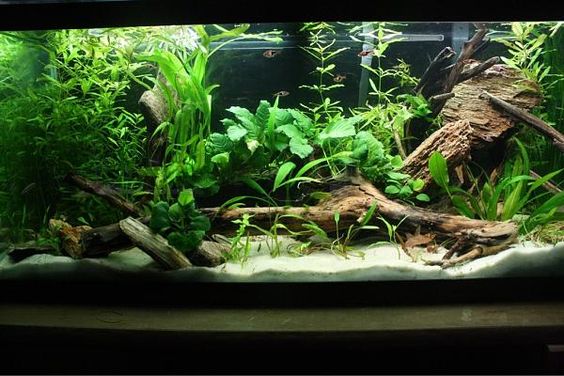
Hardscape elements like rocks and driftwood add structure to your aquascape. They provide hiding spots for fish and support plant growth.
Consider the natural flow and balance when placing hardscape elements. This creates a harmonious and visually appealing layout.
Troubleshooting Issues
Aquascaping with planted substrate can create a beautiful underwater garden. Sometimes, problems arise that affect plants and fish health.
Identifying common issues helps keep your aquascape healthy and vibrant. This guide covers yellowing plants, substrate odors, and compatibility problems.
Yellowing Or Dying Plants
Yellowing leaves often show nutrient deficiencies or poor lighting. Plants may also die if the substrate does not provide enough support.
Check for iron and potassium shortages. Adjust lighting time and intensity to fit plant needs. Remove dead leaves to stop decay.
- Test water for nutrients like iron and potassium
- Increase light if plants look pale or stretched
- Trim dying leaves to prevent spread of decay
- Use root tabs to feed plants in the substrate
Substrate Odors
Bad smells from the substrate usually mean poor water flow or trapped waste. Anaerobic spots can form if substrate is too deep or packed.
Stir the substrate gently to release gases. Reduce substrate depth if it is more than 2 inches. Add beneficial bacteria to break down waste.
- Use a gravel vacuum to clean debris
- Do not overfeed fish to limit waste
- Install a good filter for water movement
- Consider adding air stones near substrate
Fish And Plant Compatibility Problems
Some fish eat or uproot plants, causing damage to your aquascape. Others may need different water conditions than plants prefer.
Choose fish that are plant-friendly and share similar water needs. Observe fish behavior and remove species that harm plants.
- Avoid fish that dig or eat plants, like goldfish or cichlids
- Use peaceful fish such as tetras, rasboras, or guppies
- Match fish and plant temperature and pH preferences
- Provide hiding spots to reduce fish stress and plant damage
Frequently Asked Questions
What Is Planted Substrate In Aquascaping?
Planted substrate is a nutrient-rich base layer for aquarium plants. It supports root growth and provides essential minerals. This substrate enhances plant health and promotes vibrant aquascapes. It also helps maintain water quality by stabilizing the environment.
How Does Planted Substrate Benefit Aquarium Plants?
Planted substrate supplies nutrients directly to plant roots. It encourages stronger root systems and faster growth. This substrate improves plant color and vitality. It also reduces algae by competing for nutrients in the aquarium.
Can I Use Regular Gravel Instead Of Planted Substrate?
Regular gravel lacks nutrients needed for healthy plant growth. Using it may require additional fertilizers. Planted substrate offers a balanced nutrient supply for roots. It is better suited for long-term aquascaping success.
How To Choose The Right Planted Substrate For Aquascaping?
Select substrate based on plant types and aquarium size. Consider nutrient content, grain size, and water compatibility. A high-quality substrate ensures optimal plant growth and stability. Research specific plant needs before purchasing substrate.
Conclusion
Planted substrate helps plants grow strong and healthy in your aquarium. It supplies essential nutrients and supports root systems well. Choosing the right substrate creates a natural and beautiful aquascape. It also improves water quality and keeps plants stable. Small changes in substrate can make a big difference.
Start simple, observe your plants, and adjust as needed. Enjoy the calming beauty of your planted aquarium every day. Aquascaping with planted substrate brings life and color to your tank.