
Are you worried about white, cotton-like growths appearing on your fish or decorations? Fungus in your aquarium can harm your fish and disrupt the beautiful underwater world you’ve created.
But don’t worry—controlling fungus is easier than you think. You’ll discover simple, effective aquarium water treatments that can protect your fish and keep your tank healthy. Keep reading to learn how to spot fungus early and tackle it before it takes over your aquarium.
Your fish will thank you!
Causes Of Aquarium Fungus
Aquarium fungus can harm fish and plants. It grows in water and on surfaces inside tanks.
Knowing what causes fungus helps keep your aquarium healthy and clean.
Common Fungal Species
Many types of fungus can grow in aquariums. They often appear as white, gray, or cottony patches.
Some common species include Saprolegnia and Achlya. These fungi attack fish skin and eggs.
- Saprolegnia:Grows on fish skin and decaying matter
- Achlya:Found on plants and dead organic material
- Branchiomyces:Infects fish gills causing breathing problems
Environmental Triggers
Fungi grow fast in poor water conditions. Dirty water and low oxygen help fungus spread.
Stressful environments make fish and plants weak. This increases fungus risk.
- High organic waste in water
- Low water temperature
- Poor water circulation
- Overcrowded tanks
- Low oxygen levels
Fish And Plant Susceptibility
Some fish and plants are more likely to get fungus. Injuries and weak immune systems raise risk.
Young or sick fish often get infected. Plants with damaged leaves also attract fungus.
- Fish with skin wounds or stress
- Newly introduced or young fish
- Plants with torn or dead leaves
- Species with thin skin or scales
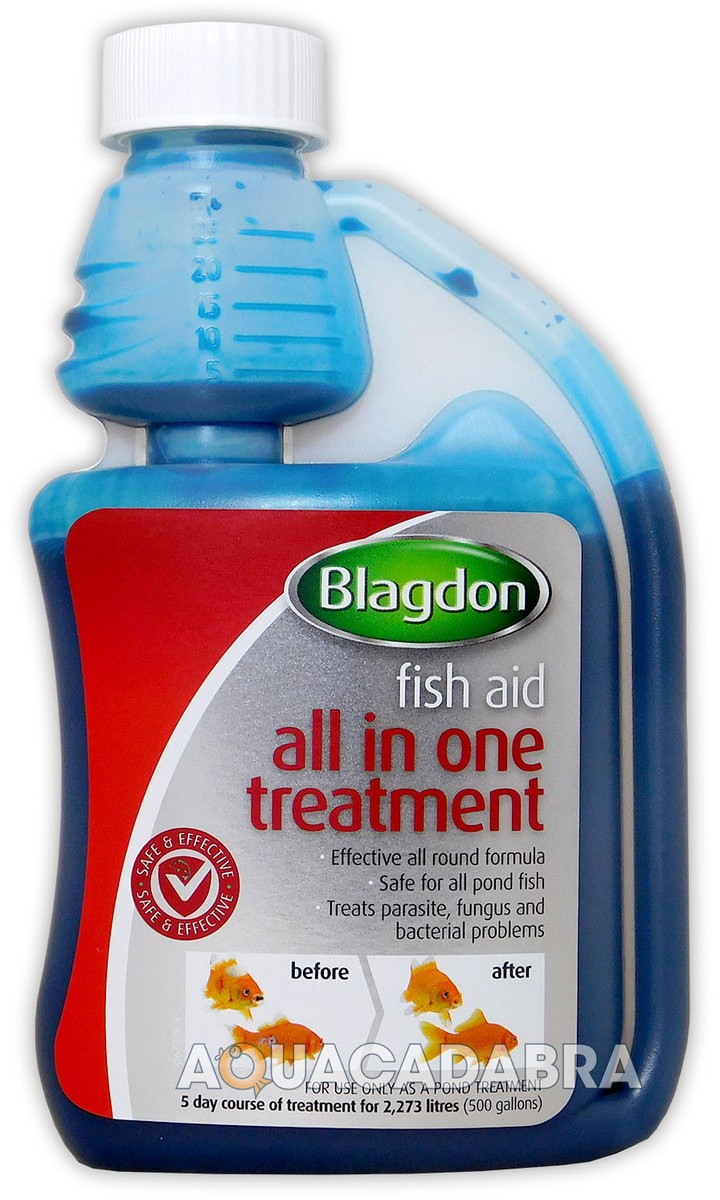
Credit: m.ebay.ca
Signs Of Fungal Infections
Fungal infections in aquariums can harm fish and plants. It is important to spot signs early. This helps keep your aquarium healthy.
Fungi grow quickly in water that is not clean. You can check fish, plants, and water to find signs of infection.
Visible Symptoms On Fish
Fish with fungal infections show clear signs on their bodies. Watch for white or gray patches on the skin or fins. These patches look cottony or fuzzy.
- White or gray fuzzy spots on skin or fins
- Redness around the infected areas
- Fish rubbing or scratching against objects
- Loss of appetite or lethargy
- Clamped fins that stay close to the body
Effects On Aquarium Plants
Fungal infections can also affect aquarium plants. Infected plants may have decayed areas or white mold on leaves and stems. This weakens the plants and slows their growth.
| Symptom | Description |
|---|---|
| White Mold | Fuzzy white patches on leaves and stems |
| Leaf Decay | Soft, brown, or slimy spots on leaves |
| Slow Growth | Plants stop growing or look weak |
| Discoloration | Leaves turn yellow or pale |
Water Quality Indicators
Bad water quality helps fungi grow. Testing the water can show signs of infection risk. Keep an eye on these factors:
- High ammonia or nitrite levels
- Low oxygen content
- High organic waste or debris
- Unstable pH values
- Warm water temperatures above 80°F (27°C)
Preventive Measures
Keeping your aquarium free from fungus is easier than treating it. Preventive measures help protect fish and plants.
Good habits in tank care reduce the chance of fungal infections. These steps keep water and fish healthy.
Maintaining Water Quality
Clean water stops fungus from growing. Test water often for ammonia, nitrite, and nitrate levels.
Change 10-20% of the water every week. Use a water conditioner to remove harmful chemicals.
- Keep temperature stable for your fish species
- Use a good filter to remove waste
- Do not overfeed fish to avoid water pollution
- Remove leftover food promptly
Proper Tank Hygiene
Cleaning the tank regularly stops fungus spores from settling. Clean decorations and gravel often.
Use a soft brush or sponge to avoid harming plants. Avoid harsh chemicals that can hurt fish.
- Remove dead plants and fish quickly
- Clean algae from tank walls
- Rinse filter media in tank water, not tap water
Quarantine Procedures
New fish can bring fungus to your tank. Keep new fish in a separate quarantine tank for 2 weeks.
Watch for signs of illness during quarantine. Treat any infections before adding fish to the main tank.
- Use a clean tank with its own filter
- Feed new fish separately
- Keep quarantine tank water clean and warm
- Observe fish daily for fungus or other diseases
Chemical Treatments
Aquarium water treatments help control fungus on fish and plants. Chemical treatments use special medicines to fight fungal infections.
These treatments keep your aquarium healthy by stopping fungus from spreading. It is important to use them carefully and follow instructions.
Antifungal Medications
Antifungal medications kill or stop fungal growth in aquarium water. They come in liquid, powder, or tablet forms.
Common antifungal agents include malachite green, methylene blue, and formalin. These medicines treat infections on fish skin and eggs.
Usage Guidelines
Follow the instructions on the medication label for safe use. Measure the correct amount to avoid harming fish or plants.
Remove activated carbon from filters before treatment. This allows the medicine to stay active in the water.
- Use a clean container for mixing medicines
- Keep the water temperature stable
- Do not overdose; more medicine can hurt fish
- Perform water changes after treatment ends
Potential Side Effects
Some antifungal chemicals can stress fish or damage sensitive plants. Watch your aquarium closely during treatment.
Signs of side effects include fish gasping, loss of color, or unusual behavior. Stop treatment if problems appear.
- Damage to fish gills or skin in high doses
- Harm to beneficial bacteria in filters
- Possible harm to shrimp and other invertebrates
- Cloudy or discolored water during treatment
Natural Remedies
Keeping your aquarium fish healthy means controlling fungus naturally. Many natural remedies help fight fungus without chemicals.
These methods use safe ingredients and improve water quality for your fish’s well-being.
Herbal Extracts
Herbal extracts have antifungal properties that help keep aquarium fungus under control. They come from plants like neem and garlic.
Adding small amounts to the water can reduce fungus growth and improve fish health naturally.
- Neem extract fights fungal infections
- Garlic extract boosts fish immunity
- Tea tree oil can help clear fungus
Salt Baths
Salt baths are a simple way to treat fungus on fish. Salt helps kill fungus and soothes fish skin.
Use aquarium salt in a separate container for a few minutes to avoid stress on your fish.
- Use one tablespoon of salt per gallon of water
- Keep fish in bath for 5 to 10 minutes
- Repeat treatment daily if needed
Beneficial Bacteria
Beneficial bacteria improve water quality by breaking down waste. Cleaner water lowers fungus risk for fish.
Adding natural bacterial supplements supports a healthy tank environment and controls harmful fungus growth.
- Use products with live beneficial bacteria
- Maintain proper filtration and aeration
- Regular water changes help bacteria thrive
Credit: www.petsmart.ca
Adjusting Aquarium Conditions
Proper aquarium conditions are vital for controlling fungus. Adjusting these conditions keeps fish healthy and water clear.
Focus on temperature, aeration, filtration, and light to create a balanced environment.
Temperature Control
Fish thrive in stable temperatures. Sudden changes can stress them and promote fungus growth.
- Monitor water temperature regularly.
- Use heaters to maintain a consistent range.
- Avoid placing tanks near windows or heat sources.
Aeration And Filtration
Adequate aeration and filtration help keep water clean. They remove impurities and support beneficial bacteria.
| Filtration Type | Benefit |
| Mechanical | Removes debris |
| Biological | Supports bacteria |
| Chemical | Neutralizes toxins |
Light Exposure
Control light exposure to prevent algae and fungus. Use timers to manage light cycles.
Monitoring And Follow-up
Maintaining a healthy aquarium requires regular monitoring. Fungus control is essential for fish health. Follow-up actions ensure treatments are effective.
This guide covers key steps in monitoring and follow-up. Learn how regular inspections, water testing, and treatment durations play a role.
Regular Inspections
Inspect your aquarium often. Look for signs of fungus or stress in fish. Regular checks help catch issues early.
- Check fish for white spots or fuzzy growths
- Observe fish behavior for signs of stress
- Inspect plants and decorations for fungus
Water Testing
Water quality affects fish health. Regular testing helps maintain a safe environment. Test kits are available for home use.
| Parameter | Ideal Range |
| pH | 6.5 – 7.5 |
| Ammonia | 0 ppm |
| Nitrate | Below 20 ppm |
Treatment Duration
Follow treatment instructions carefully. Duration varies by product and severity. Consistent treatment ensures fungus control.

Credit: www.amazon.co.uk
Frequently Asked Questions
What Causes Fungus In Aquarium Water?
Fungus in aquariums often results from poor water quality and stress. Uneaten food, dead plants, and fish wounds promote fungal growth. Maintaining cleanliness and proper filtration helps prevent fungal outbreaks effectively.
How Do I Treat Aquarium Fungus Naturally?
Natural treatments include increasing water changes and improving filtration. Adding aquarium-safe antifungal plants like Indian almond leaves can help. Also, salt baths and maintaining optimal water parameters boost fish immunity against fungus.
Which Chemicals Are Safe For Fungal Control?
Safe antifungal chemicals include malachite green and methylene blue. Use them in recommended doses to avoid harming fish. Always follow product instructions carefully to ensure effective fungal treatment without side effects.
How Often Should I Treat My Aquarium For Fungus?
Treat your aquarium daily until fungus disappears, usually within 7-10 days. Monitor fish closely and continue treatment for a few days after symptoms vanish to prevent recurrence.
Conclusion
Controlling fungus in your aquarium protects fish health and keeps water clear. Use treatments carefully and follow instructions to avoid harm. Regular water changes help stop fungus from growing again. Clean tanks create a safer home for your fish. Keep an eye on fish behavior and tank conditions daily.
Healthy fish mean a happy aquarium. Simple steps bring big results. Stay consistent and patient for the best outcome.