
Are you ready to create a beautiful home for your angelfish but don’t know where to start? Choosing the right tank starter kit can make all the difference in keeping your fish healthy and happy.
With so many options out there, it’s easy to feel overwhelmed. This guide will help you find the perfect angelfish tank starter kit that fits your needs and budget. Keep reading, and you’ll discover the must-have features and tips to set up a thriving aquarium with ease.
Your angelfish deserve the best—let’s make sure you give them just that.
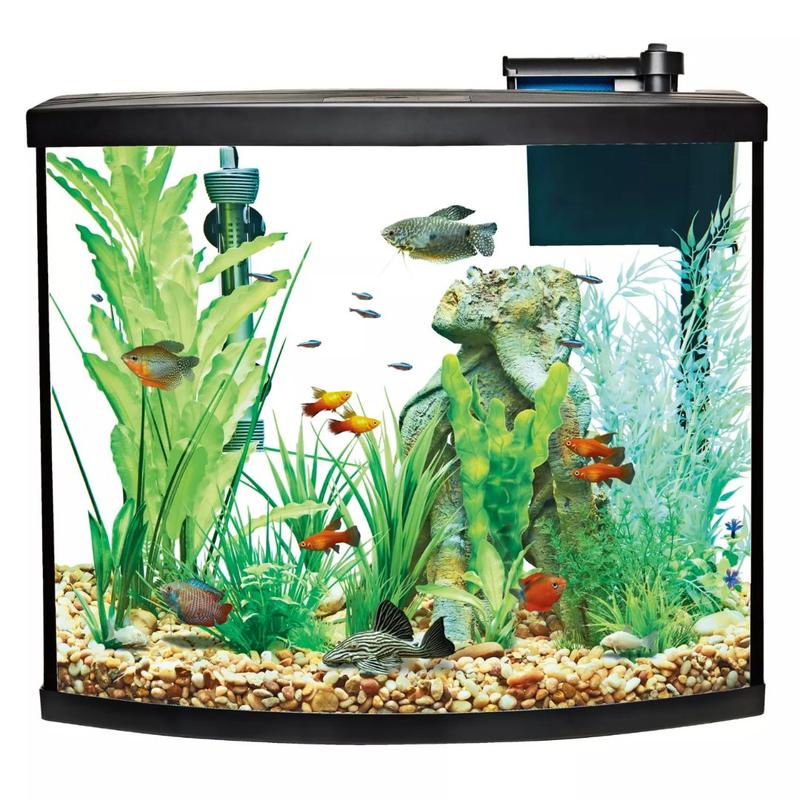
Credit: www.petsmart.ca
Choosing The Right Tank
Choosing the right tank is important for your angelfish. The tank must support their size and behavior. A good tank helps keep your fish healthy and happy.
Think about the space you have and what type of tank fits best. This guide will help you pick the right size, material, and shape for your angelfish tank.
Ideal Tank Size
Angelfish need enough space to swim comfortably. A small tank can cause stress and health problems. The right size tank makes it easier to keep water clean.
Start with at least a 20-gallon tank for one or two angelfish. Bigger tanks work better if you want more fish or plants inside.
- 20 gallons minimum for one or two angelfish
- Add 10 gallons for each extra angelfish
- Bigger tanks provide more stable water conditions
Material Options
Tanks come in different materials like glass and acrylic. Each has good and bad points. Choose one that fits your budget and needs.
Glass tanks are heavy but scratch-resistant. Acrylic tanks are lighter and clearer but can scratch easily. Both materials work well for angelfish.
- Glass: durable, hard to scratch, heavier
- Acrylic: lightweight, clearer, scratches easier
- Consider weight and durability before buying
Tank Shape Considerations
The shape of the tank affects how angelfish swim and interact. Tall tanks give vertical space which angelfish like. Wide tanks offer more horizontal swimming room.
Choose a tank shape that fits your space and allows plants or decorations. Avoid very small or oddly shaped tanks that limit swimming.
- Tall tanks suit angelfish’s vertical swimming
- Wide tanks fit more fish and plants
- Pick a shape that fits your room and fish needs

Credit: www.amazon.com
Essential Equipment
Setting up an Angelfish tank needs the right tools. Good equipment keeps the fish healthy and happy.
This guide covers the main gear you need for a successful Angelfish tank start.
Filtration Systems
Filters clean the water by removing waste and toxins. They keep the tank water clear and safe.
Choose a filter that suits your tank size. It should run quietly and have easy maintenance.
- Hang-on-back filters are simple to install and maintain
- Canister filters offer strong filtration for larger tanks
- Sponge filters are gentle and good for small tanks
Heaters And Thermometers
Angelfish need warm water to thrive. A reliable heater keeps the temperature steady.
A thermometer helps you check the water temperature anytime. It ensures the heater works well.
- Choose heaters with adjustable temperature settings
- Place thermometer where you can easily see it
- Keep the water between 76°F and 82°F for Angelfish
Lighting Choices
Lighting makes the tank look nice and helps plants grow. It also affects fish behavior.
Use soft lighting that mimics natural daylight. Avoid bright lights that stress the fish.
- LED lights use less energy and last longer
- Full spectrum lights support live plants
- Set a timer to give fish a day-night cycle
Water Setup And Maintenance
Setting up and maintaining your angelfish tank is crucial. Proper water care keeps your fish healthy and happy. Let’s explore the essential steps.
You’ll learn about conditioning, cycling, and cleaning your tank. These steps ensure a safe environment for your angelfish.
Water Conditioning
Conditioning your tank water removes harmful chemicals. Tap water contains chlorine and chloramines, which can harm fish.
Use a water conditioner to neutralize these chemicals. This makes the water safe for your angelfish.
- Add water conditioner to new water before adding it to the tank.
- Follow the instructions on the conditioner bottle carefully.
- Ensure water temperature matches the tank to avoid stress on fish.
Cycling The Tank
Cycling the tank establishes good bacteria. This process keeps water clean and safe for your fish.
New tanks need time to grow these helpful bacteria. It usually takes a few weeks to complete cycling.
- Introduce a small number of fish to start the cycle.
- Monitor ammonia, nitrite, and nitrate levels regularly.
- Wait until ammonia and nitrite levels drop to zero before adding more fish.
Regular Cleaning Schedule
Regular cleaning keeps your tank environment healthy. Clean water helps prevent diseases and stress in angelfish.
Set a weekly schedule to maintain the tank. This includes partial water changes and cleaning tank surfaces.
- Change 10-15% of the water weekly.
- Use a gravel vacuum to clean the substrate.
- Wipe algae from tank walls with a sponge.
Selecting Angelfish
Choosing the right angelfish for your tank is important. They need to be healthy and compatible with other fish.
This guide will help you pick the best angelfish for your starter kit. Learn what to look for in healthy fish and how to choose the right number.
Healthy Fish Traits
Healthy angelfish are active and have clear eyes. Their fins should be smooth and without tears.
| Trait | Sign of Health |
| Eyes | Clear and bright |
| Fins | Intact and smooth |
| Activity | Active swimmer |
Compatible Species
Angelfish can live with other peaceful species. Avoid aggressive fish that might stress them.
- Guppies
- Platies
- Corydoras Catfish
- Neon Tetras
Number Of Fish To Start
Starting with the right number of angelfish is key. Too many can cause stress and overcrowding.
Feeding And Nutrition
Proper feeding is key to keeping angelfish healthy and active. Good nutrition helps them grow and show bright colors.
This guide covers the types of food to offer, how often to feed, and tips to avoid overfeeding.
Types Of Food
Angelfish eat a variety of foods. A mix of flakes, pellets, and live or frozen foods works best. This variety gives them all needed nutrients.
- Flake food made for tropical fish
- Pellets with balanced vitamins
- Live foods like brine shrimp or bloodworms
- Frozen foods as a protein source
- Vegetables like blanched spinach or peas
Feeding Frequency
Feed young angelfish more often than adults. Small meals help their fast growth. Adult fish need fewer feedings daily.
- Feed fry 3 to 4 times daily
- Feed adults 1 to 2 times daily
- Offer only what they can eat in 2 to 3 minutes
- Remove leftover food after feeding time
Avoiding Overfeeding
Overfeeding causes poor water quality and health problems. Use this table to control feeding amounts based on fish size.
| Fish Size | Amount per Feeding | Feeding Times |
|---|---|---|
| Small (1-2 inches) | Pinch of flakes or one pellet | 3-4 times daily |
| Medium (2-4 inches) | 2-3 pellets or flakes | 2 times daily |
| Large (4+ inches) | 4-5 pellets or flakes | 1-2 times daily |
Tank Decoration Tips
Decorating your angelfish tank creates a natural and healthy environment. Good decoration helps fish feel safe and stress-free. It also makes your tank look beautiful and lively.
Use plants, substrate, and hiding spots to shape the tank’s look. Each element plays a special role in keeping your angelfish happy and healthy.
Plant Choices
Select plants that grow well in freshwater and provide cover for angelfish. Plants improve water quality and offer shade.
- Amazon Sword: Large leaves for hiding and resting
- Java Fern: Easy to care for and attaches to wood
- Water Wisteria: Grows fast and adds greenery
- Anubias: Hardy plant that tolerates low light
Substrate Options
The right substrate supports plant roots and affects water quality. Choose a substrate that fits your tank style and plant needs.
| Substrate Type | Benefits | Notes |
| Gravel | Easy to clean | Good for anchoring plants |
| Sand | Natural look | Gentle on fish bottom |
| Plant Soil | Rich in nutrients | Helps plants grow strong |
Hiding Spots
Hiding spots reduce stress and give angelfish places to rest or escape. Use decorations that blend well with plants and substrate.
- Driftwood: Adds natural shapes and shelter
- Rocks: Create caves and crevices for hiding
- Ceramic Pots: Small caves for shy fish
- Leaf Litter: Soft cover that mimics natural habitat
Common Challenges
Keeping angelfish healthy and happy can be tough for beginners. Many new tank owners face common problems that affect fish well-being.
Understanding these challenges helps you create a better environment for your angelfish.
Disease Prevention
Diseases can spread quickly in small tanks. It is important to watch your fish for signs of illness early.
- Keep the tank clean and change water regularly.
- Quarantine new fish before adding them to the main tank.
- Feed a balanced diet to boost fish immunity.
- Check water temperature and pH to reduce stress.
- Remove sick fish promptly to stop disease spread.
Behavioral Issues
Angelfish may show aggression or stress. This can hurt other fish or cause health problems.
| Behavior | Possible Cause | Solution |
| Chasing or nipping | Territorial disputes | Add more hiding spots and plants |
| Hiding a lot | Stress or illness | Check water quality and reduce noise |
| Loss of appetite | Stress or disease | Feed small amounts and observe closely |
Water Quality Problems
Water quality is the most important factor for angelfish health. Poor water causes many issues.
Common water problems include:
- High ammonia and nitrite levels
- Low oxygen content
- Incorrect pH levels
- Excess algae growth
Test water weekly and perform partial water changes. Use filters and avoid overfeeding.

Credit: www.amazon.com
Upgrading Your Tank
Upgrading your angelfish tank helps create a better home for your fish. It also keeps the tank healthy and comfortable.
As your angelfish grow, their needs change. You can improve their environment with better equipment and space.
When To Expand
Expand your tank if your angelfish look crowded. More space helps reduce stress and fights.
Check if your fish swim near the surface often. This may mean low oxygen or too small a tank.
- The tank looks crowded with many fish
- Fish show signs of stress or aggression
- Water quality drops quickly
- Angelfish grow larger than expected
Advanced Equipment
Upgrading your tank may include adding advanced tools. These help keep water clean and stable.
Good equipment improves fish health and reduces tank maintenance time.
- High-quality filters for better water clarity
- Heaters with precise temperature control
- CO2 systems to support live plants
- Lighting that mimics natural daylight
Breeding Considerations
Breeding angelfish needs extra space and special care. Prepare the tank before breeding starts.
Separate breeding tanks help protect eggs and fry. Use gentle filtration and soft water conditions.
- Set up a separate breeding tank
- Use a flat surface for egg laying
- Keep water temperature stable
- Feed parents high-quality food
Frequently Asked Questions
What Is Included In An Angelfish Tank Starter Kit?
An Angelfish tank starter kit typically includes a tank, filter, heater, lighting, and basic decorations. It provides a complete setup for beginners to create a healthy environment for angelfish. The kit simplifies initial setup and helps ensure proper care for your fish.
How Big Should An Angelfish Tank Be?
A minimum of 20 gallons is recommended for a single Angelfish. Larger tanks are better for multiple fish to provide space and reduce stress. Proper tank size supports healthy growth and swimming space, essential for angelfish wellbeing.
What Water Conditions Are Ideal For Angelfish?
Angelfish thrive in water temperatures between 76°F and 82°F. The pH should be slightly acidic to neutral, around 6. 8 to 7. 8. Stable water parameters ensure angelfish health and reduce disease risk, making maintenance easier for beginners.
How Often Should I Clean An Angelfish Tank?
Partial water changes of 25% to 30% weekly are ideal. Cleaning prevents waste buildup and maintains water quality. Regular cleaning helps keep angelfish healthy and the tank environment stable.
Conclusion
A good angelfish tank starter kit makes fish care simple. It includes all basics like a tank, filter, and heater. Setting up a healthy environment helps angelfish thrive and stay active. Regular cleaning and feeding keep your fish happy. Choose a kit that fits your space and budget.
Enjoy watching your angelfish grow in a safe home. Start small, learn step by step, and have fun with your new hobby.