
Feeding your ornamental fish might seem simple, but are you doing it the best way? Using feeding trays can change the game for you and your fish.
Imagine clearer water, less waste, and healthier fish—all from a small change in how you feed them. If you want to make your fish tank cleaner and your fish happier, keep reading. This guide will show you exactly how feeding trays can improve your fish care routine.
Benefits Of Using Feeding Trays
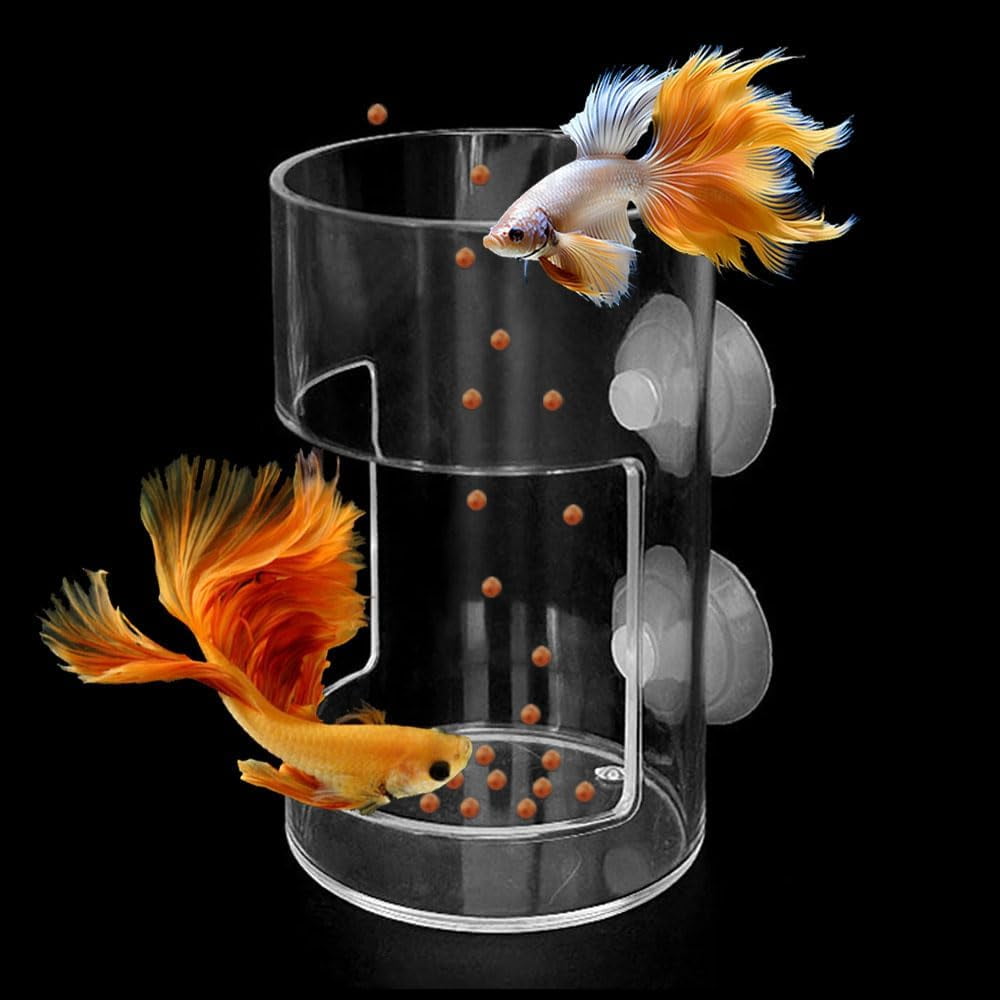
Feeding trays help in feeding ornamental fish more effectively. They keep food in one place and make feeding easier.
Using trays offers many benefits for both the fish and the aquarium environment.
Reducing Food Waste
Feeding trays limit the spread of food across the tank. This helps fish eat all the food provided.
- Food stays in one area for easy access.
- Less uneaten food sinks and decays.
- Reduces chances of overfeeding and waste.
Maintaining Water Quality
Food scraps can pollute the water if they sink to the bottom. Trays keep food contained and reduce pollution.
| Benefit | Effect on Water |
| Food Containment | Less decayed food in tank |
| Cleaner Environment | Lower ammonia and nitrate levels |
| Healthier Fish | Reduced risk of disease |
Controlling Feeding Portions
Feeding trays help measure the right amount of food. This prevents overfeeding and keeps fish healthy.
Tips for controlling feeding portions:
- Use a small tray size for portion control.
- Feed fish only what they can eat in 5 minutes.
- Adjust food amounts based on fish size and number.
Choosing The Right Feeding Tray
Feeding ornamental fish with trays helps keep the tank clean. It also controls the food amount for your fish.
Picking the right tray is important for the health of your fish and ease of use. Consider different features carefully.
Materials And Durability
Feeding trays come in many materials like plastic, glass, and silicone. Each material affects how long the tray lasts.
Choose materials that resist water and do not break easily. Strong trays save money over time.
- Plastic trays are light and affordable
- Glass trays look clean but can break
- Silicone trays are flexible and durable
Size And Shape Options
Trays come in different sizes to fit your tank and fish type. Size affects how much food you can offer at once.
Shapes like round, square, or rectangular help food stay in one place. Pick a shape that fits your tank space well.
- Small trays work for tiny fish or small tanks
- Large trays hold more food for bigger fish groups
- Flat trays keep food visible and easy to eat
Easy Cleaning Features
Cleaning trays often stops food buildup and tank dirt. Choose trays that are easy to wash and dry quickly.
Look for trays that can be rinsed or scrubbed without damage. Some trays are dishwasher safe for faster cleaning.
- Smooth surfaces prevent food sticking
- Removable parts make deep cleaning easier
- Non-porous materials reduce bacteria growth
Feeding Techniques With Trays
Using trays to feed ornamental fish helps keep the tank clean. It also controls how much food the fish get.
Feeding with trays lets you place food in one spot. This makes it easier to watch your fish eat.
Placing Food Evenly
Put the food evenly on the tray to stop crowding. This helps all fish get a fair share.
Spread food in small piles or thin layers. Avoid piling food in one spot to reduce waste.
- Use a small spoon or your fingers to place food
- Keep pieces about the same size
- Check the tray to remove leftover food
Timing And Frequency
Feed your fish at regular times every day. This builds a healthy feeding routine for them.
Give food in small amounts two to three times daily. Avoid overfeeding to keep the water clean.
- Feed fish in the morning and evening
- Use trays to measure food portions
- Watch how quickly the food disappears
Monitoring Fish Behavior
Watch how your fish eat from the tray. Healthy fish are active and eat well.
Look for signs like slow eating or ignoring food. This can mean stress or illness.
- Note if some fish do not get food
- Check if any fish are aggressive at the tray
- Adjust feeding if fish show unusual behavior

Credit: www.amazon.ca
Types Of Food Suitable For Trays
Feeding ornamental fish with trays helps keep the tank clean. It also controls how much food the fish eat. Choosing the right food type for trays is important for fish health.
Different foods work well with trays. This guide covers flakes and pellets, frozen and live food, and vegetable-based options. Each type has benefits for your fish.
Flakes And Pellets
Flakes and pellets are popular for trays. They float or sink slowly, making them easy to handle. These foods provide balanced nutrients and are easy to store.
- Flakes spread food evenly on the tray surface.
- Pellets sink slowly, attracting bottom feeders.
- Both types come in various sizes for different fish.
- They help reduce waste when used with trays.
Frozen And Live Food
Frozen and live food offers high nutrition and natural taste. They can be tricky with trays but work well if thawed or drained properly. They attract fish with movement and scent.
| Food Type | Advantages | Tray Tips |
| Frozen Bloodworms | High protein, easy to portion | Thaw before placing on tray |
| Live Brine Shrimp | Active and fresh, stimulates feeding | Drain excess water to avoid mess |
| Frozen Daphnia | Good fiber source, aids digestion | Use small amounts to prevent decay |
Vegetable-based Options
Vegetable foods provide fiber and vitamins. They suit herbivorous and omnivorous fish. Many vegetable options can be cut or mashed to fit trays.
- Peas (cooked and shelled)
- Spinach leaves (blanched)
- Zucchini slices (softened)
- Algae wafers (commercially made)
Maintaining Tray Hygiene
Keeping the feeding trays clean is essential for ornamental fish health. A clean tray prevents diseases and keeps the water quality high.
Regular cleaning helps avoid harmful substances that can affect fish. Here are some tips to maintain tray hygiene.
Regular Cleaning Routine
Cleaning trays regularly keeps them free from food residues. This routine helps in maintaining a healthy environment for fish.
Make sure to clean the trays at least once a week. This prevents buildup of waste and ensures hygiene.
- Rinse trays with warm water
- Scrub with a soft brush
- Let them dry completely
Avoiding Mold And Bacteria
Mold and bacteria can grow quickly in damp conditions. It is important to take steps to prevent them on feeding trays.
Ensure trays are dry before use. Avoid leaving leftover food on the tray for long periods.
- Dry trays after every use
- Remove uneaten food promptly
- Store trays in a dry place
Safe Cleaning Products
Using safe products is crucial when cleaning fish feeding trays. Some chemicals can harm fish if not rinsed properly.
Choose products that are non-toxic and safe for aquatic life. Natural cleaning agents are often a good choice.
- Use vinegar and water solution
- Avoid harsh chemicals
- Check labels for fish-safe products
Credit: www.walmart.com
Troubleshooting Common Issues
Feeding ornamental fish with trays is a neat way to manage their food. Sometimes, problems happen with this method. These issues can affect your fish’s health and the tank’s cleanliness.
Knowing how to fix common problems helps keep your fish happy. Here are some tips for the usual troubles with feeding trays.
Food Sinking Quickly
Food sinking too fast means fish might not eat it all. The food can waste or pollute the water. This happens when the food type is too dense or small.
Use floating food or larger pellets. You can also place light food on the tray to slow sinking. Clean the tray often to keep it stable in the water.
Fish Ignoring The Tray
Sometimes fish do not eat from the tray. They might not see the food or prefer other areas. Stress or water conditions can cause this behavior.
Try placing the tray in a different spot. Feed fish at regular times to build a routine. Check water quality and tank mates that may scare fish away.
Algae Growth On Trays
Algae can grow on feeding trays and cause problems. It makes the trays slippery and dirty. Algae grows faster with too much light or food left behind.
Clean trays regularly with a soft brush. Reduce light exposure near the tank if needed. Avoid overfeeding to limit leftover food that feeds algae.

Credit: www.temu.com
Frequently Asked Questions
What Are The Benefits Of Feeding Ornamental Fish With Trays?
Using feeding trays helps control food portions and reduces waste. It prevents food from scattering, keeping the tank clean. This method also makes feeding time easier and more organized, promoting healthier fish and water quality.
How Do Feeding Trays Improve Ornamental Fish Health?
Feeding trays ensure fish get the right amount of food without overfeeding. This prevents obesity and water pollution. Proper feeding supports fish digestion and growth, maintaining a balanced and healthy aquarium environment.
Can Feeding Trays Reduce Water Contamination In Fish Tanks?
Yes, feeding trays minimize food particles sinking and decaying in the tank. This reduces harmful bacteria and ammonia levels. Cleaner water promotes better fish health and lowers the need for frequent water changes.
What Types Of Trays Are Best For Ornamental Fish Feeding?
Flat, shallow trays made of non-toxic materials work best. They should fit the tank size and be easy to clean. Transparent or light-colored trays help monitor food consumption effectively.
Conclusion
Feeding ornamental fish with trays keeps food neat and easy to manage. It helps control portions and reduces waste. Fish get the right amount of food each time. Trays also keep the tank cleaner for longer. Using trays makes feeding less stressful for both you and your fish.
Try this simple method for better fish health and tank care. Small changes can improve your fish-keeping experience a lot. Give trays a chance and see the difference yourself.